Bignoniaceae Family Plants: Trumpet Vines, Trees, and Houseplants
14 plant profiles · Learn how to identify and grow plants in the Bignoniaceae family, including jacaranda, trumpet vines, catalpa trees, and China doll.
The Bignoniaceae family comprises mostly woody trees, lianas, and shrubs recognized by their large, fused-petal trumpet flowers and elongated seed pods. Most members originate in tropical and subtropical regions across South America, Africa, and Asia, though a few species extend into temperate zones of North America. Flowers feature five fused petals forming a bilabiate (two-lipped) tube, which produces flat, winged seeds designed for wind dispersal.
Choosing a species depends on your growing space and regional climate. If you are selecting a shade tree for mild climates, jacaranda (Jacaranda mimosifolia) grows up to 15 m (50 ft) tall with bipinnate foliage and blue-purple blooms, while golden trumpet tree (Handroanthus chrysanthus) produces bright yellow blooms before its foliage emerges. For temperate landscapes down to USDA zone 4, Northern catalpa (Catalpa speciosa) and Southern catalpa (Catalpa bignonioides) withstand freezing winters down to -30 °C (-22 °F). Indoor growers often choose China doll plant (Radermachera sinica) for its fine foliage and compact habit.
Vines and shrubs in this family demand structural support or space to spread. American trumpet vine (Campsis radicans) uses aerial rootlets to climb vertical masonry up to 10 m (33 ft), whereas pink trumpet vine (Podranea ricasoliana) scrambles over trellises in warm regions. Tropical trees such as the African tulip tree (Spathodea campanulata) and calabash tree (Crescentia cujete) require full sun and minimum temperatures above 10 °C (50 °F) to prevent cold damage and leaf drop.

African Tulip Tree
Spathodea campanulata
☀️ Full Sun 💧 Moderate

American Trumpet Vine
Campsis radicans
☀️ Full Sun 💧 Low

Calabash Tree
Crescentia cujete
☀️ Full Sun 💧 Moderate

Cape Honeysuckle
Tecomaria capensis
☀️ Full Sun 💧 Moderate

China Doll Plant
Radermachera sinica
☀️ Bright Indirect 💧 Moderate

Golden Trumpet Tree
Handroanthus chrysanthus
☀️ Full Sun 💧 Low

Jacaranda
Jacaranda mimosifolia
☀️ Full Sun 💧 Moderate

Northern Catalpa
Catalpa speciosa
☀️ Full Sun 💧 Moderate

Pink Trumpet Tree
Tabebuia rosea
☀️ Full Sun 💧 Low
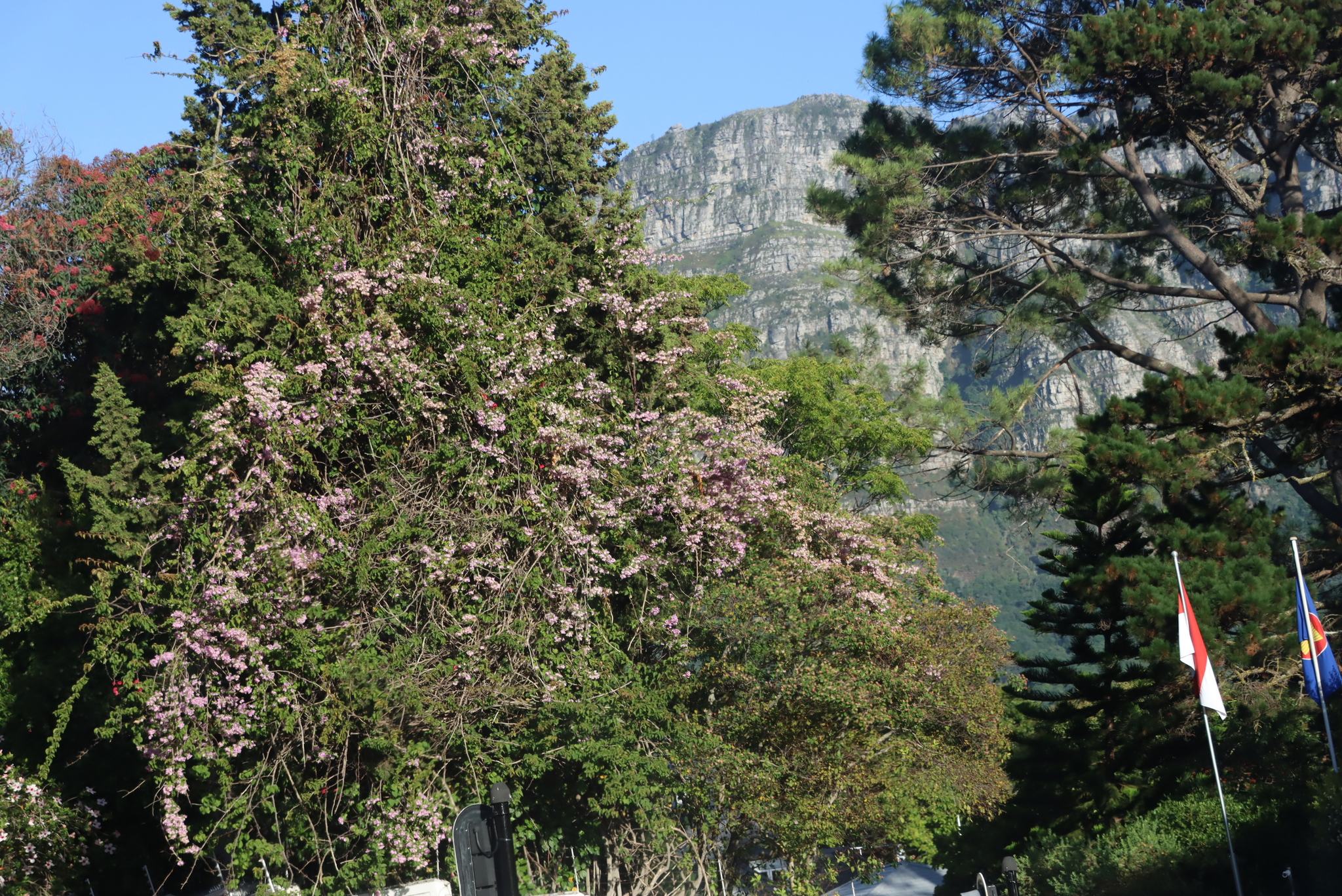
Pink Trumpet Vine
Podranea ricasoliana
☀️ Full Sun 💧 Moderate

Southern Catalpa
Catalpa bignonioides
☀️ Full Sun 💧 Moderate

White Cedar
Tabebuia heterophylla
☀️ Full Sun 💧 Moderate

Yellow Bells
Tecoma stans
☀️ Full Sun 💧 Low

Yellow Ipê
Handroanthus serratifolius
☀️ Full Sun 💧 Moderate
Common Questions
What plants belong to the Bignoniaceae family?
The Bignoniaceae family includes woody trees, climbing vines, and shrubs such as jacaranda, catalpa, trumpet vines, yellow bells, and China doll.
Are Bignoniaceae plants frost tolerant?
Most Bignoniaceae species are tropical and damaged below 0 °C (32 °F), though Northern catalpa (Catalpa speciosa) tolerates sub-zero winter freezes down to -30 °C (-22 °F).
How do you identify plants in the Bignoniaceae family?
Identify Bignoniaceae plants by their opposite leaves, tubular trumpet-shaped flowers, and long woody or leathery seed capsules containing winged seeds.