Shrub Identification, Care, and Growing Guides
404 plant profiles · Identify, prune, and grow 189 garden shrubs. Compare cold hardiness, soil needs, and pruning times for flowering, evergreen, and deciduous species.
Shrubs are perennial woody plants defined by multiple persistent stems branching from or near the ground, typically reaching mature heights under 6 m (20 ft). Unlike single-trunk trees, their multi-stemmed structure creates dense growth that functions as windbreaks, visual hedges, and wildlife shelter. The group encompasses deciduous bloomers, broadleaf evergreens, and sub-shrubs adapted to environments ranging from arid scrublands to temperate woodlands.
Choosing the right shrub depends primarily on winter minimum temperatures, sun exposure, and soil drainage. For drought-prone, sunny borders, sub-shrubs like Russian sage (Salvia yangii) and Mediterranean natives such as mastic (Pistacia lentiscus) survive on minimal irrigation once rooted. In temperate gardens, spring-flowering deciduous selections like weeping forsythia (Forsythia suspensa) and old-fashioned weigela (Weigela florida) require winter chilling hours and moist, well-draining loam to set flower buds on year-old wood.
Acidic soils and mild climates allow for southern-hemisphere specialists such as waratah (Telopea speciosissima) and manuka (Leptospermum scoparium), both of which require low-phosphorus soils and sharp drainage. For structural foliage and winter color, selections like heavenly bamboo (Nandina domestica) and Franchet's cotoneaster (Cotoneaster franchetii) adapt across wide pH ranges and produce long-lasting berries. Always match your pruning schedule to whether your chosen species sets its flower buds on new seasonal shoots or old wood.

Aaron’s Beard
Hypericum calycinum
☀️ Full Sun 💧 Moderate

Adam’s Needle
Yucca filamentosa
☀️ Full Sun 💧 Low
Alder Buckthorn
Frangula alnus
☀️ Partial Sun 💧 Moderate

Alexandrian Senna
Senna alexandrina
☀️ Full Sun 💧 Low

Allegheny Chinquapin
Castanea pumila
☀️ Full Sun 💧 Low

Alpine Currant
Ribes alpinum
☀️ Partial Shade 💧 Moderate
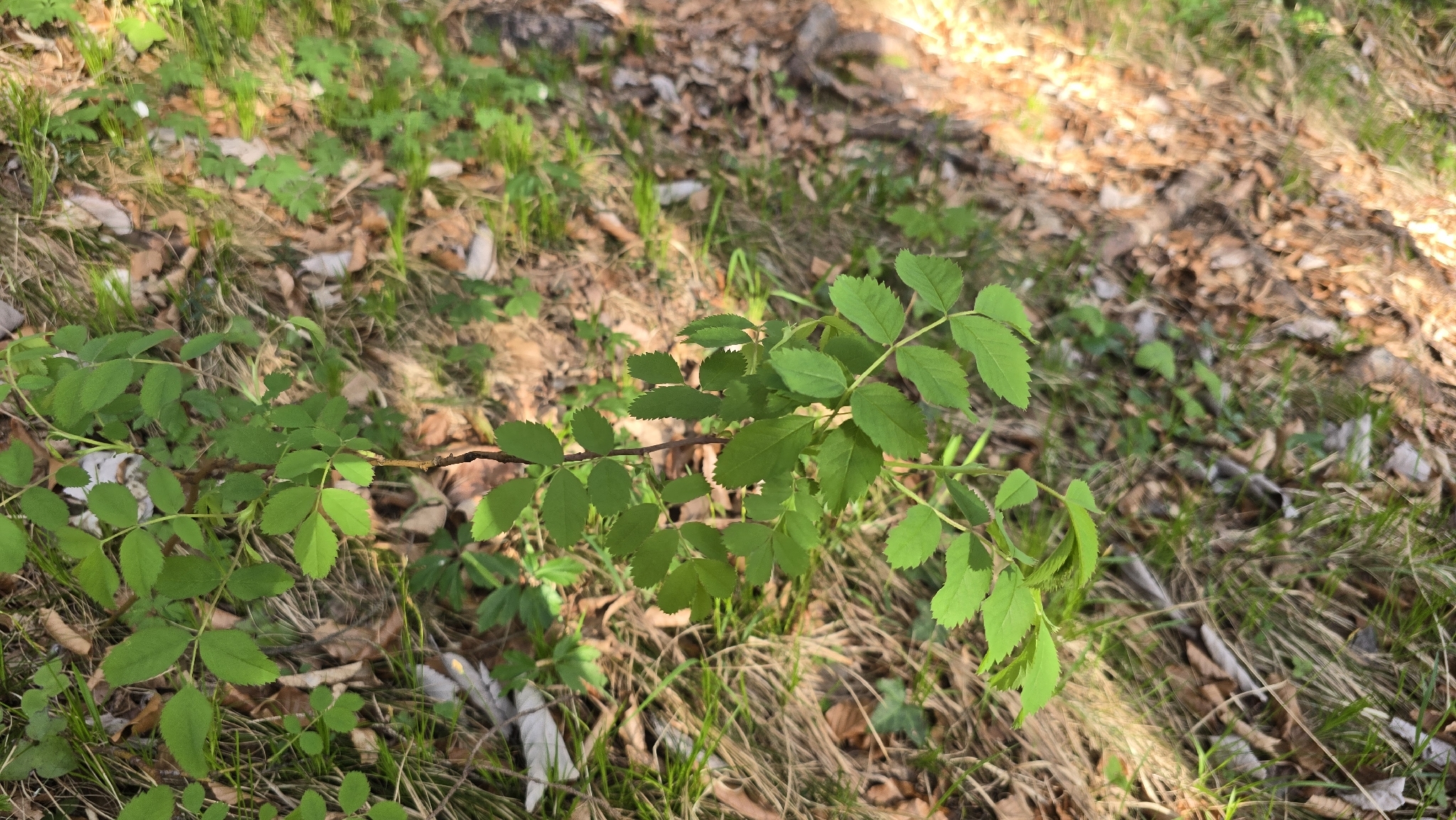
Alpine Rose
Rosa pendulina
☀️ Partial Sun 💧 Moderate

Amargo
Quassia amara
☀️ Partial Shade 💧 High

American Black Currant
Ribes americanum
☀️ Partial Sun 💧 Moderate
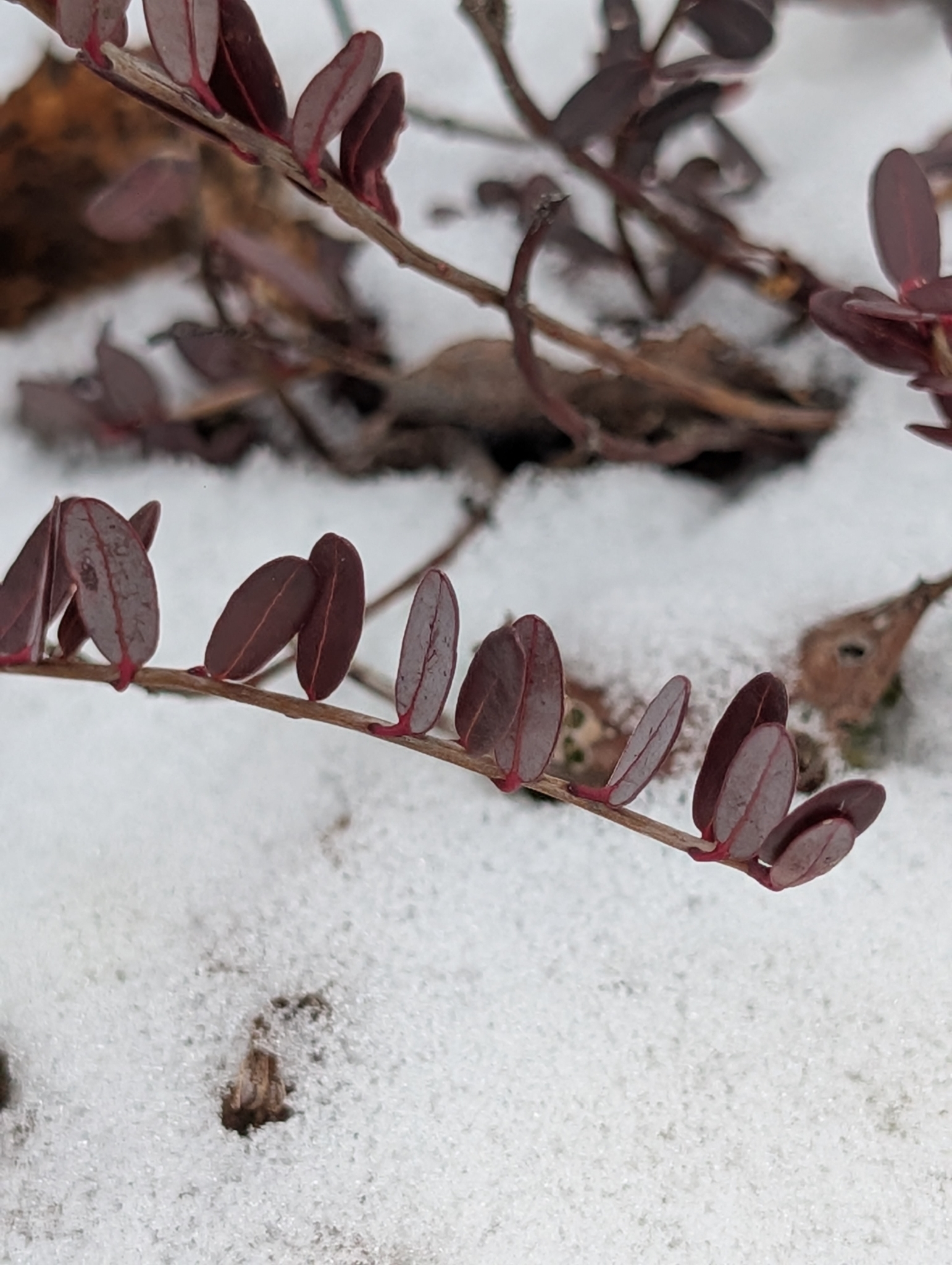
American Cranberry
Vaccinium macrocarpon
☀️ Full Sun 💧 High

American Elderberry
Sambucus canadensis
☀️ Full Sun 💧 High

American Hazelnut
Corylus americana
☀️ Full Sun 💧 Moderate
American Hop Tree
Ptelea trifoliata
☀️ Partial Shade 💧 Moderate

American Prickly-Ash
Zanthoxylum americanum
☀️ Partial Sun 💧 Moderate

American Witch Hazel
Hamamelis virginiana
☀️ Partial Shade 💧 Moderate

Anamu
Petiveria alliacea

Angel’s Trumpet
Brugmansia suaveolens
☀️ Full Sun 💧 High

Anil Indigo
Indigofera suffruticosa
☀️ Full Sun 💧 Moderate

Annatto
Bixa orellana
☀️ Full Sun 💧 Moderate

Apple of Sodom
Calotropis procera
☀️ Full Sun 💧 Low

Apple of Sodom
Solanum campylacanthum
☀️ Full Sun 💧 Low

Apple Rose
Rosa villosa
☀️ Full Sun 💧 Moderate

Arabian Jasmine
Jasminum sambac
☀️ Full Sun 💧 Moderate

Arabica Coffee
Coffea arabica
☀️ Bright Indirect 💧 Moderate
Common Questions
What is the difference between a shrub and a bush?
There is no botanical difference between a shrub and a bush; the two terms are used interchangeably in horticultural classification. Botanists and horticulturists use 'shrub' as the formal category for any woody perennial that branches from the ground without a dominant trunk, while 'bush' is simply a traditional common term.
When is the best time to prune flowering shrubs?
Prune spring-flowering shrubs immediately after their blooms fade, and prune summer-flowering shrubs in late winter before new growth emerges. Spring bloomers set their buds on old wood produced during the previous season, so cutting them in winter removes the upcoming blossoms, whereas summer bloomers develop flower buds on new spring stems.
How often do newly planted shrubs need watering?
Newly planted shrubs require deep watering two to three times per week for their first 8 to 12 weeks after planting. Apply roughly 15 to 20 L (4 to 5 gal) of water directly over the root ball each time, soaking the top 30 cm (12 in) of soil to stimulate root penetration into the surrounding earth.
What is the ideal soil pH for most garden shrubs?
Most garden shrubs thrive in soil with a pH between 6.0 and 7.0. Certain groups, including Australian natives and heathers, develop chlorosis if the pH rises above 5.5, while arid-zone Mediterranean shrubs perform best in neutral to slightly alkaline soil up to pH 7.8.