Plants for Full Sun
1,539 plant profiles · Explore plants that require at least six hours of direct sunlight daily, from desert cacti to temperate canopy trees, with soil and watering advice.
Full-sun plants require at least 6 hours of direct, unfiltered sunlight every day to fuel photosynthesis, maintain compact growth, and initiate flowering. Without this baseline exposure, stems stretch toward the light, foliage turns pale or spindly, and bloom production drops sharply. These species have evolved distinct physiological adaptations to manage heat and intense ultraviolet radiation, such as thick waxy cuticles, reflective silver hairs, aromatic essential oils, or modified water-storing tissues.
Selecting the right species depends primarily on your moisture regime and soil structure, because high light accelerates soil evaporation. Arid succulents like the pancake prickly pear (Opuntia chlorotica) and drought-tolerant herbs like Bible hyssop (Origanum syriacum) require sharply drained, mineral-rich soils and rot quickly in damp earth. In contrast, riparian trees like the balsam poplar (Populus balsamifera) demand full overhead light alongside sustained soil moisture around their roots.
Mature size and root depth also narrow your choices within this group. Canopy species such as the Himalayan horse-chestnut (Aesculus indica) and California live oak (Quercus agrifolia) cast dense shade once established and need deep subsoil access. For garden beds and borders, perennial bulbs like the pineapple lily (Eucomis comosa) and clumping grasses like citronella (Cymbopogon nardus) deliver architectural foliage and seasonal flowers without outgrowing confined plots.

Aaron’s Beard
Hypericum calycinum
☀️ Full Sun 💧 Moderate
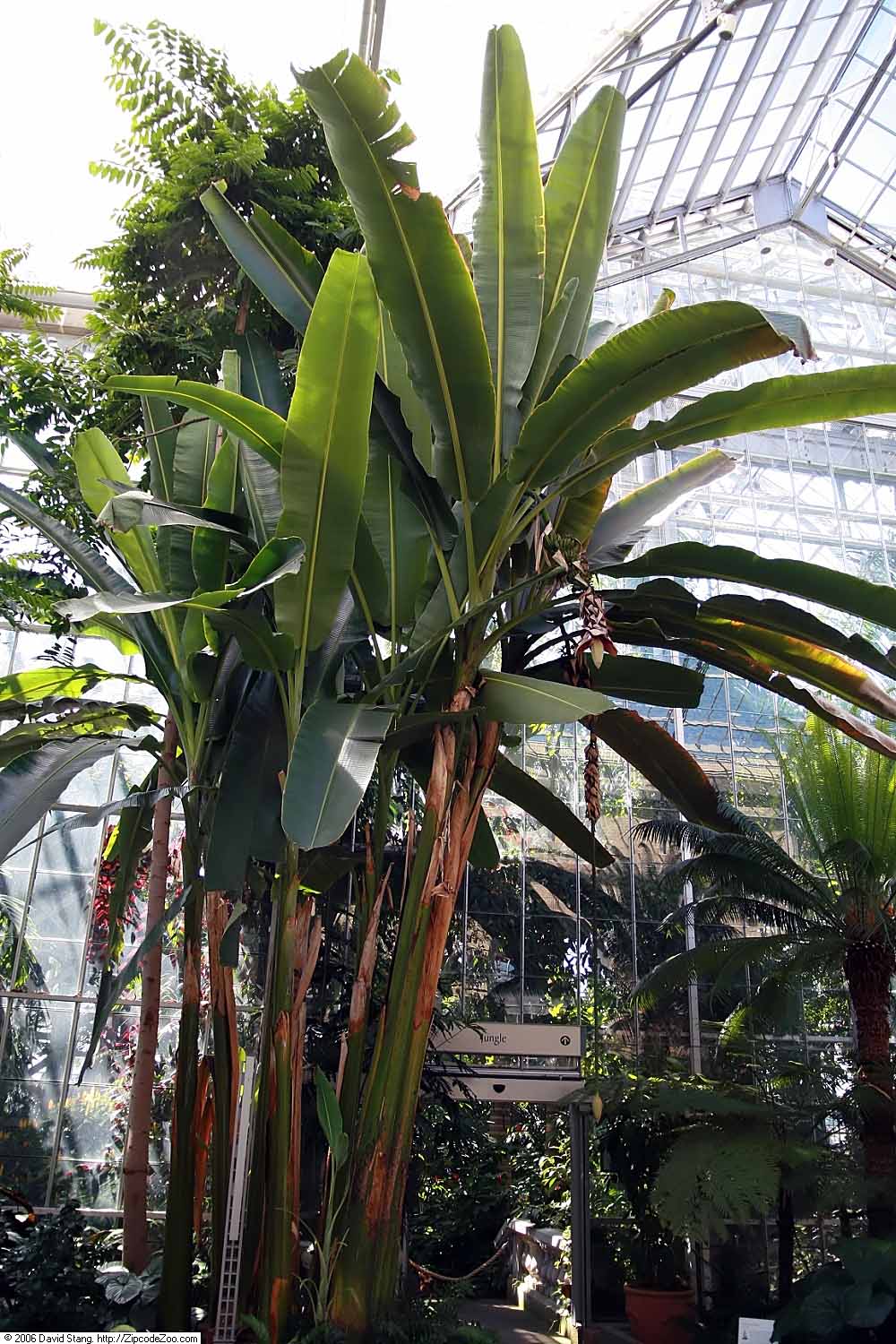
Abaca
Musa textilis
☀️ Full Sun 💧 High
Abiu
Pouteria caimito
☀️ Full Sun 💧 High

Abyssinian Banana
Ensete ventricosum
☀️ Full Sun 💧 High

Achacha
Garcinia humilis
☀️ Full Sun 💧 High

Adam’s Needle
Yucca filamentosa
☀️ Full Sun 💧 Low

Adzuki Bean
Vigna angularis
☀️ Full Sun 💧 Moderate
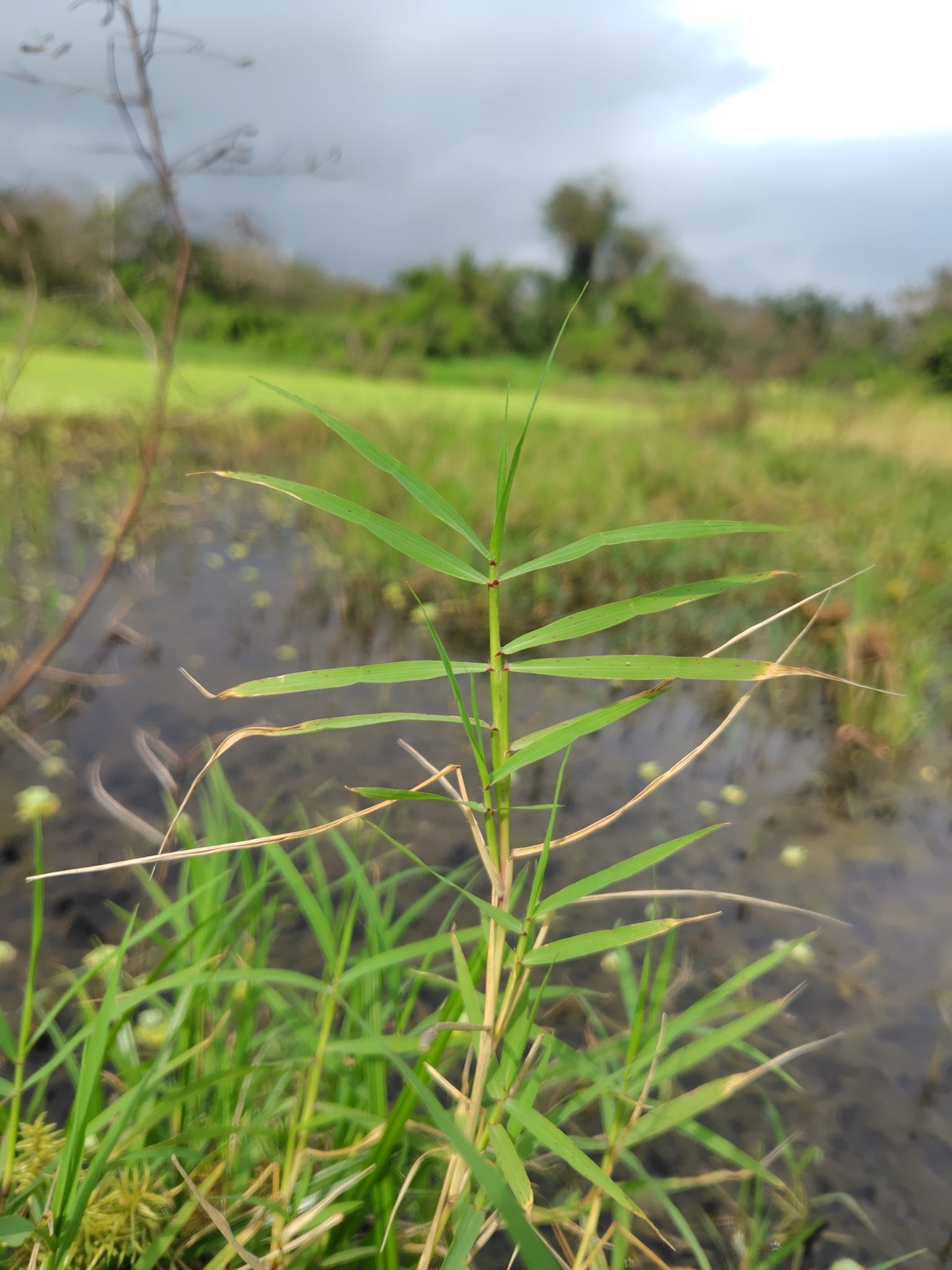
African Bermuda Grass
Cynodon nlemfuensis
☀️ Full Sun 💧 Moderate
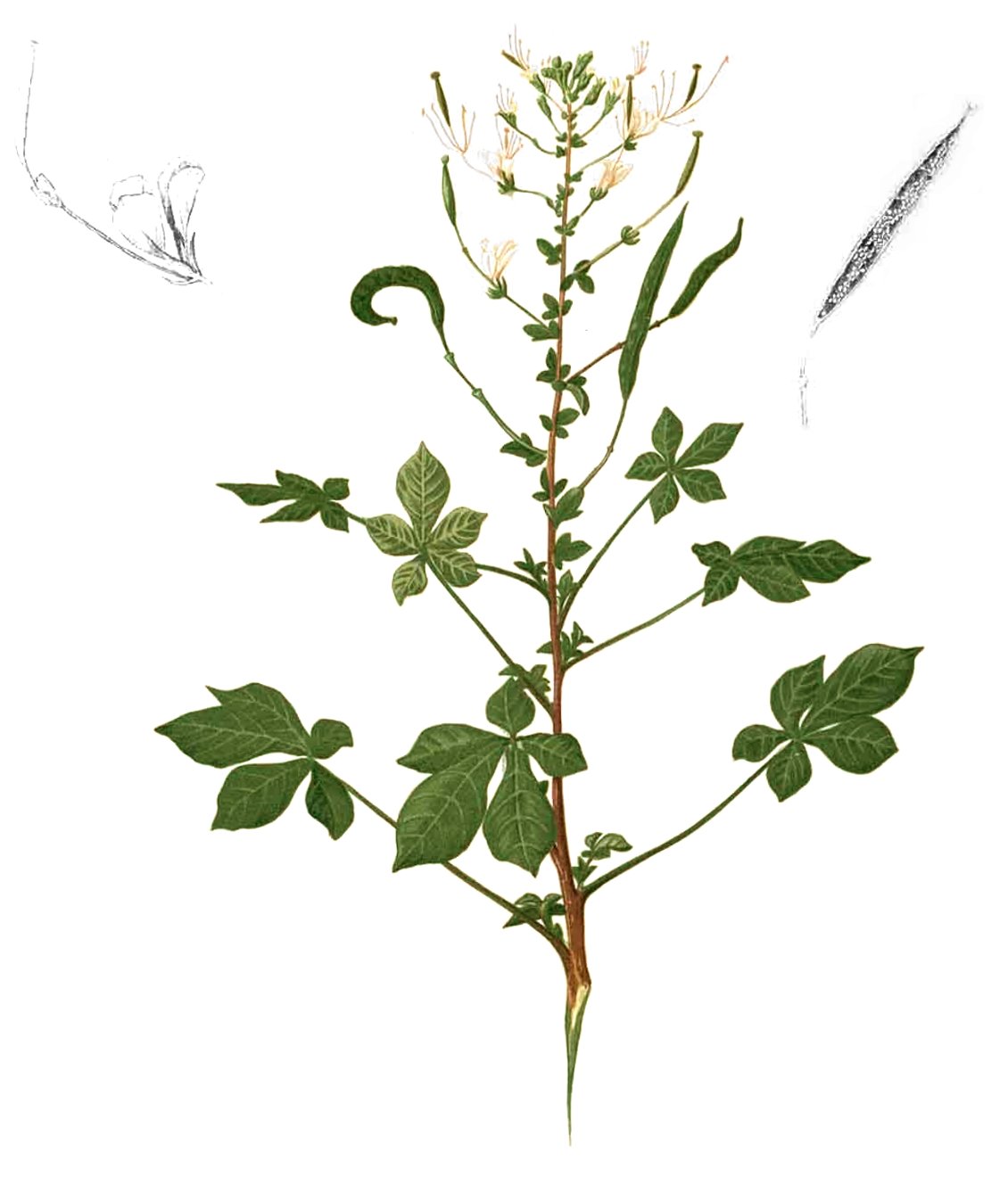
African Cabbage
Gynandropsis gynandra
☀️ Full Sun 💧 Moderate

African Cherry
Prunus africana
☀️ Full Sun 💧 Moderate

African Cornflag
Chasmanthe floribunda
☀️ Full Sun 💧 Moderate
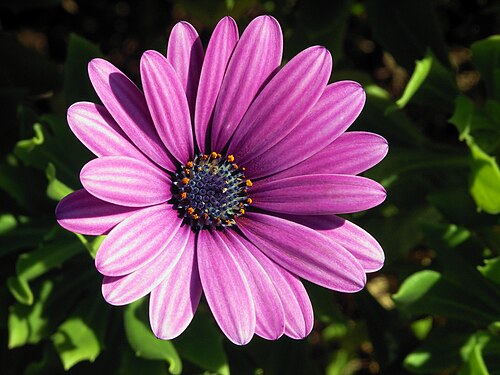
African Daisy
Dimorphotheca ecklonis
☀️ Full Sun 💧 Low

African Eggplant
Solanum aethiopicum
☀️ Full Sun 💧 Moderate

African Gladiolus
Gladiolus dalenii
☀️ Full Sun 💧 Moderate
African Lettuce
Launaea taraxacifolia
☀️ Full Sun 💧 Moderate

African Lily
Agapanthus africanus
☀️ Full Sun 💧 Moderate

African Marigold
Tagetes erecta
☀️ Full Sun 💧 Moderate
African Milk Tree
Euphorbia trigona
☀️ Full Sun 💧 Low

African Potato
Coleus esculentus
☀️ Full Sun 💧 Moderate
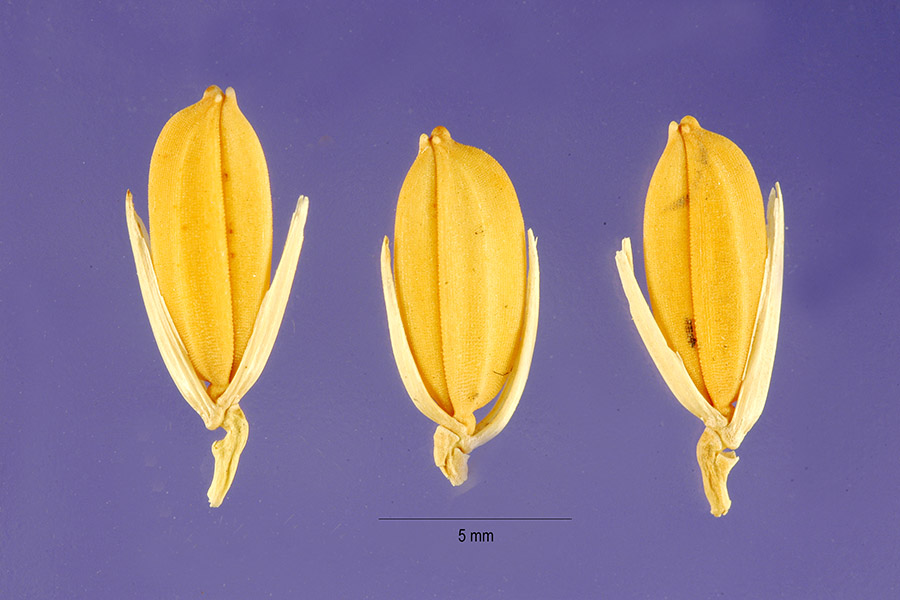
African Rice
Oryza glaberrima
☀️ Full Sun 💧 High

African Sumac
Searsia lancea
☀️ Full Sun 💧 Low

African Tulip Tree
Spathodea campanulata
☀️ Full Sun 💧 Moderate

Agati
Sesbania grandiflora
☀️ Full Sun 💧 High

Air Potato
Dioscorea bulbifera
☀️ Full Sun 💧 Moderate
Common Questions
How many hours of light count as full sun?
Full sun means at least 6 hours of direct, unfiltered sunlight hitting the leaves each day, though 8 hours or more is preferred for fruiting crops and desert succulents.
What happens if a full-sun plant gets partial shade?
A full-sun plant grown in partial shade develops etiolation, stretching with long, weak internodes, sparse flowering, and pale leaves that are more vulnerable to fungal disease and insect pests.
Can full-sun plants get sunburned?
Yes, full-sun plants can suffer leaf scorch if you move them outdoors abruptly from an indoor or greenhouse setting without a 7 to 10-day hardening-off period.
How often should you water plants in full sun?
Water full-sun plants whenever the top 5 to 7 cm (2 to 3 in) of soil dries completely, adjusting frequency based on whether the specific species prefers dry or evenly moist substrate.