
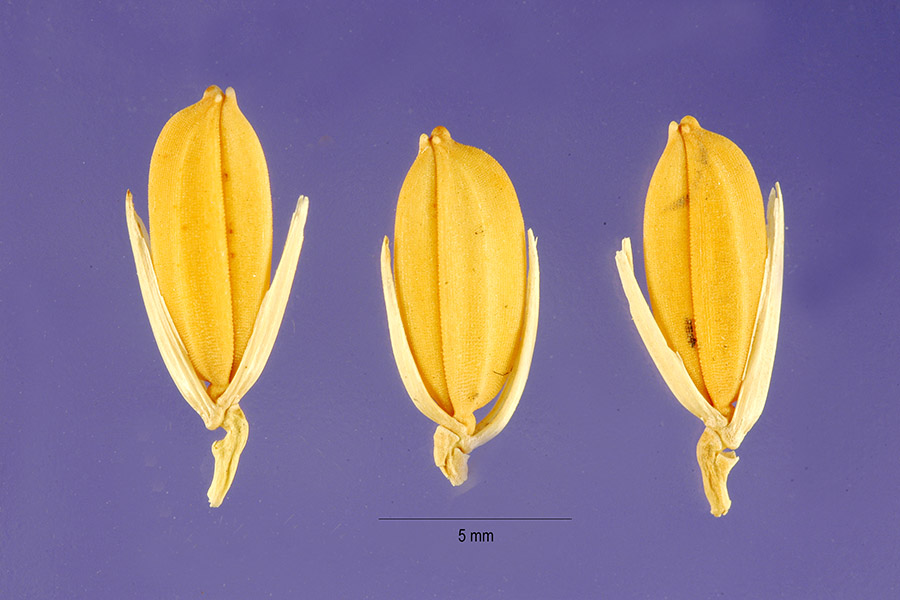
African rice (Oryza glaberrima) is one of only two domesticated rice species in the world, originating in the Upper Niger River delta over 3,000 years ago. It is distinguished from its Asian relative by its tougher husks, reddish bran, and a unique ability to thrive in stagnant or fluctuating water levels.
This crop is primarily grown in West African countries like Guinea, Mali, and Senegal where it serves as a reliable food source in challenging soils. While it yields less grain than Asian rice, it matures faster and resists many local pathogens that devastate other varieties.
Key Facts
- Type: Annual cereal grass
- Sunlight: Full sun, minimum 6 hours daily
- Water: High; prefers flooded or saturated soil
- Maturity: 90 to 120 days from sowing
- Height: 60 to 120 cm (2 to 4 ft)
Is African Rice Right for Your Garden?
African rice is best suited for warm, tropical or subtropical climates with high rainfall or access to irrigation. It is a specialist crop that requires consistent temperatures above 20 °C (68 °F) and a site that can remain saturated for several months. Because it is an annual grass, you must replant it every season from seed.
This species is an excellent choice for low-lying areas of a garden that suffer from poor drainage or seasonal flooding. Unlike many vegetables that rot in standing water, this plant utilizes specialized air channels in its roots to breathe. It is often grown by those interested in heritage grains or West African culinary traditions.
Identifying African Rice by Its Leaves and Grains
African rice grows as an upright grass reaching 60 to 120 cm (2 to 4 ft) in height with distinct botanical features. You can identify it by its ligules—the small membranes where the leaf meets the stem—which are short and rounded, usually measuring only 2 to 3 mm (0.08 to 0.12 in). This differs significantly from Asian rice (Oryza sativa), which has long, pointed ligules.
- Leaves: Flat, linear blades, 20 to 50 cm (8 to 20 in) long.
- Panicles: Upright or slightly drooping seed heads with fewer branches than Asian rice.
- Grains: Short, rounded seeds often featuring a reddish or brownish bran layer.
- Stems: Hollow, green culms that are more prone to breaking than modern hybrids.
Best Growing Conditions for Oryza glaberrima
The ideal environment for this crop provides full sun and high humidity throughout the growing season. It requires a minimum of 90 frost-free days with daytime temperatures consistently between 25 and 35 °C (77 and 95 °F). If temperatures drop below 15 °C (59 °F), grain production may fail entirely.
While it can grow in upland conditions with heavy rain, it performs best in lowland swamps or paddies. The soil should be rich in organic matter but can range from heavy clay to sandy loams. It is more tolerant of acidic soils and iron toxicity than many other cereal crops found in West Africa.
Sowing and Spacing African Rice Seeds
Sow seeds directly into moist soil at a depth of 2 to 3 cm (0.8 to 1.2 in) once the risk of frost has passed. You should space plants approximately 15 to 20 cm (6 to 8 in) apart to allow for tillering, which is the production of multiple side-shoots from the base. In traditional West African farming, seeds are often broadcast by hand in flooded fields.
- Soaking: Pre-soak seeds in water for 24 hours to speed up germination.
- Timing: Plant at the start of the rainy season or when irrigation is most available.
- Density: Aim for 60 to 100 kg of seed per hectare (54 to 89 lbs per acre).
Managing Water and Nutrients
Maintain a water depth of 5 to 10 cm (2 to 4 in) once the seedlings reach a height of 15 cm (6 ft). While African rice is drought-tolerant compared to other rice, consistent moisture is required during the flowering and grain-filling stages. If the soil dries out during these phases, the grains will be small and brittle.
Fertilization should be handled carefully to avoid “lodging,” where the plant falls over. Apply a nitrogen-rich organic fertilizer early in the growth cycle, but reduce feeding as the seed heads begin to form. Over-fertilizing with nitrogen causes the stems to grow too tall and weak to support the weight of the grain.
When and How to Harvest African Rice
Harvest the crop when approximately 80% of the grains have turned straw-colored or brown. African rice is notorious for “shattering,” a process where mature grains fall off the plant at the slightest touch. To prevent crop loss, you must harvest slightly earlier than you would for Asian rice varieties.
Use a sharp sickle to cut the stalks about 10 cm (4 in) above the ground. Bundle the stalks and allow them to dry in a shaded, well-ventilated area for 3 to 5 days. Once dry, the grains are removed through threshing, which involves beating the bundles against a hard surface to release the seeds from the panicles.
Traditional Uses and Cooking Methods
African rice is traditionally used in Jollof rice, rice balls, and fermented porridges across West Africa. The grain has a distinct nutty flavor and a firmer texture than white Asian rice. Because the bran is often red, it provides a different nutritional profile, containing higher levels of certain antioxidants.
- Cooking: Requires a longer soaking time or a higher water-to-grain ratio than white rice.
- Rice Balls: Often mashed into “tuwo” or similar starch balls to accompany stews.
- Bread: Flour made from the grains is used to bake traditional flatbreads.
- Beverages: In some regions, the grain is toasted and brewed into a tea-like drink.
Common African Rice Growing Problems
The most frequent issue with this species is lodging, where the stems collapse before harvest. This is often caused by excessive nitrogen or high winds. To minimize this, ensure plants are spaced correctly and avoid over-watering during the final weeks of grain maturation. Shattering is the second major problem, leading to significant yield loss if the harvest is delayed.
Pests like the African rice gall midge and various stem borers can target the crop. However, African rice is naturally more resistant to the Rice Yellow Mottle Virus (RYMV) than Asian rice. Birds are a constant threat during the ripening stage; using netting or reflective tape is often necessary to protect the maturing panicles.
Drying and Storage for Long-Term Use
Dry the harvested grain until the moisture content reaches 12% to 14% for safe long-term storage. If the rice is too moist, it will develop mold or attract weevils; if it is too dry, the grains will crack during the milling process. You can test the dryness by biting a grain; it should snap cleanly rather than crumbling.
Store the dried, unhulled rice (paddy) in airtight containers or thick plastic bags to exclude pests. Keep the containers in a cool, dark place away from rodents. Under these conditions, the rice can remain viable for consumption for up to one year without significant loss in quality or flavor.
Managing African Rice Through the Year
| Spring | Prepare the soil by incorporating organic matter. Sow seeds once soil temperatures reach 20 °C (68 °F) and ensure consistent moisture for germination. |
|---|---|
| Summer | Maintain water levels in paddies. Monitor for stem borers and apply organic pest controls if needed. Ensure the crop receives full sun. |
| Autumn | Harvest grains as they turn straw-colored to prevent shattering. Dry the stalks in a shaded area and thresh to collect the seeds. |
| Winter | Store dried grains in airtight containers. In tropical zones, clear the field of debris to reduce pest overwintering sites for the next season. |
Common African Rice Problems and Solutions
| What you see | Likely cause | What to do |
|---|---|---|
| Grains falling off before harvest | Natural shattering | Harvest earlier when 80% of the panicle is straw-colored. |
| Stems falling over (lodging) | Excessive nitrogen or wind | Reduce fertilizer application and use windbreaks. |
| Empty grain husks | Cold stress during flowering | Ensure temperatures remain above 20 °C (68 °F) during the bloom phase. |
| Yellowing leaves with stunted growth | Nitrogen deficiency | Apply a balanced organic liquid fertilizer to the base of the plants. |
Popular African Rice Cultivars and Hybrids
- ‘NERICA’ – A hybrid cross between African and Asian rice for higher yields.
- ‘CG 14’ – A common landrace used in breeding for its drought tolerance.
- ‘TOG 5681’ – Known for high resistance to the Rice Yellow Mottle Virus.
Frequently Asked Questions
What is the difference between African rice and Asian rice?
African rice (Oryza glaberrima) has shorter, rounded ligules and red-tinted bran, whereas Asian rice (Oryza sativa) has long, pointed ligules and typically white or translucent grains.
Is African rice harder to cook than white rice?
Yes, it often requires a longer soaking period and more water because the grains are firmer and the bran layer is tougher.
Can I grow African rice in a container?
You can grow it in large, non-draining containers to simulate a paddy environment, provided you keep the soil saturated and the temperature high.
Why is it called red rice?
The name comes from the reddish-brown color of the bran layer that remains on the grain unless it is heavily polished.
Does African rice need to be flooded?
While it can grow in moist upland soil, it produces much better yields and faces fewer weed problems when grown in 5 to 10 cm (2 to 4 in) of standing water.
Sources & Verification
Taxonomy and distribution are checked against the databases below. Care guidance is written for cultivated species only and reviewed by our editor. How We Build Plant Profiles →
