Non-Toxic Plants for Homes and Gardens
1,423 plant profiles · Discover non-toxic plants safe for pets, children, and livestock. Compare growing conditions, physical traits, and safe indoor and outdoor species.
Non-toxic plants contain no systemic chemical poisons, dangerous alkaloids, or insoluble calcium oxalate crystals that damage kidneys, heart tissue, or mouth linings. While consuming large volumes of any raw plant material may still trigger minor mechanical stomach upset in curious pets, these documented species pose zero risk of lethal chemical poisoning. They allow you to landscape yards and furnish rooms without fear of accidental poisoning incidents involving cats, dogs, livestock, or toddlers.
Chemical safety does not rule out mechanical hazards, which means you must evaluate plant structure alongside toxicity. Succulents like pancake prickly pear (Opuntia chlorotica) and red crown cactus (Rebutia minuscula) carry no toxic sap, yet their sharp spines and glochids can embed painfully in paws and skin. In contrast, soft foliage species like the woodland beech fern (Phegopteris connectilis) and wetland-tolerant bladder sedge (Carex vesicaria) provide soft textures that are both chemically and physically harmless in high-traffic family zones.
Select your non-toxic species by matching light, soil, and scale to your space. Kitchen window sills and sunny borders suit culinary perennials like bible hyssop (Origanum syriacum), which yields aromatic, food-safe leaves. For landscape hedging, woody options range from drought-hardy winterfat (Krascheninnikovia lanata) in arid regions to the evergreen lilly pilly (Syzygium smithii), which thrives in frost-free zones and produces benign, edible berry crops.
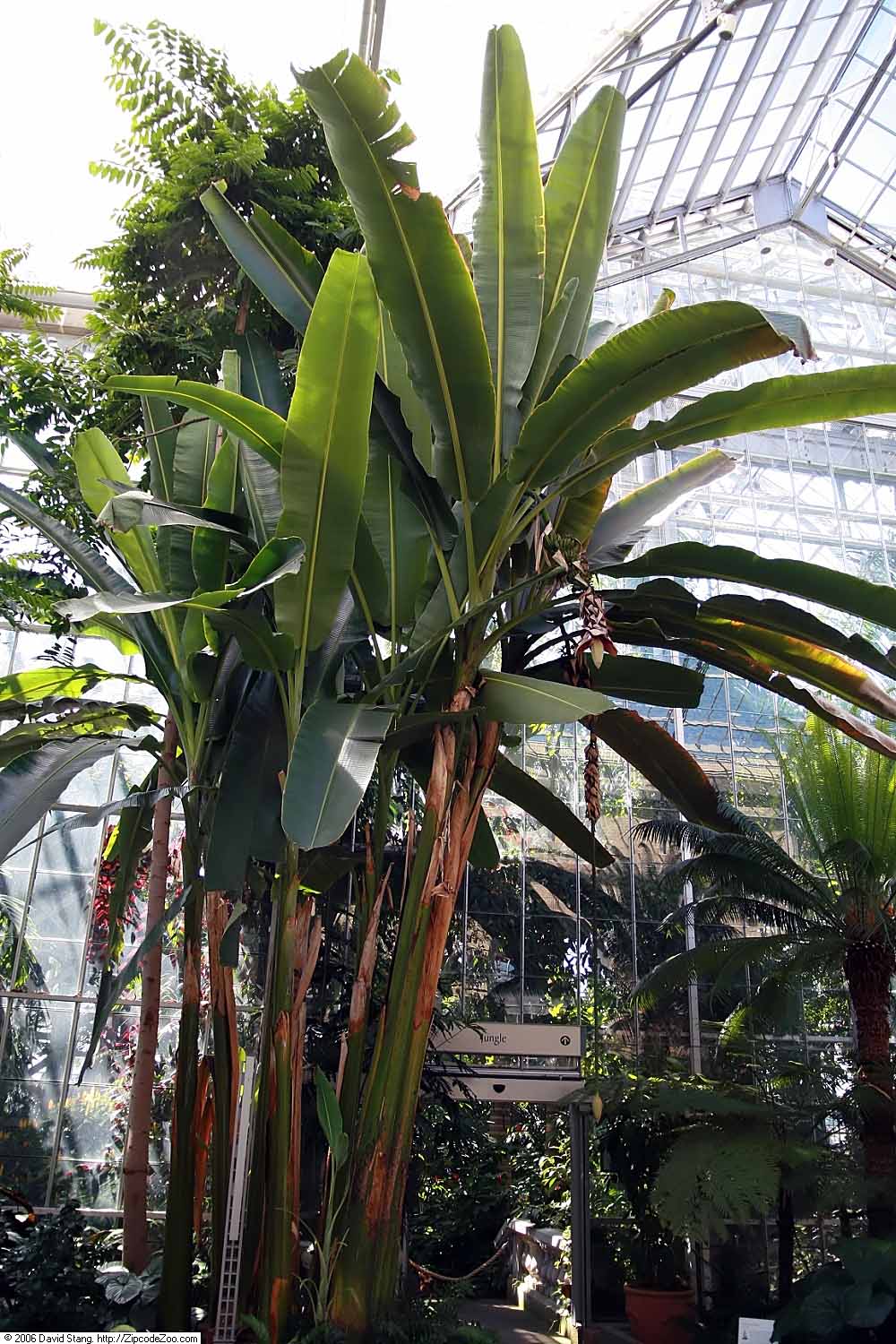
Abaca
Musa textilis
☀️ Full Sun 💧 High
Abiu
Pouteria caimito
☀️ Full Sun 💧 High

Abyssinian Banana
Ensete ventricosum
☀️ Full Sun 💧 High

Achacha
Garcinia humilis
☀️ Full Sun 💧 High

Adzuki Bean
Vigna angularis
☀️ Full Sun 💧 Moderate
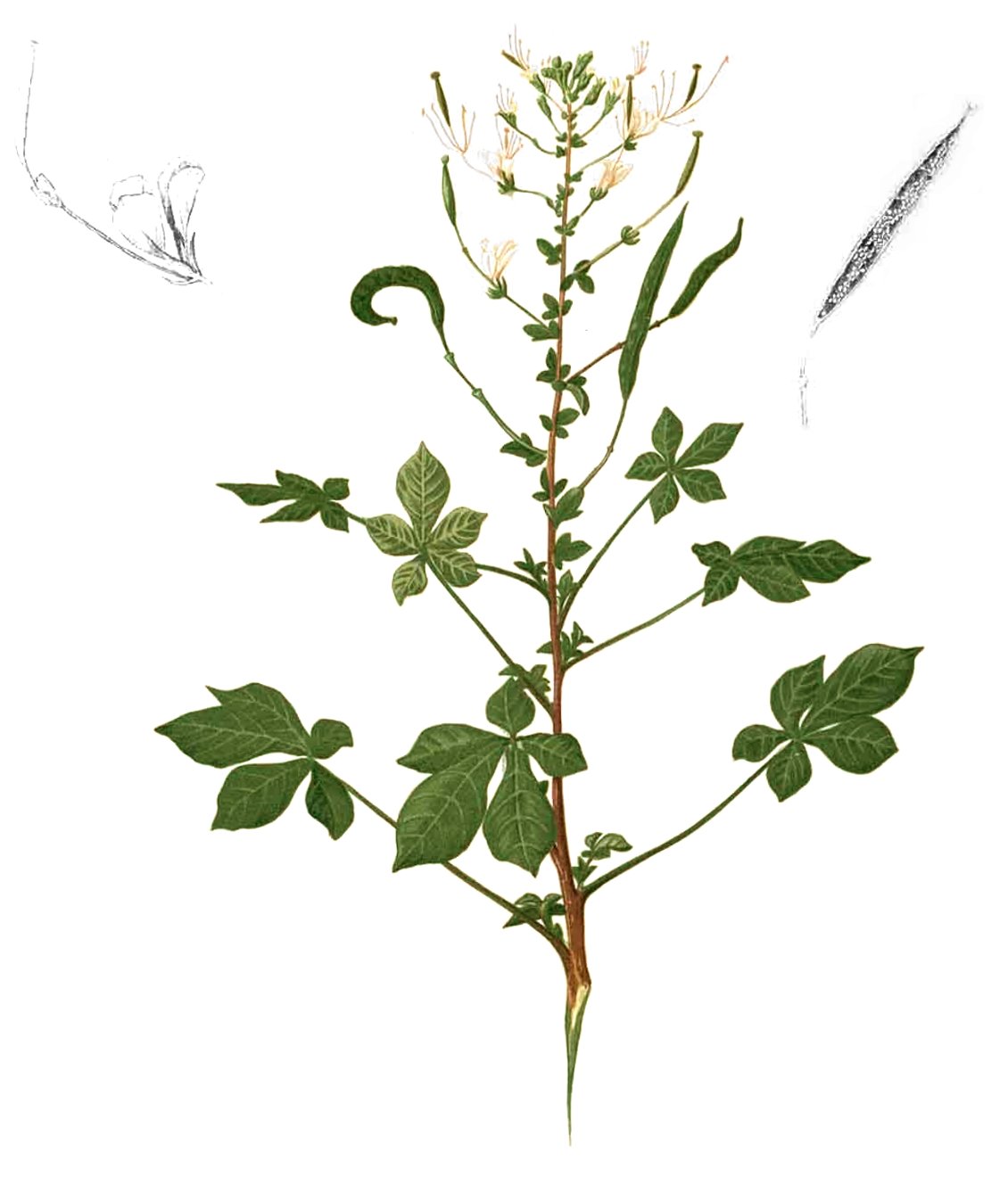
African Cabbage
Gynandropsis gynandra
☀️ Full Sun 💧 Moderate
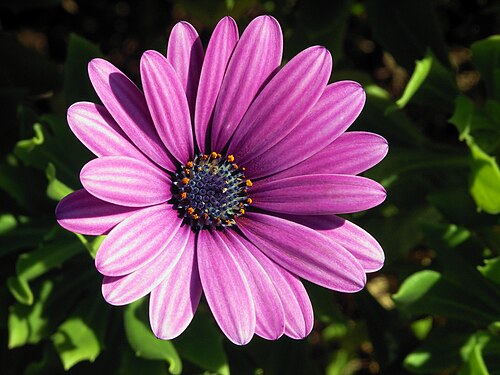
African Daisy
Dimorphotheca ecklonis
☀️ Full Sun 💧 Low

African Honeysuckle
Halleria lucida
☀️ Partial Sun 💧 Moderate
African Lettuce
Launaea taraxacifolia
☀️ Full Sun 💧 Moderate

African Potato
Coleus esculentus
☀️ Full Sun 💧 Moderate
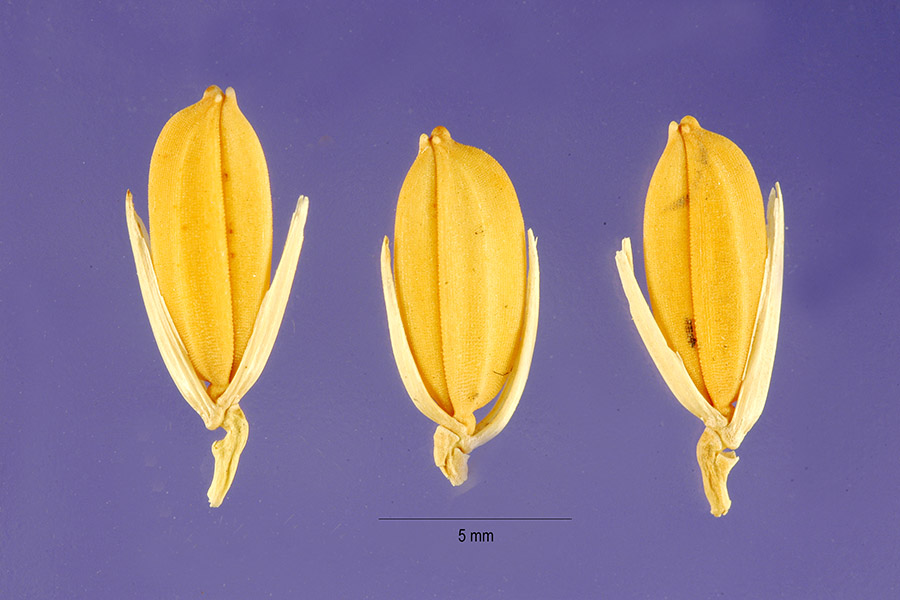
African Rice
Oryza glaberrima
☀️ Full Sun 💧 High

African Sumac
Searsia lancea
☀️ Full Sun 💧 Low

African Tulip Tree
Spathodea campanulata
☀️ Full Sun 💧 Moderate

African Violet
Streptocarpus ionanthus
☀️ Bright Indirect 💧 Moderate

Agati
Sesbania grandiflora
☀️ Full Sun 💧 High

Air Plant
Tillandsia ionantha
☀️ Bright Indirect 💧 Low

Aizoon Stonecrop
Phedimus aizoon
☀️ Full Sun 💧 Low
Ajwain
Trachyspermum ammi
☀️ Full Sun 💧 Moderate
Albany Pitcher Plant
Cephalotus follicularis
☀️ Bright Indirect 💧 High
Aleppo Pine
Pinus halepensis
☀️ Full Sun 💧 Low
Alexandra Palm
Archontophoenix alexandrae
☀️ Full Sun 💧 High

Alfalfa
Medicago sativa
☀️ Full Sun 💧 Low
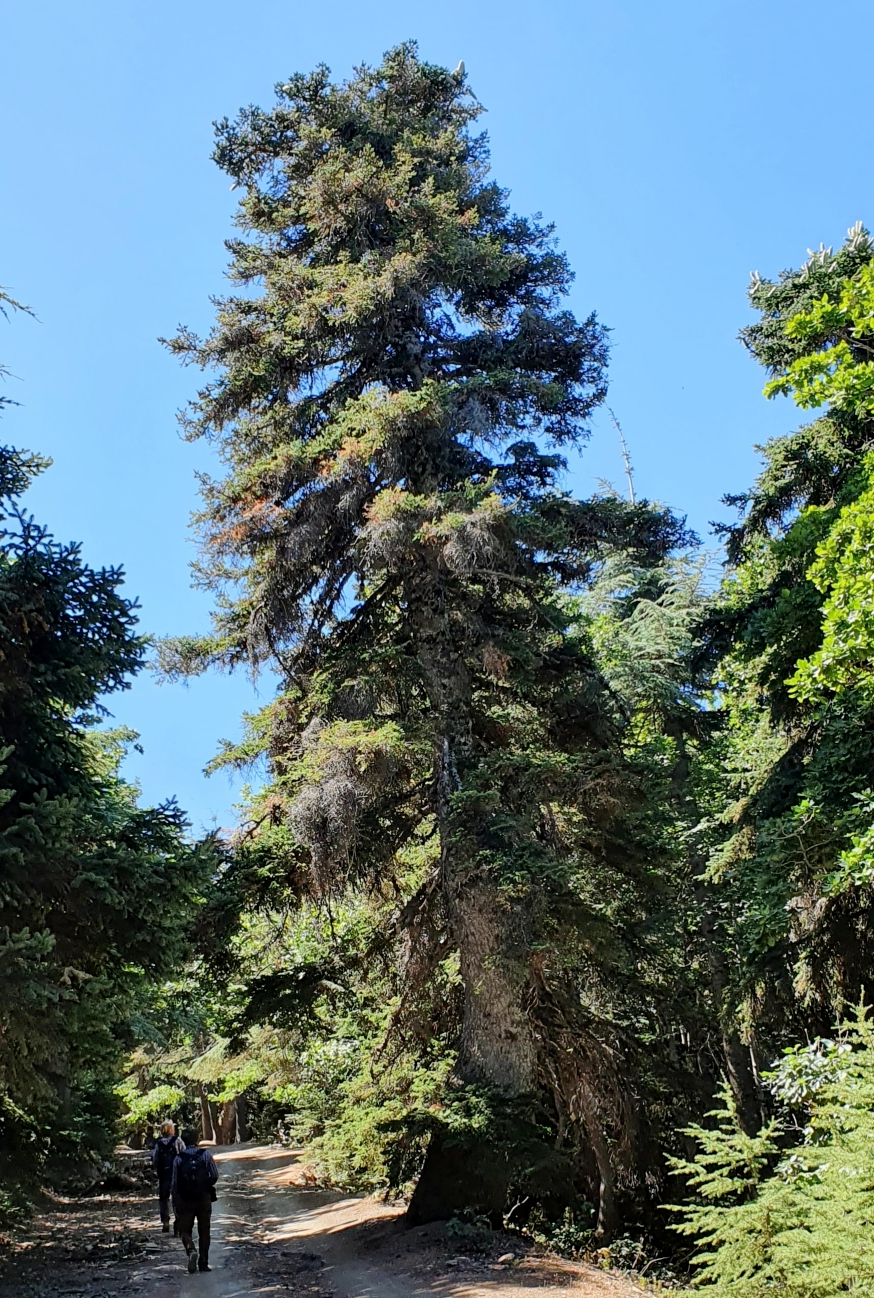
Algerian Fir
Abies numidica
☀️ Full Sun 💧 Moderate

Algerian Oak
Quercus canariensis
☀️ Full Sun 💧 Moderate
Common Questions
Does non-toxic mean a plant is completely safe for pets to eat?
Non-toxic means the plant lacks poisonous chemical compounds, but eating large quantities of leaves or stems can still cause mild vomiting or diarrhea due to indigestible plant cellulose.
Can a non-toxic plant still cause physical harm?
Yes, non-toxic plants can cause mechanical injury if they possess sharp thorns, stiff prickles, or irritating hairs, which can puncture skin or damage an animal's mouth.
Are the berries on all non-toxic plants edible for humans?
No, non-toxic does not always mean palatable or culinary-grade, though species like lilly pilly (Syzygium smithii) produce safe, edible fruit that is routinely made into jams.
What makes a plant scientifically classified as non-toxic?
A plant is classified as non-toxic when it contains no known toxins, such as cardiac glycosides, saponins, cyanogenic compounds, or insoluble oxalates that induce organ damage or systemic illness.