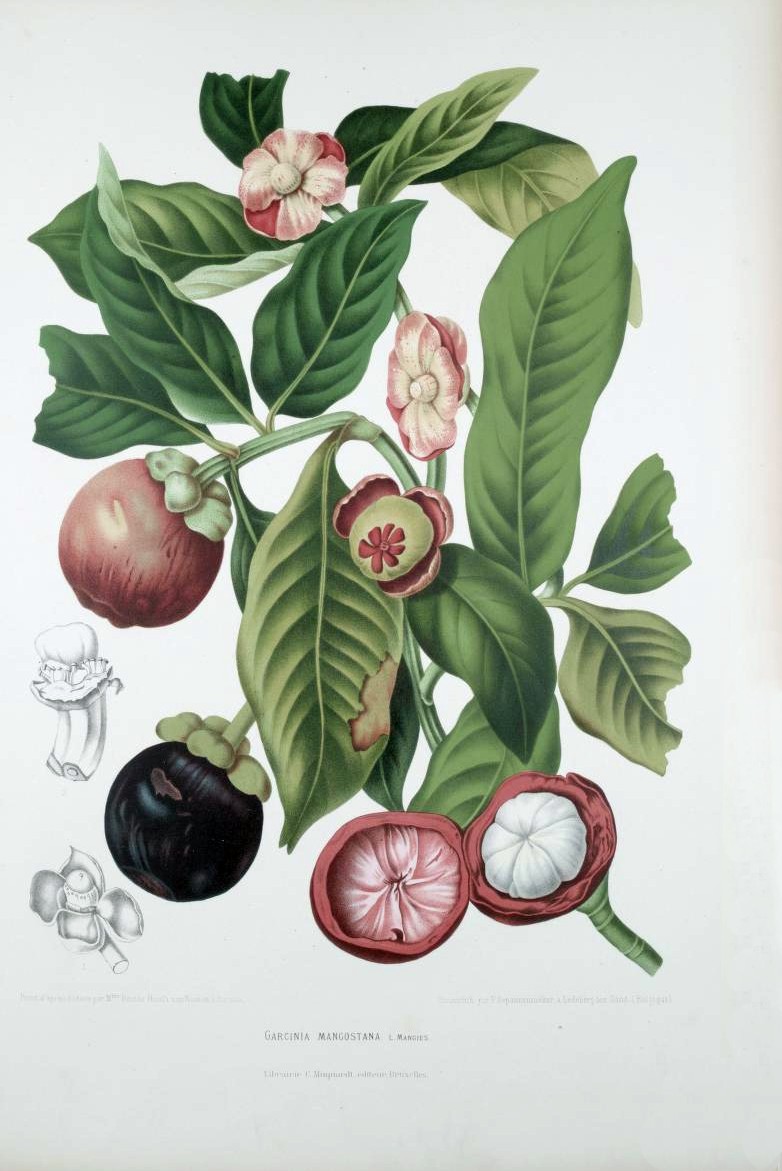
Achacha (Garcinia humilis) is a small to medium evergreen fruit tree native to the eastern Caribbean and South America, recognized by its thick orange rind and white, melon-like aril. A relative of the mangosteen (Garcinia mangostana), it produces oval berries with a balanced sugar-to-acid ratio.
Trees take 6 to 8 years to bear fruit from seed and require humid subtropical to tropical conditions free from frost. Growth stalls entirely below 15 °C (59 °F).
Key Facts
- Soil: Moist, fertile, well-draining loam with a pH of 5.5 to 6.5
- Sunlight: Partial shade for saplings; full sun once established
- Water: Keep consistently moist; do not allow roots to dry out
- Maturity: First fruit produced in 6 to 8 years from seed
- Hardiness: USDA Zones 10 to 12; damaged at 0 °C (32 °F)
Growing Achacha at Home
Achacha requires frost-free tropical or warm subtropical warmth and consistent soil moisture throughout the calendar year. It suits growers in USDA zones 10 and 11 who have space for a pyramidal tree reaching 5 to 10 m (16 to 33 ft) tall.
Saplings demand shaded shelter from desiccating wind during their first three seasons. Once established in deep, organic soil, the trees adapt to open orchard rows and begin seasonal flower cycles without requiring cross-pollinators.
How to Identify the Achacha Plant and Fruit
The tree forms a dense, compact canopy of opposite, leathery, elliptic leaves measuring 10 to 20 cm (4 to 8 in) in length. New foliage emerges with a copper-red flush before maturing into a dark, glossy green.
Flowers emerge on branch wood in clusters of cream to white petals that measure roughly 10 mm (0.4 in) across. The developing fruit has distinctive physical markers:
- Fruit shape: Oval to egg-shaped berry, 4 to 6 cm (1.6 to 2.4 in) long
- Rind: Thick, leathery, smooth skin turning from dark green to bright yellow-orange
- Flesh: Crisp, translucent white aril divided into segments clinging to seed
- Seed: One to two large, oblong, coffee-coloured seeds per fruit
- Sap: Yellow latex exudes from cut branches and unripe skin
Climate, Soil, and Sun Requirements
Achacha performs best in an open position receiving 6 to 8 hours of direct sun, provided young trees receive 30% to 50% shade cloth during establishment. Sustained temperatures between 24 and 32 °C (75 and 90 °F) provide ideal rates of vegetative growth.
The root system requires deep, porous ground enriched with composted organic matter. Heavy clay with poor percolation leads directly to root decay, while thin alkaline limestone soils cause severe iron and manganese chlorosis unless treated with chelated trace elements.
Germinating Garcinia humilis Seeds
Sow fresh seeds within two weeks of fruit extraction because they are recalcitrant and lose viability quickly if dried. Clean all pulpy residue off the seed coat before planting to stop fungal pathogens.
Planting steps for reliable seedling emergence:
- Press seeds horizontally 2 cm (0.8 in) deep into a porous, seed-raising mix
- Maintain bottom heat between 26 and 30 °C (79 and 86 °F)
- Keep the potting medium continuously damp but never waterlogged
- Provide filtered light; germination occurs within 30 to 60 days
- Pot seedlings into deep 5-litre containers once taproots reach 10 cm (4 in)
Care and Irrigation for Garcinia humilis
Apply 30 to 50 litres of water weekly per mature tree during dry spells to maintain consistent floral set and prevent fruit split. Reduce application frequency during prolonged wet seasons to prevent waterlogging around the crown.
Feed trees three times per year in early spring, midsummer, and autumn. Apply a balanced organic fertilizer with an NPK ratio near 8-3-10, supplemented with monthly foliar applications of zinc, iron, and magnesium to prevent leaf yellowing on neutral soils.
When and How to Harvest Achacha Fruit
Harvest fruit only when the skin turns completely uniform orange with no green shoulders. Unlike avocados or bananas, Achacha does not ripen further once severed from the branch.
Clip the pedicel with clean shears rather than pulling, which can tear the skin and invite fungal decay. Expect yields of 200 to 500 fruits per mature tree each season, beginning in late summer through mid-autumn.
Achacha Taste, Culinary Uses, and Traditional Benefits
Achacha fruit flesh delivers a sweet-tart flavour balancing high sugar with citric acidity, evoking passion fruit (Passiflora edulis) mixed with rambutan (Nephelium lappaceum). The white pulp is consumed fresh by piercing the leathery shell with a thumbnail and squeezing the base to pop out the aril.
In eastern Bolivia, the thick rinds are traditionally steeped in cold water with honey to create a refreshing beverage. The fruit skin contains high concentrations of hydroxycitric acid and xanthones, and rind decoctions were traditionally applied to skin abrasions and consumed to soothe mild digestive upset.
Common Achacha Tree Problems and Pests
Treat leaf and fruit damage promptly by monitoring your tree for scale insects, fruit flies, and leaf scorch. Young foliage is particularly vulnerable to dry, cold wind.
- Fruit spotting: Caused by fruit fly stings; install pheromone exclusion traps before veraison
- Yellowing between leaf veins: Nutrient deficiency; apply foliar chelated iron and zinc
- Leaf tip burn: High water salinity or wind dehydration; provide windbreaks and flush soil
- Sooty mould: Secondary symptom of scale infestation; spray with horticultural white oil
How to Store and Preserve Fresh Achacha
Store intact fruits at room temperature around 18 to 22 °C (64 to 72 °F) for up to 4 weeks. The thick, firm rind acts as a natural protective case that prevents moisture loss and slows pulp breakdown.
Avoid keeping whole achacha fruits inside standard domestic refrigerators set to 4 °C (39 °F), as cold conditions induce chilling injury, turning the rind brown and causing the pulp to turn dry and grey. Extracted pulp and deseeded arils can be frozen in airtight glass jars for up to 12 months for use in sorbets and drinks.
Year-Round Care for Achacha Trees
| Spring | Spread 5 cm (2 in) of aged compost over the drip line, apply balanced citrus fertilizer, and irrigate as flowers begin to form. |
|---|---|
| Summer | Maintain soil moisture with 30 litres per tree weekly during dry spells, protect young saplings with shade cloth, and set fruit fly traps. |
| Autumn | Harvest fully orange fruit using hand shears, apply an autumn potassium booster, and inspect branch junctions for soft scale. |
| Winter | Cease fertilization, reduce watering by half, and erect protective fleece barriers if night temperatures threaten to drop below 5 °C (41 °F). |
Achacha Tree Problems and Fruit Diagnosis
| What you see | Likely cause | What to do |
|---|---|---|
| Fruit skins remain green and fail to sweeten | Fruit picked before ripening on the tree | Leave developing fruit on branches until skins change to solid orange with zero green patches. |
| Young leaves scorch, brown, and curl along edges | Dry wind or excessive solar irradiance on young foliage | Install 40% shade netting and plant windbreak shrubs on the windward side of saplings. |
| Brown patches on stored fruit rind with flavour loss | Chilling injury from cold refrigerator storage | Store whole fruits in an open bowl at room temperature between 18 and 22 °C (64 and 72 °F). |
| Yellow leaves with prominent dark green veins | Iron deficiency in high-pH or compacted soil | Apply chelated iron drench around the root zone and aerate soil surface with organic mulch. |
Frequently Asked Questions
Is Garcinia humilis self fertile?
Yes, Garcinia humilis is self-fertile, meaning a single isolated tree will reliably set fruit without requiring cross-pollination from another specimen.
What does achacha fruit taste like?
Achacha has a refreshing sweet and tangy taste, combining high acidity with natural sugars. The flavour is comparable to a mix of mangosteen and passionfruit.
How long does it take for an achacha tree to bear fruit?
Seed-grown achacha trees typically produce their first fruit harvest within 6 to 8 years. Grafted trees can produce fruit within 3 to 4 years.
Can you eat the skin of an achacha?
No, the rind is too leathery and fibrous to eat raw, but it is traditionally soaked in water to prepare a tea-like beverage.
Can achacha tolerate frost?
No, achacha is an equatorial and sub-tropical tree that suffers severe branch dieback and foliage loss when exposed to temperatures below 0 °C (32 °F).
Information about traditional or historical uses is provided for educational interest only and is not medical advice. Do not use any plant to treat a condition without speaking to a qualified professional.
Sources & Verification
Taxonomy and distribution are checked against the databases below. Care guidance is written for cultivated species only and reviewed by our editor. How We Build Plant Profiles →