Traditional Medicinal Plants and Herbs
891 plant profiles · Explore over 500 plants with documented ethnobotanical uses, from culinary aromatics to woodland remedies, with growing requirements and risks.
Plants with documented traditional medicinal histories span every climate zone, encompassing over 540 documented species in our encyclopedia alone. These taxa were historically harvested by indigenous and regional cultures for poultices, infusions, washes, and salves. Aromatic perennial herbs like bible hyssop (Origanum syriacum) and citronella (Cymbopogon nardus) yield volatile essential oils used historically for respiratory or topical applications, while woody canopy trees such as balsam poplar (Populus balsamifera) produce resinous spring buds historically gathered for topical balms.
Choosing plants from this group depends primarily on your garden's moisture levels and winter temperatures. Arid-adapted shrubs such as winterfat (Krascheninnikovia lanata) and chamisa (Ericameria nauseosa) thrive in lean, alkaline soils down to -34 °C (-30 °F), whereas tropical specimens like Chinese agarwood (Aquilaria sinensis) require frost-free conditions and high relative humidity. Riparian sedges such as bladder sedge (Carex vesicaria) demand permanently saturated ground, while woodland species like the California wood fern (Dryopteris arguta) require sheltered, acidic shade beneath a mature tree canopy.
Many plants in this ethnobotanical group contain active secondary metabolites, including saponins, alkaloids, and volatile terpenes, which carry distinct toxicity risks. Large shade trees like the Himalayan horse-chestnut (Aesculus indica) produce seeds rich in toxic aesculin that require careful handling around pets and livestock. Grow these plants for their botanical interest, pollinator value, and historical legacy rather than home consumption.

Achacha
Garcinia humilis
☀️ Full Sun 💧 High

Adder’s Tongue
Ophioglossum vulgatum
☀️ Partial Shade 💧 Moderate

Adzuki Bean
Vigna angularis
☀️ Full Sun 💧 Moderate
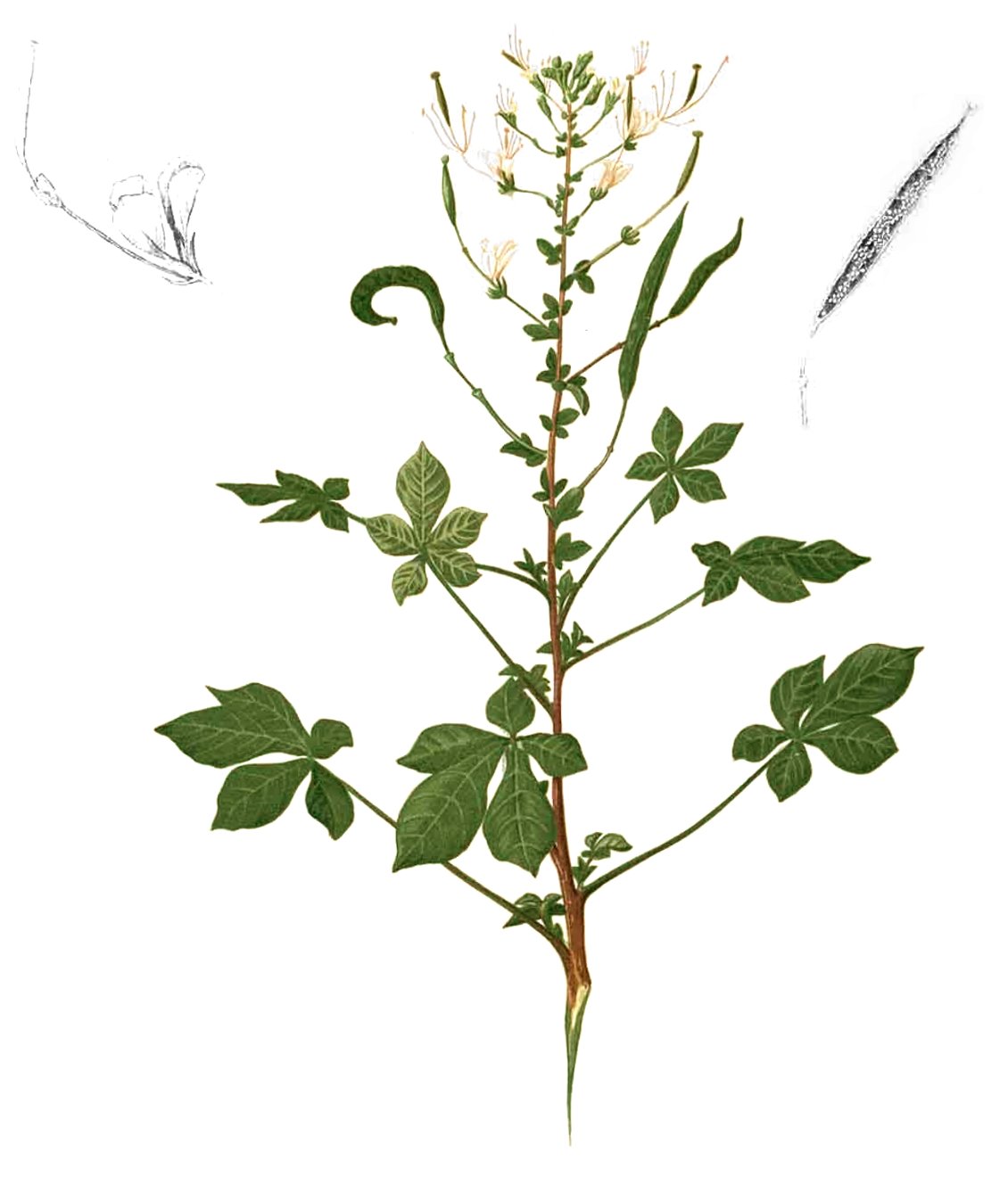
African Cabbage
Gynandropsis gynandra
☀️ Full Sun 💧 Moderate

African Cherry
Prunus africana
☀️ Full Sun 💧 Moderate

African Eggplant
Solanum aethiopicum
☀️ Full Sun 💧 Moderate

African Geranium
Pelargonium sidoides
☀️ Full Sun

African Gladiolus
Gladiolus dalenii
☀️ Full Sun 💧 Moderate

African Honeysuckle
Halleria lucida
☀️ Partial Sun 💧 Moderate
African Lettuce
Launaea taraxacifolia
☀️ Full Sun 💧 Moderate

African Marigold
Tagetes erecta
☀️ Full Sun 💧 Moderate

African Moringa
Moringa ovalifolia

African Nutmeg
Monodora myristica

African Padauk
Pterocarpus soyauxii
☀️ Full Sun 💧 High

African Potato
Hypoxis hemerocallidea
☀️ Full Sun 💧 Low

African Potato
Coleus esculentus
☀️ Full Sun 💧 Moderate

African Tulip Tree
Spathodea campanulata
☀️ Full Sun 💧 Moderate

Agati
Sesbania grandiflora
☀️ Full Sun 💧 High

Air Potato
Dioscorea bulbifera
☀️ Full Sun 💧 Moderate

Aizoon Stonecrop
Phedimus aizoon
☀️ Full Sun 💧 Low

Aji Pepper
Capsicum baccatum
☀️ Full Sun 💧 Moderate
Ajwain
Trachyspermum ammi
☀️ Full Sun 💧 Moderate
Alexandrian Laurel
Calophyllum inophyllum
☀️ Full Sun 💧 Moderate

Alexandrian Senna
Senna alexandrina
☀️ Full Sun 💧 Low
Common Questions
Are plants with traditional medicinal uses safe to consume at home?
No, you should never consume wild or garden plants without expert clinical qualification. Traditional preparations historically relied on precise processing methods, seasonal harvesting timing, and specific dosages to reduce dangerous concentrations of naturally occurring glycosides and alkaloids.
What growing conditions do traditional medicinal herbs need?
Most aromatic Mediterranean and desert herbs require 6 to 8 hours of full sun daily and sharply draining soil with a neutral to alkaline pH. Riparian and woodland medicinal species require partial shade and consistent root moisture.
Can you harvest resin from balsam poplar buds without harming the tree?
You can harvest sticky buds safely by taking no more than 10 percent of lateral buds from lower branches during late winter before leaf-out. Never remove the terminal leader bud at the tip of the main stem, as doing so permanently stunts vertical growth.
Do medicinal plants repel garden pests naturally?
Certain aromatic species like citronella (Cymbopogon nardus) produce terpene-rich foliage that deters grazing herbivores, but simply growing them in garden beds does not clear flying insects from the surrounding air.