The Plant Encyclopedia
Every Plant, Verified.
Identification, native range, toxicity and honest care guidance — every profile keyed to a GBIF species record and checked against Kew's Plants of the World Online.
Popular: Hardy Fuchsia Toothache Plant Chinese Agarwood Khejri
Start With These Profiles
A few pages that show what every entry covers — identification, care, toxicity and sources.

Rangoon Creeper Combretum indicum
A fast-growing tropical vine, Combretum indicum is famous for its fragrant flower clusters that change from white to red as they age.
Read the profile →
Hairy Vetch Vicia villosa
Hairy vetch (Vicia villosa) is a hardy winter legume used as a nitrogen-fixing cover crop and livestock forage in temperate climates.
Read the profile →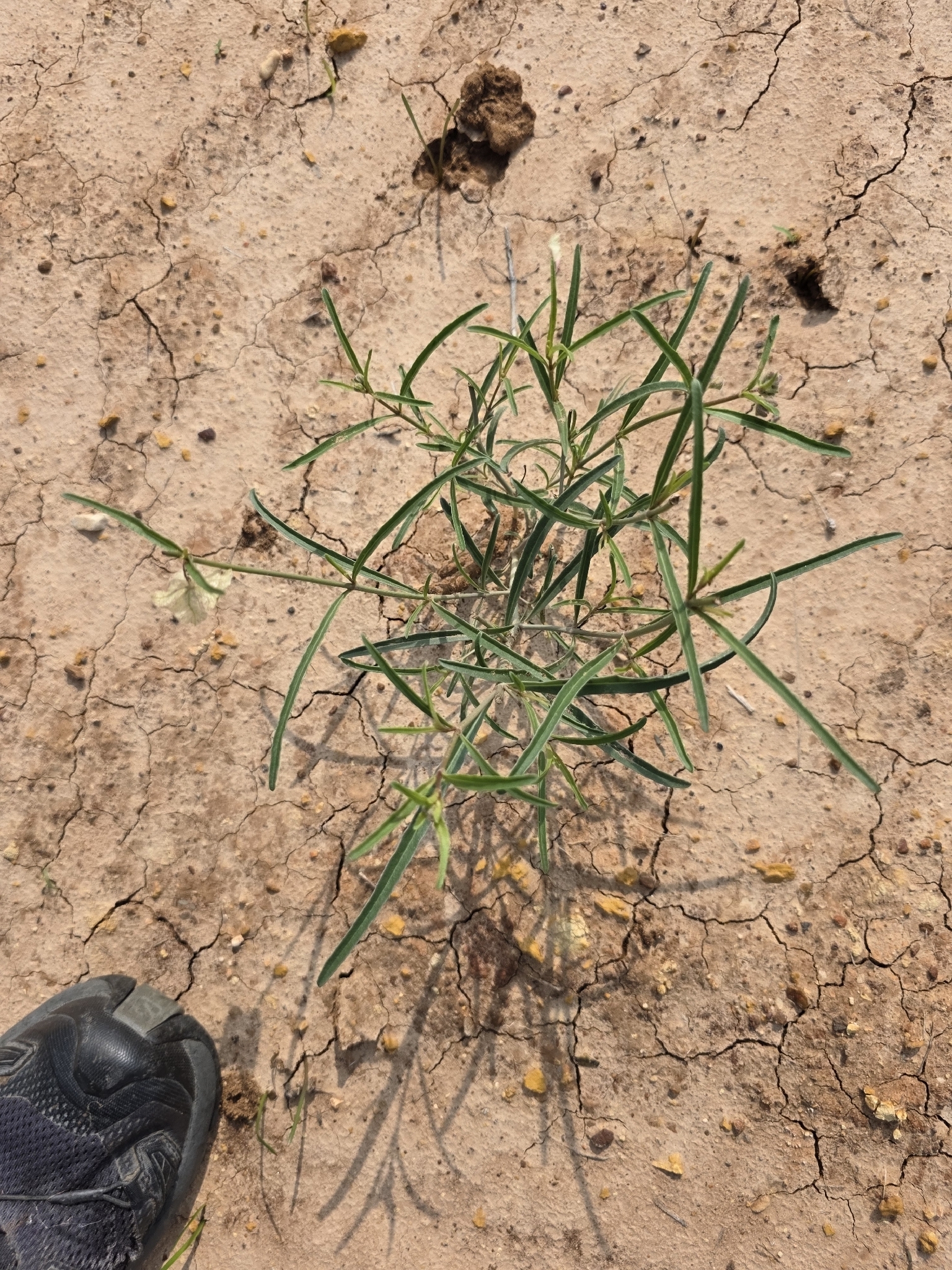
Narrowleaf Four O’Clock Mirabilis linearis
Narrowleaf four o'clock (Mirabilis linearis) is a pink-flowered native perennial wildflower found across dry prairies and scrub of western North America.
Read the profile →Browse by Plant Type
Find the Right Plant
Filter by what your space can actually give a plant.
Is It Safe? Pets, Children and Plants
Toxicity is recorded separately for cats and dogs, and for people, on every profile.
Toxic to Pets
1,036Can poison cats and dogs if chewed or eaten.
- Japanese BoxBuxus microphylla
- Giant White Bird of ParadiseStrelitzia nicolai
- Harding GrassPhalaris aquatica
- Common RhododendronRhododendron ponticum
- Siamese CassiaSenna siamea
- Twisted-Leaf GarlicAllium obliquum
Keep away from children; handle with gloves.
- Male FernDryopteris filix-mas
- Pursh’s Milk-VetchAstragalus purshii
- Indian SnakerootRauvolfia serpentina
- Hollyleaf CherryPrunus ilicifolia
- German MadwortAsperugo procumbens
- American ElderberrySambucus canadensis
Pet-Safe Plants
1,513Non-toxic for curious cats, dogs and toddlers.
- Red AmaranthAmaranthus cruentus
- Globe ArtichokeCynara scolymus
- Strawberry GoosefootBlitum virgatum
- Rose VerbenaVerbena canadensis
- NannyberryViburnum lentago
- Korean MintAgastache rugosa
In Bloom This Autumn
Species whose flowering season includes autumn, from the profiles' bloom-time data.

Blazing Star
Liatris spicata
☀️ Full Sun 💧 Moderate
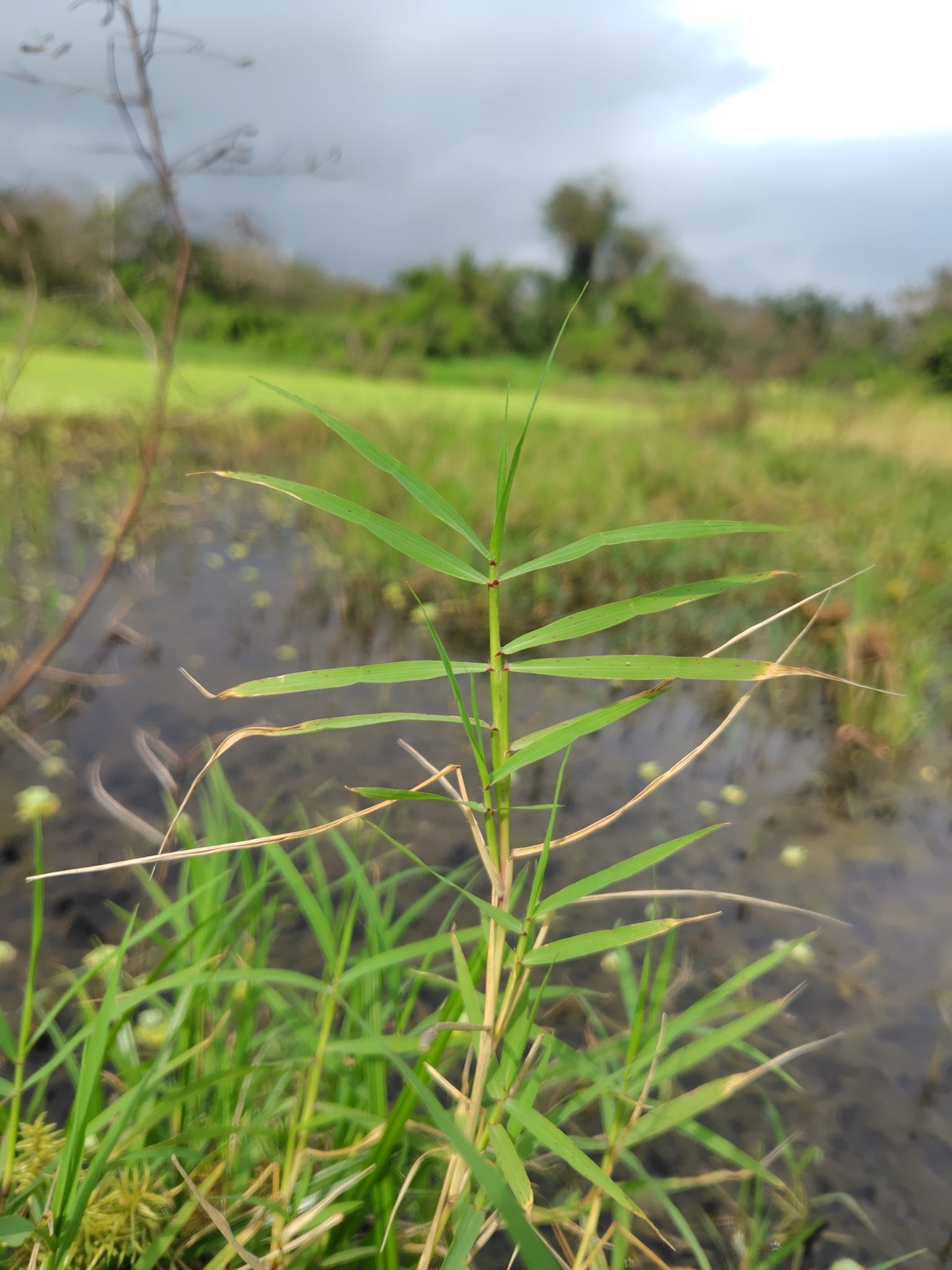
African Bermuda Grass
Cynodon nlemfuensis
☀️ Full Sun 💧 Moderate

Prairie Acacia
Acaciella angustissima
💧 Low

Golden Dock
Rumex maritimus
☀️ Full Sun 💧 High

Desert Rose
Adenium obesum
☀️ Full Sun 💧 Low
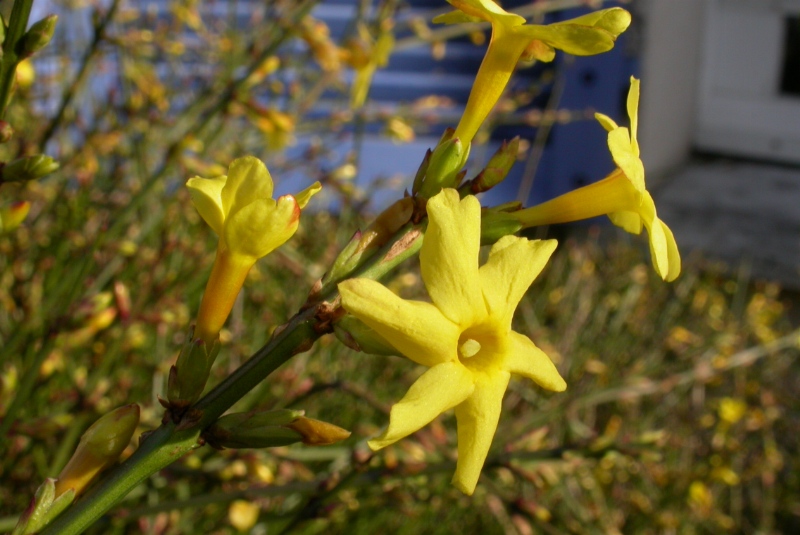
Winter Jasmine
Jasminum nudiflorum
☀️ Full Sun 💧 Moderate

Jaragua Grass
Hyparrhenia rufa

Woodland Tobacco
Nicotiana sylvestris
☀️ Full Sun 💧 Moderate
Recently Reviewed


A–Z Plant Index
Jump to profiles by the first letter of the scientific name.
Explore by Family
Why Botany Bible Is Different
One Plant, One Page
Every profile is keyed to a GBIF taxon ID. Synonyms resolve to the accepted name, so you never land on a duplicate.
Honest Care Guides
Growing instructions appear only for species that are actually cultivated. Wild mosses and rare ferns get habitat and ecology — not invented watering schedules.
Sources on Every Page
GBIF, Kew POWO and Wikipedia links sit under each profile, with the date it was last reviewed.
Written by a Grower
Edited by an agriculture graduate who grows what he writes about. Read the methodology →
Common Questions
How do I find a plant if I only know what it looks like?
Start with the filters above — plant type, light and safety narrow the list quickly — then open the “How to Identify” section on any profile. Each one lists the leaf, stem, flower and fruit markers that separate the species from its look-alikes. If you know a common name, the search box also matches scientific names and synonyms.
Is Botany Bible a reliable source for plant toxicity?
Every profile is keyed to a GBIF species record and cross-checked against Kew’s Plants of the World Online, with the sources listed at the bottom of the page. Toxicity notes are written for cats, dogs and people separately. For an actual poisoning, call a vet or poison-control line — a website is for prevention, not emergencies.
Why are plants listed by scientific name?
Common names overlap: “bluebell” means different plants in England, Scotland and Texas. The Latin binomial (genus + species) is unique, so every profile uses it as the permanent address, and the common names you actually use are listed on the page and searchable.
Do the care guides apply to my climate?
Care sections give USDA hardiness zones, light and water needs in plain terms, and a season-by-season task table, so you can map them onto your own conditions. Where a species is only grown indoors or only in the tropics, the profile says so instead of inventing a schedule.
How often are profiles updated?
Each page shows its last-reviewed date. Profiles are re-checked when the underlying taxonomy changes (GBIF merges or renames a species) and when readers report an error through the contact page.