Asparagaceae Plant Family Identification and Care
54 plant profiles · Explore the Asparagaceae plant family. Learn shared growth habits, light requirements, and how to care for indoor and outdoor species.
The Asparagaceae family contains over 2,500 species of monocotyledonous flowering plants, ranging from desert succulents to woodland groundcovers and spring-blooming bulbs. Most members share fibrous root systems, parallel-veined strap-like foliage, and floral structures arranged in multiples of three.
Outdoors, spring-flowering bulbs like the common grape hyacinth (Muscari botryoides) and hyacinth (Hyacinthus orientalis) thrive in temperate regions spanning USDA hardiness zones 4 to 8, requiring cold winter soil to set buds. Shade-tolerant herbaceous perennials such as the fragrant plantain lily (Hosta plantaginea) and mondo grass (Ophiopogon japonicus) require moisture-retentive soil and shelter from afternoon sun to avoid foliage scorching.
Indoors, drought-adapted species withstand low humidity and warm room temperatures. The snake plant (Dracaena trifasciata) and ponytail palm (Beaucarnea recurvata) store water in fleshy leaves or swollen stem bases, tolerating weeks between waterings. Desert-native species like the foxtail agave (Agave attenuata) require direct sun and coarse potting mix. Match your growing area's light levels and humidity when selecting species from this family.

Adam’s Needle
Yucca filamentosa
☀️ Full Sun 💧 Low
Angular Solomon’s Seal
Polygonatum odoratum
☀️ Partial Shade 💧 Moderate

Asparagus
Asparagus officinalis
☀️ Full Sun 💧 Moderate

Asparagus Fern
Asparagus setaceus
☀️ Bright Indirect 💧 Moderate

Banana Yucca
Yucca baccata
☀️ Full Sun 💧 Low
Blue Agave
Agave tequilana
☀️ Full Sun 💧 Low

Cabbage Tree
Cordyline australis
☀️ Full Sun 💧 Moderate
Canary Island Dragon Tree
Dracaena draco
☀️ Full Sun 💧 Low

Caribbean Agave
Agave angustifolia
☀️ Full Sun 💧 Low

Cast Iron Plant
Aspidistra elatior
☀️ Low Light 💧 Low
Century Plant
Agave americana
☀️ Full Sun 💧 Low

Common Grape Hyacinth
Muscari botryoides
☀️ Full Sun 💧 Moderate

Corn Plant
Dracaena fragrans
☀️ Bright Indirect 💧 Low

Cylindrical Snake Plant
Dracaena angolensis
☀️ Bright Indirect 💧 Low

Desert Spoon
Dasylirion wheeleri
☀️ Full Sun 💧 Low

Dragon Tree
Dracaena marginata
☀️ Bright Indirect 💧 Low

Foxtail Agave
Agave attenuata
☀️ Full Sun 💧 Low
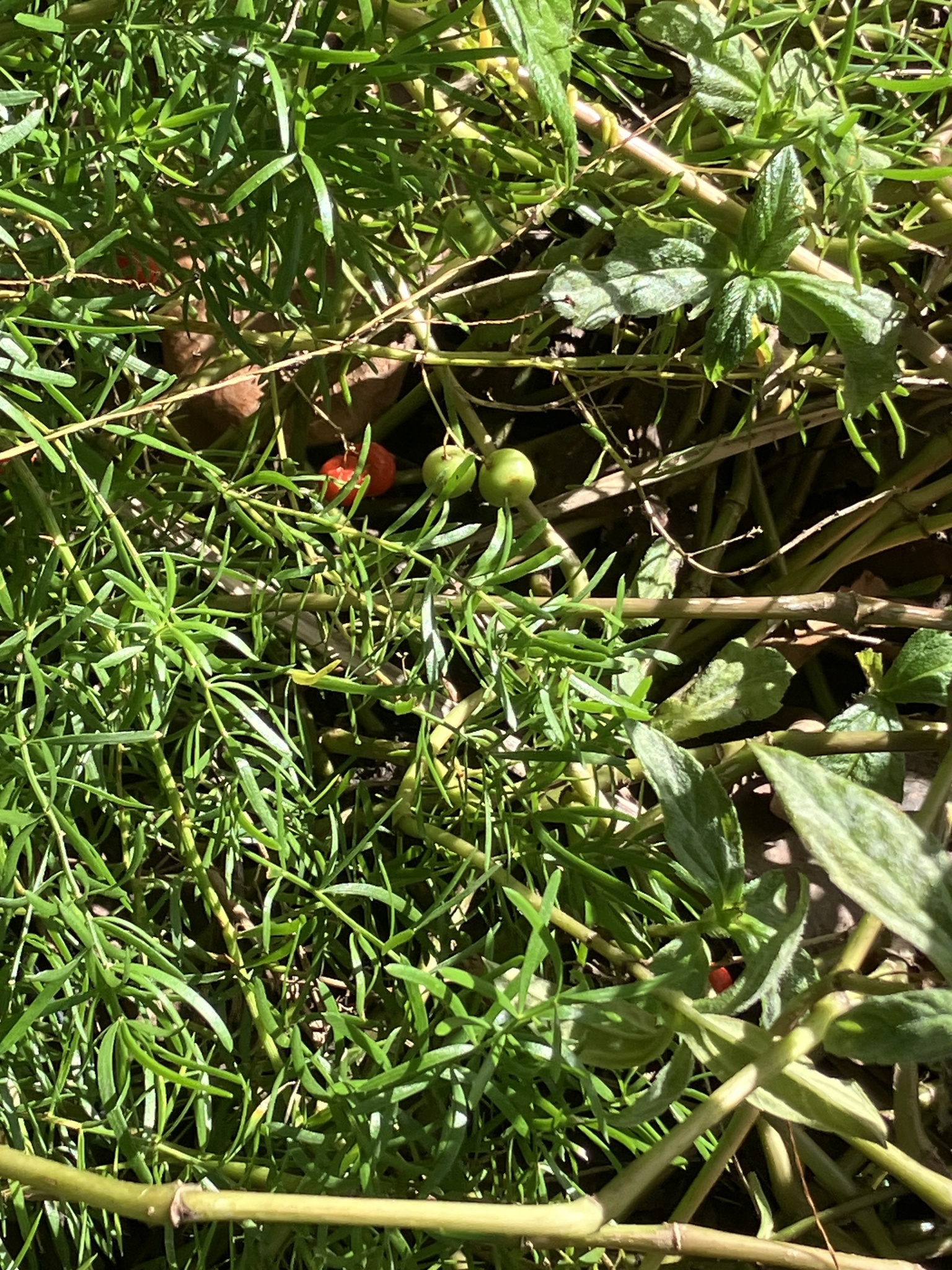
Foxtail Fern
Asparagus densiflorus
☀️ Bright Indirect 💧 Moderate

Fragrant Plantain Lily
Hosta plantaginea
☀️ Partial Sun 💧 Moderate
Garden Star-Of-Bethlehem
Ornithogalum umbellatum
☀️ Full Sun 💧 Moderate
Glory of the Snow
Scilla luciliae
☀️ Full Sun 💧 Moderate
Grape Hyacinth
Muscari armeniacum
☀️ Full Sun 💧 Low
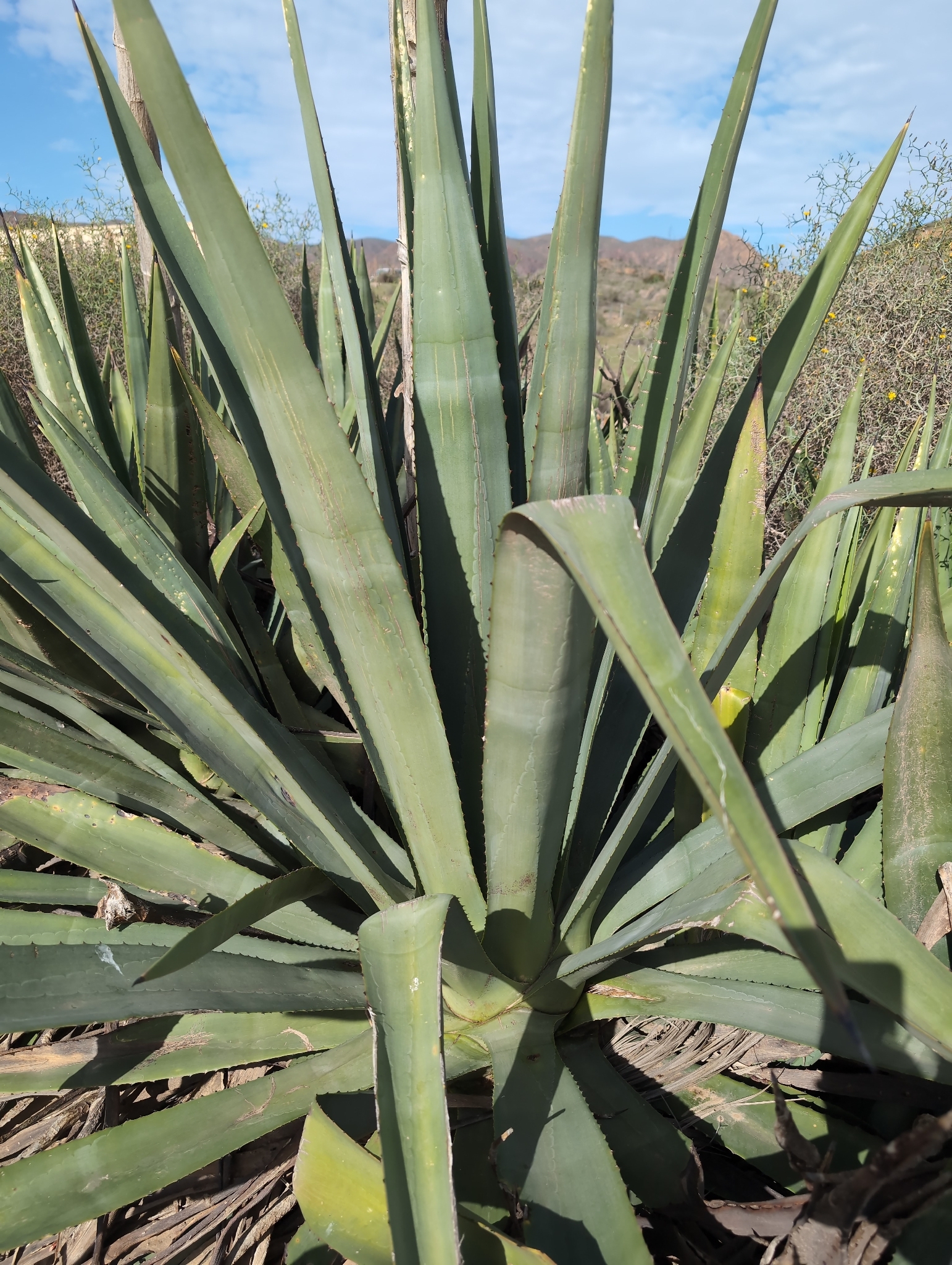
Henequen
Agave fourcroydes
☀️ Full Sun 💧 Low

Hyacinth
Hyacinthus orientalis
☀️ Full Sun 💧 Moderate
Common Questions
What key characteristics define plants in the Asparagaceae family?
Asparagaceae plants are monocots defined by parallel leaf veins, fibrous roots, and flowers with six tepals arranged in two whorls of three. Most species form basal rosettes of linear foliage, underground rhizomes, or woody trunks.
Are Asparagaceae family plants toxic to pets?
Many indoor Asparagaceae species contain saponins that cause mild to moderate oral irritation and vomiting in cats and dogs. The snake plant contains saponins and causes digestive upset, whereas the ponytail palm is non-toxic to household pets.
How often should you water indoor Asparagaceae plants?
Water indoor Asparagaceae species only when the top 5 cm (2 in) of potting soil dries completely. Reduce watering frequency to once every 4 to 6 weeks during winter months when active growth slows.
Which Asparagaceae species grow well in full shade?
Hostas, mondo grass, and lilyturf grow reliably in partial to full shade, needing 2 to 4 hours of filtered light per day. Maintain consistent soil moisture for these shade-tolerant herbaceous perennials.