Ornamental Plants for Gardens and Landscapes
1,684 plant profiles · Explore over 1,100 ornamental plants selected for blooms, foliage, and structure. Compare growing requirements, hardiness zones, and landscape uses.
Ornamental plants are cultivated deliberately for their visual traits, foliage texture, architecture, or scent rather than for timber, food crops, or industrial fiber. They encompass thousands of growth habits across every climate zone, from canopy trees like the Himalayan horse-chestnut (Aesculus indica), which grows up to 30 m (98 ft) tall with erect flower panicles, to low-growing spring bulbs such as glory of the snow (Scilla luciliae) that carpet cold soils at 10 to 15 cm (4 to 6 in) in height.
Choosing suitable species requires matching individual plant adaptations to your specific garden microclimate. Desert succulents like the pancake prickly pear (Opuntia chlorotica) and the compact red crown cactus (Rebutia minuscula) require unamended gritty soils, zero standing moisture, and intense direct sunlight. In contrast, shade-tolerant selections such as the beech fern (Phegopteris connectilis) and the Japanese plum yew (Cephalotaxus harringtonia) require shelter from drying winds and moist, organic soils that never dry out completely.
Functional architecture also drives plant selection. Evergreen hedging shrubs like lilly pilly (Syzygium smithii) offer wind protection and privacy screening down to -2 °C (28 °F), whereas seasonal accent geophytes like the pineapple lily (Eucomis comosa) produce dense rosettes topped with late-summer flower spikes. Comparing the mature spread, cold hardiness, and moisture demands of each species ensures long-term landscape performance without excessive maintenance.

Aaron’s Beard
Hypericum calycinum
☀️ Full Sun 💧 Moderate
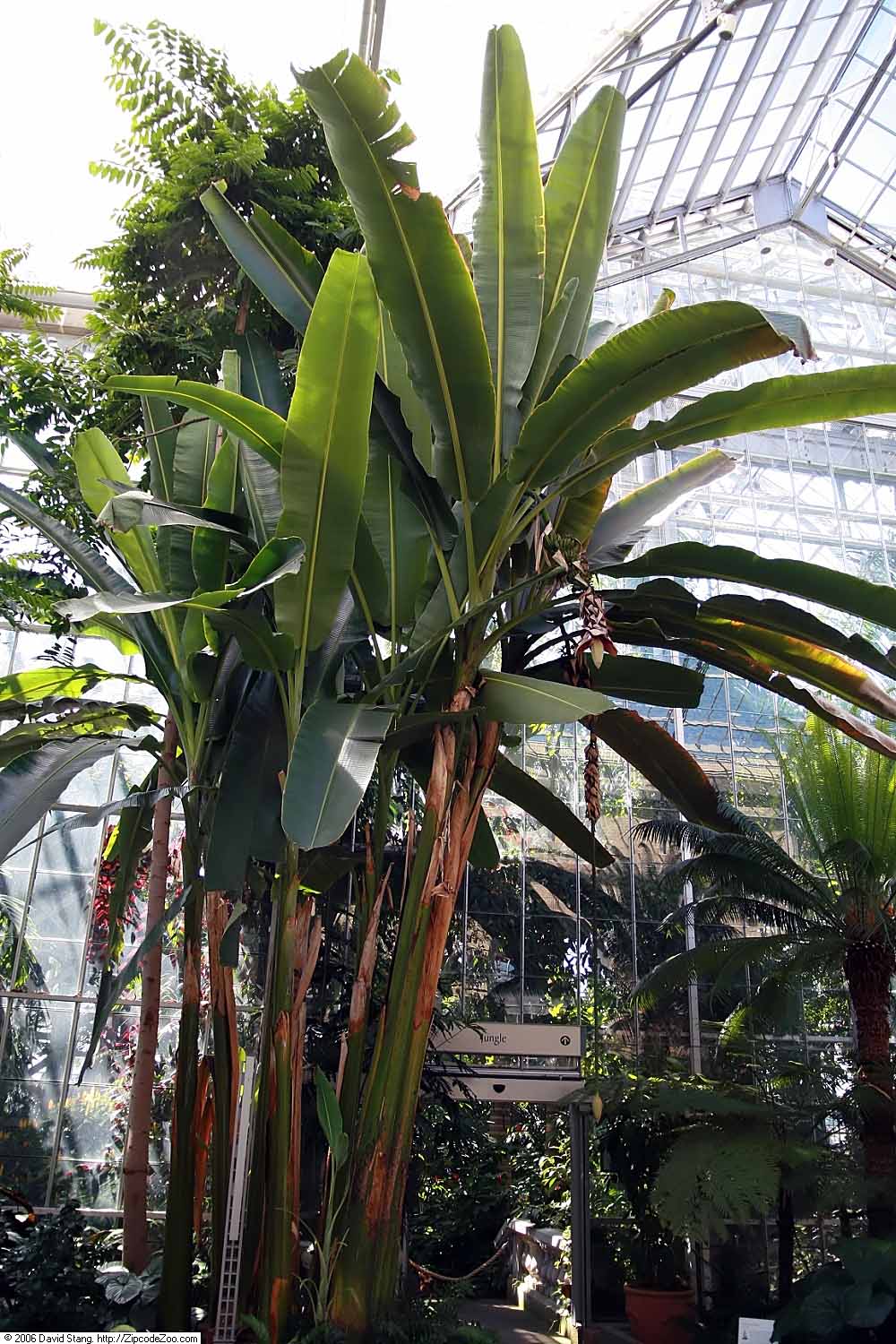
Abaca
Musa textilis
☀️ Full Sun 💧 High
Abiu
Pouteria caimito
☀️ Full Sun 💧 High

Abyssinian Banana
Ensete ventricosum
☀️ Full Sun 💧 High

Adam’s Needle
Yucca filamentosa
☀️ Full Sun 💧 Low

African Cornflag
Chasmanthe floribunda
☀️ Full Sun 💧 Moderate
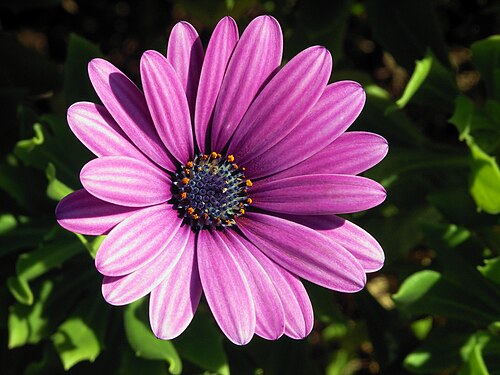
African Daisy
Dimorphotheca ecklonis
☀️ Full Sun 💧 Low

African Eggplant
Solanum aethiopicum
☀️ Full Sun 💧 Moderate

African Gladiolus
Gladiolus dalenii
☀️ Full Sun 💧 Moderate

African Hemp
Sparrmannia africana
☀️ Bright Indirect 💧 High

African Honeysuckle
Halleria lucida
☀️ Partial Sun 💧 Moderate

African Lily
Agapanthus africanus
☀️ Full Sun 💧 Moderate

African Marigold
Tagetes erecta
☀️ Full Sun 💧 Moderate
African Milk Tree
Euphorbia trigona
☀️ Full Sun 💧 Low

African Moringa
Moringa ovalifolia

African Sumac
Searsia lancea
☀️ Full Sun 💧 Low

African Tulip Tree
Spathodea campanulata
☀️ Full Sun 💧 Moderate

African Violet
Streptocarpus ionanthus
☀️ Bright Indirect 💧 Moderate

Agati
Sesbania grandiflora
☀️ Full Sun 💧 High

Air Plant
Tillandsia ionantha
☀️ Bright Indirect 💧 Low

Aizoon Stonecrop
Phedimus aizoon
☀️ Full Sun 💧 Low

Aji Pepper
Capsicum baccatum
☀️ Full Sun 💧 Moderate
Albany Pitcher Plant
Cephalotus follicularis
☀️ Bright Indirect 💧 High
Alder Buckthorn
Frangula alnus
☀️ Partial Sun 💧 Moderate
Common Questions
What defines an ornamental plant?
An ornamental plant is any species grown primarily for visual or sensory appeal rather than for agricultural consumption, timber, or commercial fiber extraction.
How do you select the right ornamental plants for a garden?
Select ornamental species by matching plant requirements to your site's minimum winter temperature, daily sunlight hours, and soil drainage. Measuring your available planting footprint prevents overcrowding mature specimens.
Are ornamental plants safe around pets and livestock?
Toxicity varies completely by species, so you must verify the specific botanical genus before planting near domestic animals. While some species present no risk, others produce toxic alkaloids, saponins, or insoluble calcium oxalates.