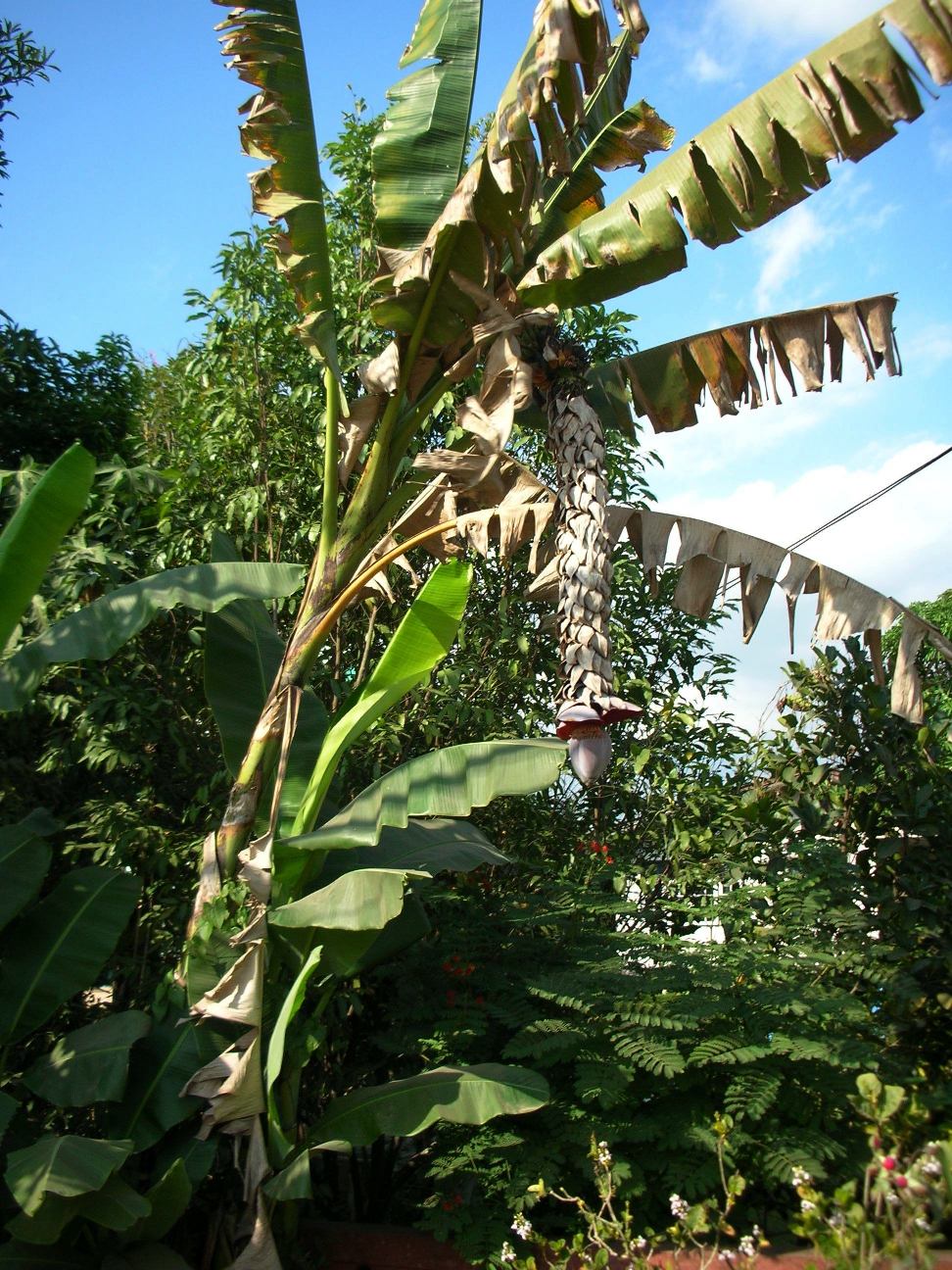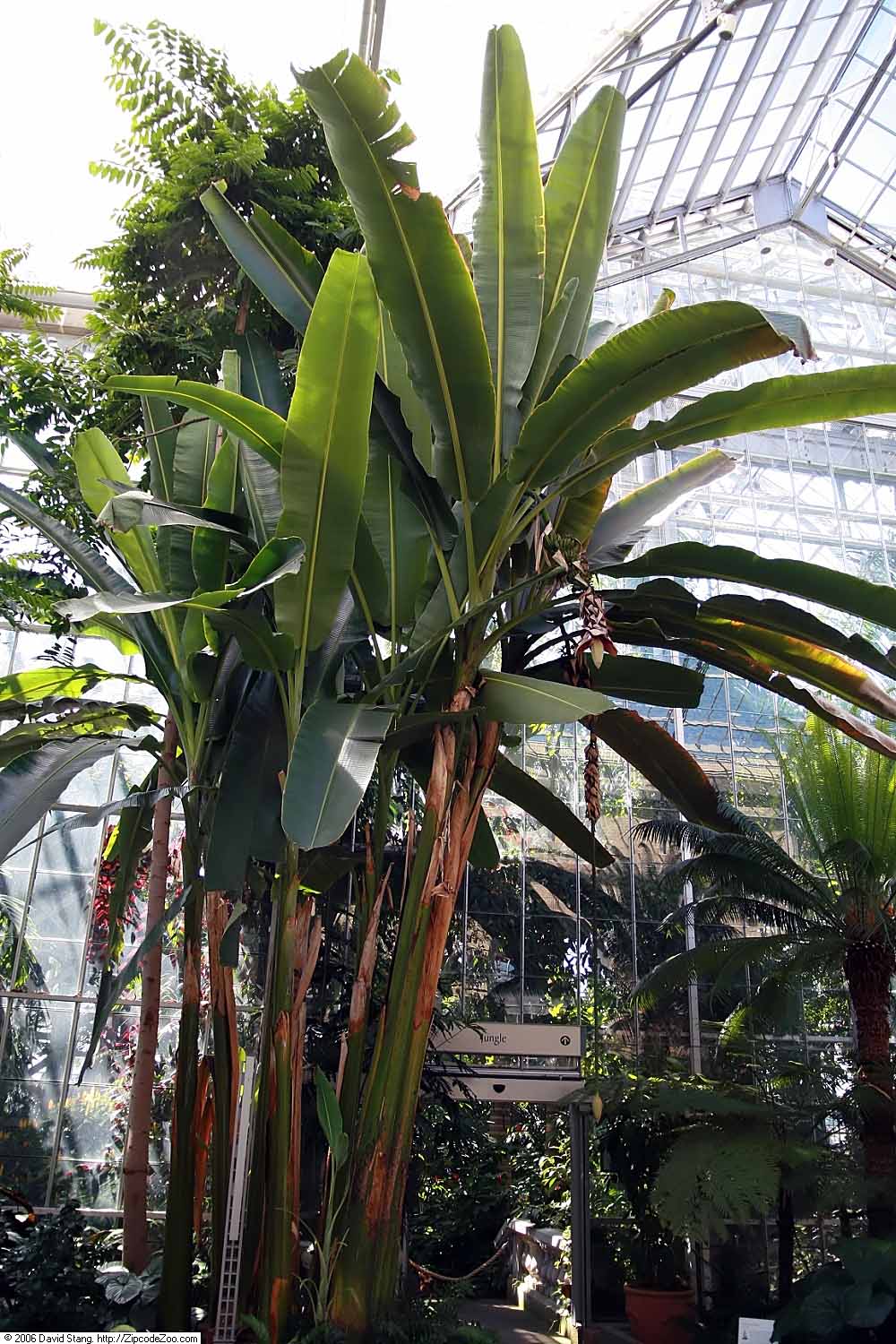
Abaca (Musa textilis) is a massive herbaceous plant in the banana family native to the Philippines, grown primarily for the exceptionally strong structural fibers running through its overlapping leaf sheaths.
Unlike dessert bananas, this species produces inedible, seed-packed fruit and requires year-round equatorial humidity with fertile, free-draining soil to yield usable Manila hemp fiber.
Key Facts
- Plant type: Giant evergreen perennial herb
- Fiber harvest: Begins 18 to 24 months after planting
- Mature height: 4 to 6.7 m (13 to 22 ft)
- Hardiness: USDA zones 10b to 12
- Rainfall need: Minimum 2,000 mm (79 in) evenly distributed annually
What Is Abaca Plant and Where Does It Grow
Abaca is an agricultural fiber crop suited strictly to warm, wet tropical climates with no prolonged dry spell. You cannot produce harvestable fiber from it in temperate zones or dry regions, as cold temperatures below 10 °C (50 °F) cause immediate chill damage.
The plant grows via a thick, creeping underground rhizome that produces a dense clump of 10 to 30 upright pseudostems. Smallholders manage these clumps continuously over a 10 to 15-year commercial life cycle, selectively cutting individual stalks at maturity while leaving younger suckers behind.
It suits agroforestry and wet tropical farm perimeters well because it tolerates partial light shade under open-canopied forest trees like coconut palm (Cocos nucifera).
How to Identify Musa textilis
A mature abaca plant consists of a pseudostem reaching 4 to 6.7 m (13 to 22 ft) tall formed by tightly rolled leaf bases rather than true wood. Its foliage is distinct from common sweet banana (Musa acuminata) in several specific botanical traits:
- Pseudostem: Slender, dark green, often heavily mottled with purple, brown, or black pigment.
- Leaves: Oblong, erect blades 1.5 to 2 m (5 to 6.5 ft) long, narrower and stiffer than fruiting bananas, with distinct pointed tips.
- Inflorescence: A drooping floral spike shielded by persistent, dark purplish-brown bracts.
- Flowers: Tubular, cream-white to pale yellow flowers clustered in two rows under each bract.
- Fruit: Green, angled, inedible fruit measuring 5 to 8 cm (2 to 3 in) long, filled with hard, black seeds 4 mm (0.16 in) wide.
Ideal Climate and Soil Conditions
Abaca requires consistently warm temperatures between 22 and 28 °C (72 and 82 °F) along with high relative humidity above 75 percent throughout the year. Growth halts abruptly when temperatures dip beneath 16 °C (61 °F), and prolonged waterlogged soil will cause root rot.
Provide a sheltered site shielded from strong ocean gales or typhoon winds, as the large leaves tear easily along the lateral veins, reducing vegetative vigor. Deep volcanic loams or alluvial soils rich in decayed organic material produce the thickest fiber walls.
Standing water is fatal to the root system, so plant on gentle slopes or engineered raised ridges if the water table sits within 1 m (3.3 ft) of the surface.
Planting Abaca from Rhizomes and Suckers
Commercial planting relies on corms or suckers weighing 1.5 to 2.5 kg (3.3 to 5.5 lb) dug from clean, disease-free parent mats. While viable seeds exist inside the fruit, they produce variable fiber quality and take months to germinate unevenly.
To establish a new stand:
- Dig planting holes 40 cm (16 in) deep and wide, spaced 2.5 by 2.5 m (8 by 8 ft) apart.
- Dust the corm piece with wood ash or certified copper fungicide to deter soil-borne rot before planting.
- Set the corm into the hole so the growth eye sits 5 to 10 cm (2 to 4 in) beneath the finished soil surface.
- Firm the soil thoroughly around the base and cover with a 10 cm (4 in) layer of chopped banana leaf mulch.
- Irrigate immediately with 10 L (2.6 gal) of water if rainfall is not predicted within 24 hours.
Water and Fertilizer Requirements
Supply supplemental irrigation whenever natural rainfall drops below 150 mm (6 in) per month. Abaca features shallow root networks concentrated in the top 30 to 50 cm (12 to 20 in) of soil, making the plant exceptionally vulnerable to brief topsoil drying.
The crop extracts substantial nutrients from the ground to build its bulky pseudostems. Apply 200 g (7 oz) of a balanced 14-14-14 fertilizer per mat every four months during the rainy season, followed by side-dressings of potassium sulfate. Potassium dictates the tensile strength and cellulose thickness of the harvested fibers.
Leave discarded leaf trimmings and strip waste around the base of each stool to recycle organic matter and suppress weeds.
How to Harvest and Extract Abaca Fiber
Harvest each pseudostem just as the flower spike emerges, before the bracts open and the hard seeds develop. Cutting the stalk at this exact reproductive stage yields the highest tensile fiber; cutting too early lowers fiber strength, while cutting after fruiting makes the strands brittle.
The traditional extraction process follows four manual steps:
- Tuxying: Separate the outer, fiber-rich skin of each leaf sheath from the fleshy inner pulp using a curved knife.
- Stripping: Pull the extracted ribbons (tuxies) under a stationary serrated or smooth knife blade clamped to a wooden block to scrape away residual vegetable matter.
- Washing: Rinse the wet stripped strands in clean running water to remove acidic sap that stains fibers dark.
- Air drying: Hang the wet fibers on bamboo poles in partial sun for 24 to 48 hours until moisture drops below 12 percent.
Commercial Uses for Manila Hemp
Extracted abaca fiber is three times stronger than true hemp (Cannabis sativa) and exhibits extraordinary resistance to salt water decomposition. For over two centuries, this property made it the primary global raw material for marine hawsers, shipping rigging, and deep-sea fishing nets.
Industrial paper mills boil the unbleached fiber into specialty pulp for high-tensile, porous paper products. It forms the structural framework of tea bags, sausage casings, surgical masks, and global currency notes, including Japanese yen and Philippine peso paper.
Automotive manufacturers also incorporate chopped fibers into molded composite exterior panels and vehicle floorboards as a sustainable replacement for synthetic fiberglass.
Managing Pests and Diseases
The single most destructive threat is Abaca Bunchy Top Virus (ABTV), transmitted by the banana aphid (Pentalonia nigronervosa). Infected plants turn pale, develop dark green jagged dashes on leaf veins, and become permanently stunted with bunchy foliage clusters.
Manage your plantation with strict hygiene:
- Uproot and burn virus-infected mats immediately; do not compost the diseased corms.
- Spray localized colonies of banana aphids with insecticidal soap or horticultural mineral oil.
- Treat root lesions caused by burrowing nematodes (Radopholus similis) with hot-water corm dips at 52 °C (126 °F) for 10 minutes prior to planting.
- Weed a 1 m (3.3 ft) radius around young stems to prevent competition for nitrogen and light.
Drying and Storing Abaca Fiber
Store cured Manila hemp fiber in a dry, ventilated warehouse at relative humidity below 65 percent. Wet or improperly cured fiber readily develops mildew and fungal stains, which ruins commercial grading and cuts tensile strength by half.
Once dried on bamboo racks, bundle the clean fibers into neat hanks tied loosely at the proximal end. Commercial operations compress the clean hanks into dense, standardized bales bound with galvanized wire for maritime export.
Keep storage bales elevated 15 cm (6 in) off concrete floors on untreated wooden pallets to prevent upward migration of dampness.
Seasonal Tasks for Abaca Plantations
| Spring | Dig and divide dormant corms to establish new planting blocks. Apply 200 g (7 oz) of complete balanced fertilizer around mature mats at the start of seasonal rains. |
|---|---|
| Summer | Maintain a 10 cm (4 in) leaf mulch layer around stools to conserve soil moisture. Inspect pseudostem flags for emerging flower buds and harvest stems at the inflorescence emergence stage. |
| Autumn | Weed base circles and thin overcrowded clumps down to 8 to 12 active stems. Prune and compost yellowing lower leaves to discourage aphid colonization. |
| Winter | Clear fallen debris and check drainage ditches to stop standing water during heavy tropical rain peaks. Apply organic compost around the feeding roots. |
Diagnosing Common Abaca Plant Problems
| What you see | Likely cause | What to do |
|---|---|---|
| Stunted rosetted leaves with dark green zigzag dashes along veins | Abaca bunchy top virus | Eradicate the entire stool immediately by uprooting and burning it to prevent aphid spread. |
| Soft, foul-smelling pseudostem base collapsing near ground line | Bacterial stalk rot or waterlogged soil | Improve field drainage ditches and avoid injuring base tissue during weed removal. |
| Brittle, discolored fibers that break during manual stripping | Harvesting stalks too late after seed production | Cut pseudostems strictly when the flower bud first emerges from the crown. |
| Extensive tearing of foliage along horizontal veins | Wind exposure | Erect windbreak trees such as rubber (Hevea brasiliensis) along open plantation boundaries. |
Common Philippine Cultivars
- ‘Tangongon’ – robust stems with thick, heavy, coppery-colored fibers.
- ‘Bongolanon’ – early-maturing cultivar producing high-grade white fiber.
- ‘Maguindanao’ – tall pseudostems with wide leaves and high fiber yield.
- ‘Inosa’ – thin-sheathed Philippine landrace known for easy hand stripping.
Frequently Asked Questions
What is abaca plant used for?
Abaca is cultivated almost exclusively for its high-tensile fiber, known as Manila hemp, extracted from the outer layers of the leaf stems. It is used to manufacture marine ropes, tea bags, banknotes, and specialty papers.
Can you eat the fruit of Musa textilis?
No, the fruit of abaca is inedible because it is small, fibrous, and packed with dense, rock-hard black seeds. Plant breeding in this species focused entirely on stem fiber quality rather than edible fruit.
How to make abaca fiber from the plant?
Separate the fibrous outer ribbon (tuxy) from the leaf sheath of a cut mature stalk, then pull the ribbon under a weighted knife edge to scrape away the fleshy green tissue. Wash the exposed white strands in fresh water and air-dry them thoroughly.
What are abaca benefits compared to synthetic fibers?
Abaca fibers are completely biodegradable, naturally resistant to salt water damage, and possess exceptional tensile strength that rivals synthetic nylon while consuming far less energy to produce.
Is abaca the same plant as true hemp?
No, abaca is a member of the banana family (Musa textilis), whereas true hemp is an unrelated annual herb (Cannabis sativa). The name Manila hemp arose purely because abaca was used as a superior alternative for maritime rope.
Sources & Verification
Taxonomy and distribution are checked against the databases below. Care guidance is written for cultivated species only and reviewed by our editor. How We Build Plant Profiles →