Tree Species, Identification, and Growing Guides
584 plant profiles · Identify and grow 274 tree species. Learn mature canopy sizes, rooting habits, soil needs, and cold hardiness zones to choose the right tree for your land.
Trees are perennial woody plants defined by an erect, self-supporting trunk, secondary xylem growth, and elevated branching crowns reaching mature heights from 3 m (10 ft) to over 60 m (200 ft). Across 274 profiled species, their site needs reflect their native climate and soil hydrology. Riparian species like eastern cottonwood (Populus deltoides) and white willow (Salix alba) establish extensive lateral root networks in waterlogged soils, transpiring hundreds of litres of moisture daily. In contrast, drought-adapted species like African baobab (Adansonia digitata) and bull pine (Pinus ponderosa) use succulent stems or deep taproots to withstand prolonged arid periods across disparate hardiness zones.
Choosing the correct tree requires matching mature canopy spread, taproot depth, and allelopathic chemistry to your site boundaries. Large timber and nut species such as black walnut (Juglans nigra) exude juglone from their root bark, preventing sensitive crops from thriving within a 15 to 25 m (50 to 80 ft) perimeter. For sheltered borders and small suburban spaces, flowering species like frangipani (Plumeria rubra) top out at 4 to 8 m (13 to 26 ft) and withstand light frosts, while nut crops like pecan (Carya illinoinensis) require deep alluvial subsoils and 400 to 1,000 chilling hours below 7 °C (45 °F) to set fruit reliably.
Abiu
Pouteria caimito
☀️ Full Sun 💧 High

African Cherry
Prunus africana
☀️ Full Sun 💧 Moderate

African Honeysuckle
Halleria lucida
☀️ Partial Sun 💧 Moderate

African Moringa
Moringa ovalifolia

African Nutmeg
Monodora myristica

African Padauk
Pterocarpus soyauxii
☀️ Full Sun 💧 High

African Sumac
Searsia lancea
☀️ Full Sun 💧 Low

African Tulip Tree
Spathodea campanulata
☀️ Full Sun 💧 Moderate

Agati
Sesbania grandiflora
☀️ Full Sun 💧 High
Aleppo Pine
Pinus halepensis
☀️ Full Sun 💧 Low
Alexandrian Laurel
Calophyllum inophyllum
☀️ Full Sun 💧 Moderate
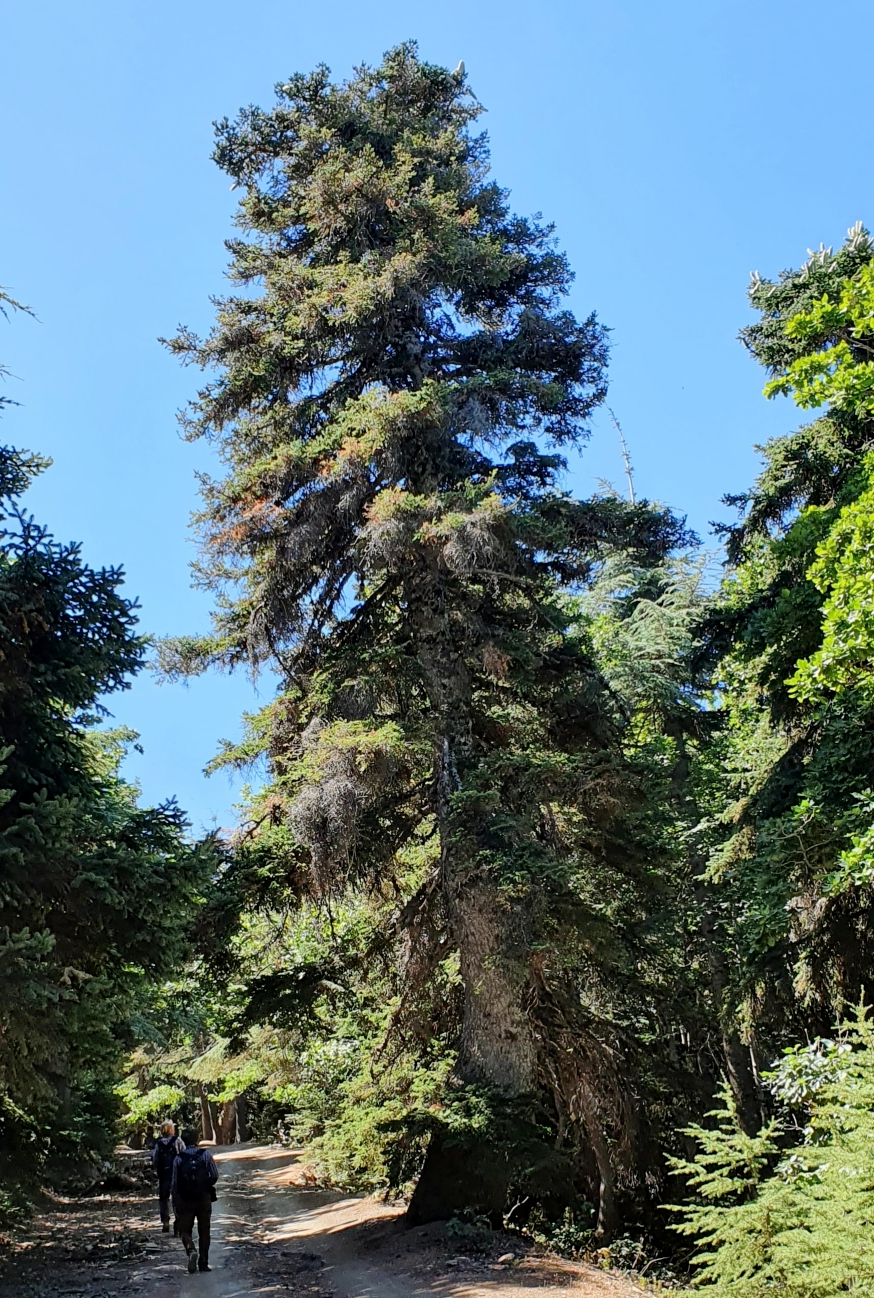
Algerian Fir
Abies numidica
☀️ Full Sun 💧 Moderate

Algerian Oak
Quercus canariensis
☀️ Full Sun 💧 Moderate
Alligator Apple
Annona glabra
💧 High
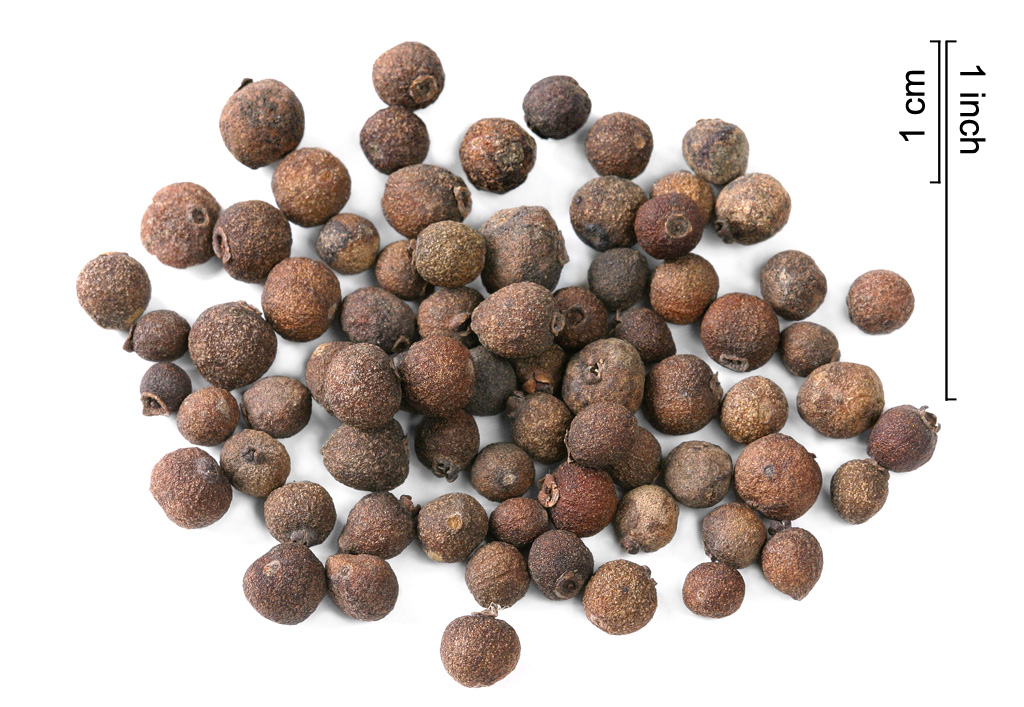
Allspice
Pimenta dioica
☀️ Full Sun 💧 Moderate

Almond
Prunus amygdalus
☀️ Full Sun 💧 Moderate

Almond-Leaved Pear
Pyrus spinosa
Ambarella
Spondias dulcis
☀️ Full Sun 💧 Moderate

American Basswood
Tilia americana
☀️ Full Sun 💧 Moderate

American Beech
Fagus grandifolia
☀️ Full Sun 💧 Moderate

American Chestnut
Castanea dentata
☀️ Full Sun 💧 Moderate

American Coral Tree
Erythrina americana
☀️ Full Sun 💧 Low

American Elm
Ulmus americana
☀️ Full Sun 💧 Moderate

American Fringetree
Chionanthus virginicus
☀️ Full Sun 💧 Moderate
Common Questions
How far away from a house should you plant a tree?
Plant a tree at a distance equal to at least half of its mature canopy spread, or a minimum of 4.5 to 6 m (15 to 20 ft) for standard canopy trees, to prevent root damage to foundations and pipes.
What is the fastest-growing tree for shade?
Eastern cottonwood (Populus deltoides) is among the fastest-growing shade trees, adding 1.5 to 2.4 m (5 to 8 ft) of vertical growth per year in moist, full-sun locations.
When is the best time of year to plant bare-root trees?
Plant bare-root trees during late autumn through early spring while the plant is fully dormant and soil temperatures stay above 4 °C (40 °F).