Herb Plant Types and Growing Guides
180 plant profiles · Explore 129 herbaceous plant species. Learn light, soil, and watering needs for culinary, medicinal, and ornamental herbs from peppermint to abaca.
Herbaceous plants are unified by their soft, non-woody stems that complete their life cycle or die back to root level at the end of the growing season. This group spans fast-growing annual greens, perennial taprooted herbs, and massive herbaceous tropicals that reach heights up to 6 m (20 ft). Selecting the right species depends on your regional light levels, soil drainage, and container space.
For culinary gardens, leafy annuals like rocket (Eruca sativa) and lemon basil (Ocimum americanum) mature within 30 to 50 days and thrive in shallow pots. Perennial herbs like peppermint (Mentha piperita) and lovage (Levisticum officinale) establish permanent root systems, with lovage growing up to 2.5 m (8 ft) tall in rich, moist soil. Compact varieties adapt well to indoor windowsills receiving bright light.
Tropical herbaceous species require warmer ambient conditions. Black turmeric (Curcuma caesia) and abaca (Musa textilis) require temperatures above 18 °C (65 °F) and high humidity to produce foliage and underground rhizomes. Specialty herbs like toothache plant (Acmella oleracea) prefer well-drained loams with consistent soil moisture throughout the peak summer growth window.
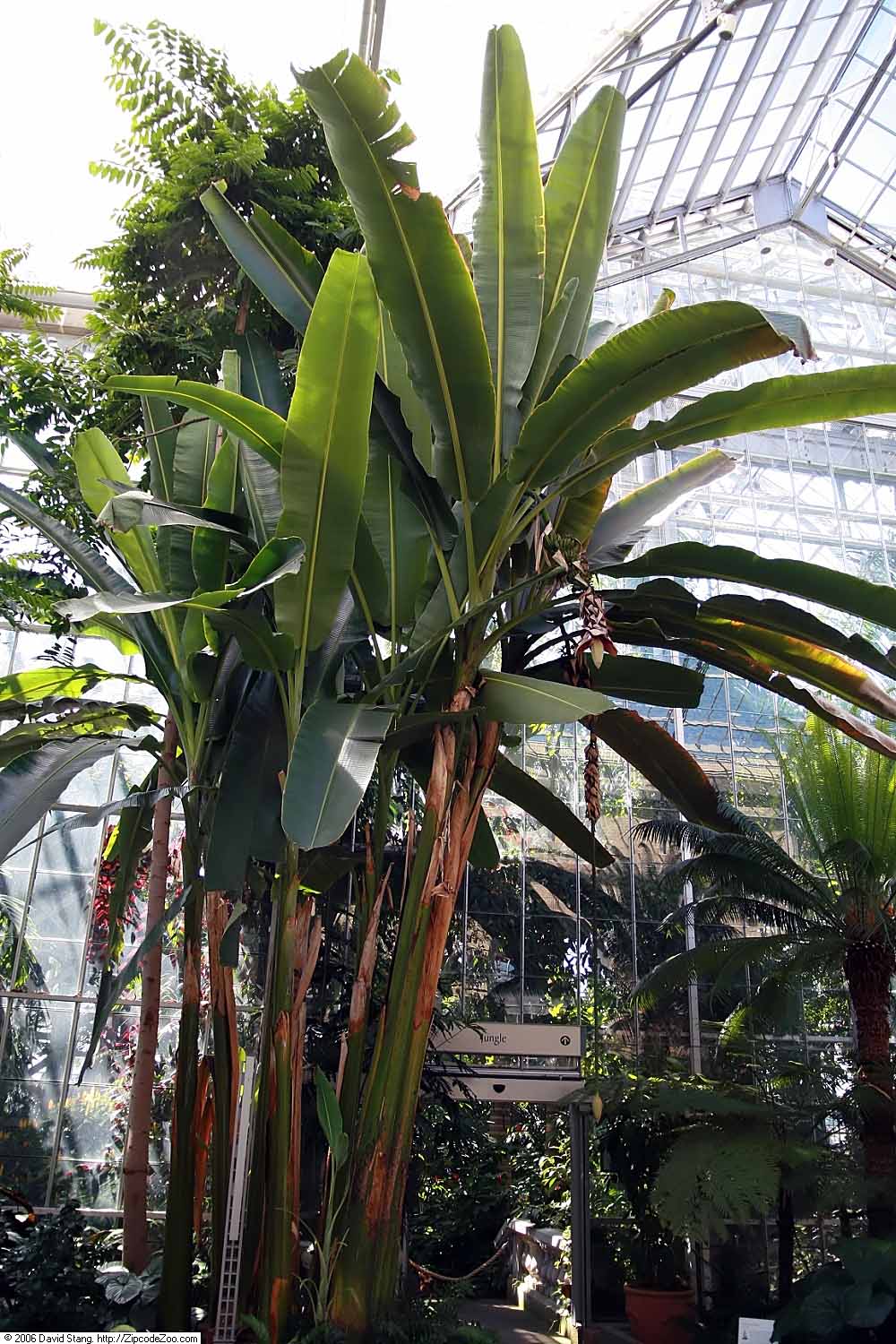
Abaca
Musa textilis
☀️ Full Sun 💧 High
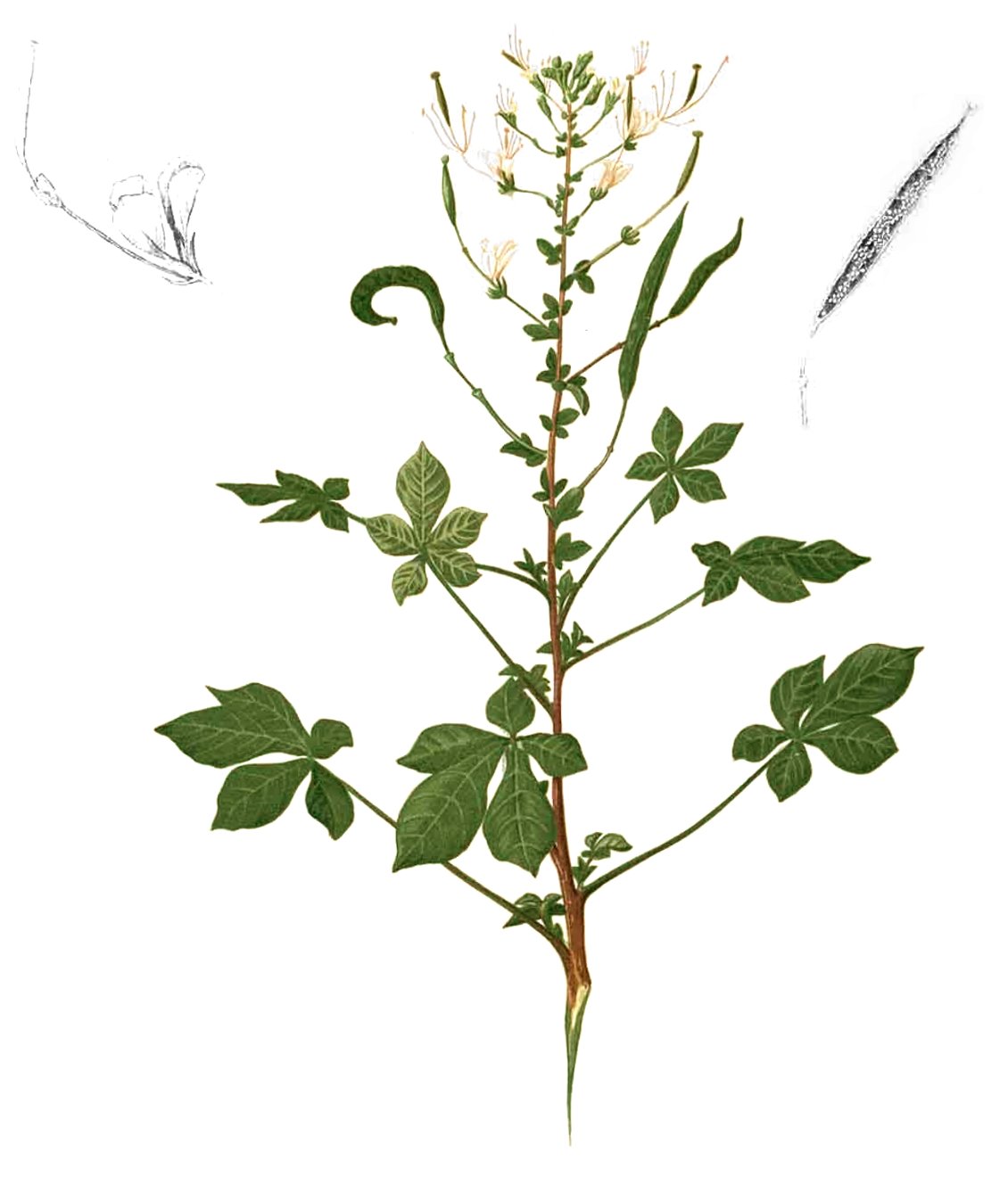
African Cabbage
Gynandropsis gynandra
☀️ Full Sun 💧 Moderate
African Lettuce
Launaea taraxacifolia
☀️ Full Sun 💧 Moderate
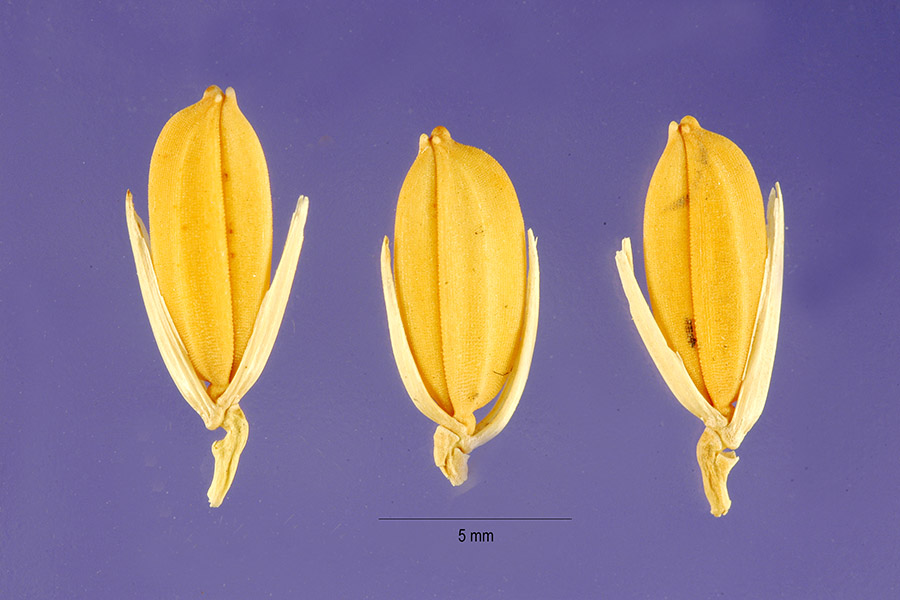
African Rice
Oryza glaberrima
☀️ Full Sun 💧 High
Ajwain
Trachyspermum ammi
☀️ Full Sun 💧 Moderate

Alfalfa
Medicago sativa
☀️ Full Sun 💧 Low

Alyce Clover
Alysicarpus vaginalis
☀️ Full Sun 💧 Moderate
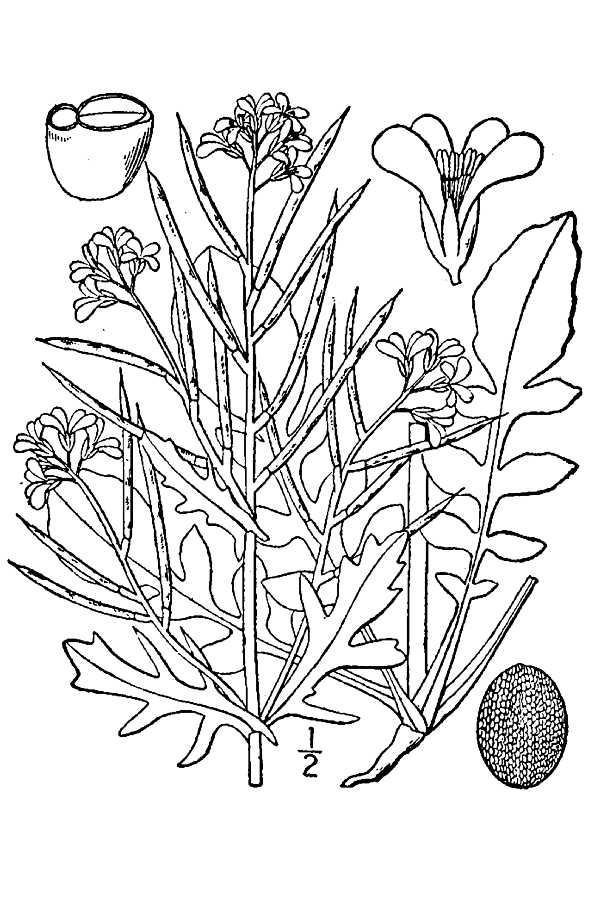
American Cress
Barbarea verna
☀️ Partial Shade 💧 Moderate
American Ginseng
Panax quinquefolius
☀️ Full Shade 💧 Moderate
Anise
Pimpinella anisum
☀️ Full Sun 💧 Moderate

Apple Mint
Mentha suaveolens
☀️ Full Sun 💧 Moderate

Aromatic Ginger
Kaempferia galanga
☀️ Partial Shade 💧 High

Arugula
Eruca vesicaria
☀️ Full Sun 💧 Moderate
Ashwagandha
Withania somnifera
☀️ Full Sun 💧 Low

Asian Plantain
Plantago asiatica
☀️ Full Sun 💧 Moderate

Baikal Skullcap
Scutellaria baicalensis
☀️ Full Sun 💧 Low
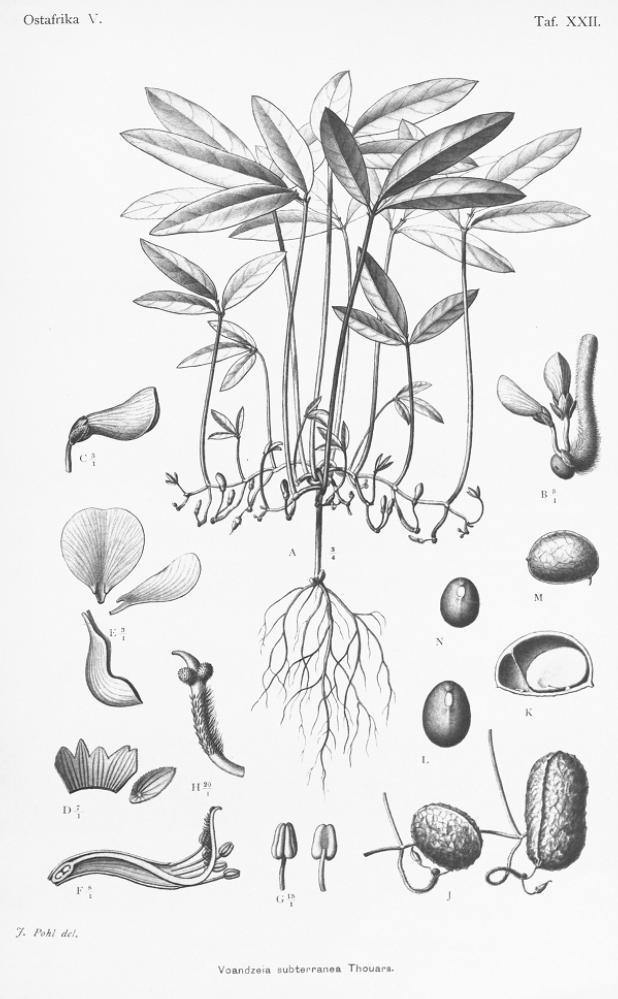
Bambara Groundnut
Vigna subterranea
☀️ Full Sun 💧 Moderate

Benghal Dayflower
Commelina benghalensis
☀️ Partial Sun 💧 High

Bible Hyssop
Origanum syriacum
☀️ Full Sun 💧 Low
Birthwort
Aristolochia clematitis

Black Cumin
Nigella sativa
☀️ Full Sun 💧 Moderate
Black Mustard
Brassica nigra
☀️ Full Sun 💧 Moderate

Black Nightshade
Solanum nigrum
☀️ Full Sun 💧 Moderate

Black Turmeric
Curcuma caesia
☀️ Partial Sun 💧 Moderate
Common Questions
What defines an herbaceous plant?
An herbaceous plant lacks a permanent woody stem above ground, producing flexible green stems that die back annually or after setting seed.
Do all herb plants die back in winter?
Perennial herbs die back to root level in freezing winter temperatures and resume growth in spring, whereas annual herbs die entirely after one season.
How much sunlight do herb plants need?
Most herbs require 6 to 8 hours of direct sun daily to maintain dense growth and synthesize aromatic essential oils.
Can herb plants grow indoors year-round?
Herbs grow indoors when given a south-facing window with 6 hours of natural sunlight or 12 hours under artificial LED grow lights.