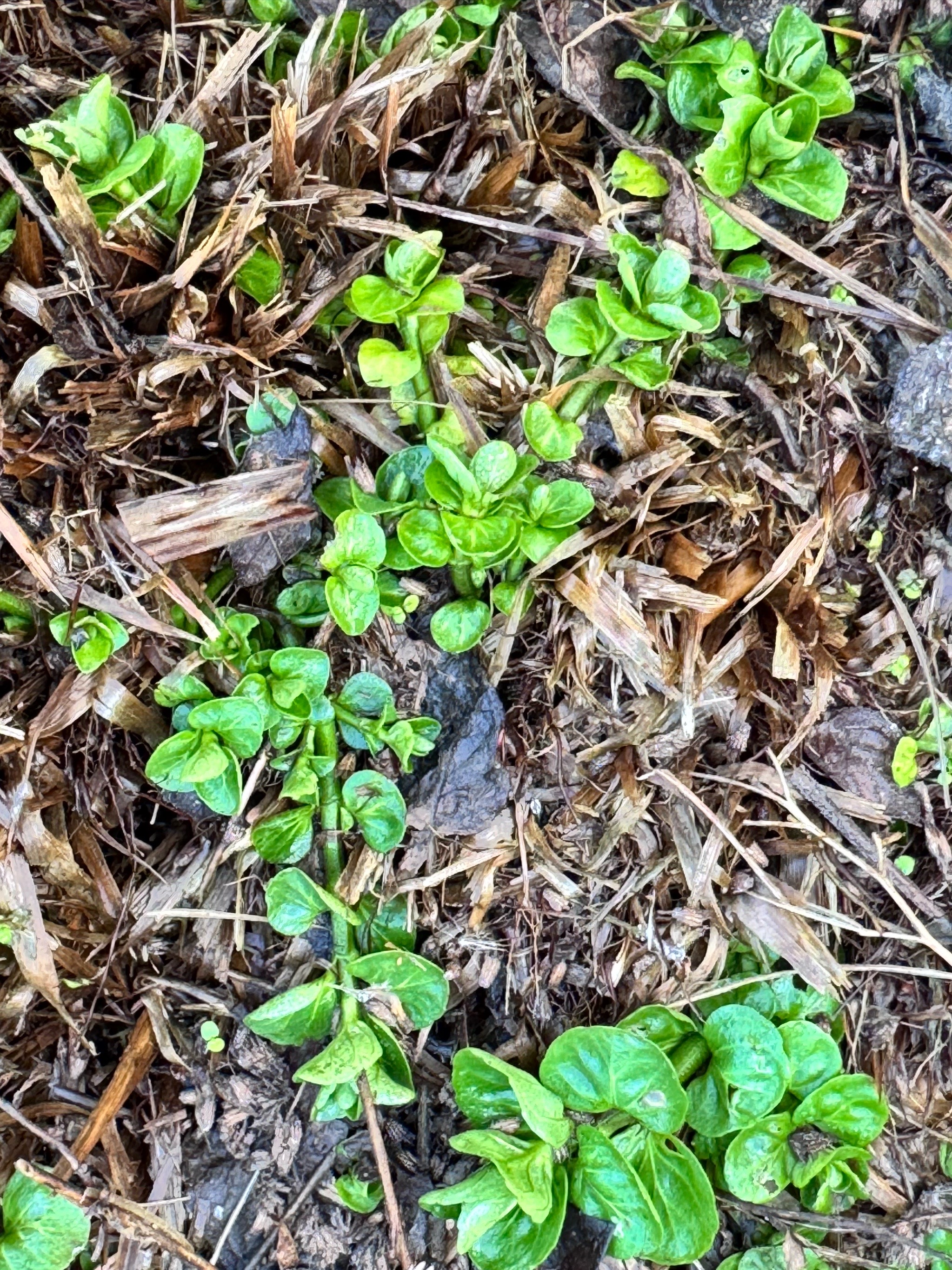
Peppermint, Mentha piperita, is a perennial herbaceous plant, a natural hybrid of watermint (Mentha aquatica) and spearmint (Mentha spicata), recognised by its strong, refreshing aroma.
This herb is easy to grow and can spread quickly, so it is often best cultivated in containers to manage its vigorous growth in your garden.
Key Facts
- Light: Full sun to partial shade
- Water: Keep soil consistently moist
- Height: 30-90 cm (1-3 ft)
- Spread: Spreads vigorously
- Hardiness: USDA Zones 3-11
- Harvest: Before flowering for best flavor
How to Grow Peppermint
Peppermint is an exceptionally vigorous plant, making it a good choice for beginner gardeners but requiring careful management of its spread.
It thrives with consistent moisture and good light, producing abundant aromatic foliage. If not contained, peppermint can quickly take over garden beds due to its extensive runner system.
Growing it in pots or raised beds is the best way to prevent it from outcompeting other plants in your garden.
What Does Peppermint Look Like?
Peppermint is characterised by its distinctive dark green, oval to lance-shaped leaves with serrated edges and prominent veins, often tinged with purple.
The stems are square, a common trait of the mint family (Lamiaceae), and can reach heights of 30 to 90 cm (1 to 3 ft). Small, whorled clusters of pink, purple, or white flowers appear at the top of the stems during summer.
The plant emits a strong, refreshing aroma when its leaves are crushed, due to its high menthol content.
Ideal Growing Conditions for Peppermint
Peppermint grows best in a location with full sun to partial shade, receiving at least 4-6 hours of direct sunlight daily.
While it tolerates some shade, more sun generally leads to a stronger flavor and more vigorous growth. The ideal temperature range for peppermint is 18-24 °C (65-75 °F), though it is quite hardy and can survive light frosts.
It prefers moist, well-drained soil rich in organic matter with a pH between 6.0 and 7.0.
How to Plant Peppermint
You can plant peppermint from seeds, cuttings, or divisions, with divisions being the easiest and most reliable method for established plants.
When planting, ensure adequate spacing or, ideally, plant in containers to control its spread. For garden beds, bury a bottomless bucket or root barrier to keep the runners in check.
- From Seeds: Start indoors 8-10 weeks before the last frost. Sow seeds thinly and lightly cover, as they need light to germinate.
- From Cuttings: Take 10-15 cm (4-6 inch) stem cuttings from a healthy plant, remove lower leaves, and place in water or moist potting mix. Roots typically form within 1-2 weeks.
- From Divisions: Dig up a clump of an existing peppermint plant, ensuring each section has roots and some foliage. Replant these sections directly into new locations or pots.
Peppermint Plant Care
Peppermint requires consistent moisture and regular pruning to maintain its health and productivity.
Keep the soil consistently moist but not waterlogged, especially during dry spells; never let the plant completely dry out. Peppermint is not a heavy feeder, so a balanced liquid fertiliser applied once a month during the growing season is usually sufficient, or you can amend the soil with compost.
Pinch back the growing tips regularly to encourage bushier growth and prevent the plant from flowering too early, which can diminish leaf flavour.
When and How to Harvest Peppermint
The best time to harvest peppermint leaves for optimal flavour is just before the plant begins to flower, typically in mid-summer.
Harvesting regularly encourages new growth and keeps the plant productive. You can take small amounts of leaves as needed throughout the growing season.
- For a larger harvest, cut stems down to about 5-10 cm (2-4 inches) above the ground, leaving at least one set of leaves to allow for regrowth.
- Harvesting in the morning after the dew has dried, but before the heat of the day, ensures the highest concentration of aromatic oils.
- Peppermint can often be harvested multiple times in a season, with new flushes of growth appearing after each cutting.
Culinary and Traditional Uses of Peppermint
Peppermint is widely used in culinary applications for its refreshing flavour and aroma, especially in teas, desserts, and drinks.
Fresh leaves are excellent in iced tea, mojitos, or chopped into fruit salads. It can also complement savoury dishes like lamb or peas.
Traditionally, peppermint has been used for its medicinal properties, particularly to aid digestion, relieve headaches, and soothe colds. Peppermint essential oil, derived from the leaves, is also used in aromatherapy and various topical applications.
Common Peppermint Plant Problems
Peppermint is generally robust, but it can encounter a few common problems, primarily fungal diseases and certain pests.
One common issue is mint rust, a fungal disease that causes orange or brown spots on the undersides of leaves and yellowing on the top. This can be managed by removing affected foliage and ensuring good air circulation around plants.
Pests like spider mites and aphids can also sometimes infest peppermint; a strong spray of water or insecticidal soap can help control these.
How to Store Peppermint Leaves
Fresh peppermint leaves can be stored for short periods, or preserved for longer use by drying or freezing.
For fresh storage, wrap unwashed sprigs in a damp paper towel and place them in a plastic bag in the refrigerator, where they will last for about a week. To dry peppermint, hang small bunches upside down in a cool, dark, well-ventilated area until brittle.
Alternatively, you can chop fresh leaves and freeze them in ice cube trays with water or oil, which is ideal for adding to cooked dishes later.
How to Propagate Peppermint
Peppermint is very easy to propagate using several methods, allowing you to quickly expand your supply or share with others.
The most common and effective methods are stem cuttings and division. You can also allow the plant to spread naturally via its runners.
- Stem Cuttings: Take 10-15 cm (4-6 inch) non-flowering stem cuttings. Remove the leaves from the bottom half and place the cuttings in a glass of water, changing the water every few days. Roots will form in 1-2 weeks, after which you can plant them in soil.
- Division: In spring or autumn, dig up an established clump of peppermint. Gently separate the root ball into smaller sections, ensuring each section has healthy roots and stems. Replant these sections directly into new locations or pots.
- Runners: Peppermint naturally sends out runners (stolons) along the soil surface that root where they touch the ground. You can simply dig up these rooted sections and transplant them.
Peppermint Care Through the Seasons
| Spring | Begin watering regularly as new growth appears. Apply a light, balanced liquid fertiliser once the plant is actively growing. Divide established plants to control spread and create new ones. |
|---|---|
| Summer | Water frequently to keep the soil consistently moist, especially during hot, dry spells. Harvest leaves regularly for best flavour, cutting stems before flowering. Pinch back tips to encourage bushiness. |
| Autumn | Reduce watering as temperatures drop. Cut back spent flower stalks and trim plants down to about 10-15 cm (4-6 inches) from the ground. Mulch outdoor plants in colder zones to protect roots. |
| Winter | Outdoor peppermint is dormant and needs minimal water. Indoor potted plants require less frequent watering, allowing the top 2-3 cm (1 inch) of soil to dry between waterings. Protect outdoor plants from severe frost. |
Peppermint Plant Problems Explained
| What you see | Likely cause | What to do |
|---|---|---|
| Yellowing leaves, stunted growth | Underwatering or nutrient deficiency | Increase watering frequency to keep soil consistently moist; apply a balanced liquid fertiliser. |
| Orange or brown spots on leaves | Mint rust (fungal disease) | Remove and destroy infected leaves immediately; ensure good air circulation around plants. |
| Wilting despite watering | Root rot from overwatering or poor drainage | Check soil drainage; if in a pot, repot into fresh, well-draining soil and reduce watering. |
| Small webs, speckled leaves | Spider mites | Spray plants with a strong stream of water or use insecticidal soap, focusing on leaf undersides. |
| Plant spreading aggressively | Natural growth habit | Plant in containers or use root barriers in garden beds to restrict spread; prune runners regularly. |
Popular Peppermint Varieties
- ‘Black Peppermint’ – dark purple stems, strong flavour
- ‘White Peppermint’ – green stems, milder flavour
- ‘Chocolate Mint’ – hint of chocolate aroma, often used in desserts
- ‘Lemon Mint’ (Mentha x piperita f. citrata) – citrusy aroma, good for teas
Frequently Asked Questions
How do you make peppermint tea from fresh leaves?
To make peppermint tea, simply steep 5-7 fresh peppermint leaves in a cup of hot water for 5-10 minutes. Adjust the number of leaves and steeping time to achieve your desired strength, then strain and enjoy.
Is peppermint safe for pets?
Peppermint can be mildly toxic to pets, especially cats and dogs, if consumed in large quantities or in its concentrated essential oil form. While a small nibble of the fresh plant might not cause harm, it's best to prevent pets from eating it to avoid potential gastrointestinal upset.
What is the difference between peppermint and spearmint?
Peppermint (Mentha piperita) has a stronger, more pungent menthol flavour and often darker, slightly purplish leaves, while spearmint (Mentha spicata) has a milder, sweeter flavour and brighter green, crinkled leaves. Peppermint's menthol content is much higher, giving it a cooling sensation.
How do you make peppermint oil at home?
You can make a simple infused peppermint oil by crushing fresh peppermint leaves and submerging them in a carrier oil like olive or almond oil. Let the mixture infuse in a cool, dark place for 2-4 weeks, then strain out the leaves. This is an infused oil, not a concentrated essential oil.
Does peppermint spread aggressively?
Yes, peppermint is known for its aggressive spreading habit due to its vigorous underground runners (stolons). To prevent it from taking over your garden, it is highly recommended to grow peppermint in containers or use root barriers when planting it in the ground.
Information about traditional or historical uses is provided for educational interest only and is not medical advice. Do not use any plant to treat a condition without speaking to a qualified professional.
Sources & Verification
Taxonomy and distribution are checked against the databases below. Care guidance is written for cultivated species only and reviewed by our editor. How We Build Plant Profiles →