Plants That Need Moderate Water
1,150 plant profiles · Discover 800+ plants that need moderate water. Learn soil moisture checks, seasonal watering rhythms, and how to select trees, bulbs, and shrubs.
Plants in the moderate water category require the top 2.5 to 5 cm (1 to 2 inches) of soil to dry out before you soak them again. They occupy the middle ground between drought-adapted desert flora and wetland species. Their roots decay in waterlogged compost, yet long dry spells trigger leaf scorch, stunted growth, and premature bud drop.
Selecting a species depends on your regional rainfall and garden drainage. Forest-edge shrubs like winter honeysuckle (Lonicera fragrantissima) and Chilean guava (Ugni molinae) thrive in moisture-retentive loams that stay cool around the crown. For large landscape plots, canopy trees such as Himalayan horse-chestnut (Aesculus indica) and swamp chestnut oak (Quercus michauxii) handle wet spring rains followed by periodic summer dry spells once established.
For borders and containers, bulbs and perennials follow distinct moisture phases. Formosa lily (Lilium formosanum) and pineapple lily (Eucomis comosa) demand even moisture while active foliage and flower spikes develop from late spring to autumn, followed by drier soil through winter dormancy. For shaded evergreen structure, Japanese plum yew (Cephalotaxus harringtonia) maintains needles on this moderate schedule without developing root rot.

Aaron’s Beard
Hypericum calycinum
☀️ Full Sun 💧 Moderate

Adzuki Bean
Vigna angularis
☀️ Full Sun 💧 Moderate
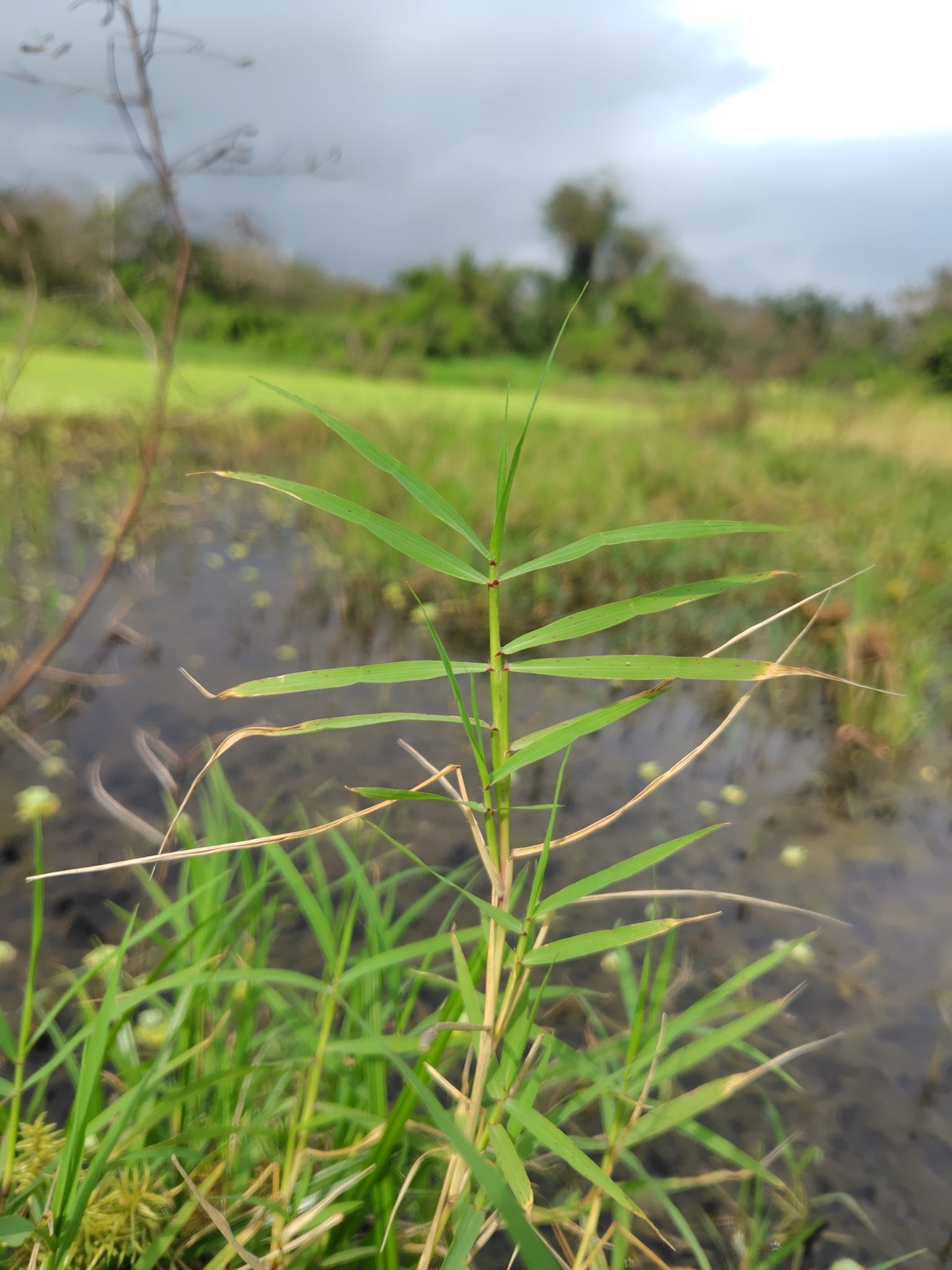
African Bermuda Grass
Cynodon nlemfuensis
☀️ Full Sun 💧 Moderate
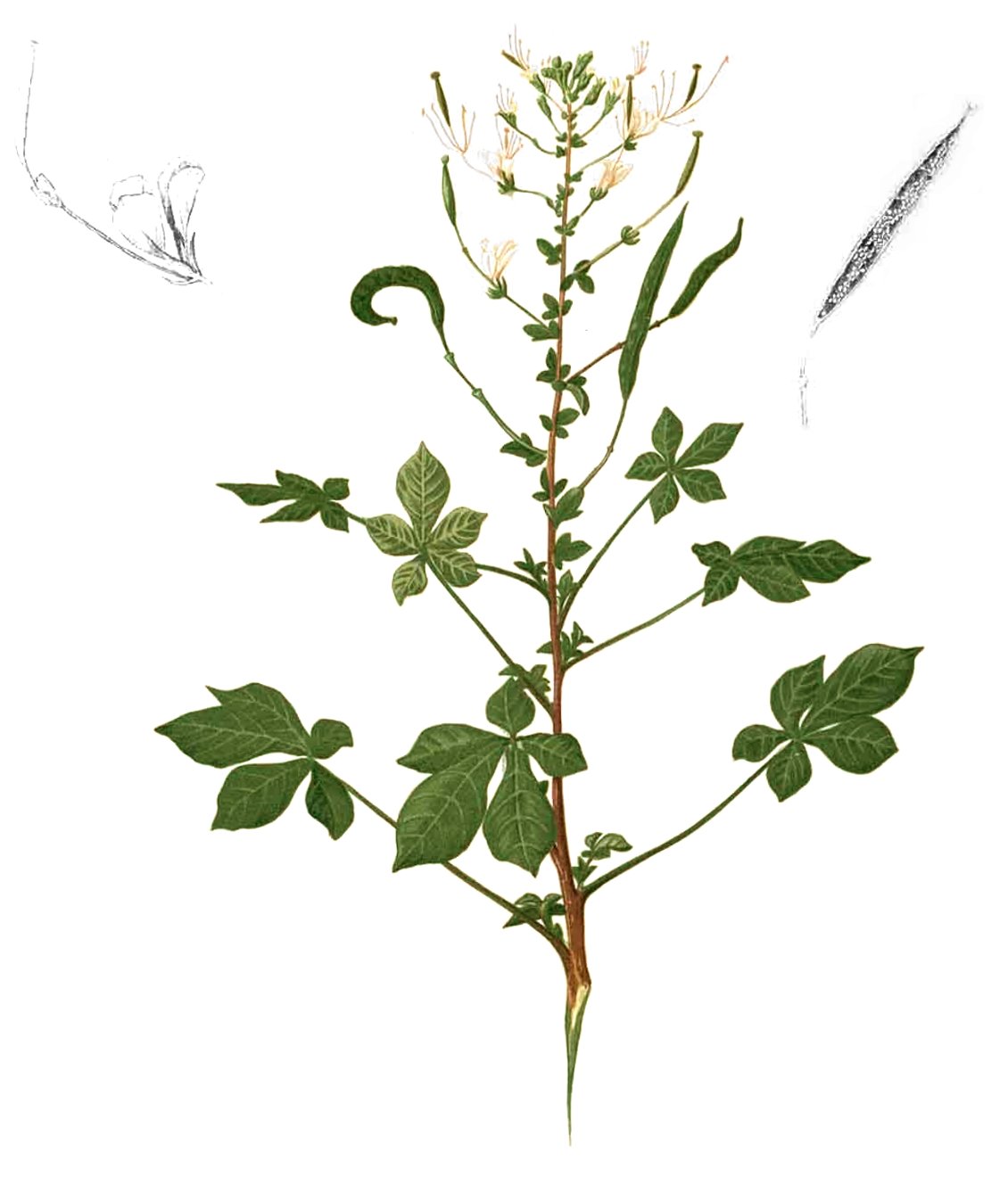
African Cabbage
Gynandropsis gynandra
☀️ Full Sun 💧 Moderate

African Cherry
Prunus africana
☀️ Full Sun 💧 Moderate

African Cornflag
Chasmanthe floribunda
☀️ Full Sun 💧 Moderate

African Eggplant
Solanum aethiopicum
☀️ Full Sun 💧 Moderate

African Gladiolus
Gladiolus dalenii
☀️ Full Sun 💧 Moderate

African Honeysuckle
Halleria lucida
☀️ Partial Sun 💧 Moderate
African Lettuce
Launaea taraxacifolia
☀️ Full Sun 💧 Moderate

African Lily
Agapanthus africanus
☀️ Full Sun 💧 Moderate

African Marigold
Tagetes erecta
☀️ Full Sun 💧 Moderate

African Potato
Coleus esculentus
☀️ Full Sun 💧 Moderate

African Tulip Tree
Spathodea campanulata
☀️ Full Sun 💧 Moderate

African Violet
Streptocarpus ionanthus
☀️ Bright Indirect 💧 Moderate

Air Potato
Dioscorea bulbifera
☀️ Full Sun 💧 Moderate

Aji Pepper
Capsicum baccatum
☀️ Full Sun 💧 Moderate
Ajwain
Trachyspermum ammi
☀️ Full Sun 💧 Moderate
Alder Buckthorn
Frangula alnus
☀️ Partial Sun 💧 Moderate
Alexandrian Laurel
Calophyllum inophyllum
☀️ Full Sun 💧 Moderate
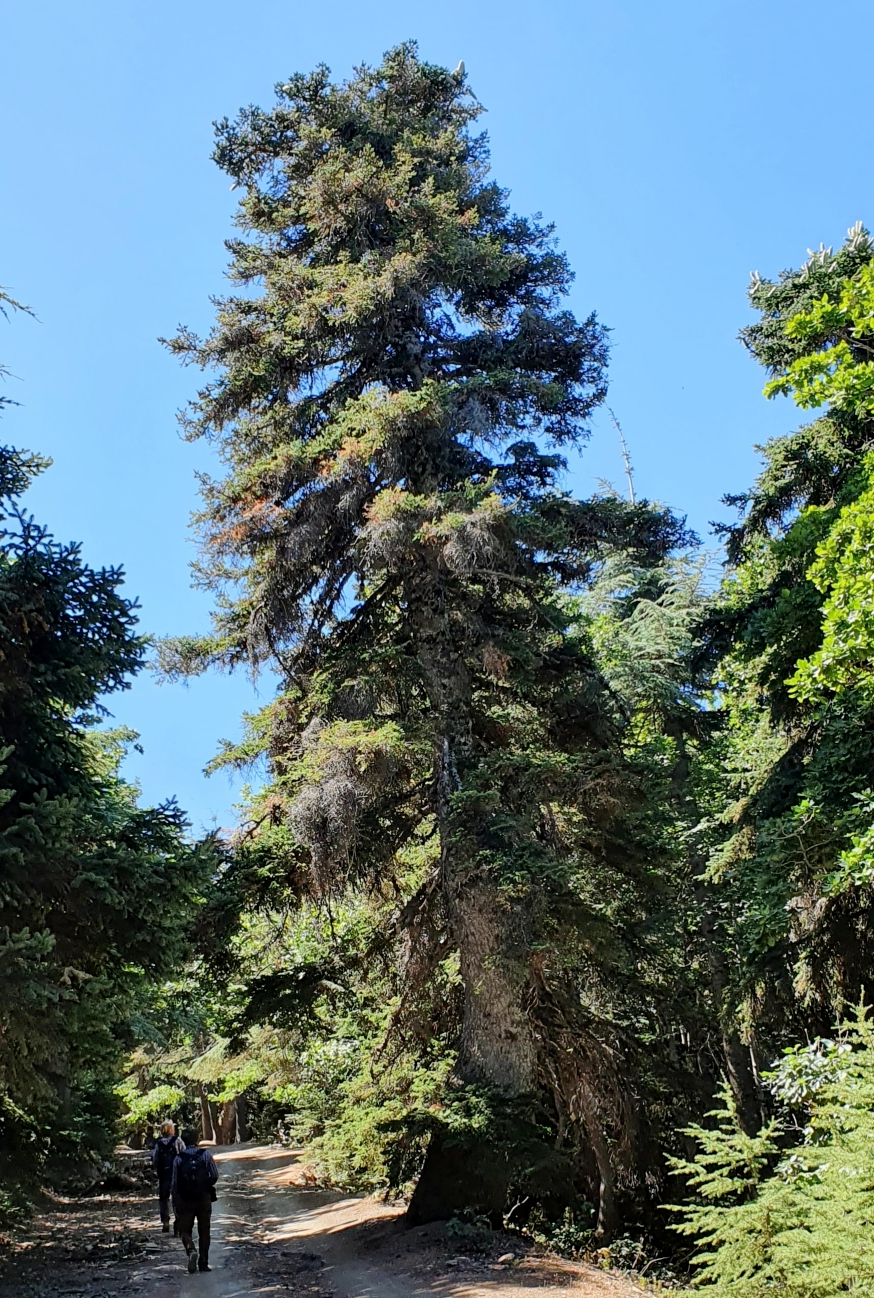
Algerian Fir
Abies numidica
☀️ Full Sun 💧 Moderate

Algerian Oak
Quercus canariensis
☀️ Full Sun 💧 Moderate
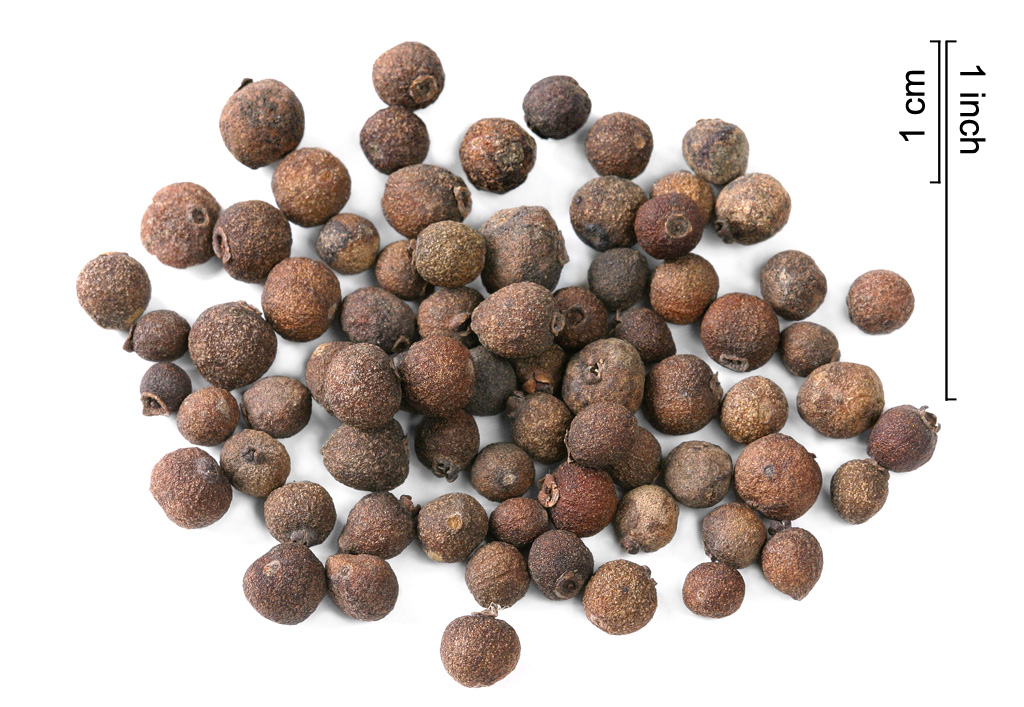
Allspice
Pimenta dioica
☀️ Full Sun 💧 Moderate

Almond
Prunus amygdalus
☀️ Full Sun 💧 Moderate
Common Questions
What does moderate water mean for plants?
Moderate water means soaking the root zone thoroughly whenever the top 2.5 to 5 cm (1 to 2 inches) of soil has dried. For outdoor garden beds, this typically equals about 2.5 cm (1 inch) of total moisture per week from rainfall or supplemental irrigation during the active growing season.
How do you check if a moderate water plant needs watering?
Insert a wooden chopstick or your finger 5 cm (2 inches) into the soil near the root ball. If the probe comes out clean and dry, apply water until it reaches the base of the roots; if damp soil clings to it, check again in two days.
Can moderate water plants survive dry periods?
Established woody species can tolerate two to three weeks without rainfall by slowing active growth, but herbaceous perennials and container plants wilt within days. Spreading a 5 cm (2-inch) mulch layer of aged bark or leaf mold moderates soil temperature and slows water loss.
How often should you water moderate water plants in winter?
Water dormant outdoor plants roughly once every three to four weeks during dry spells when the air and soil temperatures remain above 4 °C (40 °F). Deciduous trees like the Caucasian oak (Quercus macranthera) lose no moisture through leaves in winter, meaning cold, saturated soil will quickly rot the dormant root network.