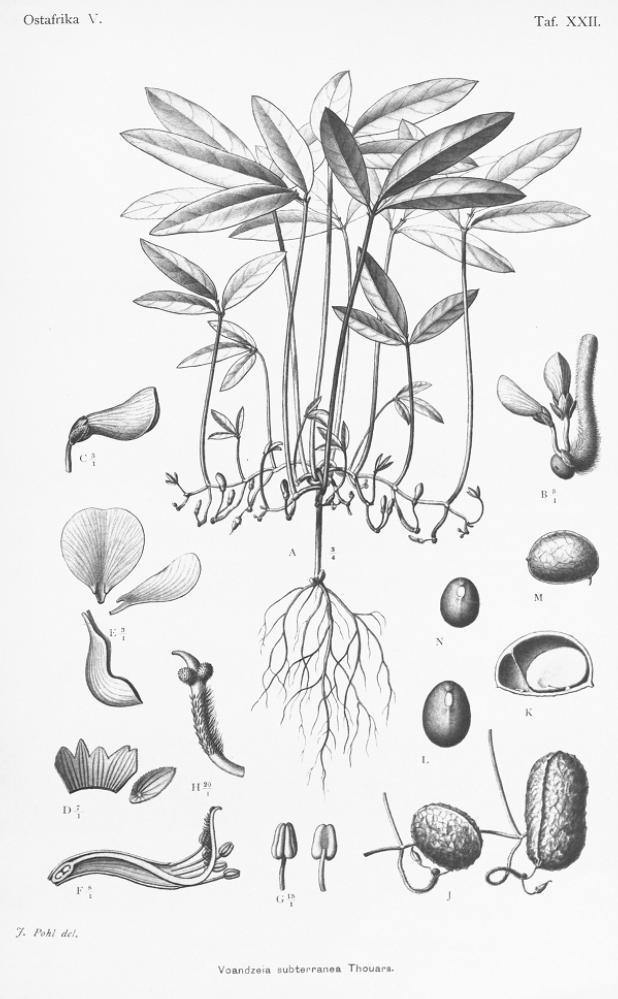
Adzuki bean (Vigna angularis) is a short-season annual legume native to East Asia, widely recognized for producing compact pods filled with small, sweet-tasting red seeds. Unlike climbing bean species, most cultivars grow in an upright bush habit that requires little to no staking.
You will need a warm growing season of at least 90 to 120 frost-free days to harvest a successful crop of dry beans. Sow seeds directly in the garden after all danger of spring frost has passed and soil temperatures reach 18 °C (65 °F).
Key Facts
- Type: Annual legume crop
- Sunlight: Full sun
- Water: Moderate, regular moisture
- Soil: Well-drained loam
- Harvest: 90 to 120 days
Is Adzuki Bean Easy to Grow in Your Garden?
Adzuki bean is exceptionally straightforward to grow if you live in a region with warm summers and reliable rainfall. This crop fits well into small vegetable plots or raised beds because plants grow upright and rarely exceed 90 cm (3 ft) in height. You can expect a high return from minimal space when seeds are planted in fertile, well-drained soil.
Choose a spot that receives at least 6 to 8 hours of direct sunlight daily for maximum pod production. Avoid heavy clay soils that retain standing water after heavy rainstorms, as wet roots invite fungal pathogens.
What Do Adzuki Bean Plants Look Like?
Adzuki bean plants feature trifoliate leaves with broad, oval leaflets measuring 5 to 10 cm (2 to 4 in) in length along slightly hairy stems. Small, bright yellow pea-like flowers appear in clusters of 6 to 12 blossoms along the leaf axils during midsummer. As flowers fade, cylindrical pods measuring 5 to 10 cm (2 to 4 in) form, turning from green to straw-brown as they mature.
Inside each papery pod sit 2 to 12 smooth, hard seeds with a distinctive white linear scar, known as the hilum, running along one side. While traditional cultivars display a uniform dark red color, modern selections include white, black, gray, and mottled variations.
Ideal Growing Conditions for Adzuki Beans
Adzuki beans thrive in daytime temperatures between 20 °C and 30 °C (68 °F to 86 °F) throughout the growing season. Soil should be neutral to slightly acidic, targeting a pH range of 6.0 to 7.0 for optimal nutrient uptake.
- Provide full sun exposure for at least 8 hours every day.
- Amend heavy garden soil with compost or coarse sand to improve drainage.
- Maintain consistent soil moisture without waterlogging the root zone.
How to Sow Adzuki Bean Seeds
Sow adzuki bean seeds directly into garden soil after all spring frost danger has passed and temperatures remain above 15 °C (59 °F). Planting too early in cold, wet soil will cause seeds to rot before germination occurs.
- Push seeds 2 to 3 cm (1 inch) deep into the soil surface.
- Space individual seeds 5 to 10 cm (2 to 4 in) apart within rows.
- Keep rows spaced 45 to 60 cm (18 to 24 in) apart to allow adequate airflow.
- Thin established seedlings to one plant every 15 cm (6 in) once they reach 10 cm (4 in) tall.
Adzuki Bean Care and Watering Schedule
Water adzuki beans deeply once a week during dry spells, allowing the top 3 cm (1 in) of soil to dry out between watering sessions. Overhead watering should be minimized to prevent moisture from lingering on foliage and spreading fungal spores.
Apply a balanced organic mulch around the base of plants to suppress weeds and conserve soil moisture during peak summer heat. Because these plants fix their own atmospheric nitrogen through symbiotic root bacteria, heavy nitrogen fertilizers are unnecessary and will only produce excessive foliage at the expense of bean pods.
When and How to Harvest Adzuki Beans
Harvest dry adzuki beans when 80% to 90% of the pods have turned brown and brittle on the plant, usually in early autumn. Cut entire plants at the soil line or hand-pick individual dry pods before autumn rains set in.
- Spread harvested pods on a tarp in a warm, dry room for 7 to 10 days to finish drying.
- Thresh dry pods by hand or stomp them inside a pillowcase to crack shells open.
- Winnow the debris by pouring seeds between two bowls in front of a gentle fan.
- Store thoroughly dried seeds in airtight glass jars in a cool, dark cupboard.
Nutritional Benefits and Culinary Uses
Adzuki beans provide a rich source of plant-based protein, dietary fiber, iron, and potassium while remaining low in total fat. Traditional Asian culinary applications involve boiling the beans with sugar to create sweet red bean paste, known as anko, used in pastries, buns, and ice cream.
You can also boil dried seeds for savory soups, salads, and grain bowls after soaking them overnight in cold water. In traditional herbal practices, the beans were prepared as broths or teas to support kidney health and reduce fluid retention.
Common Problems and Pests
Adzuki beans suffer few serious pests, but aphids and bean weevils can occasionally damage crops during warm, humid weather. Root rot will develop rapidly if plants are grown in poorly draining clay soils or subjected to prolonged overwatering.
- Yellow leaves: Caused by root rot from soggy soil; improve drainage and reduce watering frequency.
- Holes in leaves: Caused by bean leaf beetles or caterpillars; apply neem oil or hand-pick pests.
- Weevil damage in storage: Freeze dried beans for 48 hours before long-term storage to kill hidden insect eggs.
How to Store Adzuki Beans Properly
Store properly dried adzuki beans in airtight glass or metal containers kept in a cool, dark pantry where they will remain viable for 12 to 18 months. Older beans take significantly longer to cook and may require extended soaking times before softening.
Check moisture levels regularly by biting into a test seed; if it gives under your teeth, the batch needs additional air-drying before sealing. Cooked adzuki beans can be stored in sealed containers inside the refrigerator for up to 5 days or frozen for up to 6 months.
Adzuki Bean Care Through the Seasons
| Spring | Prepare garden beds by mixing in compost and wait for soil temperatures to reach 18 °C (65 °F) before direct sowing seeds outdoors. |
|---|---|
| Summer | Provide weekly water during dry spells, monitor for aphids, and hand-weed around young plants to prevent competition. |
| Autumn | Harvest pods as they turn brown and brittle, dry them indoors, and shell seeds for winter storage. |
| Winter | Clean up spent plant debris from garden beds and review seed catalogs for the upcoming growing season. |
Adzuki Bean Pest and Growing Problems
| What you see | Likely cause | What to do |
|---|---|---|
| Stunted growth and yellowing foliage | Overwatering or compacted soil | Allow soil to dry completely between waterings and loosen surrounding earth. |
| Blossom drop without forming pods | Extreme summer heat above 35 °C (95 °F) | Provide temporary afternoon shade netting during heatwaves. |
| Small holes in stored dry beans | Bean weevil larvae | Freeze harvested seeds for 48 hours immediately after drying to kill hidden pests. |
Popular Adzuki Bean Cultivars
- ‘Takara’ – high-yielding bush habit with uniform bright red seeds
- ‘Erimo’ – early maturing cultivar favored for sweet bean paste production
- ‘Dark Red’ – heirloom variety with deep maroon seeds and earthy flavor
- ‘Shiro-zu’ – rare cultivar producing creamy white seeds
Frequently Asked Questions
How long do adzuki beans take to cook?
Adzuki beans take about 45 to 60 minutes to cook on the stovetop after soaking overnight in cold water. Unsoaked beans require roughly 90 minutes of simmering to become tender.
What is the difference between adzuki beans and regular red beans?
Adzuki beans (Vigna angularis) are smaller, rounder, and feature a distinct white stripe along their seam, whereas common red kidney beans (Phaseolus vulgaris) are larger, kidney-shaped, and require thorough boiling to break down toxic lectins.
Are adzuki beans toxic if eaten raw?
Raw adzuki beans contain natural enzyme inhibitors and lectins that can cause digestive upset, so they must always be soaked and thoroughly cooked before consumption.
What climate zone do adzuki beans grow in?
Adzuki beans grow successfully as annual summer crops across USDA zones 3 through 11, requiring a warm frost-free season of 90 to 120 days.
Can you grow adzuki beans in containers?
You can easily grow adzuki beans in containers by choosing a pot at least 30 cm (12 in) wide and deep filled with well-drained potting mix.
Information about traditional or historical uses is provided for educational interest only and is not medical advice. Do not use any plant to treat a condition without speaking to a qualified professional.
Sources & Verification
Taxonomy and distribution are checked against the databases below. Care guidance is written for cultivated species only and reviewed by our editor. How We Build Plant Profiles →