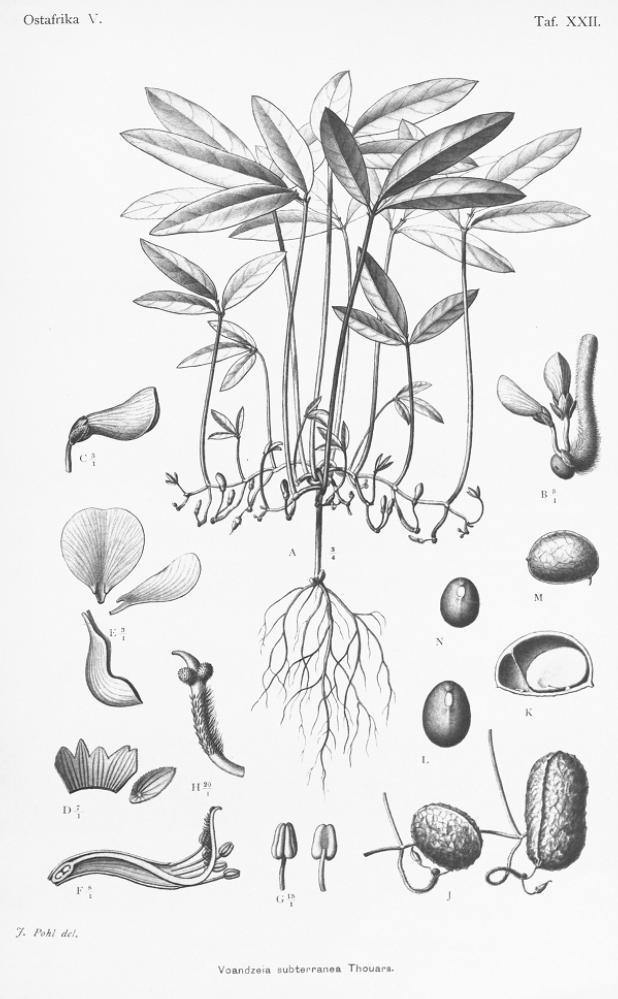
Black gram is an upright, bushy annual legume native to South Asia, scientifically known as Vigna mungo. It produces velvety pods containing small, dark seeds prized in regional cuisine and valued for its ability to fix nitrogen in agricultural soils.
You will need a warm growing season and well-drained soil to harvest these protein-packed beans successfully. Expect pods to mature within 90 to 120 days from sowing your seeds directly outdoors.
Key Facts
- Type: Annual warm-season legume
- Harvest: 90 to 120 days to maturity
- Temperature: 25-35 °C (77-95 °F) optimal
- Soil: Well-drained loams
- Sun: Full sun required
What It Is Like to Grow Black Gram
Growing black gram suits gardeners looking for a fast, rewarding warm-season crop that improves garden soil while producing nutritious food. You get a resilient, bushy plant that thrives in heat and demands very little attention once established. The single most important rule is to avoid waterlogged soil, which causes root rot almost immediately.
Plants reach a manageable height of 30 to 60 cm (12 to 24 in), making them suitable for small vegetable plots or raised beds. As a legume, it forms symbiotic relationships with soil bacteria to capture atmospheric nitrogen. This natural process leaves the ground richer for subsequent plantings of heavy feeders like sweet corn (Zea mays) or tomatoes (Solanum lycopersicum).
How to Identify the Black Gram Plant
You can identify black gram by its hairy stems, trifoliate leaves, and clusters of small yellow flowers. The plant grows as an erect or semi-erect bush covered in fine brown or white hairs across both stems and foliage. Leaflets are oval to lanceolate, measuring roughly 5 to 10 cm (2 to 4 in) in length.
- Flowers: Small, bright yellow blooms grouped in short axillary clusters
- Pods: Cylindrical, hairy pods measuring 4 to 6 cm (1.5 to 2.4 in) long
- Seeds: Small oblong beans with a distinct white hilum, coated in a dark brownish-black seed coat
Ideal Growing Conditions for Black Gram
Your black gram crop requires consistent warmth and intense sunlight to produce a heavy harvest of pods. Maintain temperatures between 25 and 35 °C (77 and 95 °F) throughout the growing cycle. Seeds will fail to germinate if soil temperatures drop below 18 °C (64 °F).
- Light: Full sun with at least 6 to 8 hours of direct sunlight daily
- Soil: Fertile sandy loams or clay loams with a neutral pH between 6.0 and 7.5
- Drainage: Excellent drainage is mandatory to prevent fungal diseases
How and When to Plant Black Gram Seeds
Sow your black gram seeds directly into the garden bed after all danger of spring frost has passed and soil has thoroughly warmed up. Plant seeds at a depth of 2 to 3 cm (0.8 to 1.2 in) to ensure strong root emergence. Space individual seeds about 10 cm (4 in) apart in rows spaced 30 cm (12 in) apart.
Pre-soaking your seeds in clean water for 4 to 6 hours before sowing can accelerate germination by softening the hard seed coat. Seedlings typically break the soil surface within 5 to 7 days when soil moisture and warmth are optimal.
Water and Care Routine for Black Gram
Provide moderate moisture while your plants are growing, reducing water volume once the pods begin to dry out on the stems. Water at the base of the plant early in the morning to keep foliage dry and minimize fungal spore germination. Established plants tolerate brief dry spells, but drought during the flowering phase will cause blossom drop.
- Irrigation: Give about 2.5 cm (1 in) of water per week through rainfall or deep watering
- Weed Control: Keep beds weed-free during the first 4 weeks while plants establish canopy cover
- Fertilizing: Skip heavy nitrogen fertilizers since the plant produces its own; add a little phosphorus if soil is poor
How to Harvest Black Gram
Harvest your black gram pods by hand when they turn brown or black and feel dry and brittle to the touch. Pick pods promptly before they twist open naturally and drop their seeds onto the ground. Most varieties are ready for picking in 90 to 120 days from the initial sowing date.
Gather your harvest in the late morning after any morning dew has evaporated completely from the plants. If weather threatens rain, pull entire plants and hang them upside down in a sheltered, well-ventilated shed to finish drying.
Culinary and Traditional Uses of Black Gram
Use whole black gram to prepare earthy stews like dal makhani, or split the seeds to make white lentil dishes known as urad dal. Soaked black gram is packed with dietary protein, iron, and potassium, offering sustained energy. Traditionally, crushed seeds were also ground into pastes for soothing skin care applications.
To cook whole seeds efficiently, soak them in water for at least 8 hours or overnight before simmering. Pressure cooking soaked beans for 20 to 25 minutes yields a creamy texture ideal for curries and flatbread stuffings.
Common Problems and Pests Affecting Black Gram
Watch out for common pests like aphids (Aphis craccivora) and pod borers that attack foliage and developing seed pods during humid weather. Handpick larger caterpillars immediately and wash heavy aphid colonies off with a strong jet of water from your garden hose. Crop rotation helps prevent soil-borne pathogens from building up in your garden beds.
- Yellow Leaves: Usually caused by waterlogged soil or nitrogen deficiency in early stages
- Powdery Mildew: Appears as white powdery spots on leaves; treat with a sulfur-based fungicide
- Root Rot: Caused by fungi in poorly draining soil; remove infected plants immediately
How to Store Black Gram Beans
Store your dried black gram seeds in airtight glass jars or food-grade containers kept in a cool, dark cupboard. Properly dried beans with a moisture content below 12 percent will remain viable for cooking for up to 2 years.
Check your stored jars monthly for any signs of insect activity, particularly weevils. If you suspect pests, place dried beans in a domestic freezer for 48 hours to kill any hidden insect eggs before long-term storage.
Black Gram Through the Seasons
| Spring | Prepare garden beds by digging in organic compost and sowing seeds directly after the last frost date. |
|---|---|
| Summer | Water plants consistently during dry spells and monitor for aphids or powdery mildew outbreaks. |
| Autumn | Harvest mature dry pods, shell the seeds, and store them securely in airtight glass containers. |
| Winter | Clear away old plant debris to prevent overwintering fungal spores and plan crop rotation for next season. |
Diagnosing Black Gram Plant Problems
| What you see | Likely cause | What to do |
|---|---|---|
| Yellow lower leaves | Overwatering or poor drainage | Let the soil dry out completely between waterings and improve bed drainage. |
| Blossom drop | Extreme heat or drought stress | Provide consistent moisture and temporary shade cloth if temperatures exceed 38 °C (100 °F). |
| Holes in leaves and pods | Pod borer caterpillars | Handpick caterpillars and apply organic Bacillus thuringiensis if infestation spreads. |
Popular Black Gram Varieties
- ‘T-9’ – early maturing variety with high resistance to yellow mosaic virus
- ‘Pant U 31’ – high-yielding cultivar suited for summer and monsoon cropping
- ‘UG 218’ – compact growth habit with tolerance to pod shattering
Frequently Asked Questions
What is black gram?
Black gram is a protein-rich legume native to South Asia, grown for its edible dark seeds used widely in regional cuisine.
Is black gram gluten free?
Yes, black gram is a naturally gluten-free legume and serves as a nutritious flour ingredient for flatbreads and batters.
Does black gram increase weight?
Black gram is calorie-dense and rich in protein, so consuming it in large quantities can contribute to weight gain if paired with a sedentary lifestyle.
Is black gram good for weight loss?
Black gram provides high amounts of dietary fiber and protein which promote satiety, helping control appetite during weight loss programs.
How to cook black gram?
Soak whole black gram seeds for 8 hours, then pressure cook them for 20 to 25 minutes until tender before adding to curries.
What is whole black gram?
Whole black gram refers to the intact seed with its black skin on, whereas split seeds without skins are known as white lentil or urad dal.
Information about traditional or historical uses is provided for educational interest only and is not medical advice. Do not use any plant to treat a condition without speaking to a qualified professional.
Sources & Verification
Taxonomy and distribution are checked against the databases below. Care guidance is written for cultivated species only and reviewed by our editor. How We Build Plant Profiles →