

The tomato (Solanum lycopersicum) is a perennial plant in the nightshade family usually grown as an annual for its edible, fleshy berries. Native to western South America, it is now cultivated worldwide in temperate and tropical climates for fresh consumption and processing.
You will need a minimum of 6 to 8 hours of direct sunlight daily to produce a successful crop. Consistent soil moisture and warmth are the primary requirements for high yields.
Key Facts
- Light: Full sun, at least 6-8 hours daily
- Water: Keep soil consistently moist but never waterlogged
- Temperature: Thrives between 18-24 °C (65-75 °F)
- Soil: Rich, well-draining, slightly acidic soil (pH 6.0-6.8)
- Harvest: Pick when fruits reach full, uniform colour
Why Grow Tomatoes at Home
Growing tomatoes is the most rewarding project for any home gardener with a sunny patch or a large container. You gain access to flavour profiles and varieties that rarely survive the logistics of commercial transport.
These plants respond quickly to basic care, often producing their first harvest within 60 to 90 days after transplanting. Whether you have a small balcony or a large allotment, there is a cultivar suited to your space.
- Select determinate varieties for compact, container-friendly growth.
- Choose indeterminate types for continuous production until the first frost.
- Expect yields of 5-10 kg (11-22 lbs) per plant under ideal conditions.
Tomato Plant Identification
You can identify a tomato by its compound, serrated leaves and distinctive, pungent scent when the foliage is brushed. The plants grow as sprawling vines or upright bushes, often reaching heights of 1.5 m (5 ft) or more if supported.
The small, five-petaled yellow flowers appear in clusters along the stems. These develop into berries that transition from green to red, orange, yellow, or purple as they ripen.
- Leaves are pinnately compound, meaning leaflets are arranged along a central stalk.
- Stems are often covered in fine, glandular hairs.
- Fruit size ranges from 1 cm (0.4 in) in cherry types to over 10 cm (4 in) in beefsteak varieties.
Ideal Growing Conditions
Tomatoes require at least 6-8 hours of direct sunlight every day to thrive and produce fruit. They are sensitive to cold and should only be moved outdoors once night temperatures consistently stay above 10 °C (50 °F).
Soil should be fertile, loose, and well-draining to prevent root rot. If your native soil is heavy clay, mix in 5-10 cm (2-4 in) of organic compost before planting.
- Maintain a soil pH between 6.0 and 6.8 for optimal nutrient uptake.
- Protect plants from strong, drying winds which can damage stems.
- Ensure adequate spacing of 45-60 cm (18-24 in) to allow for airflow.
How to Sow Tomato Seeds
Start your seeds indoors 6 to 8 weeks before the last expected spring frost date. Use a high-quality seed starting mix and keep the containers in a warm spot, ideally around 21-24 °C (70-75 °F).
Once the seedlings develop their first set of true leaves, transplant them into larger individual pots. This encourages a stronger root system before they are moved to their permanent home.
- Plant seeds 0.5 cm (0.25 in) deep in moist soil.
- Provide bright, indirect light immediately after germination.
- Harden off seedlings by placing them outside for a few hours daily over 7-10 days.
Tomato Care and Maintenance
Consistent watering is the secret to preventing fruit cracking and blossom end rot. Aim to keep the soil evenly moist, watering at the base of the plant to keep foliage dry and reduce fungal disease.
Feed your plants with a balanced, organic fertilizer once they begin to flower. Avoid high-nitrogen fertilizers at this stage, as they encourage leafy growth at the expense of fruit production.
- Apply 2-3 cm (1 in) of mulch to retain soil moisture.
- Prune lower leaves that touch the soil to prevent soil-borne pathogens.
- Support indeterminate varieties with stakes or cages to keep fruit off the ground.
When to Harvest Tomatoes
Harvest your fruit when it reaches full, uniform colour and feels slightly soft to the touch. The exact timing depends on the variety, but most are ready 60 to 90 days after transplanting.
If a frost is predicted, you can pick green tomatoes and ripen them indoors in a paper bag. This prevents the fruit from being damaged by freezing temperatures.
- Twist the fruit gently or use garden shears to cut the stem.
- Store ripe tomatoes at room temperature, never in the refrigerator.
- Check plants daily during peak season to ensure you don’t miss ripe fruit.
Common Tomato Problems
Most issues with tomatoes are caused by inconsistent watering or fungal pathogens. Keep a close eye on your plants to catch problems early before they spread to the entire crop.
- Blossom end rot: Caused by calcium deficiency or uneven moisture; ensure steady watering.
- Tomato hornworms: Large green caterpillars that eat leaves; pick them off by hand.
- Blight: Fungal spots on leaves; remove affected foliage and improve airflow.
- Fruit cracking: Often due to heavy rain after a dry spell; maintain steady soil moisture.
Culinary Uses for Tomatoes
Tomatoes are incredibly versatile ingredients used in everything from fresh salads to complex sauces. They are a staple in cuisines worldwide, providing acidity, sweetness, and umami.
You can preserve your harvest by canning, drying, or freezing them for later use. Fresh fruit is best consumed within a few days of picking to maintain peak flavour.
- Make homemade tomato sauce by simmering peeled, seeded fruit with garlic and herbs.
- Prepare tomato soup by roasting fresh fruit with onions and stock.
- Use cherry varieties raw in salads or roasted for a concentrated flavour.
Tomato Through the Year
| Spring | Start seeds indoors 6-8 weeks before the last frost. Prepare garden beds with compost and transplant seedlings once the soil warms. |
|---|---|
| Summer | Water deeply and consistently at the base. Monitor for pests like hornworms and prune lower leaves to improve airflow. |
| Autumn | Harvest remaining fruit before the first frost. Remove and compost diseased plant material to prevent overwintering pests. |
| Winter | Clean and store garden tools. Plan your crop rotation for the next season to maintain soil health. |
What Is Wrong With My Tomato
| What you see | Likely cause | What to do |
|---|---|---|
| Yellowing lower leaves | Nitrogen deficiency or overwatering | Check soil moisture and apply a balanced organic liquid feed. |
| Blossom end rot | Calcium uptake issues due to dry soil | Maintain consistent soil moisture throughout the growing season. |
| Holes in leaves | Hornworms or beetles | Inspect plants daily and remove pests by hand. |
Frequently Asked Questions
Is a tomato a fruit or vegetable?
Botanically, a tomato is a fruit because it develops from a flower and contains seeds. In culinary terms, it is treated as a vegetable due to its savoury flavour profile.
How do I make tomato sauce from fresh tomatoes?
Blanch and peel your tomatoes, then simmer them with sautéed onions, garlic, and herbs until the mixture thickens. Blend for a smooth consistency or leave chunky for a rustic texture.
How often should I water my tomatoes?
Water whenever the top 2-3 cm (1 in) of soil feels dry to the touch. Aim to keep the soil consistently moist but never waterlogged.
Why are my tomato leaves turning yellow?
Yellowing leaves can indicate overwatering, nutrient deficiency, or fungal disease. Inspect the undersides of leaves for pests and ensure your soil drains well.
Sources & Verification
Taxonomy and distribution are checked against the databases below. Care guidance is written for cultivated species only and reviewed by our editor. How We Build Plant Profiles →
More in Solanum

Nipplefruit
Solanum mammosum
☀️ Full Sun 💧 High

Jerusalem Cherry
Solanum pseudocapsicum
☀️ Full Sun 💧 Moderate

Gboma Eggplant
Solanum macrocarpon
☀️ Full Sun 💧 High

Tamarillo
Solanum betaceum
☀️ Full Sun 💧 Moderate
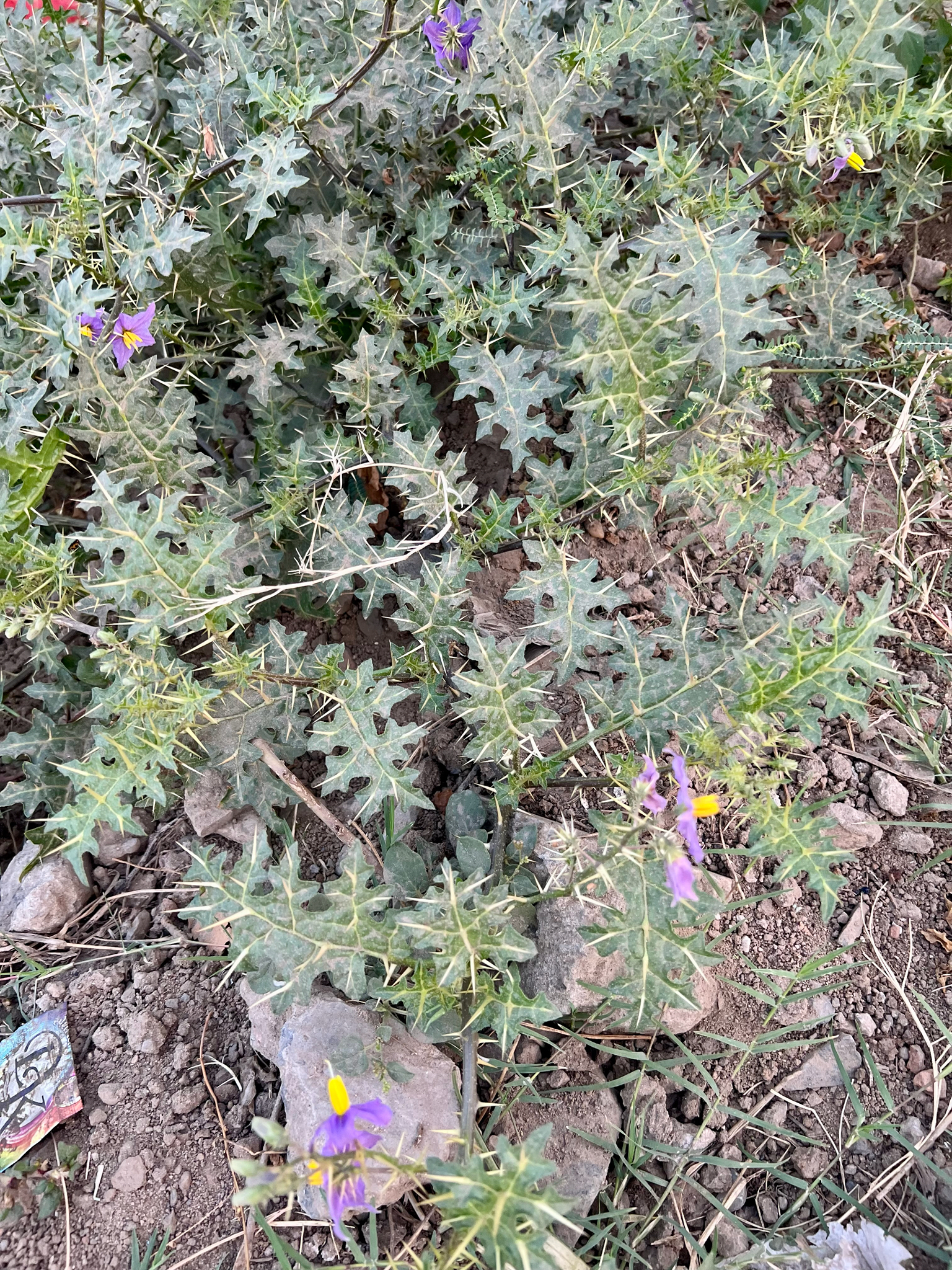
Surattense Nightshade
Solanum virginianum
☀️ Full Sun 💧 Low

Eggplant
Solanum melongena
☀️ Full Sun 💧 Moderate