Culinary Herbs to Grow at Home
302 plant profiles · Explore culinary herbs with practical growing guides, flavor profiles, and cultivation advice for 233 edible kitchen garden plants.
Culinary herbs are plants grown primarily for their edible leaves, flowers, seeds, stems, or rhizomes that season food. While many traditional kitchen staples belong to the mint family (Lamiaceae), this group spans varied climates, growth forms, and botanical families. Sun-loving perennials like common sage (Salvia officinalis) and Bible hyssop (Origanum syriacum) concentrate essential oils in lean, alkaline, well-drained soil, whereas fast-growing annual brassicas like rocket (Eruca sativa) thrive in cool weather and rich, moisture-retentive ground.
When choosing culinary herbs, your growing environment dictates success. Tropical species such as black turmeric (Curcuma caesia) and the climbing vanilla orchid (Vanilla planifolia) require consistent warmth above 18 °C (65 °F) and high ambient humidity, whereas moisture-demanding biennials like celery (Apium graveolens) require damp soil and moderate seasonal temperatures. Grouping herbs by their soil moisture and lighting demands ensures vigorous, aromatic foliage rather than stressed roots.
Harvest frequency also influences plant selection. Fast-growing leafy herbs yield weekly cuttings throughout the spring, while slow-maturing woody subshrubs provide steady harvests over several years with minimal intervention. Selecting a mix of annual cut-and-come-again greens and persistent perennial herbs provides fresh culinary seasoning across all four seasons.

Adzuki Bean
Vigna angularis
☀️ Full Sun 💧 Moderate
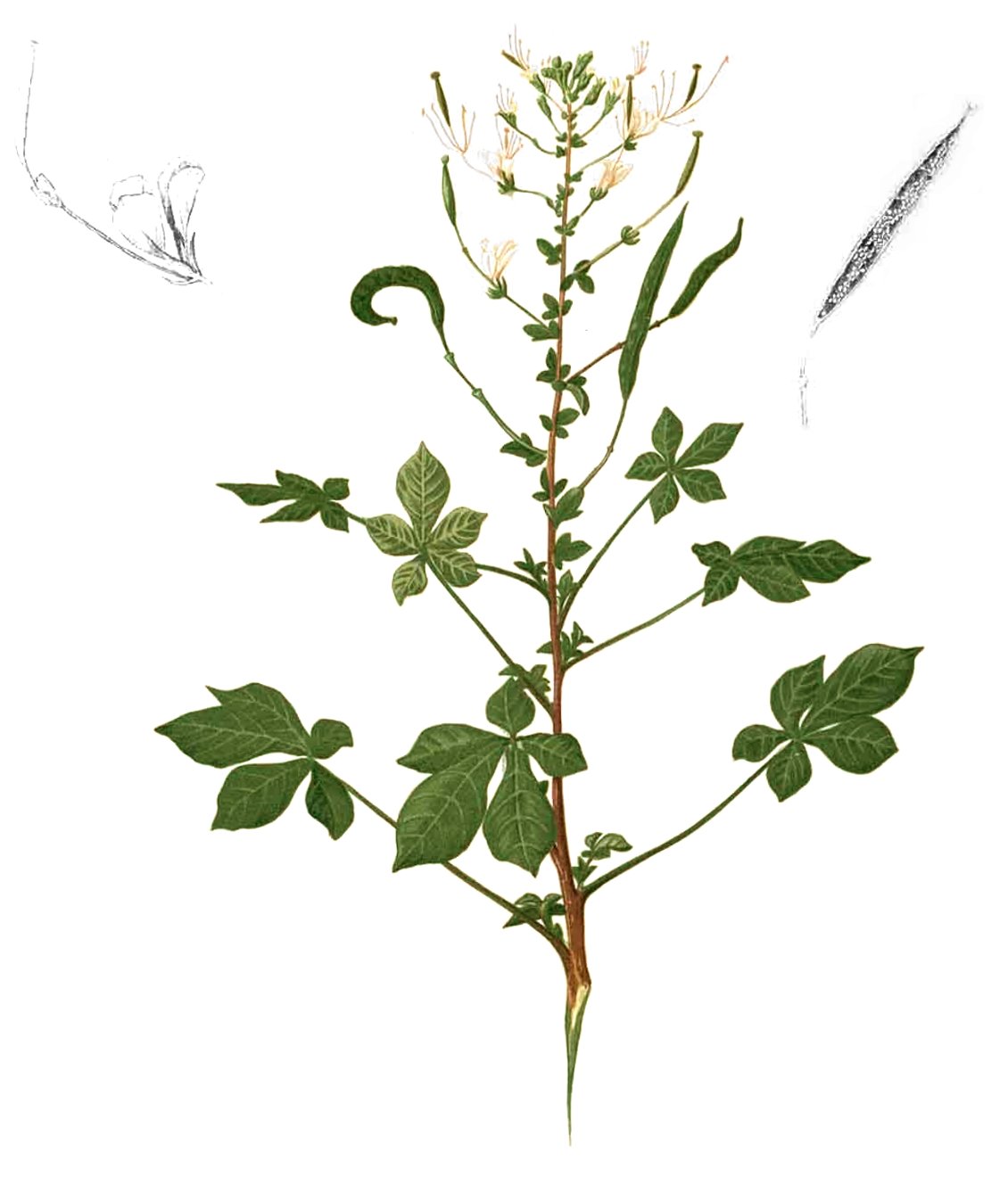
African Cabbage
Gynandropsis gynandra
☀️ Full Sun 💧 Moderate

African Eggplant
Solanum aethiopicum
☀️ Full Sun 💧 Moderate
African Lettuce
Launaea taraxacifolia
☀️ Full Sun 💧 Moderate

African Nutmeg
Monodora myristica
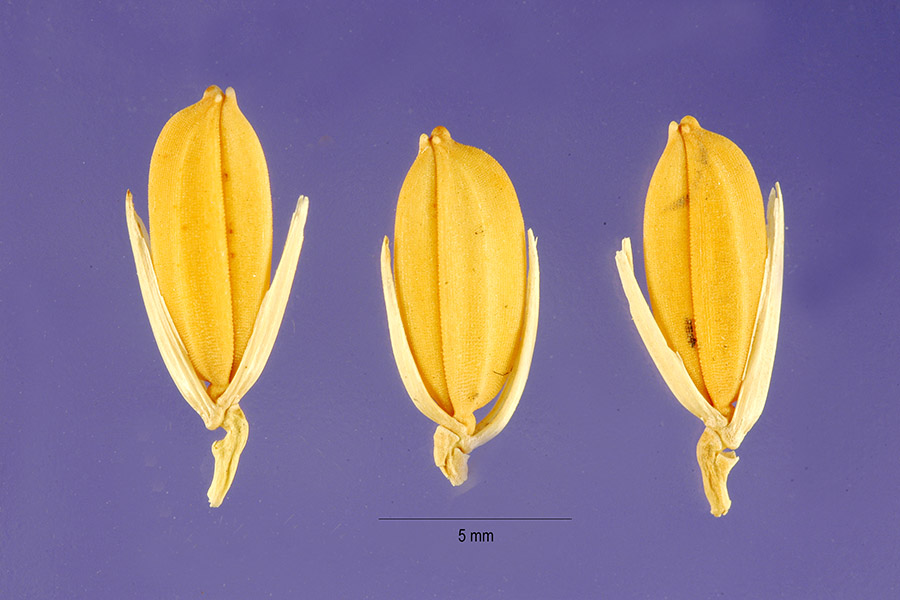
African Rice
Oryza glaberrima
☀️ Full Sun 💧 High

Aji Pepper
Capsicum baccatum
☀️ Full Sun 💧 Moderate
Ajwain
Trachyspermum ammi
☀️ Full Sun 💧 Moderate

Alfalfa
Medicago sativa
☀️ Full Sun 💧 Low
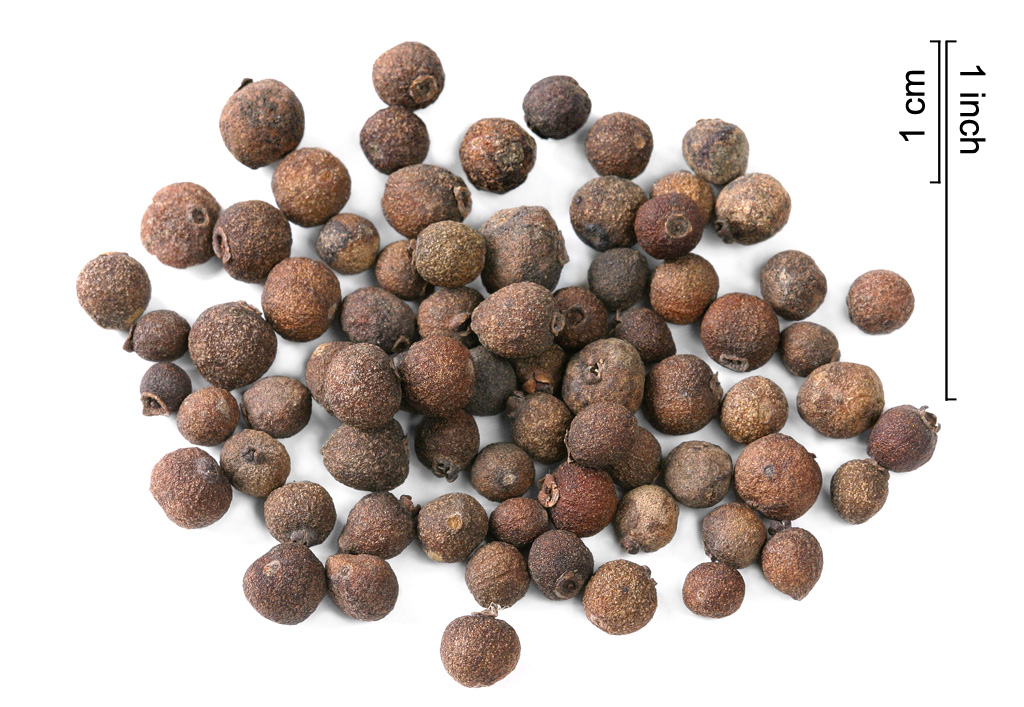
Allspice
Pimenta dioica
☀️ Full Sun 💧 Moderate
Ambarella
Spondias dulcis
☀️ Full Sun 💧 Moderate
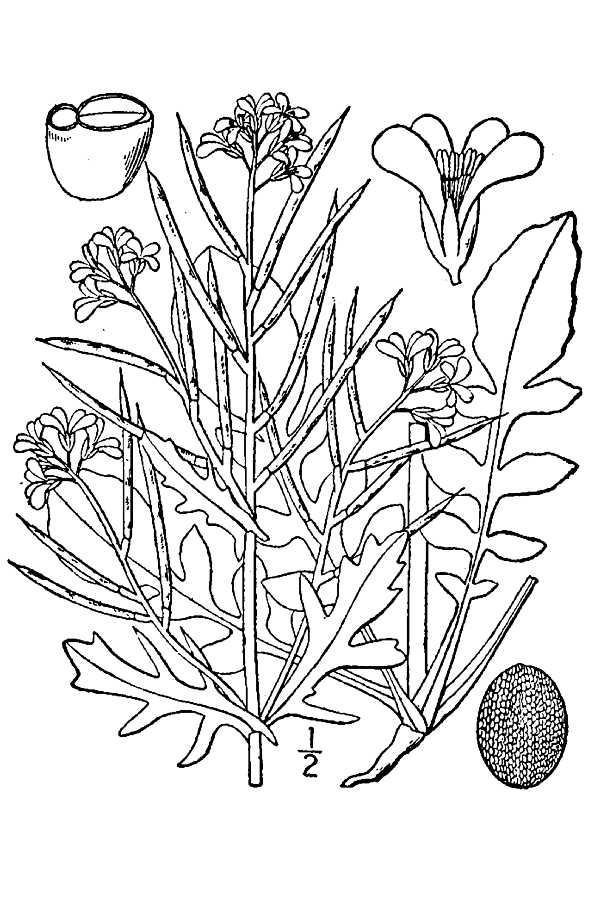
American Cress
Barbarea verna
☀️ Partial Shade 💧 Moderate
Anise
Pimpinella anisum
☀️ Full Sun 💧 Moderate
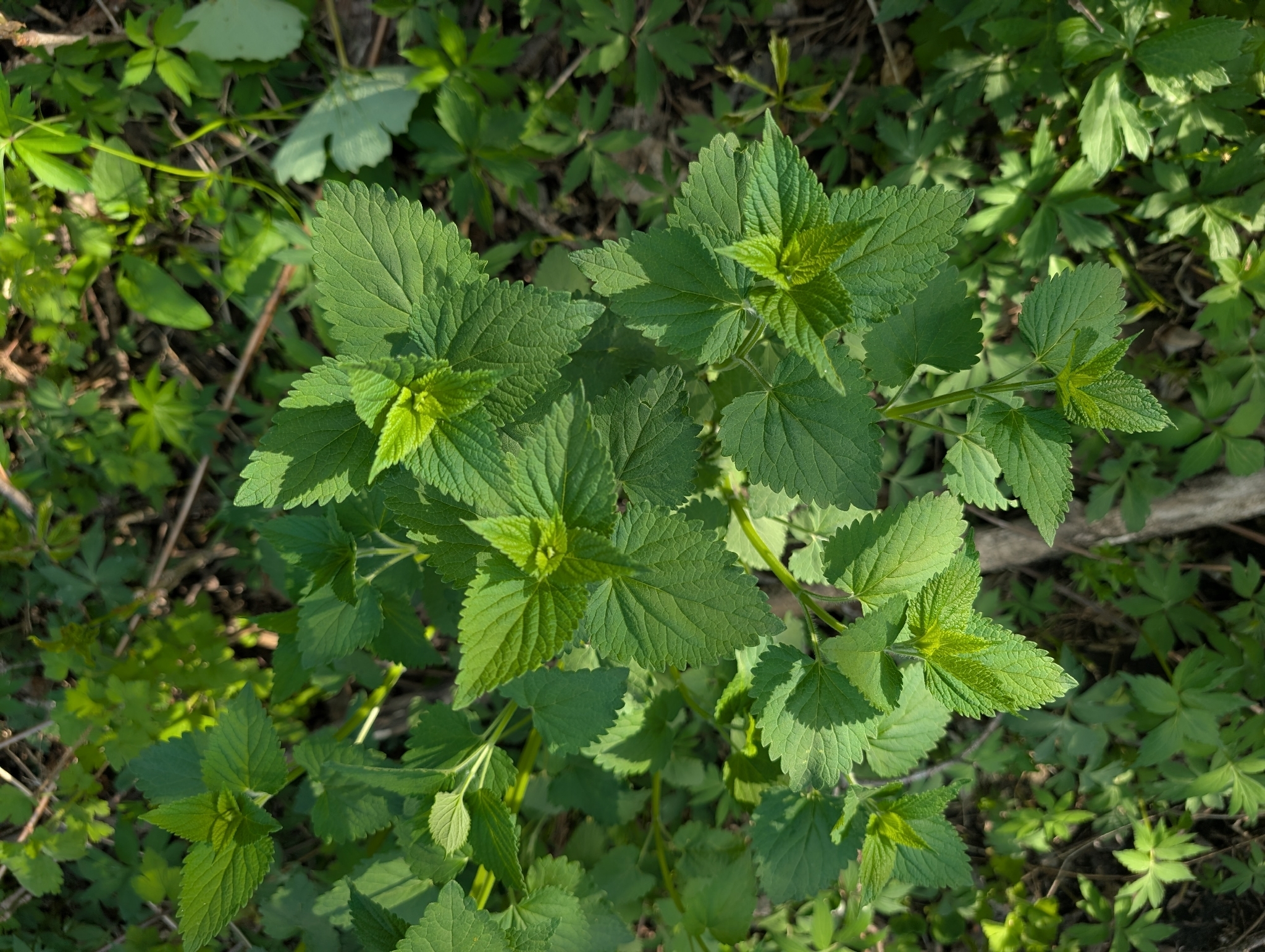
Anise Hyssop
Agastache foeniculum
☀️ Full Sun 💧 Low

Annatto
Bixa orellana
☀️ Full Sun 💧 Moderate

Apple Mint
Mentha suaveolens
☀️ Full Sun 💧 Moderate

Aromatic Ginger
Kaempferia galanga
☀️ Partial Shade 💧 High

Arugula
Eruca vesicaria
☀️ Full Sun 💧 Moderate

Asian Plantain
Plantago asiatica
☀️ Full Sun 💧 Moderate

Avaram
Senna auriculata
☀️ Full Sun 💧 Low
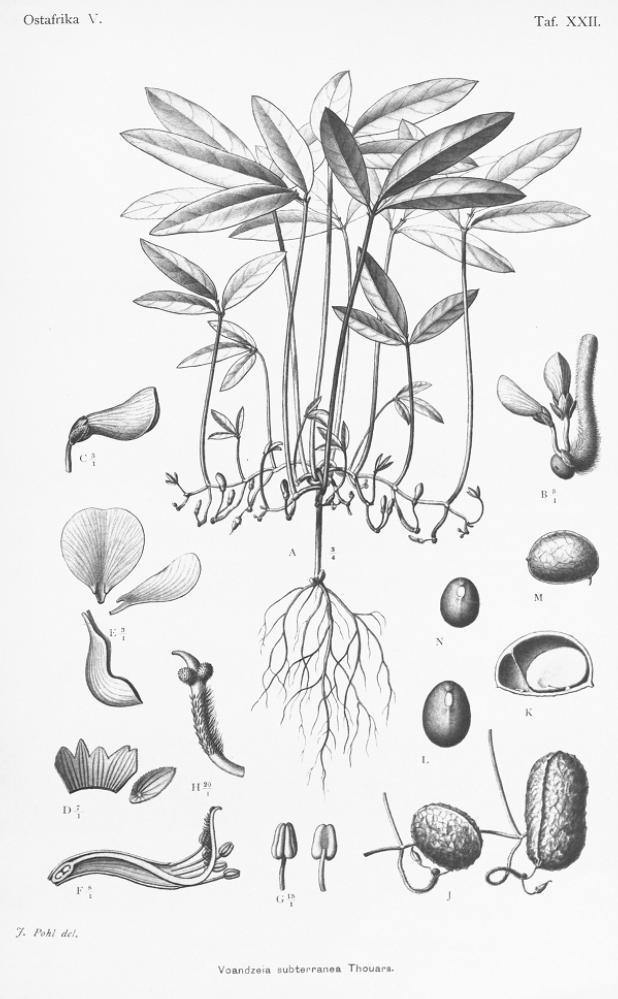
Bambara Groundnut
Vigna subterranea
☀️ Full Sun 💧 Moderate

Barley
Hordeum vulgare
☀️ Full Sun 💧 Moderate
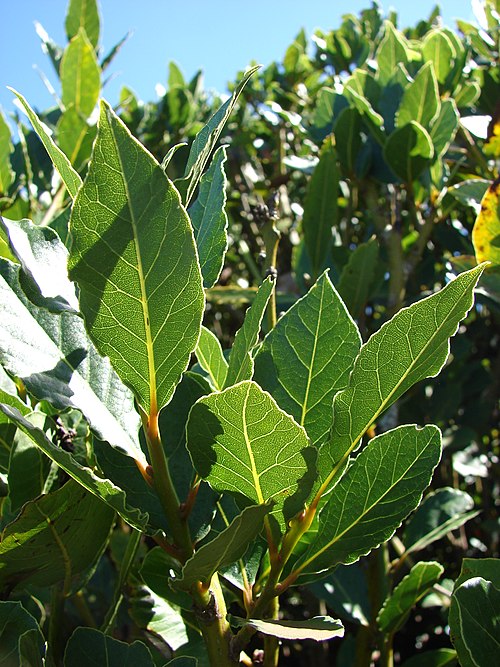
Bay Laurel
Laurus nobilis
☀️ Full Sun 💧 Moderate

Bee Balm
Monarda didyma
☀️ Full Sun 💧 High
Common Questions
Which culinary herbs are easiest to grow outdoors?
Hardy perennial herbs like common sage, thyme, and chives are the easiest to grow outdoors because they tolerate erratic watering, survive freezing winter temperatures, and return each spring without replanting.
Can you plant all culinary herbs together in one container?
No, you should never plant all culinary herbs together because their water and soil requirements differ drastically; drought-adapted Mediterranean herbs rot in the moist, nutrient-rich soil that herbs like mint and celery require.
When is the best time of day to harvest culinary herbs?
Harvest culinary herbs in the mid-morning after the morning dew has evaporated but before the midday sun heats the foliage, which preserves the highest concentration of essential oils.
How do you prevent culinary herbs from bolting?
Provide afternoon shade and regular soil moisture during hot spells, and pinch out the flower buds the moment they emerge to redirect the plant's energy into leaf growth.