
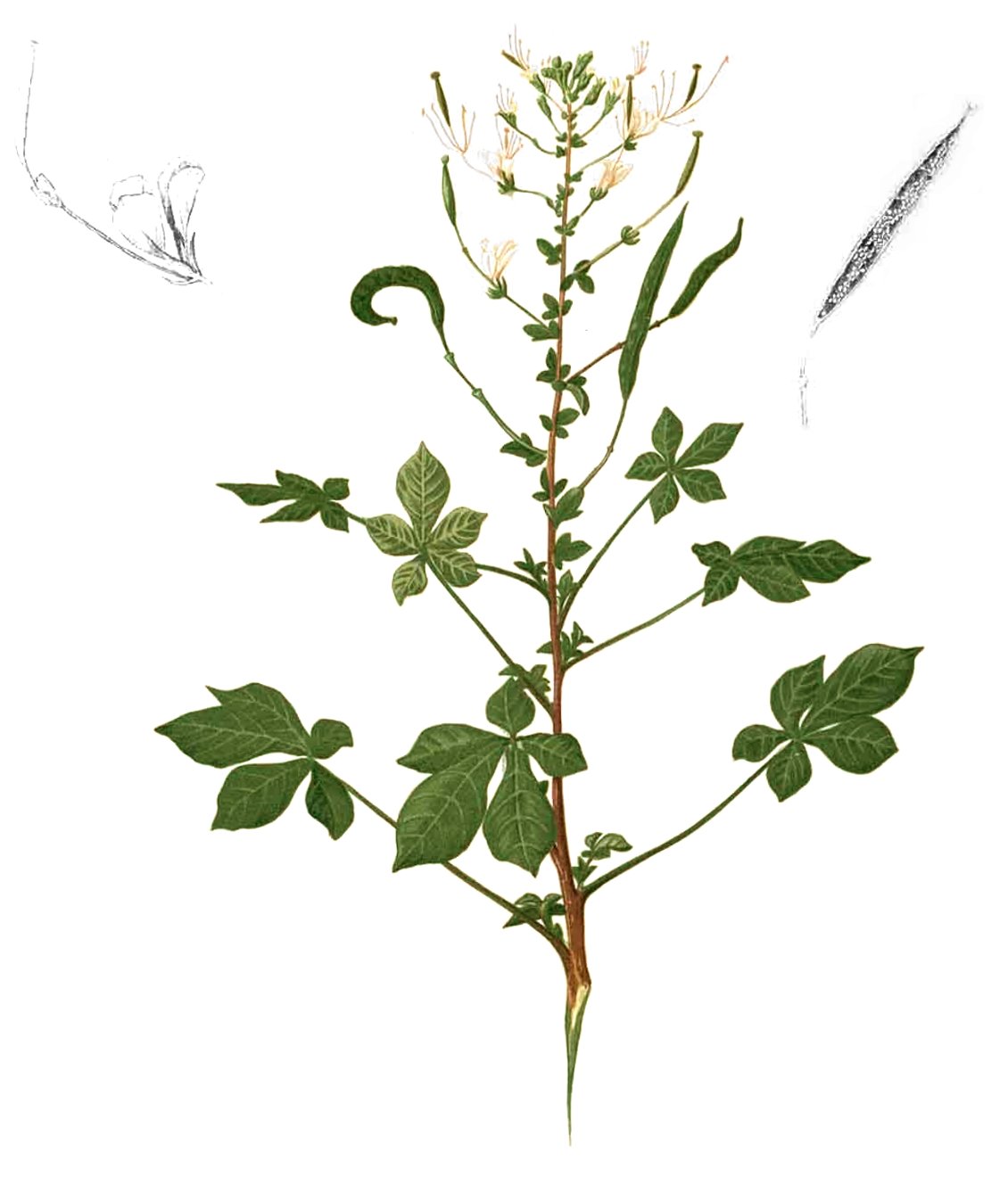
African cabbage, or Gynandropsis gynandra, is an upright annual herb native to sub-Saharan Africa and parts of Southeast Asia, where it is a staple leafy vegetable. It is characterized by its palm-shaped leaves and distinctive flowers with long, thread-like stamens that give it a whiskered appearance.
You can harvest the first edible leaves just 4 weeks after sowing, making it a reliable crop for hot summers. It thrives in temperatures above 25 °C (77 °F) where traditional cabbage (Brassica oleracea) often wilts or fails to thrive.
Key Facts
- Growth: Reaches maturity in 30-50 days
- Light: Full sun for at least 6 hours daily
- Soil: Well-drained sandy loam with high nitrogen
- Height: Typically grows 50-150 cm (20-60 in) tall
- Flavor: Bitter, spicy, and similar to mustard greens
Is African Cabbage Right for Your Garden?
African cabbage is a fast-growing, heat-loving crop that suits gardeners in USDA zones 9-12 or those with hot summer seasons. It is an ideal choice for urban growers or those with limited space because it grows vertically and produces high yields from a small footprint. Unlike many greens, it does not bolt immediately when temperatures rise, remaining productive throughout the peak of summer.
This plant is also frequently used as a cover crop or intercropped with other vegetables. It produces chemical compounds that can help suppress certain soil-borne pests and may repel diamondback moths (Plutella xylostella) when planted near traditional cabbage crops. If you enjoy spicy, mustard-like flavors, this plant provides a more nutrient-dense alternative to standard lettuce.
Identifying the African Spider-Flower
You can identify Gynandropsis gynandra by its palmate leaves, which typically consist of 3 to 7 oval-shaped leaflets radiating from a single point. The stems and leaves are covered in fine, glandular hairs that can feel slightly sticky to the touch. When crushed, the foliage releases a strong, pungent aroma that is characteristic of the Cleomaceae family.
The flowers are the most distinct feature, appearing in terminal clusters at the top of the plant. Each flower has four petals, usually white or pale lilac, and six stamens that extend far beyond the petals, reaching lengths of up to 3 cm (1.2 in). As the flowers fade, they are replaced by long, thin green seed pods that resemble small bean pods, containing dozens of tiny black seeds.
Ideal Growing Conditions
African cabbage requires full sun and consistent warmth to produce tender, edible leaves. It performs best when daytime temperatures stay between 18-35 °C (65-95 °F). If temperatures drop below 15 °C (59 °F), growth slows significantly, and the plant may become stunted or yellowed. It is not frost-tolerant and will die back at the first sign of freezing weather.
The soil should be fertile and well-drained, as the plant does not tolerate standing water or heavy clay. Sandy loams enriched with organic matter are ideal for rapid leaf production. Aim for a slightly acidic to neutral pH between 5.5 and 7.0. Because it is grown for its foliage, ensuring the soil is rich in nitrogen will result in larger, more succulent leaves.
Sowing African Cabbage Seeds
Sow seeds directly into the garden once the soil temperature reaches at least 20 °C (68 °F). Because the seeds are very small, they should be sown shallowly, no more than 1 cm (0.4 in) deep. Germination usually occurs within 4 to 10 days if the soil is kept moist. You can broadcast the seeds or plant them in rows, thinning the seedlings to a final spacing of 30 cm (12 in) apart.
- Soak seeds in water for 24 hours before sowing to improve germination rates.
- Space rows 50-60 cm (20-24 in) apart to allow for airflow.
- Avoid transplanting if possible, as the taproot is sensitive to disturbance.
- Keep the seedbed weed-free during the first two weeks of growth.
Watering and Feeding Your Crop
Keep the soil consistently moist but never saturated to prevent root rot. While the African cabbage is somewhat drought-tolerant once established, water stress will cause the leaves to become excessively bitter and tough. In hot weather, you may need to water the plants every 2-3 days, especially if growing in sandy soils that drain quickly.
Apply a nitrogen-rich liquid fertilizer every 2 weeks to support rapid leaf development. Compost tea or a balanced 10-10-10 fertilizer works well if the soil was not heavily amended before planting. Mulching around the base of the plants with straw or dried grass will help retain moisture and suppress weeds that compete for nutrients. Avoid overhead watering late in the day to minimize the risk of fungal infections on the leaves.
Harvesting and Storage Tips
You should begin harvesting when the plants are about 15 cm (6 in) tall, usually 4-6 weeks after sowing. For the best flavor, pick the young, tender leaves and shoot tips before the plant begins to flower. Regular harvesting encourages the plant to branch out, resulting in a bushier habit and a higher total yield over the season.
To harvest, pinch off the top 10-15 cm (4-6 in) of the stems. This “heading back” prevents the plant from focusing energy on seed production. The leaves are best used immediately after picking as they wilt quickly. If you must store them, place the stems in a glass of water or wrap the leaves in a damp paper towel and keep them in the refrigerator for up to 2 days. For longer storage, the leaves can be blanched and frozen or sun-dried.
How to Cook African Cabbage Stew
African cabbage is rarely eaten raw due to its strong bitterness and high oxalate content; it is almost always boiled or stewed. In Zimbabwe and South Africa, a popular dish involves boiling the leaves in salted water, draining them, and then simmering them with onions, tomatoes, and peanut butter (groundnut sauce). This creamy addition helps neutralize the natural peppery bite of the greens.
In other regions, the leaves are cooked with milk or cream to soften the flavor. You can also sauté the blanched leaves with garlic, ginger, and chili for a spicy side dish. Because the leaves are sturdy, they hold up well in long-simmering stews with beef or chicken. The seeds are occasionally used as a substitute for mustard seeds in pickles and spice blends.
Managing Pests and Diseases
The most common pests for African cabbage are Bagrada bugs and diamondback moth caterpillars. Bagrada bugs (Bagrada hilaris) are small, shield-shaped insects that suck sap from the leaves, causing white stippling marks and wilting. Hand-picking these insects or using neem oil sprays can help manage small infestations. Diamondback moths lay eggs on the undersides of leaves, and the resulting larvae can quickly skeletonize the foliage.
Fungal issues like powdery mildew and damping-off can occur in humid conditions or crowded plantings. To prevent these, ensure there is at least 30 cm (12 in) of space between plants for air circulation. If you notice white, powdery spots on the leaves, remove the affected foliage and treat the plant with a sulfur-based fungicide. Rotating your crop every year to a location where no other Cleomaceae or Brassica species were grown will reduce the buildup of soil-borne pathogens.
Traditional Uses and Medicinal History
In many African cultures, African cabbage was traditionally used to support recovery after childbirth due to its high iron and vitamin content. The leaves were often boiled and served to nursing mothers to stimulate milk production. Historically, the bitter juice squeezed from the leaves was used as a topical treatment for earaches and to soothe skin inflammations.
The plant was also used in traditional medicine to treat stomach aches and intestinal worms. While modern research confirms that the plant is rich in antioxidants, calcium, and vitamin C, these historical uses were based on local knowledge and should not be treated as medical advice. Today, it remains a primary source of nutrition in areas where other vegetables are difficult to grow during the dry season.
Year-Round African Cabbage Management
| Spring | Prepare the soil with compost and wait for soil temperatures to reach 20 °C (68 °F) before sowing seeds outdoors. |
|---|---|
| Summer | Water every 2-3 days and harvest the top 10 cm (4 in) of stems weekly to prevent the plant from flowering and becoming tough. |
| Autumn | Allow a few plants to go to seed if you wish to collect them for next year; remove the rest of the crop before the first frost. |
| Winter | In tropical zones, continue growing as usual; in temperate zones, store dried seeds in a cool, dark place for spring planting. |
Common African Cabbage Problems Explained
| What you see | Likely cause | What to do |
|---|---|---|
| Yellowing lower leaves | Nitrogen deficiency | Apply a high-nitrogen liquid fertilizer or compost tea immediately. |
| White spots on leaves | Powdery mildew | Improve air circulation and treat with a neem oil or sulfur spray. |
| Small holes in leaves | Flea beetles or caterpillars | Use floating row covers or apply organic insecticidal soap to the foliage. |
| Extreme bitterness | Water stress or old age | Increase watering frequency and only harvest the youngest shoot tips. |
Regional Types of African Cabbage
- AVRDC Improved Lines – bred for higher leaf yield and less bitterness
- Purple-stemmed – a common wild variant with high anthocyanin content
- Green-stemmed – typically grows faster and has a milder flavor
Frequently Asked Questions
What is African cabbage?
African cabbage is a leafy green annual herb (Gynandropsis gynandra) used as a vegetable in Africa and Asia, known for its spicy, bitter flavor and high nutrient content.
Can African greys eat cabbage?
Yes, African grey parrots can eat cabbage, but this specific African cabbage (G. gynandra) should be fed in moderation due to its high oxalate content and pungent mustard oils.
How do you cook African cabbage to remove bitterness?
Boil the leaves in water for 10-15 minutes, drain the liquid, and then simmer the greens with milk, cream, or peanut butter to neutralize the bitter compounds.
Is African cabbage the same as a cabbage tree?
No, African cabbage is a small herbaceous annual, while the African Cabbage Tree usually refers to species in the Cussonia genus, which are woody trees.
Can African cabbage be used as a cover crop?
Yes, it is often used as a cover crop because it grows rapidly to suppress weeds and releases chemicals that can reduce nematode populations in the soil.
Information about traditional or historical uses is provided for educational interest only and is not medical advice. Do not use any plant to treat a condition without speaking to a qualified professional.
Sources & Verification
Taxonomy and distribution are checked against the databases below. Care guidance is written for cultivated species only and reviewed by our editor. How We Build Plant Profiles →