Plants Toxic to Pets
981 plant profiles · Identify common garden and house plants toxic to dogs and cats, understand their specific chemical hazards, and manage pet risks safely.
Plants toxic to pets contain naturally occurring chemical defences—such as saponins, insoluble oxalates, cardiac glycosides, and alkaloids—that cause adverse physiological reactions in cats, dogs, or grazing animals. Toxicity ranges from localized oral irritation to acute, life-threatening organ failure. Understanding the specific chemical hazard of each species helps you manage risks in your home, yard, or pasture without unnecessary eradication.
Different genera carry distinct toxic principles that target specific animal systems. For example, all true lilies like the Formosa lily (Lilium formosanum) contain circulating water-soluble compounds that trigger acute renal failure specifically in felines, even from grooming small amounts of pollen. In contrast, keeled garlic (Allium carinatum) contains organosulfur compounds that cause hemolytic anaemia in both cats and dogs through oxidative damage to red blood cells. Members of the genus Aesculus, such as the Himalayan horse-chestnut (Aesculus indica), carry saponin aescin and glycosides that inflame the gastrointestinal lining and impair coordination.
When planning borders and interiors around pets, you must evaluate both chemical severity and animal behaviour. Oaks like the California live oak (Quercus agrifolia) produce hydrolysable tannins that damage kidneys and digestive systems if calves or dogs ingest fallen green acorns, whereas plants like American false hellebore (Veratrum viride) hold potent steroidal alkaloids that depress cardiac function within hours of ingestion. Species containing insoluble calcium oxalates, including pineapple lily (Eucomis comosa) and banana yucca (Yucca baccata), rarely cause systemic death because micro-crystals cause immediate oral pain, stopping pets from eating lethal volumes.

Aaron’s Beard
Hypericum calycinum
☀️ Full Sun 💧 Moderate

Adam’s Needle
Yucca filamentosa
☀️ Full Sun 💧 Low

Adder’s Tongue
Ophioglossum vulgatum
☀️ Partial Shade 💧 Moderate
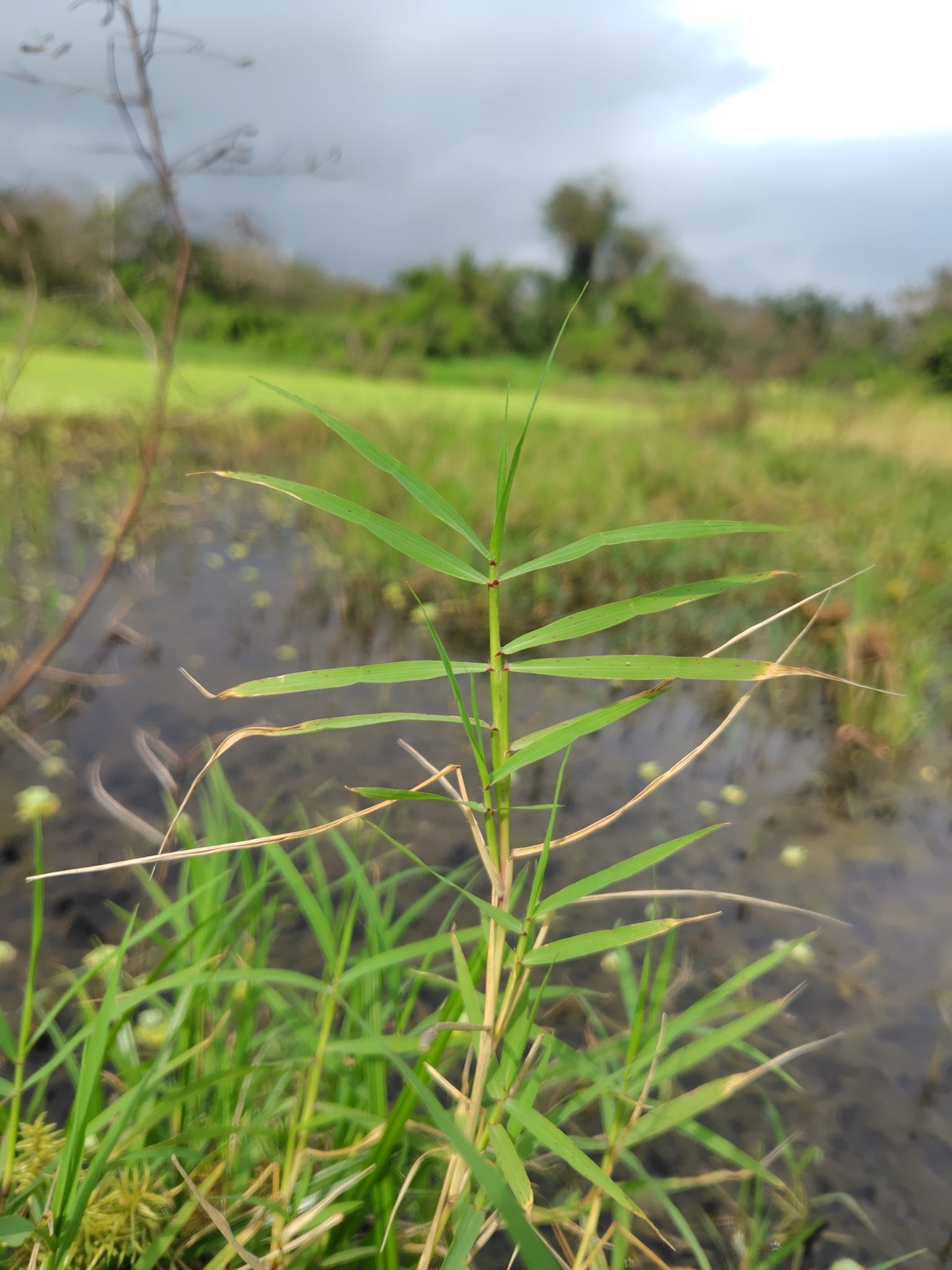
African Bermuda Grass
Cynodon nlemfuensis
☀️ Full Sun 💧 Moderate

African Cherry
Prunus africana
☀️ Full Sun 💧 Moderate

African Cornflag
Chasmanthe floribunda
☀️ Full Sun 💧 Moderate

African Eggplant
Solanum aethiopicum
☀️ Full Sun 💧 Moderate

African Gladiolus
Gladiolus dalenii
☀️ Full Sun 💧 Moderate

African Hemp
Sparrmannia africana
☀️ Bright Indirect 💧 High

African Lily
Agapanthus africanus
☀️ Full Sun 💧 Moderate

African Marigold
Tagetes erecta
☀️ Full Sun 💧 Moderate
African Milk Tree
Euphorbia trigona
☀️ Full Sun 💧 Low

Air Potato
Dioscorea bulbifera
☀️ Full Sun 💧 Moderate

Aji Pepper
Capsicum baccatum
☀️ Full Sun 💧 Moderate
Alder Buckthorn
Frangula alnus
☀️ Partial Sun 💧 Moderate
Alexandrian Laurel
Calophyllum inophyllum
☀️ Full Sun 💧 Moderate

Alexandrian Senna
Senna alexandrina
☀️ Full Sun 💧 Low

Almond
Prunus amygdalus
☀️ Full Sun 💧 Moderate
Alocasia Polly
Alocasia mortfontanensis
☀️ Bright Indirect 💧 Moderate

Aloe vera
☀️ Full Sun 💧 Low

Alpine Clubmoss
Diphasiastrum alpinum
☀️ Full Sun 💧 Moderate

Amargo
Quassia amara
☀️ Partial Shade 💧 High
Amaryllis
Hippeastrum vittatum
☀️ Bright Indirect 💧 Moderate
American Black Nightshade
Solanum americanum
☀️ Full Sun 💧 Moderate
Common Questions
What should you do if your pet eats a toxic plant?
Remove any remaining plant material from your pet's mouth and call your veterinarian or an animal poison control service immediately with the plant's scientific name. Do not induce vomiting unless explicitly directed by a veterinary professional, as caustic sap and certain alkaloids can cause severe esophageal burns on the way back up.
Which parts of poisonous plants carry the highest risk?
Bulbs, seeds, and fresh green shoots typically contain the highest concentrations of toxic chemical compounds. In deciduous trees like horse-chestnuts, the seeds and young green husks hold far more toxins than mature bark, while all parts of true lilies—including flowers, leaves, pollen, and vase water—are lethal to cats.
Can dogs and cats safely chew on grass-like plants?
Only non-toxic species like true wheatgrass or oat grass are safe for pets to graze. Common aromatic grasses such as citronella (Cymbopogon nardus) contain essential oils that cause gastrointestinal irritation and nervous system depression when chewed in moderate amounts.
Does plant toxicity affect dogs and cats equally?
No, cats lack specific liver enzymes required to metabolise certain plant compounds, making them uniquely vulnerable to hazards like true lilies that do not cause renal failure in dogs. However, dogs are far more likely to ingest dangerous quantities of dense plant matter, such as acorns, bulbs, and fibrous stems, leading to severe blockages combined with chemical toxicity.