Pollinator Plants for Native Bees and Butterflies
1,249 plant profiles · Explore 742 plants that feed bees, butterflies, and moths. Compare bloom times, nectar output, and soil needs to build a continuous pollinator garden.
Pollinator plants provide the nectar, pollen, and larval foliage that sustain bees, butterflies, moths, beetles, and hoverflies. A functional planting provides a continuous succession of open flowers from early spring through late autumn rather than a single midsummer flush. Early bulbs like glory of the snow (Scilla luciliae) emerge in late winter to sustain newly emerged queen bumblebees, while long-flowering perennials supply sugars when autumn temperatures drop below 15 °C (59 °F).
Select species matched to your soil type and rainfall instead of relying purely on ornamental selections. Arid and dry-climate gardens rely on xerophytic species such as the pancake prickly pear (Opuntia chlorotica) and winterfat (Krascheninnikovia lanata), which sustain native specialist bees in areas receiving under 250 mm (10 in) of annual rain. In Mediterranean and temperate zones, large canopy species like the California live oak (Quercus agrifolia) host hundreds of lepidoptera caterpillars, while the white blooms of lilly pilly (Syzygium smithii) attract massed native stingless bees.
Combine varied flower morphologies within your garden beds. Deep funnel-shaped blossoms like the formosa lily (Lilium formosanum) accommodate long-tongued hawk moths, while the exposed umbels of keeled garlic (Allium carinatum) offer accessible landing platforms for short-tongued solitary bees. Avoid sterile double-flowered hybrids where breeders have converted nectar-producing stamens into extra petal rows.

Aaron’s Beard
Hypericum calycinum
☀️ Full Sun 💧 Moderate

Adam’s Needle
Yucca filamentosa
☀️ Full Sun 💧 Low
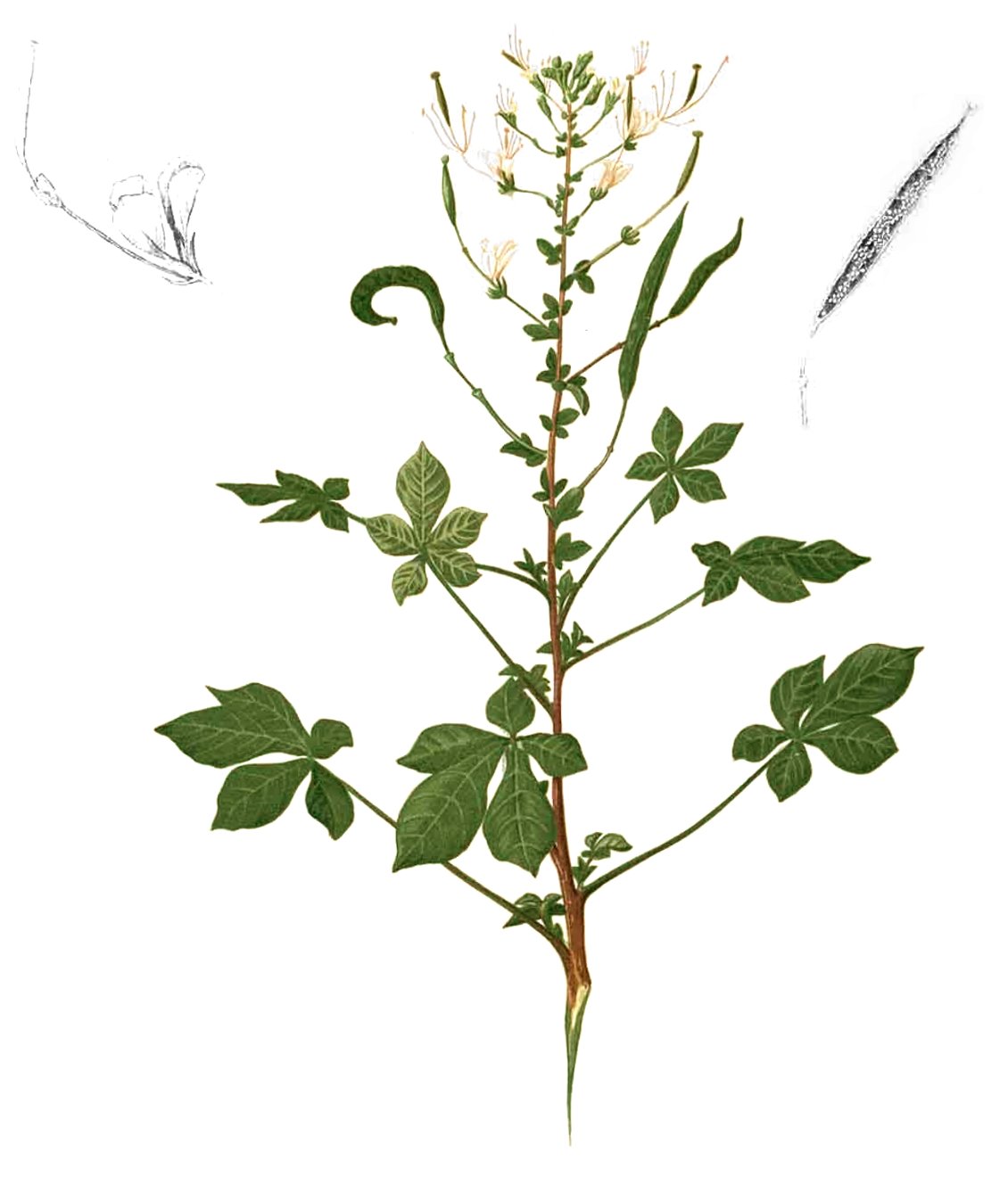
African Cabbage
Gynandropsis gynandra
☀️ Full Sun 💧 Moderate

African Cherry
Prunus africana
☀️ Full Sun 💧 Moderate

African Cornflag
Chasmanthe floribunda
☀️ Full Sun 💧 Moderate
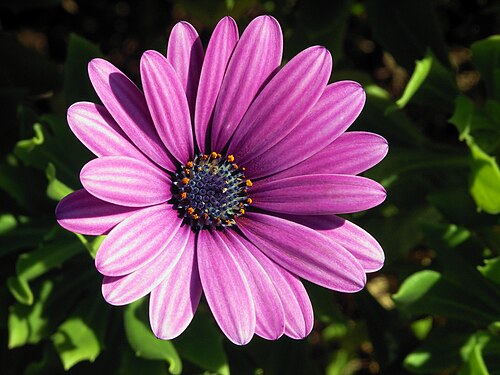
African Daisy
Dimorphotheca ecklonis
☀️ Full Sun 💧 Low

African Gladiolus
Gladiolus dalenii
☀️ Full Sun 💧 Moderate

African Honeysuckle
Halleria lucida
☀️ Partial Sun 💧 Moderate

African Lily
Agapanthus africanus
☀️ Full Sun 💧 Moderate

African Marigold
Tagetes erecta
☀️ Full Sun 💧 Moderate

African Padauk
Pterocarpus soyauxii
☀️ Full Sun 💧 High

African Potato
Hypoxis hemerocallidea
☀️ Full Sun 💧 Low

African Potato
Coleus esculentus
☀️ Full Sun 💧 Moderate
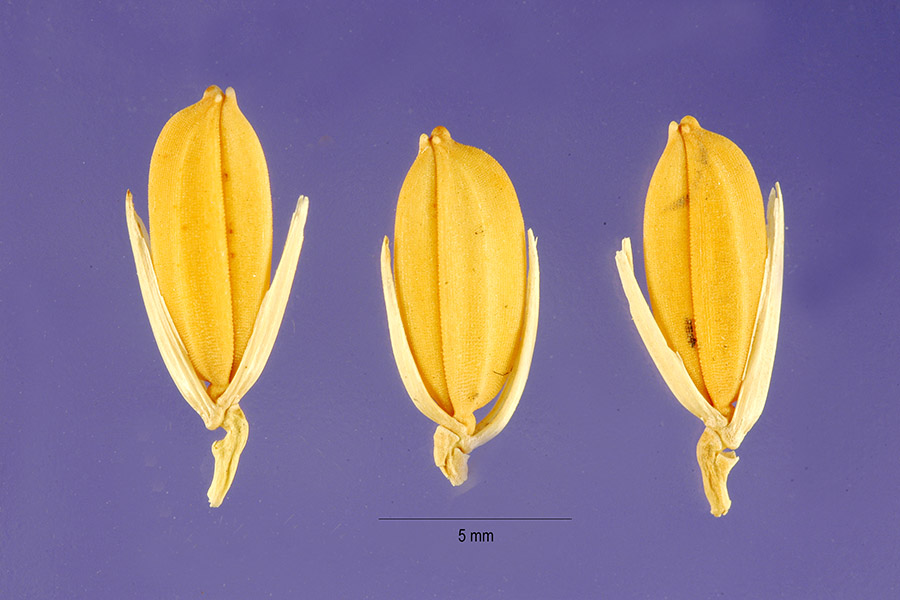
African Rice
Oryza glaberrima
☀️ Full Sun 💧 High

Agati
Sesbania grandiflora
☀️ Full Sun 💧 High

Aizoon Stonecrop
Phedimus aizoon
☀️ Full Sun 💧 Low
Ajwain
Trachyspermum ammi
☀️ Full Sun 💧 Moderate
Alder Buckthorn
Frangula alnus
☀️ Partial Sun 💧 Moderate
Alexandra Palm
Archontophoenix alexandrae
☀️ Full Sun 💧 High

Allegheny Chinquapin
Castanea pumila
☀️ Full Sun 💧 Low
Alligator Apple
Annona glabra
💧 High

Almond
Prunus amygdalus
☀️ Full Sun 💧 Moderate

Almond-Leaved Pear
Pyrus spinosa
Alpine Aster
Aster alpinus
☀️ Full Sun 💧 Low
Common Questions
What makes a plant good for pollinators?
A good pollinator plant provides accessible, high-protein pollen or energy-dense nectar without dense petal rows blocking the flower center. Open, single-flowered structures allow solitary bees, syrphid flies, and beetles to forage without expending more energy than the nectar provides.
Do wind-pollinated trees support pollinators?
Yes, wind-pollinated canopy trees supply vital early-season pollen to honeybees and solitary bees while serving as mandatory host plants for caterpillar larvae. Species like California live oak host over 200 species of native moth and butterfly larvae that form the base of the local food web.
How many months of the year should a pollinator garden bloom?
A pollinator garden should provide open blooms across at least eight to nine months, maintaining three distinct flowering species at any given point between the final winter frost and the first hard freeze of autumn. Gaps in nectar availability force colonies to abandon territory or starve between seasonal peaks.