Plants for Partial Shade
164 plant profiles · Discover plants that thrive in 2 to 6 hours of indirect or morning sun, from evergreen shrubs and woodland ferns to flowering perennials.
Partial shade means an area receives between 2 and 6 hours of direct sunlight daily, specifically during the cooler morning or late afternoon hours, or consistent dappled light filtered through a tree canopy. In these conditions, plants receive enough light energy for photosynthesis without the intense thermal stress and rapid soil desiccation that occurs under midday sun.
Many partial shade species evolved along forest borders, clearings, and riverbanks. Broadleaf evergreen shrubs such as mountain laurel (Kalmia latifolia) and conifers like Japanese plum yew (Cephalotaxus harringtonia) rely on these microclimates to protect their foliage from winter burn and summer bleaching. Soil in partial shade typically stays damp longer, which suits woodland understory plants but demands careful drainage assessment before planting.
To choose the right species, match your garden's moisture levels and soil structure. For dry, root-filled soil under deciduous trees, ivy-leaved cyclamen (Cyclamen hederifolium) and California wood fern (Dryopteris arguta) establish reliable root systems. In consistently moist ground, clump-forming ornamental grasses like tufted hairgrass (Deschampsia cespitosa), late-flowering perennials like hardy begonia (Begonia grandis), and non-invasive umbrella bamboo (Fargesia murielae) thrive without scorching.

Alpine Currant
Ribes alpinum
☀️ Partial Shade 💧 Moderate

Amargo
Quassia amara
☀️ Partial Shade 💧 High

American Columbine
Aquilegia canadensis
☀️ Partial Shade 💧 Moderate
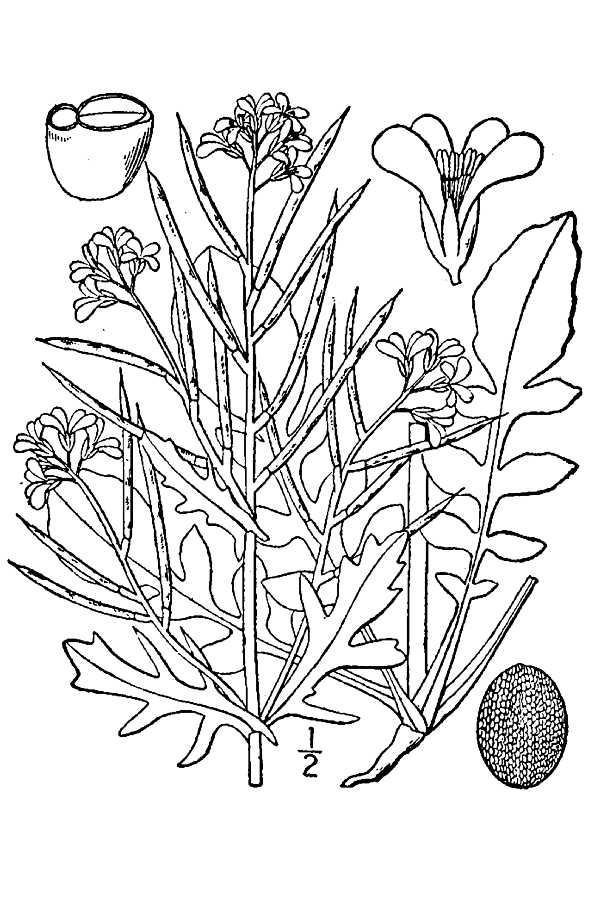
American Cress
Barbarea verna
☀️ Partial Shade 💧 Moderate
American Hop Tree
Ptelea trifoliata
☀️ Partial Shade 💧 Moderate

American Spikenard
Aralia racemosa
☀️ Partial Shade 💧 High

American Witch Hazel
Hamamelis virginiana
☀️ Partial Shade 💧 Moderate
Angular Solomon’s Seal
Polygonatum odoratum
☀️ Partial Shade 💧 Moderate

Appalachian Barren Strawberry
Geum fragarioides
☀️ Partial Shade 💧 Moderate

Aromatic Ginger
Kaempferia galanga
☀️ Partial Shade 💧 High

Arrowroot
Maranta arundinacea
☀️ Partial Shade 💧 High
Australian Tree Fern
Sphaeropteris cooperi
☀️ Partial Shade 💧 High
Autumn Fern
Dryopteris erythrosora
☀️ Partial Shade 💧 Moderate

Autumn Monkshood
Aconitum carmichaelii
☀️ Partial Shade 💧 Moderate

Benin Pepper
Piper guineense
☀️ Partial Shade 💧 Moderate

Betel Leaf
Piper betle
☀️ Partial Shade 💧 High

Bigroot Geranium
Geranium macrorrhizum
☀️ Partial Shade 💧 Low
Bird-In-A-Bush
Corydalis solida
☀️ Partial Shade 💧 Moderate
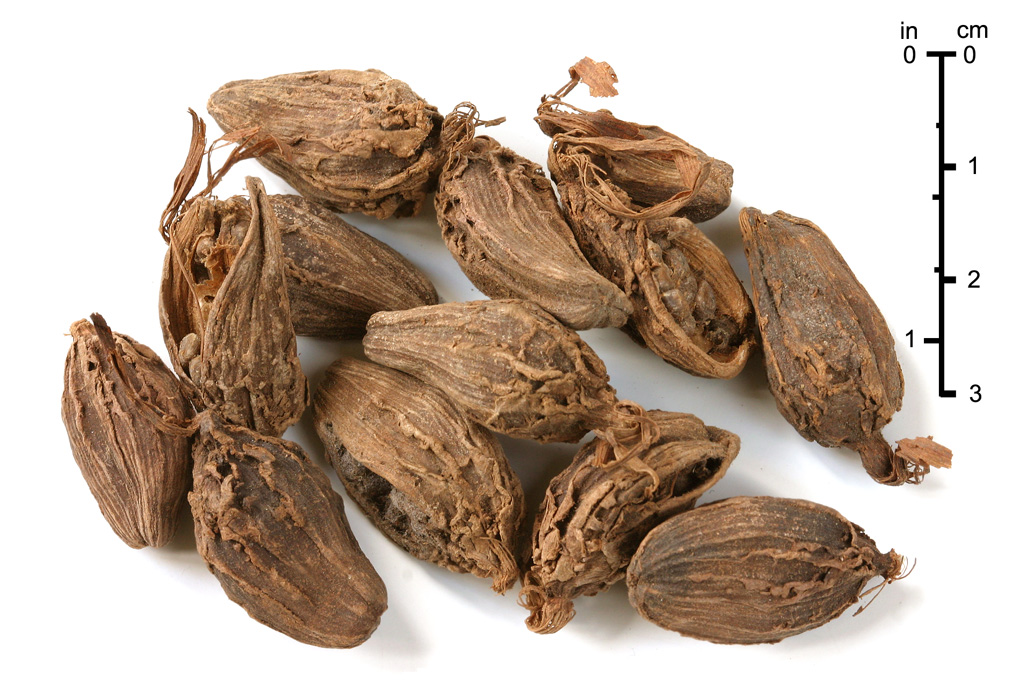
Black Cardamom
Amomum subulatum
☀️ Partial Shade 💧 High

Black Pepper
Piper nigrum
☀️ Partial Shade 💧 High

Bleeding Heart
Lamprocapnos spectabilis
☀️ Partial Shade 💧 Moderate
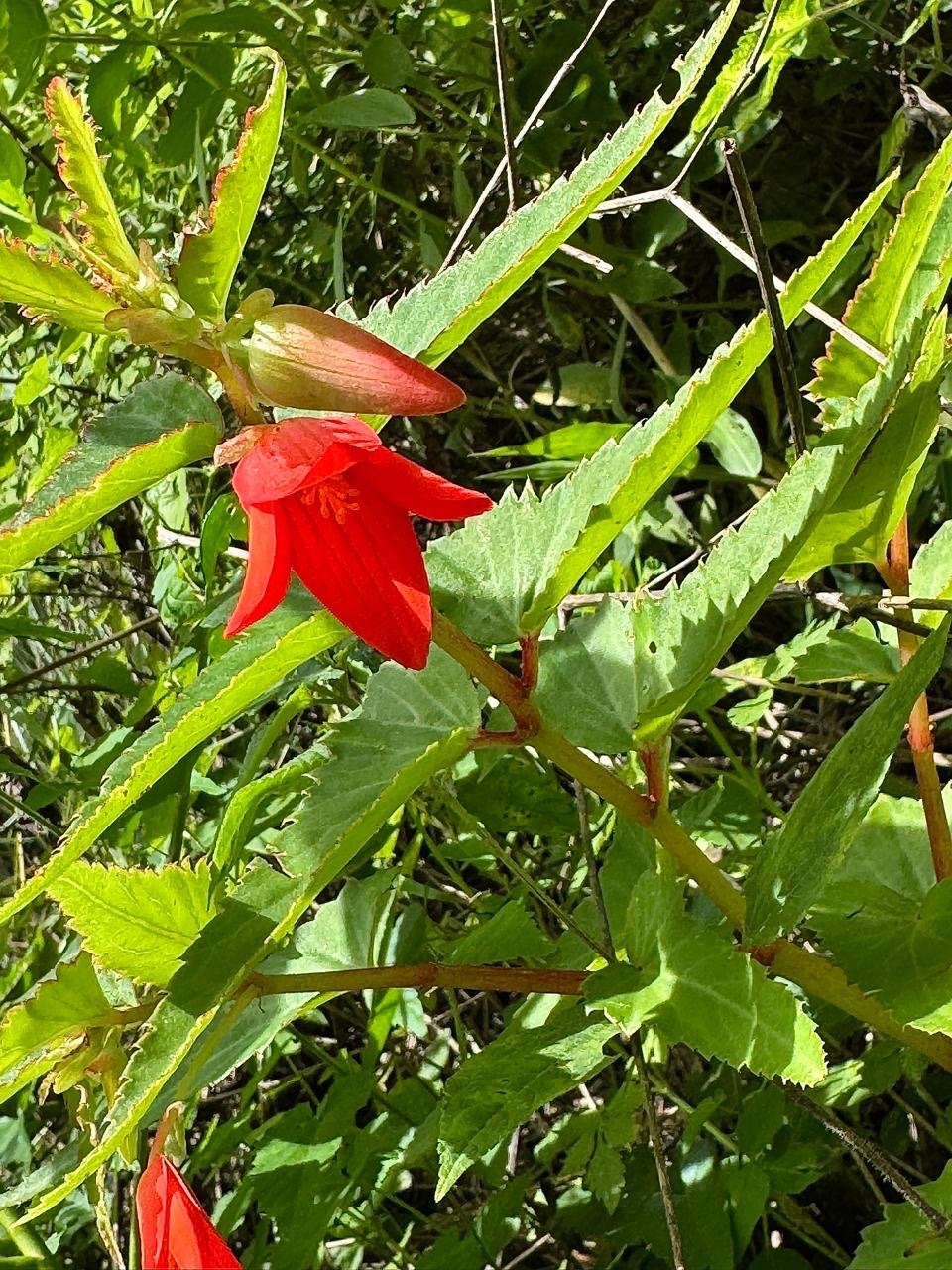
Bolivian Begonia
Begonia boliviensis
☀️ Partial Shade 💧 Moderate

Bugleweed
Ajuga reptans
☀️ Partial Shade 💧 Moderate

Bunchberry Dogwood
Cornus canadensis
☀️ Partial Shade 💧 Moderate
Common Questions
What is the difference between partial shade and partial sun?
Both categories require 3 to 6 hours of sun daily, but partial shade emphasizes protection from intense afternoon heat. Plants suited for partial shade perform best when those hours occur in the cool morning, whereas partial sun plants tolerate stronger, direct midday light.
Can partial shade plants grow in full shade?
Partial shade plants can survive in full shade, but they produce fewer flowers, paler foliage, and weaker, elongated stems. Flowering species like mountain laurel (Kalmia latifolia) need at least 3 hours of direct or bright dappled light to initiate flower buds for the subsequent spring.
How often do you water plants in partial shade?
Water when the top 2.5 to 5 cm (1 to 2 in) of soil dries out, which generally amounts to once every 7 to 10 days for established border plants. Because partial shade reduces surface evaporation, checking soil moisture manually prevents waterlogged roots and fungal problems.
Which partial shade plants keep their leaves in winter?
Evergreens such as Japanese plum yew (Cephalotaxus harringtonia) and ivy-leaved cyclamen (Cyclamen hederifolium) hold foliage through winter in partial shade. Ivy-leaved cyclamen produces patterned leaves in autumn that persist until late spring dormancy.