Perennial Plants
345 plant profiles · Discover how perennial plants grow, survive winter, and return each year. Learn about moisture, soil, and sunlight needs for 163 perennial species.
Perennial plants live for three or more growing seasons, persisting through cold winters or summer droughts via underground rootstocks, bulbs, or woody crowns. Unlike annuals that complete their entire lifecycle within a single year, perennials establish deep root systems that regenerate foliage and flowers annually. While herbaceous types like balloon flower (Platycodon grandiflorus) and gas plant (Dictamnus albus) die back to ground level in autumn, evergreen perennials like mondo grass (Ophiopogon japonicus) retain green leaves throughout the entire winter.
Choosing the right perennial depends primarily on your soil moisture and sun exposure. Low-growing mats such as creeping phlox (Phlox subulata) and creeping thyme (Thymus serpyllum) require sharp drainage and full sunlight, making them suited for rockeries and dry borders. In contrast, bog specialists like yellow pitcher plant (Sarracenia flava) and brooklime (Veronica beccabunga) require permanently waterlogged, nutrient-poor substrate or stream margins to survive.
Hardiness varies widely across the group. Cold-tolerant selections like Carpathian harebell (Campanula carpatica) handle freezing sub-zero conditions down to -35 °C (-31 °F), whereas tender tropical perennials such as golden arum (Zantedeschia elliottiana) must have their tubers lifted and stored indoors before the first autumn frost.

Abyssinian Banana
Ensete ventricosum
☀️ Full Sun 💧 High
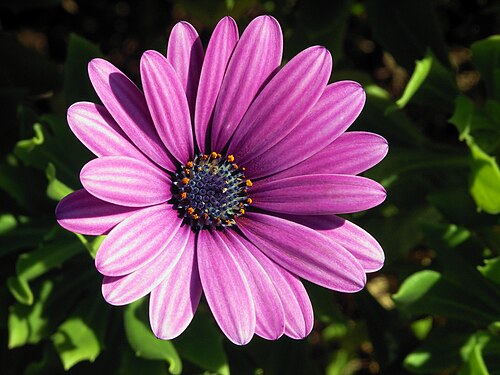
African Daisy
Dimorphotheca ecklonis
☀️ Full Sun 💧 Low

African Gladiolus
Gladiolus dalenii
☀️ Full Sun 💧 Moderate

African Lily
Agapanthus africanus
☀️ Full Sun 💧 Moderate

African Potato
Hypoxis hemerocallidea
☀️ Full Sun 💧 Low

Aizoon Stonecrop
Phedimus aizoon
☀️ Full Sun 💧 Low
Alpine Aster
Aster alpinus
☀️ Full Sun 💧 Low

Alpine Clubmoss
Diphasiastrum alpinum
☀️ Full Sun 💧 Moderate

Alpine Lady’s Mantle
Alchemilla alpina
☀️ Full Sun 💧 Moderate
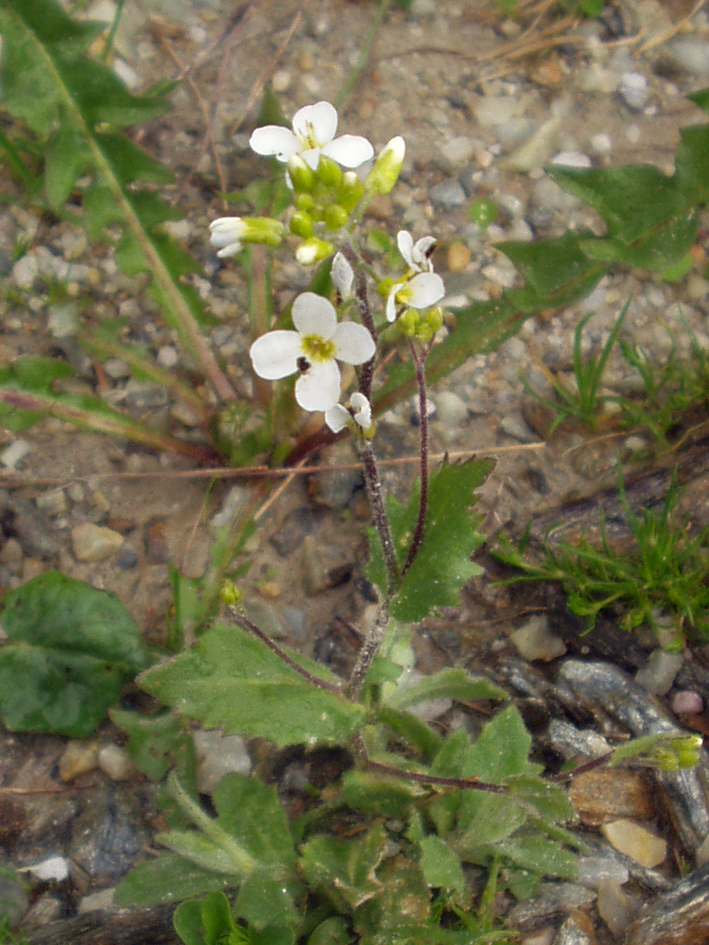
Alpine Rock-Cress
Arabis alpina
☀️ Full Sun 💧 Low

American Columbine
Aquilegia canadensis
☀️ Partial Shade 💧 Moderate

American False Hellebore
Veratrum viride
☀️ Partial Shade 💧 High

American Spikenard
Aralia racemosa
☀️ Partial Shade 💧 High

American White Waterlily
Nymphaea odorata
☀️ Full Sun 💧 Aquatic

American Wild Ginger
Asarum canadense
☀️ Full Shade 💧 Moderate
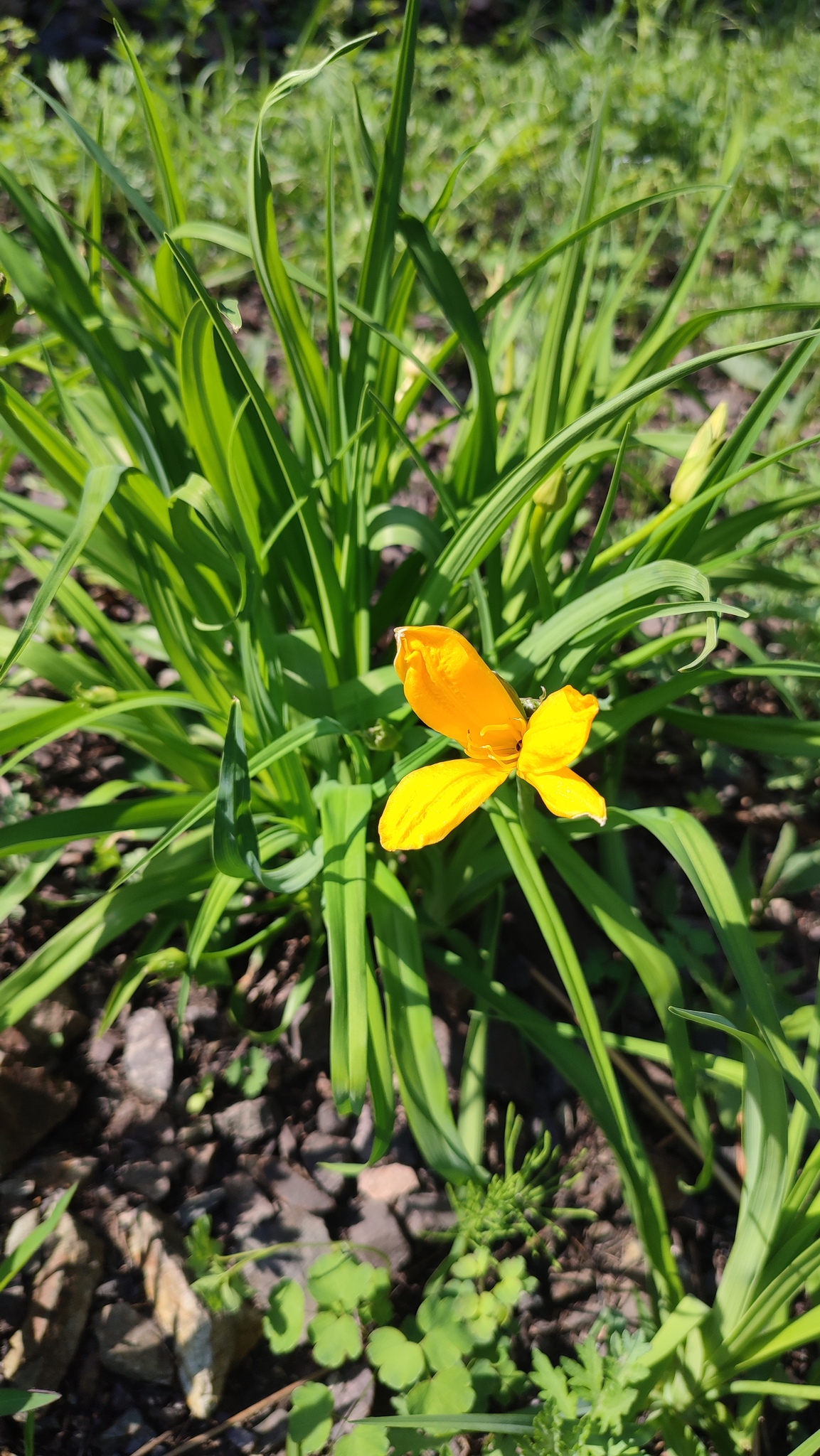
Amur Daylily
Hemerocallis middendorffii
☀️ Full Sun 💧 Moderate
Angular Solomon’s Seal
Polygonatum odoratum
☀️ Partial Shade 💧 Moderate
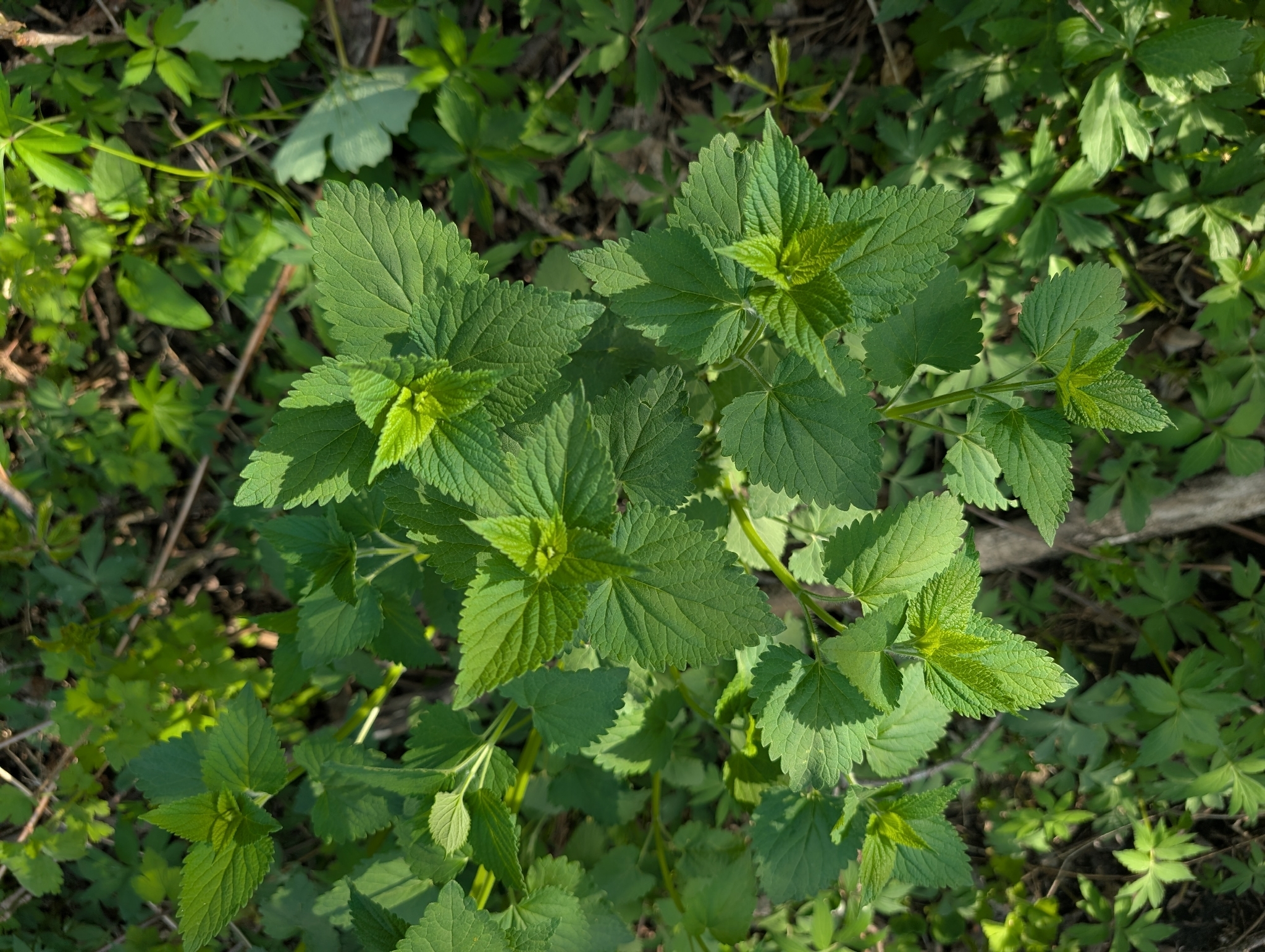
Anise Hyssop
Agastache foeniculum
☀️ Full Sun 💧 Low

Anise-Scented Sage
Salvia guaranitica
☀️ Full Sun 💧 Moderate

Anomalous Peony
Paeonia anomala
☀️ Full Sun 💧 Moderate

Appalachian Barren Strawberry
Geum fragarioides
☀️ Partial Shade 💧 Moderate

Arctic Blackberry
Rubus arcticus
Arctic Root
Rhodiola rosea
☀️ Full Sun 💧 Low

Arrowroot
Maranta arundinacea
☀️ Partial Shade 💧 High
Common Questions
What is the difference between an annual and a perennial?
Perennials live for three or more years, returning from their root systems each spring, whereas annuals complete their entire lifecycle from seed to death in a single season.
Do all perennials die back in the winter?
No, only herbaceous perennials die back to the ground in autumn, while evergreen perennials retain their foliage year-round.
When is the best time to plant perennials?
The best time to plant perennials is in early autumn or mid-spring when soil temperatures are between 10-18 °C (50-65 °F) and rainfall is reliable.
How often do you need to divide perennial plants?
Most clumping perennials require division every three to five years in early spring or autumn to prevent central dieback and maintain flowering vigour.