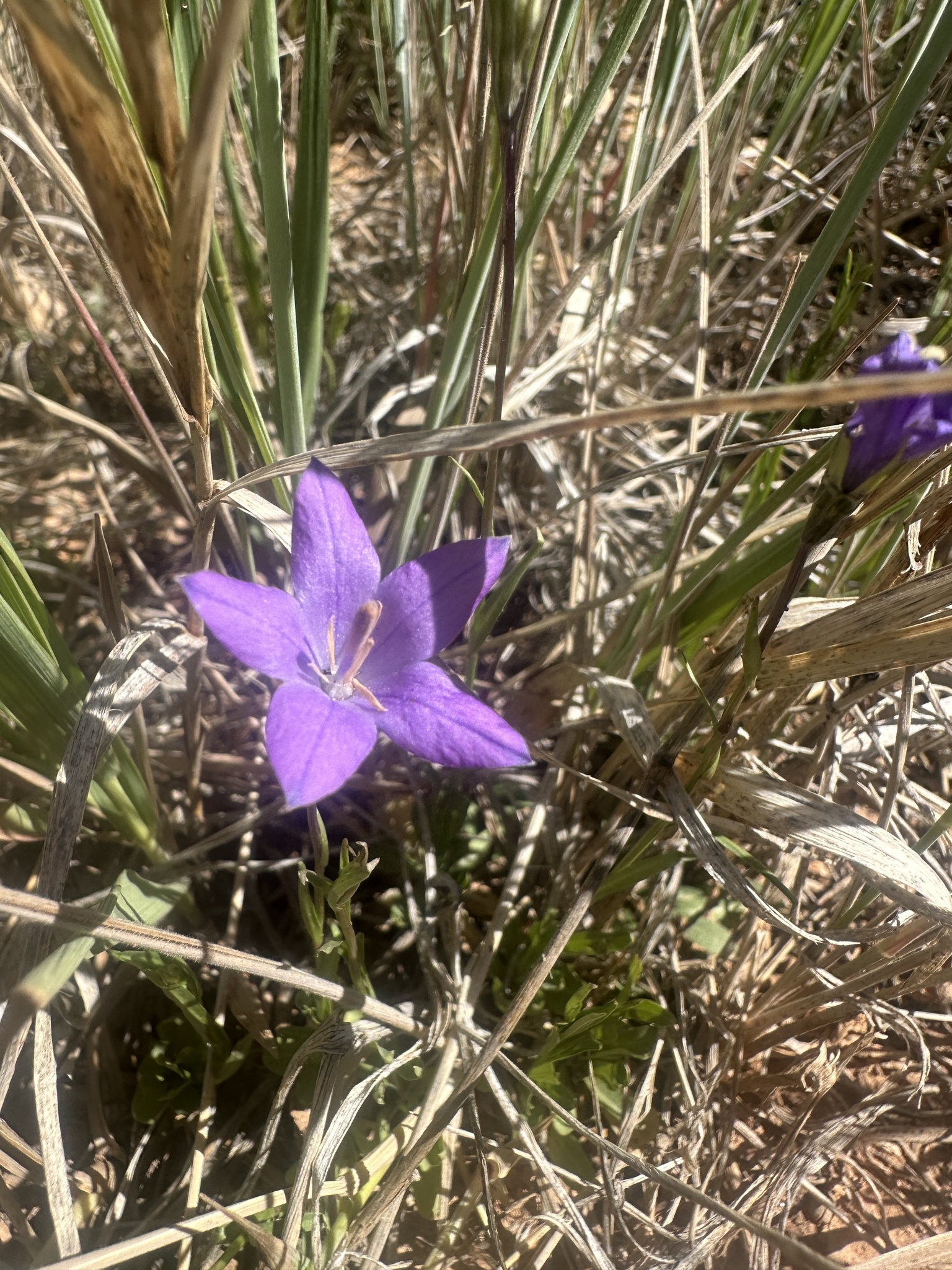
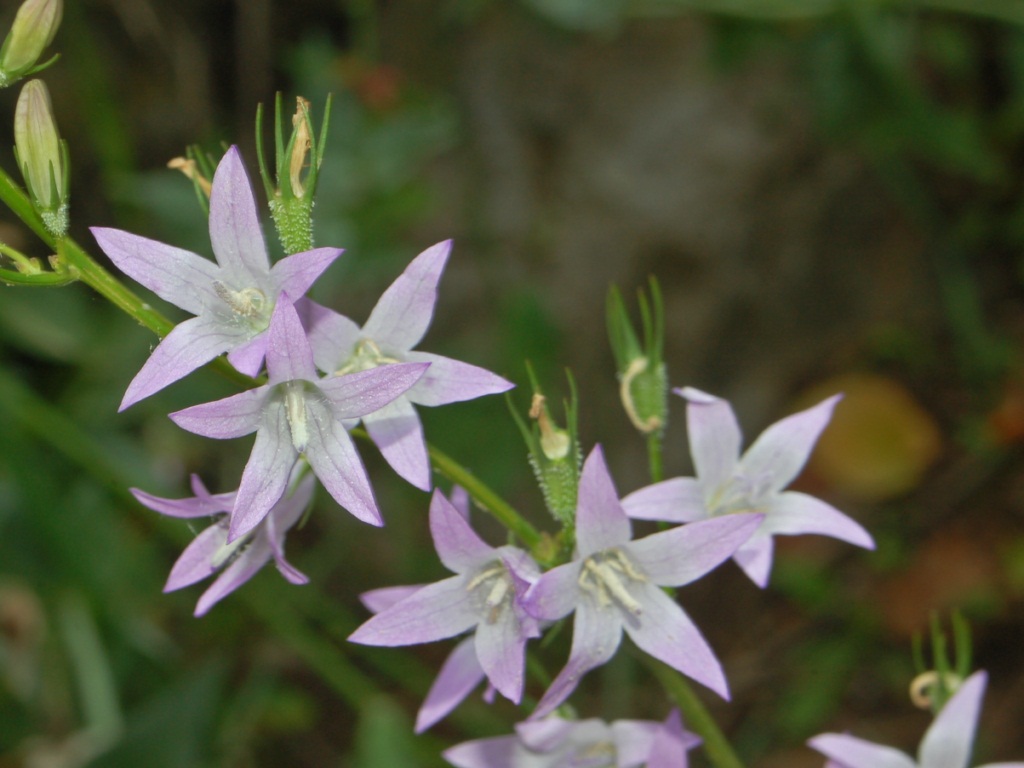
Carpathian harebell, or Campanula carpatica, is a low-growing herbaceous perennial native to the Carpathian Mountains of Central Europe. It is distinguished from other bellflowers by its upward-facing, wide blossoms that create a carpet of colour rather than drooping from tall spikes.
This species is a reliable choice for rock gardens and border edges in USDA zones 3 through 9. It remains compact, rarely exceeding 30 cm (12 in) in height, and is often used to suppress weeds in small, sunny patches of well-drained soil.
Key Facts
- Light: Full sun to partial shade
- Height: 15-30 cm (6-12 in)
- Deer Resistance: Generally ignored by deer and rabbits
- Hardiness: Extremely cold hardy to -40 °C (-40 °F)
- Spread: 30-60 cm (12-24 in) via rhizomes
Growing Carpathian Harebell in Your Garden
Carpathian harebell is a low-maintenance perennial that forms tidy, 20-30 cm (8-12 in) mounds of foliage. It is an ideal plant for the front of a perennial border or tucked into the crevices of a dry stone wall where its roots can stay cool.
Unlike the taller peach-leaved bellflower (Campanula persicifolia), this species maintains a tight, cushion-like habit that does not flop over after heavy rain. It is a long-lived plant that returns reliably every spring, provided it is not smothered by larger, more aggressive neighbours.
Identification and Appearance
This plant is identified by its upward-facing, 3-5 cm (1-2 in) wide bell-shaped flowers and heart-shaped, serrated leaves. The flowers consist of five fused petals that form a shallow cup, revealing a prominent central pistil that attracts small bees and hoverflies.
The foliage forms a dense “tussock” of bright green leaves that are roughly 2-4 cm (0.8-1.6 in) long and remain attractive even when the plant is not in bloom. Flowers appear on thin, wiry stems that rise just above the leaf mound, typically starting in June and continuing through August if the weather remains mild.
Best Site and Light Conditions
Carpathian harebell performs best in full sun to partial shade, though its specific needs depend on your local climate. In cooler northern regions, full sun is necessary to encourage the maximum number of flowers and maintain a compact growth habit.
In regions with hot, humid summers, afternoon shade is required to prevent the delicate foliage from wilting or scorching. The plant requires a location with excellent air circulation to discourage powdery mildew, which can become an issue in stagnant, damp corners of the garden.
Soil Requirements and Planting Steps
Plant this bellflower in well-drained, fertile soil with a neutral to slightly alkaline pH. It will struggle and likely die in heavy clay that retains too much water during the winter months, as the crown is susceptible to rot in anaerobic conditions.
When installing new plants, space them 25-30 cm (10-12 in) apart to allow for their natural spreading habit without overcrowding. Follow these steps for successful planting:
- Dig a hole twice the width of the root ball but no deeper.
- Amend heavy soil with horticultural grit or sharp sand to improve drainage.
- Set the plant so the crown is level with the soil surface.
- Water thoroughly immediately after planting to settle the roots.
Watering and Fertilizing Carpathian Bellflower
Provide approximately 2.5 cm (1 in) of water per week during the growing season, ensuring the soil remains consistently moist but never waterlogged. While established plants have some drought tolerance, they will stop flowering prematurely if the soil dries out completely during a summer heatwave.
Avoid overhead watering whenever possible to keep the foliage dry, as moisture trapped in the dense tussocks can lead to fungal issues. Apply a balanced, slow-release fertilizer in early spring as new growth emerges, or top-dress with a thin layer of well-rotted compost to provide steady nutrients.
How to Deadhead Carpathian Bellflower for More Blooms
Deadhead individual spent flowers regularly throughout the summer to prevent seed production and stimulate a second flush of blooms in late August. Use sharp garden snips to remove the faded flowers just above the next set of leaves or buds.
If the entire plant begins to look ragged or “stretched” after the first major bloom cycle in July, you can shear the entire foliage mound back by about half its height. This practice, often called a “haircut,” refreshes the leaves and encourages a tidier, more compact shape for the remainder of the growing season.
Propagation and Spreading
Propagate Carpathian harebell by dividing the root clumps every 3-4 years during early spring or autumn. Division is the most reliable method for maintaining the specific characteristics of popular cultivars like ‘Blue Clips’.
While the plant spreads via underground rhizomes, it is not considered an invasive species in most temperate gardens and is easily managed by digging up the edges. You can also grow the species from seed by sowing them on the soil surface in spring; they require light to germinate and should not be covered with soil.
Winter Care and Hardiness
Carpathian harebell is hardy to -40 °C (-40 °F) and requires very little winter protection in most climates. In late autumn, after the first hard frost has turned the foliage brown, cut the stems down to 2-5 cm (1-2 in) above the soil line.
A light layer of bark mulch can help protect the crown from frost heaving in areas with frequent freeze-thaw cycles. Avoid using heavy, wet mulches like matted leaves or thick straw, which can trap moisture against the crown and cause it to rot before the spring thaw begins.
Year-Round Care for Carpathian Harebell
| Spring | Apply a balanced fertilizer as new shoots appear. Divide overcrowded clumps every 3 years to maintain vigour. |
|---|---|
| Summer | Deadhead spent blooms weekly. Shear the plant back by half in mid-July if it becomes leggy or stops flowering. |
| Autumn | Cut back dead foliage to 5 cm (2 in) after the first hard frost. Clear away fallen leaves to prevent crown rot. |
| Winter | Ensure the site has good drainage to prevent waterlogging. Avoid walking on frozen garden beds near the crowns. |
Common Carpathian Bellflower Problems
| What you see | Likely cause | What to do |
|---|---|---|
| Holes in leaves | Slugs and snails | Apply organic slug pellets or use beer traps around the base of the plant. |
| White powdery coating on leaves | Powdery mildew | Improve air circulation and avoid watering the foliage directly. |
| Plant turning mushy at the base | Crown rot from poor drainage | Relocate the plant to a grittier soil mix or a raised bed. |
| Stunted growth and fine webbing | Spider mites | Increase humidity around the plant or spray with a sharp stream of water. |
Popular Carpathian Harebell Cultivars
- ‘Blue Clips’ – Deep violet-blue flowers on 20 cm (8 in) mounds.
- ‘White Clips’ – Pure white, large flowers; identical habit to Blue Clips.
- ‘Rapido Blue’ – Earlier blooming cultivar with very uniform growth.
- ‘Rapido White’ – Early-season white variety reaching 15 cm (6 in).
- ‘Thorpedo’ – Double violet-blue flowers that resemble small roses.
Best Companion Plants
Pair this bellflower with low-growing perennials that share its preference for well-drained soil and full sun. The cool blue and white tones of the Carpathian harebell serve as an effective foil for bright yellow or pink flowers in a rockery or border edge.
Consider these species for a cohesive planting scheme:
- Basket of Gold (Aurinia saxatilis) for a classic blue and yellow contrast.
- Cranesbill (Geranium sanguineum) for similar mounding habits.
- Creeping Phlox (Phlox subulata) to provide early spring colour before the bellflowers bloom.
- Sea Thrift (Armeria maritima) for a mix of textures in a rock garden.
- Speedwell (Veronica spicata) for vertical interest against the low mounds.
Frequently Asked Questions
Is Carpathian harebell deer resistant?
Yes, this plant is generally considered deer resistant and is rarely bothered by rabbits or other common garden herbivores.
Is Carpathian bellflower invasive?
No, it is not invasive. While it spreads slowly via rhizomes to form a wider carpet, it does not aggressively take over gardens like some other Campanula species.
Is Carpathian harebell safe for dogs?
Yes, Carpathian harebell is non-toxic to dogs, cats, and horses according to the ASPCA.
Why is my Carpathian bellflower not blooming?
The most common reasons are lack of sunlight, failure to deadhead spent blooms, or soil that is too dry during the peak of summer.
How tall does Carpathian harebell get?
Most varieties reach a mature height of 15-30 cm (6-12 in), though some dwarf cultivars stay closer to 10 cm (4 in).
Sources & Verification
Taxonomy and distribution are checked against the databases below. Care guidance is written for cultivated species only and reviewed by our editor. How We Build Plant Profiles →