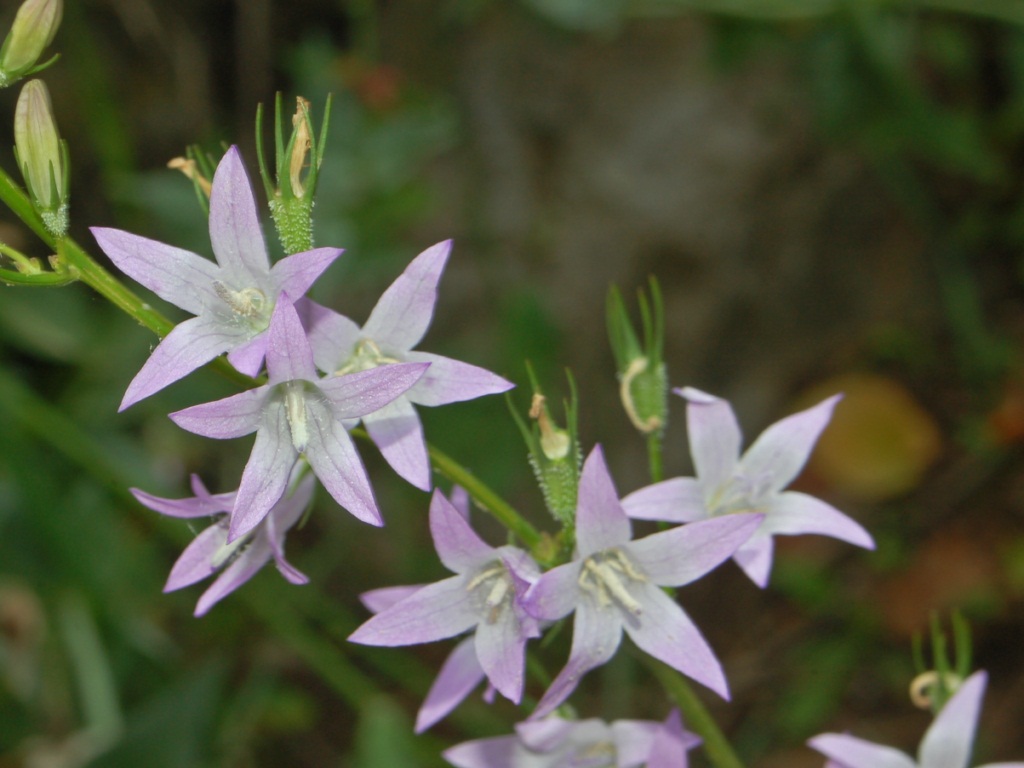
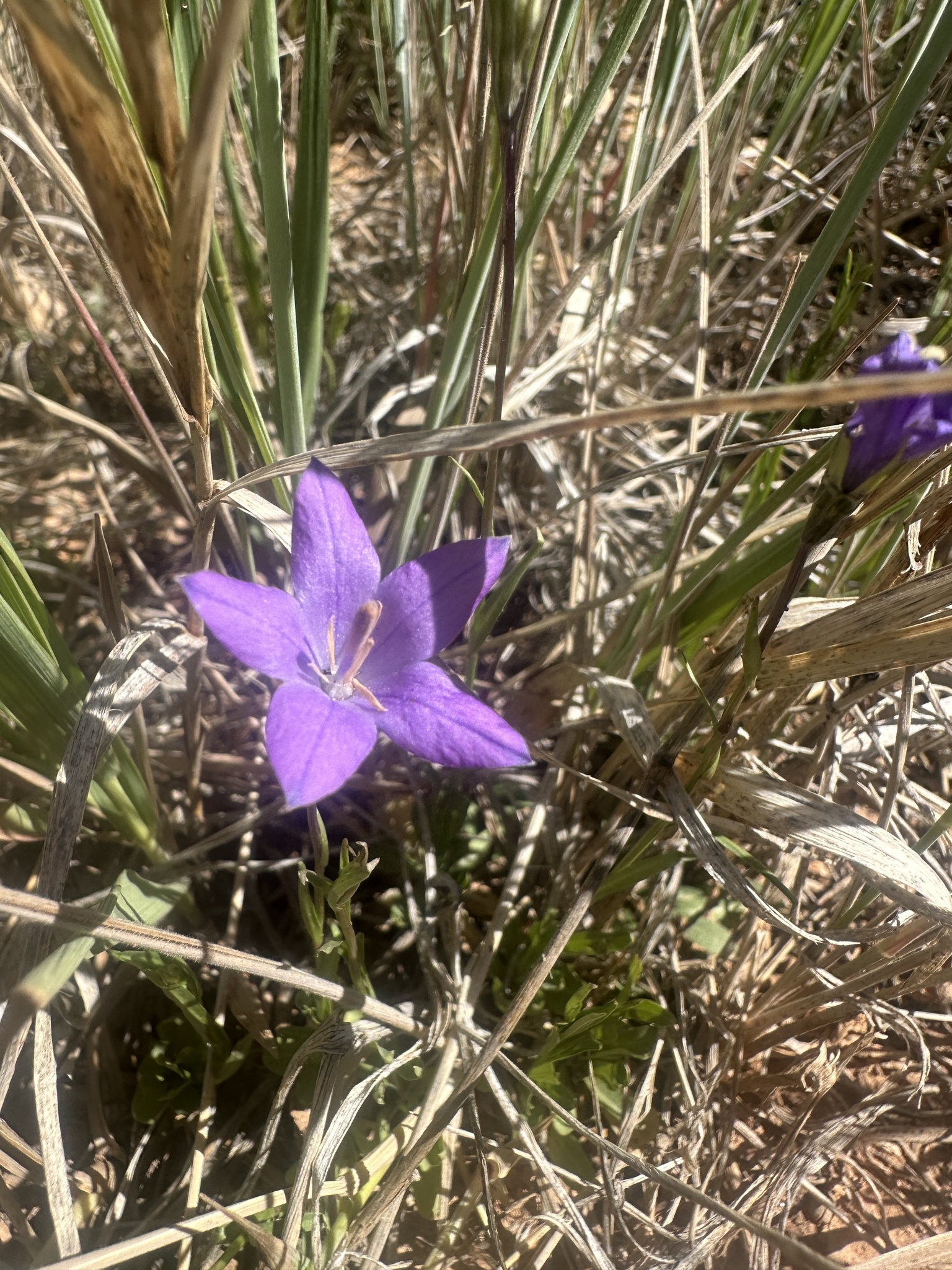
Campanula punctata is a herbaceous perennial native to East Asia, including Japan, Korea, and Siberia. It is recognized by its large, nodding, bell-shaped flowers that feature distinct purple or red spots on the interior petals.
This species expands through underground runners and can quickly fill a garden bed. You must provide it with regular moisture and monitor its spread to prevent it from outcompeting smaller plants in your borders.
Key Facts
- Light: Full sun to partial shade
- Water: Keep soil consistently moist
- Spread: Spreads rapidly via underground rhizomes
- Hardiness: Reliable in USDA zones 4-9
- Bloom: Large spotted bells in early summer
Is Spotted Bellflower Right for Your Garden?
Spotted bellflower is a high-energy spreader that suits gardeners with large areas to cover or those using containers. You should choose this plant if you need a ground-covering perennial that thrives in cooler, moist environments. It is not a good choice for small, organized borders where its rhizomes will quickly travel into the root zones of neighboring species.
This plant is ideal for woodland edges where it can naturalize without restriction. Because it spreads through underground runners, it can effectively stabilize soil on gentle slopes. You will find it most useful for filling gaps between larger, established shrubs that can withstand its competition.
Identifying Spotted Bellflower
The plant produces a basal clump of heart-shaped, hairy leaves that reach 5-12 cm (2-5 in) in length. Flowering stems grow 30-60 cm (1-2 ft) tall and bear several pendulous, tubular flowers. Each bloom is 5-10 cm (2-4 in) long, which is significantly larger than many other species in the genus.
The exterior of the flower is typically cream or pale pink, while the interior is densely spotted with crimson and covered in fine hairs. The foliage remains low to the ground for most of the spring before the vertical flower spikes emerge in June. The leaves have a coarse, toothed margin and a slightly rough texture when touched.
The Best Growing Site
Choose a location that receives 4-6 hours of sunlight per day for the best flowering. In warmer climates, provide afternoon shade to prevent the leaves from scorching or wilting during the hottest part of the day. It prefers temperate conditions and may struggle in areas with extreme summer humidity and heat.
The soil should be fertile and loamy, with plenty of organic matter to retain moisture. While it can tolerate a range of soil types, it will spread most aggressively in loose, sandy soils. Avoid planting it in heavy clay that remains waterlogged, as this can lead to crown rot during the winter months.
Planting and Spacing
Set plants in the ground during early spring or autumn when temperatures are mild. Space individual plants at least 45-60 cm (1.5-2 ft) apart to accommodate their rapid horizontal growth. Dig a hole as deep as the root ball and twice as wide to encourage the roots to move into the surrounding soil.
Ensure the crown of the plant is level with the soil surface; planting too deep can cause the stems to rot. After planting, firm the soil gently and water thoroughly to remove any air pockets. If you are worried about the plant spreading, consider installing a 30 cm (12 in) deep root barrier before you put the plant in the ground.
Watering and Fertilizing Requirements
Maintain consistent soil moisture by watering when the top 2 cm (1 in) of soil feels dry. This species requires more water than many other bellflowers and will quickly wilt if the ground dries out completely. During the peak of summer, you may need to water twice a week to keep the foliage lush.
Apply a slow-release balanced fertilizer once in the spring as new growth appears. Avoid high-nitrogen mixes, as these will trigger excessive leaf and runner production at the expense of flowers. A thin layer of compost applied around the base each spring is often sufficient to provide the nutrients needed for a healthy bloom.
Managing Spotted Bellflower Spread and Invasive Tendencies
Spotted bellflower is considered invasive in some regions due to its aggressive rhizomatous growth and ability to self-seed. You can limit its spread by planting it in a bottomless bucket buried in the ground or by regularly pulling up wandering runners that appear outside their designated area. This manual thinning should be done every spring to keep the colony under control.
Deadhead the faded bells immediately to prevent the formation of seed pods. If left to seed, the plant can colonize nearby lawns and gravel paths, where it is difficult to eradicate. If the plant becomes too large for its space, you can dig up the entire clump and replant only a small portion.
Propagating Spotted Bellflower
The easiest way to propagate is through root division in the spring. Dig up a section of the plant that has several healthy shoots and a portion of the underground rhizome attached. These pieces can be replanted immediately and will usually flower within the same year.
- Select healthy runners from the edge of the clump
- Ensure each division has at least two leaf nodes
- Replant at the same depth as the original colony
- Water daily for the first two weeks after division
Seeds can be sown on the surface of moist compost in spring, but they require light to germinate. Do not cover the seeds with soil; simply press them into the surface and keep them in a bright, cool location.
Common Pests and Diseases
Slugs and snails are the primary pests, frequently targeting the tender young foliage in early spring. You may see large holes or entirely stripped stems if these pests are not managed. Powdery mildew can occur in late summer if the plants are crowded and air circulation is poor between the stems.
Leaf spot may appear during very wet seasons, showing up as dark, water-soaked patches on the basal leaves. To prevent this, avoid overhead watering and ensure the soil has adequate drainage. Spider mites can occasionally affect the plants in very hot, dry conditions, causing the leaves to look dusty and yellowed.
Winter Care and Hardiness
This species is hardy to -35 °C (-30 °F) and survives well in USDA zones 4-9. The top growth will turn brown and die back completely after the first few hard frosts of autumn. You should cut the dead stems back to the ground level to keep the garden tidy and prevent pests from overwintering in the debris.
Apply a 5 cm (2 in) layer of organic mulch over the crown in late autumn to protect the dormant rhizomes from extreme temperature fluctuations. In spring, remove any heavy mulch as soon as the first green shoots appear to prevent rot. No additional protection is needed for the roots in most temperate climates.
Maximizing the Summer Bloom
Flowers typically appear from June through August, providing a long period of color. The “spotted” characteristic is most visible when looking up into the hanging bells, so consider planting them on a raised bank or in a tall container. For the best display, ensure the plant receives consistent water during the budding stage in late May.
If the first flush of flowers is cut back promptly after fading, the plant may produce a smaller secondary bloom in late summer. Ensure the soil remains fertile by top-dressing with compost every year. The largest flowers are usually produced on plants that are two to three years old.
Year-Round Care for Spotted Bellflower
| Spring | Divide established clumps every 3 years to manage spread. Apply a balanced fertilizer and monitor for slug damage on new shoots. |
|---|---|
| Summer | Water twice weekly during dry spells. Deadhead spent flowers to prevent self-seeding and encourage a possible second bloom. |
| Autumn | Cut back dead flower stalks and foliage to the ground after the first frost. Apply a fresh layer of mulch over the rhizomes. |
| Winter | No active care is required as the plant is dormant. Avoid walking on the planting area to prevent soil compaction over the roots. |
Why Is My Spotted Bellflower Failing? Quick Diagnosis
| What you see | Likely cause | What to do |
|---|---|---|
| Yellowing lower leaves | Waterlogged soil | Improve drainage or reduce watering frequency to let the top soil dry. |
| Holes in new spring growth | Slugs and snails | Apply organic slug pellets or use copper tape around containers. |
| White powdery coating on leaves | Poor air circulation | Thin out the stems and avoid watering the foliage directly. |
| Plant not flowering | Too much shade | Move the plant to a location with at least 4 hours of direct sunlight. |
| Aggressive spreading into lawn | Unrestricted rhizomes | Install a physical root barrier 30 cm deep around the planting site. |
Popular Spotted Bellflower Cultivars
- ‘Cherry Bells’ – deep reddish-pink flowers, very popular
- ‘Pink Octopus’ – unusual narrow, linear petals resembling tentacles
- ‘Pantaloons’ – double-flowered variety with bells inside bells
- ‘Elizabeth’ – large, soft pink bells on dark stems
- ‘Bowl of Cherries’ – compact habit with dark maroon-pink blooms
Companion Plants for Bellflowers
Plant alongside large species like plantain lily (Hosta sieboldiana) which can compete with its vigorous root system. The broad leaves of the hosta also provide a nice texture contrast to the narrow flowering spikes of the bellflower. Coral bells (Heuchera sanguinea) offer purple or lime foliage that highlights the soft pink or white bells.
Siberian iris (Iris sibirica) provides a strong vertical element and thrives in the same moist soil conditions that spotted bellflower prefers. Other good companions include:
- Lady’s mantle (Alchemilla mollis) for groundcover contrast
- Hardy geraniums (Geranium rozanne) for extended color
- Japanese forest grass (Hakonechloa macra) for texture in shade
Frequently Asked Questions
Is spotted bellflower invasive?
Yes, it spreads rapidly through underground rhizomes and can become invasive in loose, fertile soil if not contained. You should use root barriers or plant it in containers to manage its expansion.
Is spotted bellflower poisonous to cats or dogs?
No, the spotted bellflower is considered non-toxic to humans, cats, and dogs according to the ASPCA. It is safe to plant in gardens where pets and children play.
What is the difference between spotted bellflower and creeping bellflower?
Spotted bellflower (Campanula punctata) has much larger, spotted, pendulous flowers, while creeping bellflower (Campanula rapunculoides) has smaller, unspotted bells that grow along one side of a tall spike.
What does the spotted bellflower symbolize?
In the language of flowers, bellflowers generally represent gratitude, constancy, and everlasting love. They were traditionally associated with the concept of 'thinking of you'.
Is it the same as a spotted begonia?
No, spotted bellflower is a hardy perennial in the Campanulaceae family, while spotted begonia (Begonia maculata) is a tropical houseplant with silver-spotted leaves.
Information about traditional or historical uses is provided for educational interest only and is not medical advice. Do not use any plant to treat a condition without speaking to a qualified professional.
Sources & Verification
Taxonomy and distribution are checked against the databases below. Care guidance is written for cultivated species only and reviewed by our editor. How We Build Plant Profiles →