Groundcover Plants for Lawns, Slopes, and Shade
284 plant profiles · Compare 183 groundcover species by light, soil moisture, and foot traffic tolerance. Find low-growing perennials, grasses, and shrubs for any site.
Groundcovers are low-growing plants that spread horizontally across bare soil to suppress weeds, prevent erosion, and retain surface moisture. While turf-forming species like Bahia grass (Paspalum notatum) and crested dog's-tail (Cynosurus cristatus) create uniform carpets that withstand regular foot traffic, non-turf groundcovers span diverse growth forms from woody dwarf shrubs to creeping herbaceous perennials. Choosing the right species depends on sunlight levels, soil moisture, winter minimum temperatures, and how frequently people or pets will walk across the area.
For dry, sunny slopes and exposed borders, low-profile perennials like lesser calamint (Clinopodium nepeta) and evergreen shrubs like sage-leaved rock-rose (Cistus salviifolius) bind dry soil with deep root systems. Where foot traffic is frequent but mowing is undesirable, smooth rupturewort (Herniaria glabra) forms an evergreen mat under 5 cm (2 in) tall that cushions footsteps. In persistently wet ground or along pond margins, creeping aquatic plants like brooklime (Veronica beccabunga) root along their stems to stabilize muddy banks.
Shaded microclimates require species that tolerate dry root competition from mature overstory trees. Deciduous woodland natives like beech fern (Phegopteris connectilis) expand via horizontal rhizomes across moist, acidic soil, while dwarf spreading cultivars of Japanese plum yew (Cephalotaxus harringtonia) provide dense, deer-resistant needle evergreen foliage in deep shade down to -20 °C (-4 °F). Spacing selections according to their mature horizontal spread ensures canopy closure within two to three growing seasons.

Aaron’s Beard
Hypericum calycinum
☀️ Full Sun 💧 Moderate
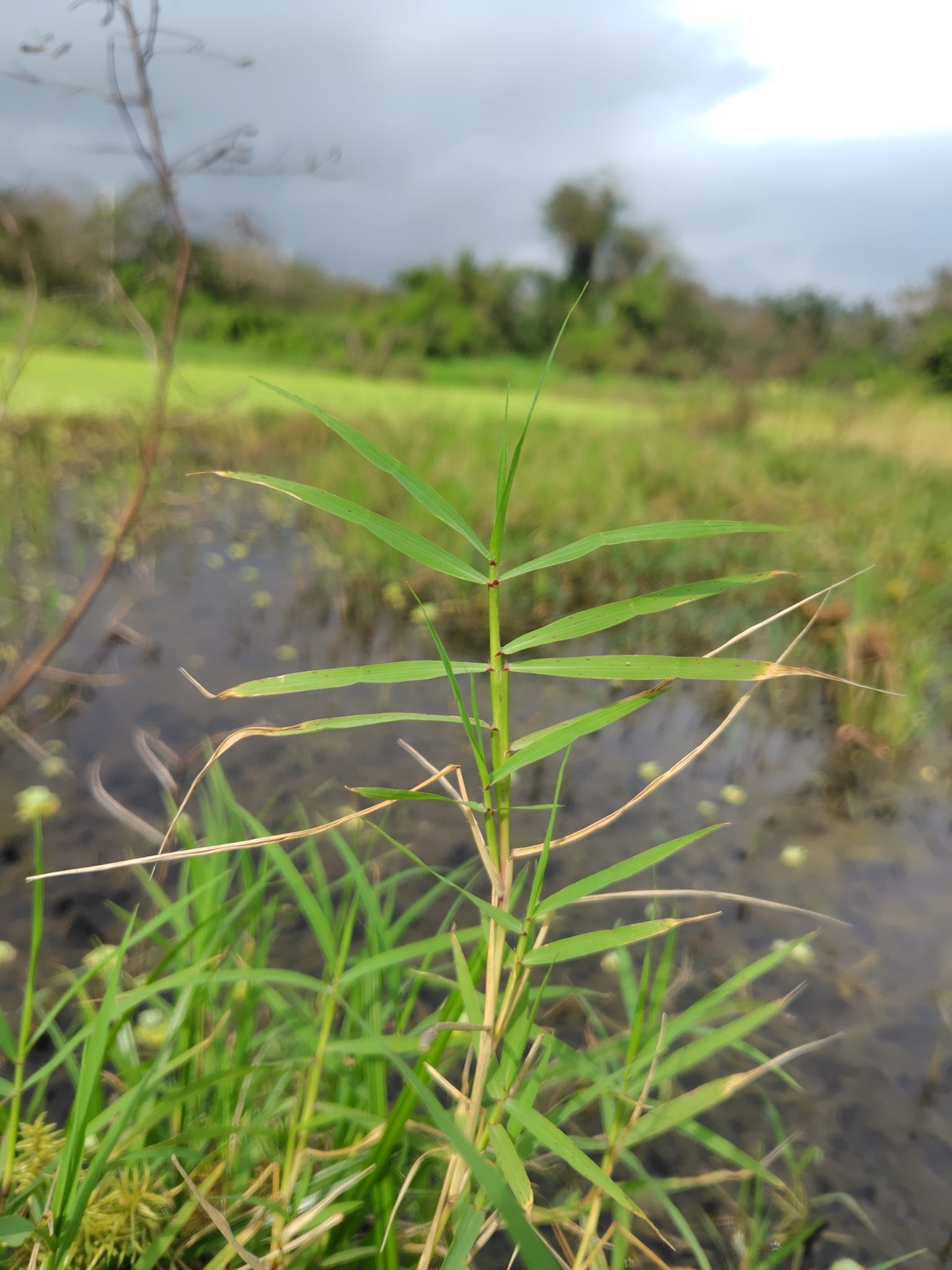
African Bermuda Grass
Cynodon nlemfuensis
☀️ Full Sun 💧 Moderate
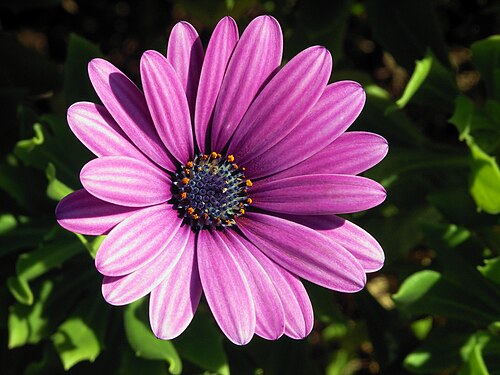
African Daisy
Dimorphotheca ecklonis
☀️ Full Sun 💧 Low
Alpine Aster
Aster alpinus
☀️ Full Sun 💧 Low

Alpine Lady’s Mantle
Alchemilla alpina
☀️ Full Sun 💧 Moderate
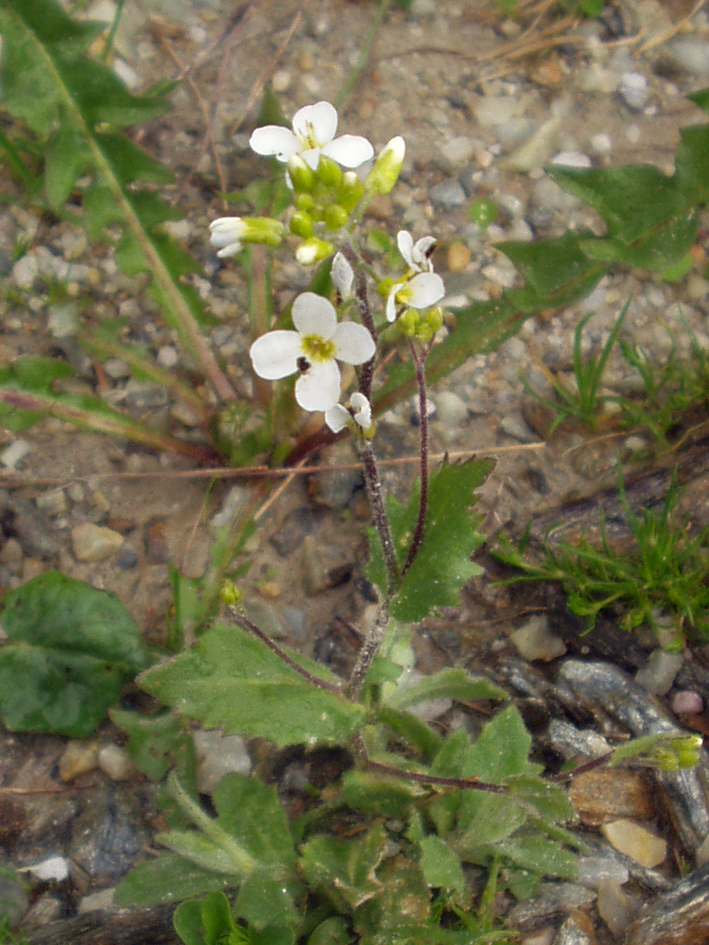
Alpine Rock-Cress
Arabis alpina
☀️ Full Sun 💧 Low

American Columbine
Aquilegia canadensis
☀️ Partial Shade 💧 Moderate
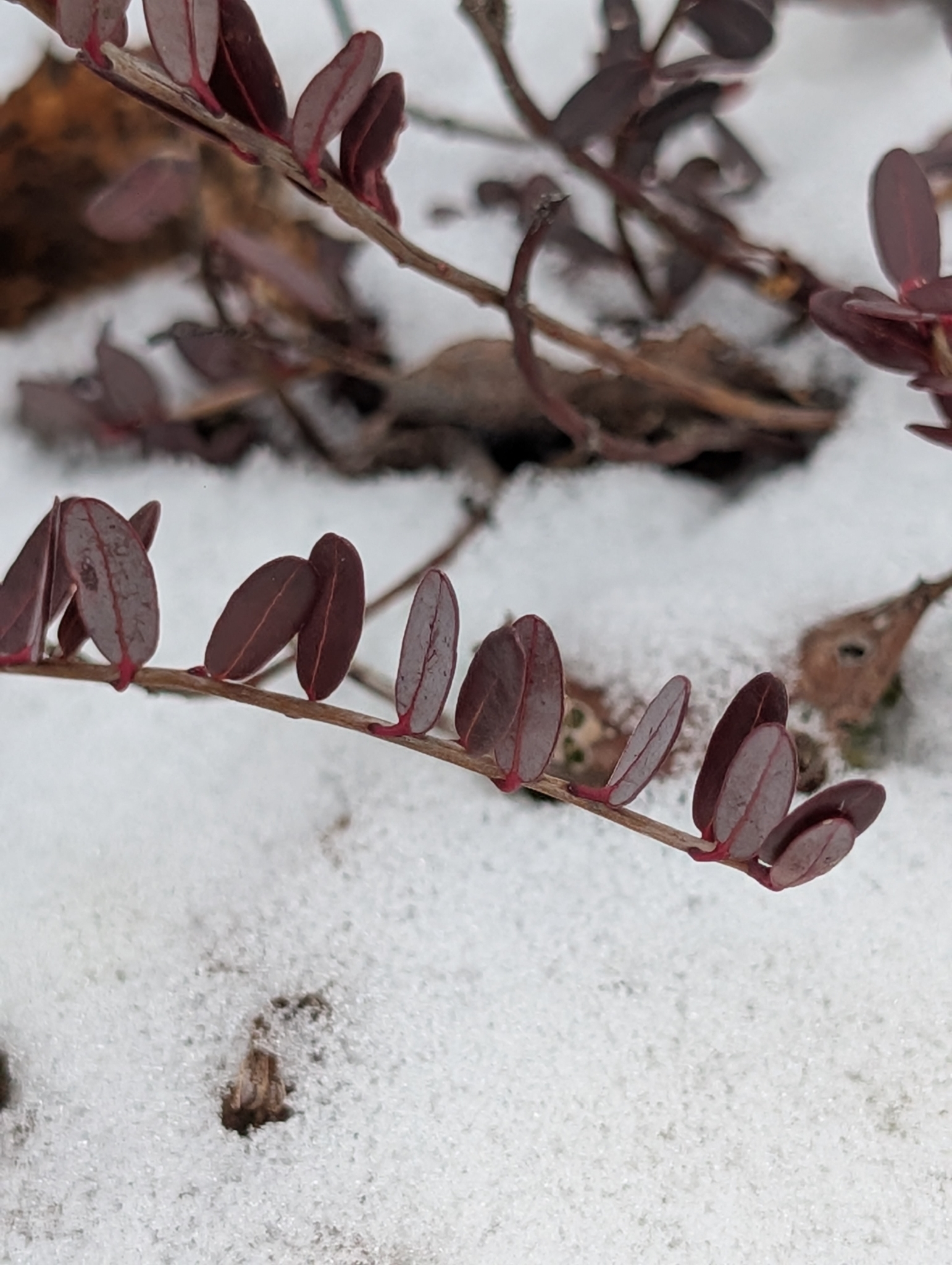
American Cranberry
Vaccinium macrocarpon
☀️ Full Sun 💧 High

American Wild Ginger
Asarum canadense
☀️ Full Shade 💧 Moderate

American Wood-Sorrel
Oxalis montana
☀️ Full Shade 💧 High
Angular Solomon’s Seal
Polygonatum odoratum
☀️ Partial Shade 💧 Moderate
Annual Ryegrass
Lolium multiflorum
☀️ Full Sun 💧 Moderate

Appalachian Barren Strawberry
Geum fragarioides
☀️ Partial Shade 💧 Moderate

Apple Mint
Mentha suaveolens
☀️ Full Sun 💧 Moderate
Arctic Root
Rhodiola rosea
☀️ Full Sun 💧 Low

Asarabacca
Asarum europaeum
☀️ Full Shade 💧 Moderate

Ashy Buckwheat
Eriogonum cinereum
☀️ Full Sun 💧 Low

Aubrieta
Aubrieta deltoidea
☀️ Full Sun 💧 Low
Autumn Fern
Dryopteris erythrosora
☀️ Partial Shade 💧 Moderate

Baby Sun Rose
Mesembryanthemum cordifolium
☀️ Full Sun 💧 Low

Baby’s Tears
Soleirolia soleirolii
☀️ Bright Indirect 💧 High

Bacopa
Chaenostoma cordatum
☀️ Partial Sun 💧 High
Bahia Grass
Paspalum notatum
☀️ Full Sun 💧 Low
Basket of Gold
Aurinia saxatilis
☀️ Full Sun 💧 Low
Common Questions
What is the fastest-spreading groundcover for weed suppression?
Fast-spreading stoloniferous perennials and rooting vines cover open soil within 60 to 90 days of planting in warm weather. For permanent weed control, plant your groundcover at 20 to 30 cm (8 to 12 in) intervals and apply a 5 cm (2 in) layer of wood chip mulch to block light until the foliage overlaps.
Which groundcovers can handle heavy foot traffic?
Turf-forming grasses like Bahia grass (Paspalum notatum) handle daily, heavy foot traffic and regular mowing. For non-grass alternatives that tolerate moderate walking between pavers or along path edges, choose prostrate mat-formers like smooth rupturewort (Herniaria glabra), which stays under 5 cm (2 in) tall and does not tear under footwear.
How many groundcover plants do you need per square meter?
Most plantings require 6 to 12 plants per square meter (roughly 1 to 2 plants per square foot) to achieve complete soil cover within two seasons. Compact creeping perennials require tighter spacing of 15 to 20 cm (6 to 8 in), while horizontal woody shrubs like Japanese plum yew (Cephalotaxus harringtonia) should be spaced 60 to 90 cm (24 to 36 in) apart.
What are the best evergreen groundcovers for full shade?
Low-growing forms of Japanese plum yew (Cephalotaxus harringtonia) thrive in deep, dry shade beneath large tree canopies where grass fails to grow. These conifers maintain dense foliage through freezing winter temperatures down to -20 °C (-4 °F) and resist browsing by deer and rabbits.