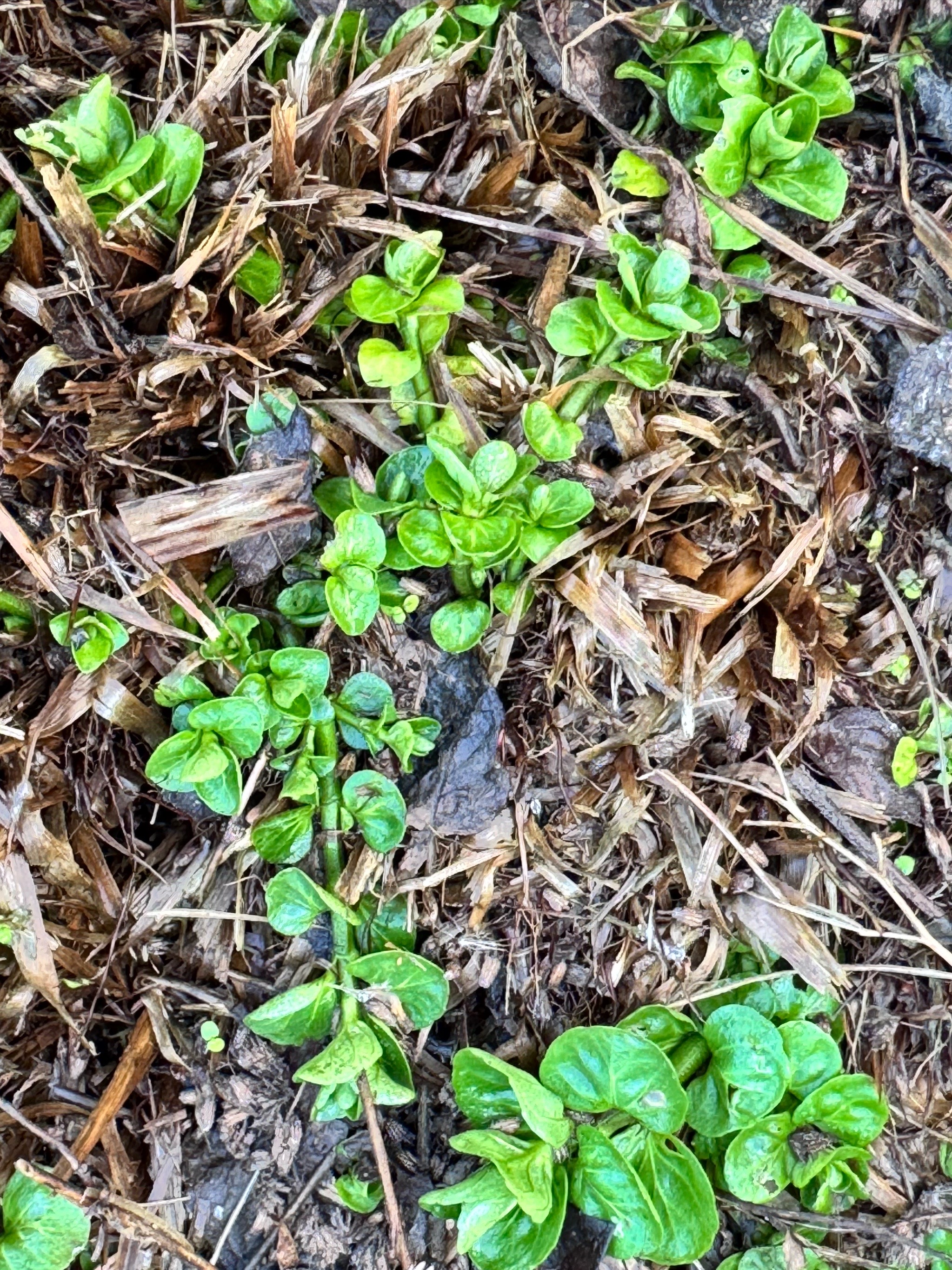
Apple mint (Mentha suaveolens) is a herbaceous perennial native to southern and western Europe, recognized by its woolly, rounded leaves and crisp, fruity fragrance. Unlike sharper culinary mints, it contains lower concentrations of menthol and produces a milder, sweeter flavor.
It spreads vigorously via subterranean rhizomes and will overrun an open garden bed within two growing seasons unless restricted to a container or enclosed bed.
Key Facts
- Light: Full sun to partial shade
- Water: Keep soil evenly moist throughout the season
- Height: 40–100 cm (16–39 in)
- Harvest: Gather leaves before summer flowering begins
- Hardiness: USDA Zones 5 to 9
- Containment: Pot planting recommended to limit rhizome spread
Growing Apple Mint in the Garden
Growing apple mint requires strict root containment to stop underground rhizomes from choking out surrounding crops. It suits container gardeners, raised bed growers with root barriers, and kitchen cooks seeking an aromatic herb that tolerates variable weather.
Where spearmint (Mentha spicata) and peppermint (Mentha × piperita) feature sharp, peppery undertones, apple mint delivers a mellow, fruity profile without a lingering bite. Confining the plant to a 30 cm (12 in) pot sunk into garden soil keeps the plant productive while protecting the rest of your plot.
What Does Apple Mint Look Like
Apple mint forms upright, branching clumps 40 to 100 cm (16 to 39 in) tall with distinctively downy, light green foliage. The leaves are sessile, broadly ovate to circular, measuring 3 to 5 cm (1.2 to 2 in) in length with serrated margins and a wrinkled, rugose surface.
Soft white hairs cover both sides of each leaf, giving the foliage a velvety texture that distinguishes it from smooth-leaved mints such as water mint (Mentha aquatica). In mid to late summer, the plant produces dense terminal spikes 4 to 9 cm (1.6 to 3.5 in) long bearing hundreds of tiny white, pale pink, or pale violet flowers.
Sun and Soil Conditions
Apple mint develops its best leaf aroma in full sun to partial shade with fertile, moisture-retentive soil. Sites receiving 5 to 6 hours of morning direct sun yield compact growth with concentrated essential oils, whereas deep shade causes weak, elongated stems.
The plant adapts to neutral and slightly acidic ground within a pH range of 6.0 to 7.5. Incorporate compost into sandy soil before planting to improve water-holding capacity, as root systems decline rapidly in dry, baked ground.
How to Plant Apple Mint and Grow from Seeds
The easiest way to start apple mint is from stem cuttings or root divisions, because seed germination is irregular and often fails to produce true aromatic characteristics. Spring division yields established plants within 4 weeks.
If planting apple mint seeds, follow these steps:
- Sow seeds indoors 6 to 8 weeks before the last spring frost.
- Press seeds onto moist seed-starting mix without covering them, as they require light to germinate.
- Maintain a temperature of 18 to 21 °C (65 to 70 °F) under grow lights or on a sunny sill.
- Transplant seedlings outdoors into pots once they form two sets of true leaves and frost danger has passed.
- Space garden plantings 45 to 60 cm (18 to 24 in) apart if growing within physical root barriers.
Apple Mint Plant Care and Watering
Water apple mint whenever the top 2.5 cm (1 in) of soil feels dry to your finger. Potted specimens dry out quickly in warm weather and may require watering daily during midsummer spells above 28 °C (82 °F).
Feed potted plants with a diluted liquid organic fertilizer once per month from April to July. Avoid excessive nitrogen applications, which cause rapid leafy growth at the expense of aroma and flavor potency.
Harvesting Apple Mint Leaves
Harvest apple mint stems by cutting them 5 cm (2 in) above the soil line in the morning after dew has dried. Morning harvesting captures the highest concentration of aromatic volatile oils before midday sun evaporates them.
Follow these harvesting guidelines:
- Begin cutting once the plant reaches at least 20 cm (8 in) in height.
- Take whole stem cuttings directly above a leaf node to stimulate branching.
- Complete major harvests just before flower buds open, when leaf flavor peaks.
- Leave at least one-third of the foliage intact during any single cutting to allow regrowth.
What to Do with Apple Mint: Tea, Jelly, and Kitchen Uses
Apple mint works naturally in hot infusions, cold summer drinks, fruit salads, and mint jelly due to its low menthol content and mild apple fragrance. It does not overpower delicate dishes the way stronger culinary herbs can.
Practical uses for fresh-cut stems include:
- Herbal tea: Steep 6 to 8 bruised leaves in 250 ml (8.5 fl oz) of boiling water for 6 minutes.
- Apple mint jelly: Infuse strained pectin syrup with chopped leaves to serve with lamb or pork roasts.
- Cold beverages: Muddle sprigs into lemonade, iced green tea, or seltzer.
- Summer salads: Toss finely shredded leaves into bowls of melon, strawberry, or cucumber.
Common Apple Mint Pests and Diseases
The most common fungal disease affecting apple mint is mint rust (Puccinia menthae), which causes dusty orange and brown pustules to erupt on the undersides of leaves. Severe infections lead to leaf drop and stem twisting.
Manage common growing setbacks with targeted actions:
- Mint rust: Cut affected stems down to soil level and discard them in household waste, never the compost bin.
- Aphids: Wash clusters off soft stem tips using a targeted spray of water or horticultural soap.
- Spider mites: Spray foliage undersides and raise localized ambient humidity if growing in dry greenhouse air.
- Powdery mildew: Thin out crowded interior branches to improve air circulation across the foliage.
How to Store and Preserve Apple Mint
Fresh sprigs stay crisp for 7 to 10 days when stood upright in a jar containing 3 cm (1.2 in) of water in the refrigerator. Cover the leaves loosely with a clean plastic bag to maintain humidity.
For long-term storage, bundle stems into small loose bunches and hang them upside down in a warm, dark, well-ventilated space at 20 to 25 °C (68 to 77 °F) for 10 to 14 days. Once the leaves crumble easily, strip them from the stems and store them whole in airtight glass jars away from direct light to preserve their aroma.
Year-Round Apple Mint Maintenance
| Spring | Divide congested root systems, re-pot into fresh compost, and prune away dead winter debris to make way for new shoots. |
|---|---|
| Summer | Water containers daily during heatwaves, harvest foliage before flowers open, and shear plants back by half in midsummer to prompt fresh autumn leaves. |
| Autumn | Cut all top growth down to 5 cm (2 in) above the soil line after the first autumn frost, and top-dress pots with a 2 cm (0.8 in) layer of garden compost. |
| Winter | In zones below USDA 6, move outdoor containers to a sheltered wall or cold frame to protect the roots from freezing winds; keep the soil barely moist. |
Apple Mint Problems and Solutions
| What you see | Likely cause | What to do |
|---|---|---|
| Orange or rusty brown pustules under leaves | Mint rust fungus (Puccinia menthae) | Cut all stems down to ground level and clear away fallen foliage to halt spore spread. |
| Long, thin stems with sparse small leaves | Insufficient sunlight or overcrowded roots | Relocate the plant to a brighter position receiving at least 5 hours of sun and divide the root clump. |
| Wilting foliage despite moist soil | Root rot from poor drainage or stagnant water | Repot in fresh, free-draining potting compost with drainage holes clear of debris. |
| White powdery coating over leaf surfaces | Powdery mildew infection in stagnant air | Prune out dense center growth and avoid wetting foliage when watering. |
Apple Mint Cultivars to Look For
- ‘Variegata’ (Pineapple Mint) – cream-edged leaves with a light, tropical scent
- ‘Bowles’s Mint’ – broad, woolly leaves with a robust mint aroma for tea brewing
Frequently Asked Questions
How to make apple mint tea?
Steep 6 to 8 fresh bruised apple mint leaves in 250 ml (8.5 fl oz) of boiling water for 5 to 7 minutes. Strain the liquid and serve hot or chilled over ice.
What is apple mint used for?
Apple mint is used primarily for herbal teas, jellies, fruit salads, and summer drinks because of its sweet, fruity flavor. Gardeners also plant it in containers to attract bees and butterflies.
What does apple mint look like?
Apple mint features woolly, rounded, light green leaves with serrated edges and distinctively wrinkled surfaces. It grows 40 to 100 cm (16 to 39 in) tall on square stems topped with dense summer spikes of pale white or pinkish flowers.
What is apple mint flavor in pouches or vapes?
Apple mint flavoring in commercial nicotine pouches and vapes is an artificial or natural blend of crisp green apple notes and mild menthol cooling. It mimics the natural balance of fruit aroma and light mintiness found in fresh apple mint foliage.
Is apple mint safe for cats and dogs?
Apple mint is mildly toxic to cats and dogs if consumed in large quantities. Like most members of the genus Mentha, it contains aromatic essential oils that can irritate an animal's stomach, resulting in vomiting or diarrhea.
What are the health benefits of apple mint?
Apple mint tea was traditionally used to ease minor indigestion, soothe throat irritation, and relax stomach spasms. Modern scientific evidence for curative medicinal properties remains limited, so it is consumed primarily as a flavorful dietary beverage.
Information about traditional or historical uses is provided for educational interest only and is not medical advice. Do not use any plant to treat a condition without speaking to a qualified professional.
Sources & Verification
Taxonomy and distribution are checked against the databases below. Care guidance is written for cultivated species only and reviewed by our editor. How We Build Plant Profiles →