Perennial Plants Identification and Growing Guide
2,230 plant profiles · Learn how to select, grow, and care for perennial plants, from shade-loving bulbs and ferns to drought-tolerant desert shrubs and tall timber trees.
Perennials are plants that live for more than two years, persisting across multiple growing seasons through underground root systems, bulbs, or woody trunks. Unlike annuals that complete their life cycle in a single season, perennials re-emerge each spring or retain evergreen foliage year-round. This group spans everything from spring bulbs like glory of the snow (Scilla luciliae) and Formosa lily (Lilium formosanum) to broadleaf timber trees such as the Caucasian oak (Quercus macranthera) and Himalayan horse-chestnut (Aesculus indica).
Choosing the right perennial depends on your site's soil moisture, sunlight exposure, and winter hardiness zones. Desert-adapted species like the pancake prickly pear (Opuntia chlorotica) and winterfat (Krascheninnikovia lanata) thrive in nutrient-poor, dry soil with intense light, whereas wetland plants like bladder sedge (Carex vesicaria) and shade-tolerant beech fern (Phegopteris connectilis) require consistent moisture and shelter from midday heat.
Key considerations when choosing perennial plants for your garden:
- Climate hardiness: Subtropical species like lilly pilly (Syzygium smithii) require frost-free regions, while temperate species endure winter freezing.
- Growth habit: Herbaceous perennials die back to ground level each autumn, whereas conifers like Japanese plum yew (Cephalotaxus harringtonia) hold foliage year-round.
- Seasonal maintenance: Bulbous perennials require periodic division, while woody trees need structural pruning during dormancy.

Aaron’s Beard
Hypericum calycinum
☀️ Full Sun 💧 Moderate
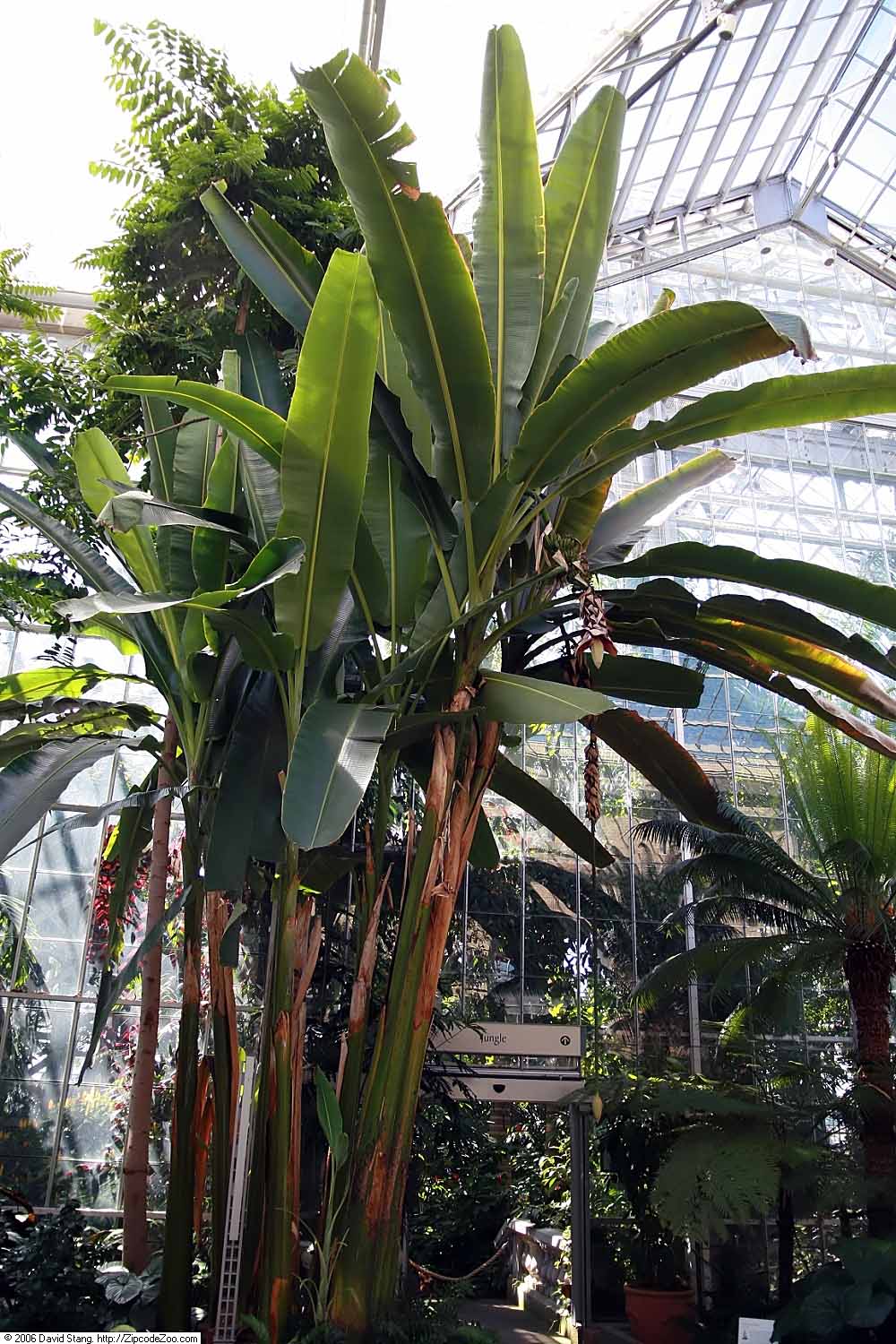
Abaca
Musa textilis
☀️ Full Sun 💧 High
Abiu
Pouteria caimito
☀️ Full Sun 💧 High

Abyssinian Banana
Ensete ventricosum
☀️ Full Sun 💧 High

Achacha
Garcinia humilis
☀️ Full Sun 💧 High

Adam’s Needle
Yucca filamentosa
☀️ Full Sun 💧 Low

Adder’s Tongue
Ophioglossum vulgatum
☀️ Partial Shade 💧 Moderate
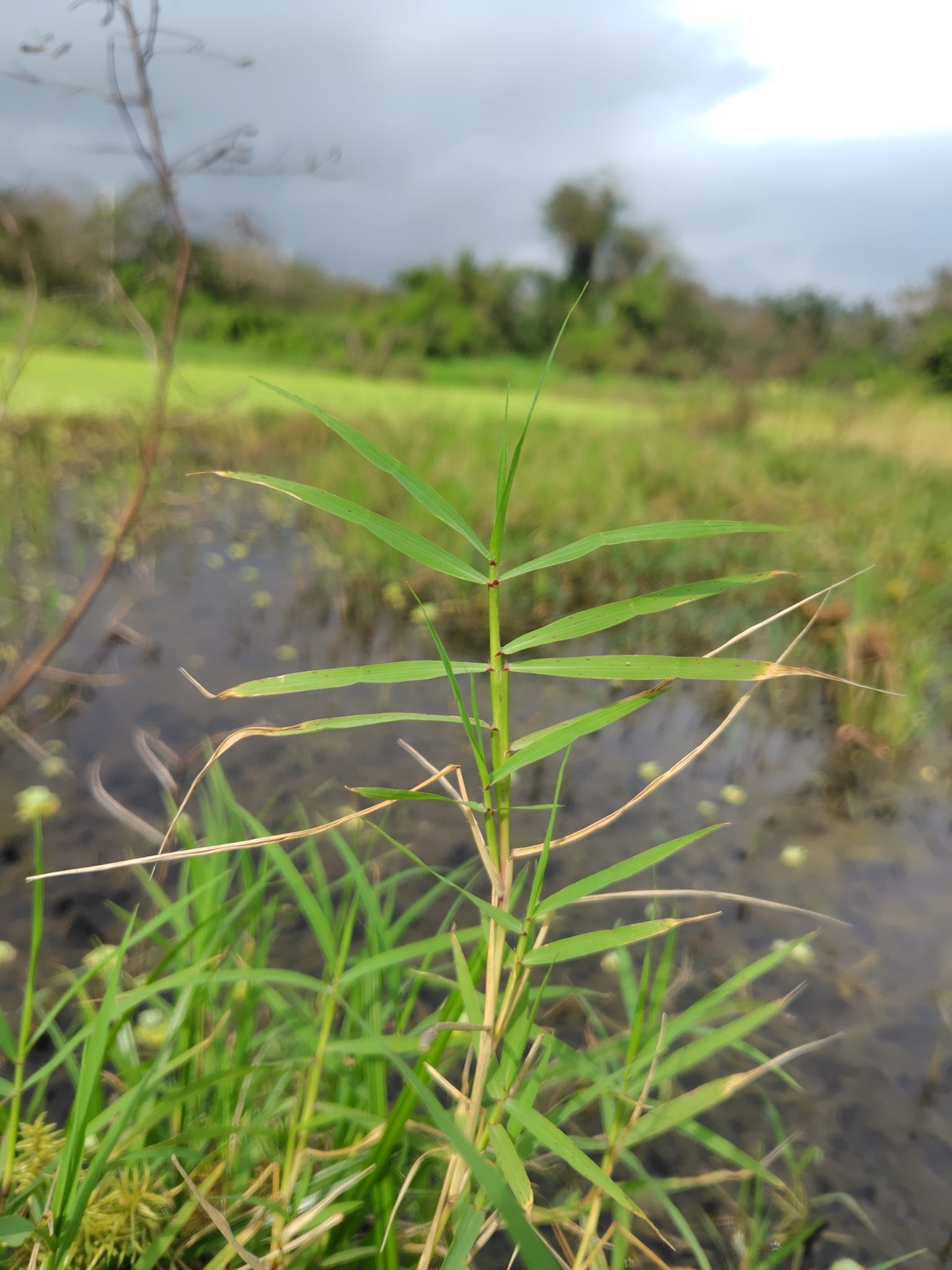
African Bermuda Grass
Cynodon nlemfuensis
☀️ Full Sun 💧 Moderate

African Cherry
Prunus africana
☀️ Full Sun 💧 Moderate

African Cornflag
Chasmanthe floribunda
☀️ Full Sun 💧 Moderate
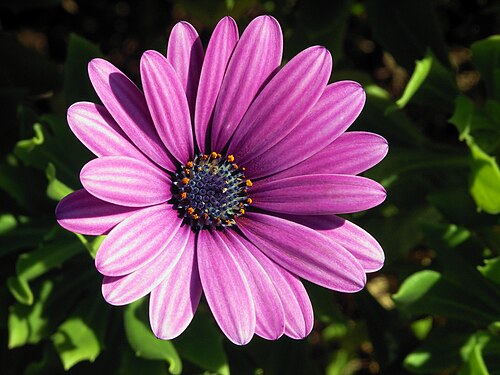
African Daisy
Dimorphotheca ecklonis
☀️ Full Sun 💧 Low

African Eggplant
Solanum aethiopicum
☀️ Full Sun 💧 Moderate

African Geranium
Pelargonium sidoides
☀️ Full Sun

African Gladiolus
Gladiolus dalenii
☀️ Full Sun 💧 Moderate

African Hemp
Sparrmannia africana
☀️ Bright Indirect 💧 High

African Honeysuckle
Halleria lucida
☀️ Partial Sun 💧 Moderate
African Lettuce
Launaea taraxacifolia
☀️ Full Sun 💧 Moderate

African Lily
Agapanthus africanus
☀️ Full Sun 💧 Moderate
African Milk Tree
Euphorbia trigona
☀️ Full Sun 💧 Low

African Moringa
Moringa ovalifolia

African Nutmeg
Monodora myristica

African Padauk
Pterocarpus soyauxii
☀️ Full Sun 💧 High

African Potato
Hypoxis hemerocallidea
☀️ Full Sun 💧 Low

African Potato
Coleus esculentus
☀️ Full Sun 💧 Moderate
Common Questions
What defines a perennial plant?
A perennial plant lives for more than two years, continuing to grow and bloom over multiple seasons rather than dying after a single setting of seed.
Do all perennials come back every year?
Yes, tender and hardy perennials return each year provided they are grown within their specific climate and hardiness tolerances.
How do you care for perennial plants in winter?
Prepare herbaceous perennials for winter by cutting back dead stems to 5 cm (2 in) above ground level after the first frost, then applying a 5-10 cm (2-4 in) mulch layer to insulate roots.
What is the difference between herbaceous and woody perennials?
Herbaceous perennials die back to ground level in autumn, whereas woody perennials maintain persistent stems or woody trunks throughout the winter.