

Caucasian Oak (Quercus macranthera) is a large deciduous tree originating from the mountainous regions of the Caucasus, Turkey, and northern Iran. It is distinguished from other oaks by its leathery, lobed leaves and the dense, velvety coating of hairs on its young shoots and leaf undersides.
This high-altitude specialist thrives in conditions that would stress other species, tolerating both limestone soils and cold, dry winds. It grows more slowly than the English oak (Quercus robur), making it a long-term investment for large landscapes where a dense, rounded canopy is desired.
Key Facts
- Height: 20–30 m (65–100 ft) at maturity
- Hardiness: Fully hardy to -25 °C (-13 °F)
- Soil: Prefers well-drained, alkaline to neutral types
- Growth Rate: Slow, especially in early years
- Feature: Distinctive grey-tomentose (hairy) leaf undersides
Fitting Caucasian Oak into Your Landscape
Caucasian Oak is best suited for large gardens, parks, or estates where its massive mature spread can be accommodated. Because it grows slowly and develops a deep taproot, it is an excellent choice for a legacy tree that will stand for centuries without the invasive surface roots common in faster-growing species.
- Requires a minimum clearance of 15 m (50 ft) from buildings.
- Ideal for windbreaks in upland or exposed areas.
- Suits urban environments due to high pollution tolerance.
- Provides dense summer shade for livestock or seating areas.
In smaller landscapes, consider the subspecies Quercus macranthera subsp. syspirensis, which remains much smaller and more shrub-like. This variety is often found on dry, rocky slopes in central Turkey and rarely exceeds 7 m (23 ft) in height.
Identification: Quercus macranthera Leaf and Bark
The most reliable way to identify the Caucasian Oak is by its leaves, which measure 10–18 cm (4–7 in) in length and have 8–12 pairs of rounded lobes. The upper surface is a matte dark green, while the underside is covered in a persistent, thick layer of grey-white downy hairs that feel felt-like to the touch.
The bark of mature trees is thick, grey-brown, and deeply fissured into rectangular plates. Young twigs are notably stout and densely covered in yellowish-brown hairs, a feature that persists through the first winter and helps distinguish it from the Sessile oak (Quercus petraea).
- Acorns are 2–3 cm (1 in) long and half-enclosed in a hairy cup.
- Buds are large, ovoid, and surrounded by long, thread-like stipules.
- Autumn foliage turns a subtle yellowish-brown before falling.
Ultimate Size and Growth Rate
Under ideal conditions, this tree reaches a height of 25–30 metres (82–100 feet) with a broad, rounded crown. It typically adds only 20–30 cm (8–12 in) of height per year during its first decade, focusing energy on establishing a massive root system that allows it to survive in arid mountain soils.
The spread of the canopy is often nearly equal to the height, creating a majestic, dome-shaped silhouette. In colder or more exposed northern climates, the tree may remain significantly shorter, often topping out at 15 m (50 ft) while maintaining a very thick trunk diameter.
Choosing the Right Site
The Caucasian Oak requires full sun to develop a strong, symmetrical canopy and to prevent the interior of the tree from becoming sparse. While it is highly adaptable, it performs best in deep, well-drained loams that allow its taproot to descend without hitting bedrock or a high water table.
- Avoid waterlogged soils or areas with poor drainage.
- Tolerates high pH and chalky (limestone) conditions well.
- Can handle salt spray, making it viable for coastal regions.
- Withstands strong winds better than most broadleaf trees.
Planting Caucasian Oak Seeds and Saplings
For the best results, sow Quercus macranthera seeds (acorns) immediately after collection in autumn, as they lose viability rapidly if they dry out. Place the acorns 5 cm (2 in) deep in a permanent position or a very deep
Ongoing Care: Watering and Mulching
Water young trees once a week during their first two growing seasons to ensure the root system establishes properly. Once the tree reaches five years of age, it is remarkably drought-tolerant and typically requires no supplemental irrigation except during extreme, multi-month heatwaves.
Apply a 10 cm (4 in) layer of wood chips or leaf mould around the base of the tree every spring, extending out to the drip line. This mulch mimics the forest floor of the Caucasus mountains, keeping the roots cool and providing a slow release of nutrients as it decomposes.
Pruning Guidelines
Prune only during the dormant winter months (December to February) to minimize the risk of sap bleeding and fungal infection. Because this species naturally forms a balanced, attractive shape, pruning should be limited to removing dead, damaged, or diseased wood.
- Remove ‘epicormic’ shoots (small sprouts from the trunk) to maintain a clean stem.
- Thin out crossing branches to improve air circulation.
- Avoid ‘topping’ the tree, which ruins its natural architectural form.
Pests and Diseases
The Caucasian Oak is highly resistant to powdery mildew, a common fungal issue that plagues the English oak (Quercus robur). This resistance makes it an excellent alternative in humid climates where other oaks often look white and dusty by late summer.
- Oak Gall Wasps: Small growths on leaves or twigs; usually harmless.
- Oak Processionary Moth: Can defoliate trees; contact professionals for removal.
- Honey Fungus: Ensure good drainage to prevent root rot.
Winter Hardiness
This species is hardy to USDA Zone 5, surviving temperatures as low as -25 °C (-13 °F) without significant damage. Its high-altitude origins mean it is physiologically prepared for early autumn frosts and late spring cold snaps that might kill the tender new growth of more temperate species.
In regions with heavy snowfall, the strong, flexible wood of the Caucasian Oak prevents the limb breakage often seen in the fast-growing Turkey oak (Quercus cerris). No special winter protection is required for established trees.
Traditional and Modern Uses
Historically, the wood of the Caucasian Oak was traditionally used for construction and tool handles in the Caucasus region due to its density and strength. The bark and acorn cups were also harvested for their high tannin content, which was used in the leather tanning process.
In modern landscapes, it is primarily grown as an ornamental specimen. Its ability to thrive in dry, alkaline soils makes it a valuable species for reforestation projects in Mediterranean and Western Asian climates where soil degradation is a concern.
Year-Round Care for Caucasian Oak
| Spring | Apply a fresh layer of mulch before the soil dries out. Check for new growth and remove any winter-damaged twigs. |
|---|---|
| Summer | Water saplings deeply during dry spells. Monitor leaves for signs of gall wasp activity or caterpillar infestations. |
| Autumn | Collect fresh acorns for propagation and sow them immediately. Rake up fallen leaves if the tree is located on a lawn. |
| Winter | Perform structural pruning while the tree is dormant. Check the base for rodent damage to the bark and install guards if necessary. |
Common Caucasian Oak Problems
| What you see | Likely cause | What to do |
|---|---|---|
| Yellowing leaves with green veins | Iron chlorosis | Apply chelated iron to the soil if the pH is excessively high. |
| Slow growth in young saplings | Root competition | Remove all grass and weeds within 1 metre of the trunk. |
| Sticky residue on leaves | Aphid infestation | Usually self-correcting via ladybirds; spray with water for heavy infestations. |
Caucasian Oak Subspecies and Selections
- subsp. ‘syspirensis’ – a dwarf, shrubby form for smaller gardens
- ‘Kastamonu’ – a selection with particularly large, deeply lobed leaves
Frequently Asked Questions
How can I tell Caucasian Oak apart from English Oak?
The Caucasian Oak has hairy undersides on its leaves and hairy young twigs, whereas the English oak (Quercus robur) has smooth leaves and hairless twigs.
What is Quercus macranthera subsp. syspirensis?
It is a smaller, often shrub-like subspecies native to central Turkey that is much more drought-tolerant and suitable for smaller garden spaces.
How fast does a Caucasian Oak grow?
It is a slow-growing tree, typically adding 20–30 cm (8–12 in) of height per year, though growth may increase slightly once the taproot is established.
Are Caucasian Oak acorns edible?
While not immediately toxic, they are very high in tannins and must be processed (leached in water) to be palatable; they are generally left for wildlife.
Can I grow Caucasian Oak in a pot?
Only for the first 1–2 years; its long taproot requires deep soil, and it will quickly become stunted and unhealthy if kept in a container.
Sources & Verification
Taxonomy and distribution are checked against the databases below. Care guidance is written for cultivated species only and reviewed by our editor. How We Build Plant Profiles →
More in Quercus
Chinese Cork Oak
Quercus variabilis
☀️ Full Sun 💧 Moderate

Algerian Oak
Quercus canariensis
☀️ Full Sun 💧 Moderate

Lebanon Oak
Quercus libani
☀️ Full Sun 💧 Low

Swamp Chestnut Oak
Quercus michauxii
☀️ Full Sun 💧 Moderate
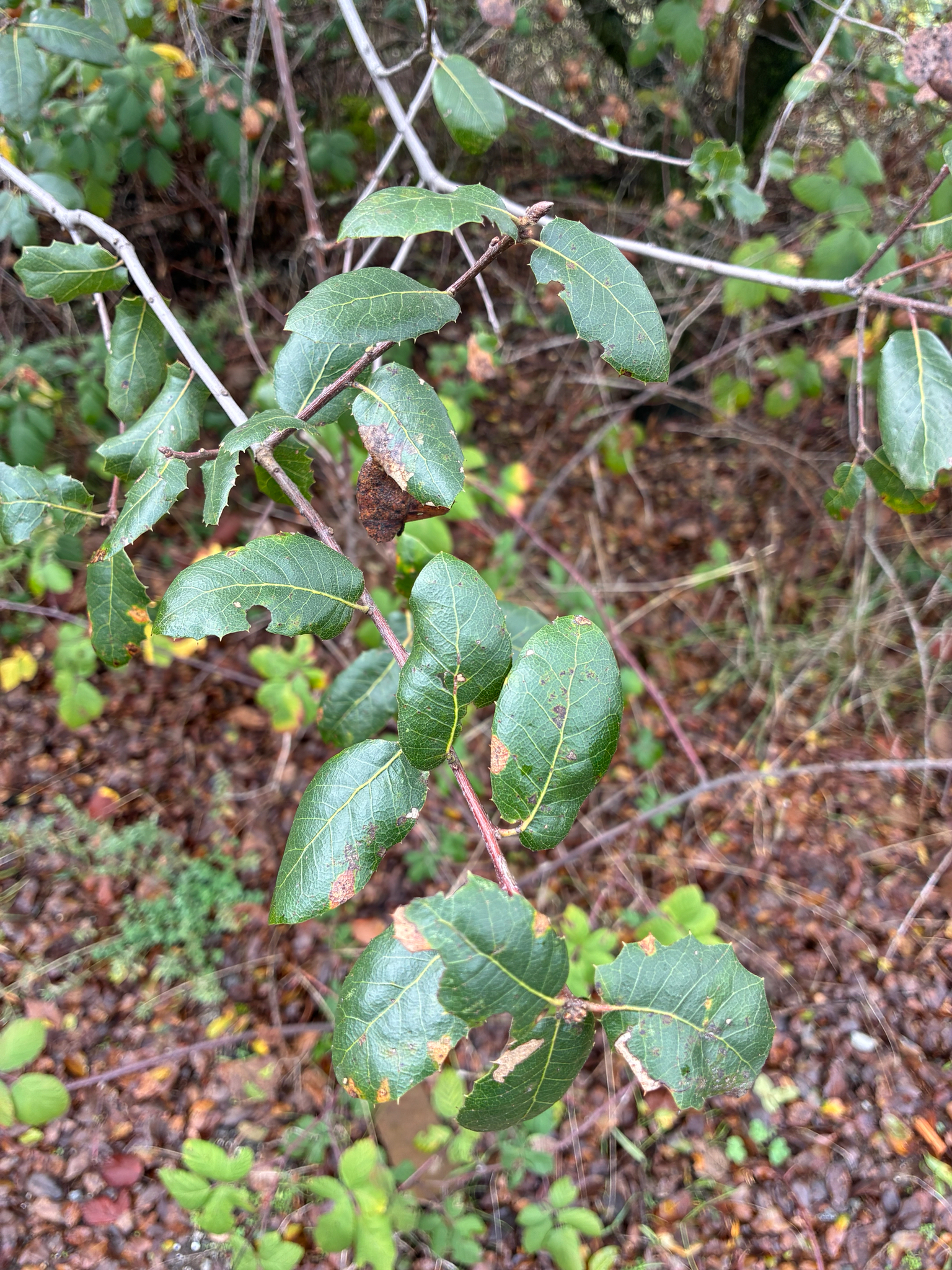
Interior Live Oak
Quercus wislizeni
☀️ Full Sun 💧 Low
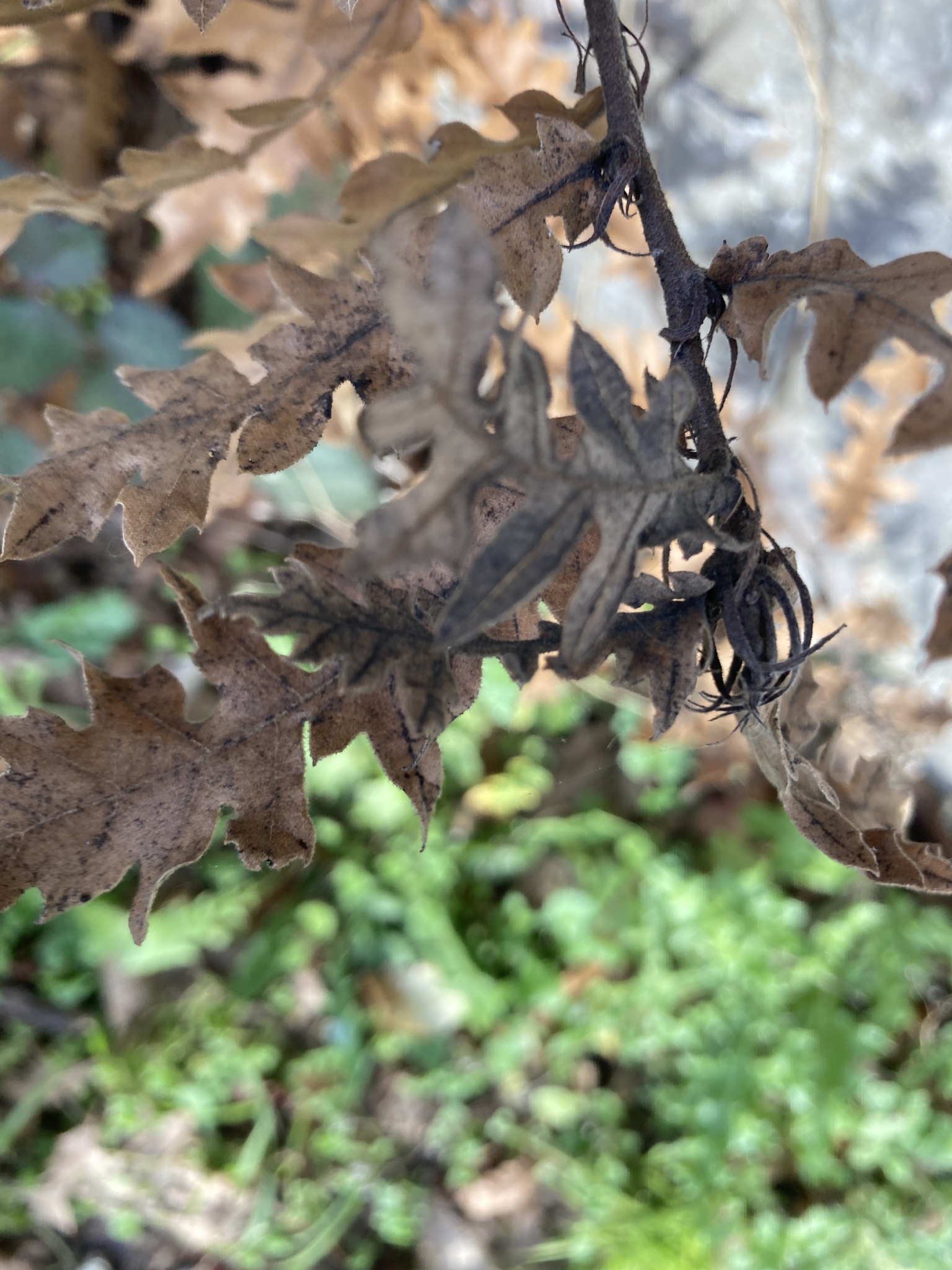
European Turkey Oak
Quercus cerris
☀️ Full Sun 💧 Moderate