Fagaceae Family Trees: Oaks, Beeches, and Chestnuts
29 plant profiles · Fagaceae family plants list with English oak, cork oak, northern red oak, European beech and American chestnut. How to identify each and where it grows.
The Fagaceae family comprises 800 to 1,000 species of trees and shrubs across seven genera, dominating northern temperate forests and montane tropics. Members of this family share wind-pollinated catkins, alternate simple leaves with pinnate veining, and nuts enclosed in specialized cupules such as acorn cups or spiky burs. Selecting a species depends on landscape space, soil pH, and climate, as mature sizes range from 15 to 40 m (50 to 130 ft) tall with wide, spreading crowns.
Deciduous species like the English Oak (Quercus robur) and European Beech (Fagus sylvatica) thrive in deep, well-draining soils with acidic to neutral pH levels across USDA hardiness zones 4 to 8. In warm or drought-prone climates, evergreen species such as the Holm Oak (Quercus ilex) and Cork Oak (Quercus suber) offer high drought tolerance once established. Fast-growing shade trees like the Northern Red Oak (Quercus rubra) provide rapid canopy cover, whereas North American species like the Valley Oak (Quercus lobata) and American Chestnut (Castanea dentata) require specific moisture regimes and protection from fungal pathogens.

Algerian Oak
Quercus canariensis
☀️ Full Sun 💧 Moderate

Allegheny Chinquapin
Castanea pumila
☀️ Full Sun 💧 Low

American Beech
Fagus grandifolia
☀️ Full Sun 💧 Moderate

American Chestnut
Castanea dentata
☀️ Full Sun 💧 Moderate

Brant’s Oak
Quercus brantii
☀️ Full Sun 💧 Low
California Black Oak
Quercus kelloggii
☀️ Full Sun 💧 Low

California Live Oak
Quercus agrifolia
☀️ Full Sun 💧 Low

Caucasian Oak
Quercus macranthera
☀️ Full Sun 💧 Moderate
Chinese Chestnut
Castanea mollissima
☀️ Full Sun 💧 Moderate
Chinese Cork Oak
Quercus variabilis
☀️ Full Sun 💧 Moderate

Cork Oak
Quercus suber
☀️ Full Sun 💧 Low

English Oak
Quercus robur
☀️ Full Sun 💧 Moderate

European Beech
Fagus sylvatica
☀️ Full Sun 💧 Moderate
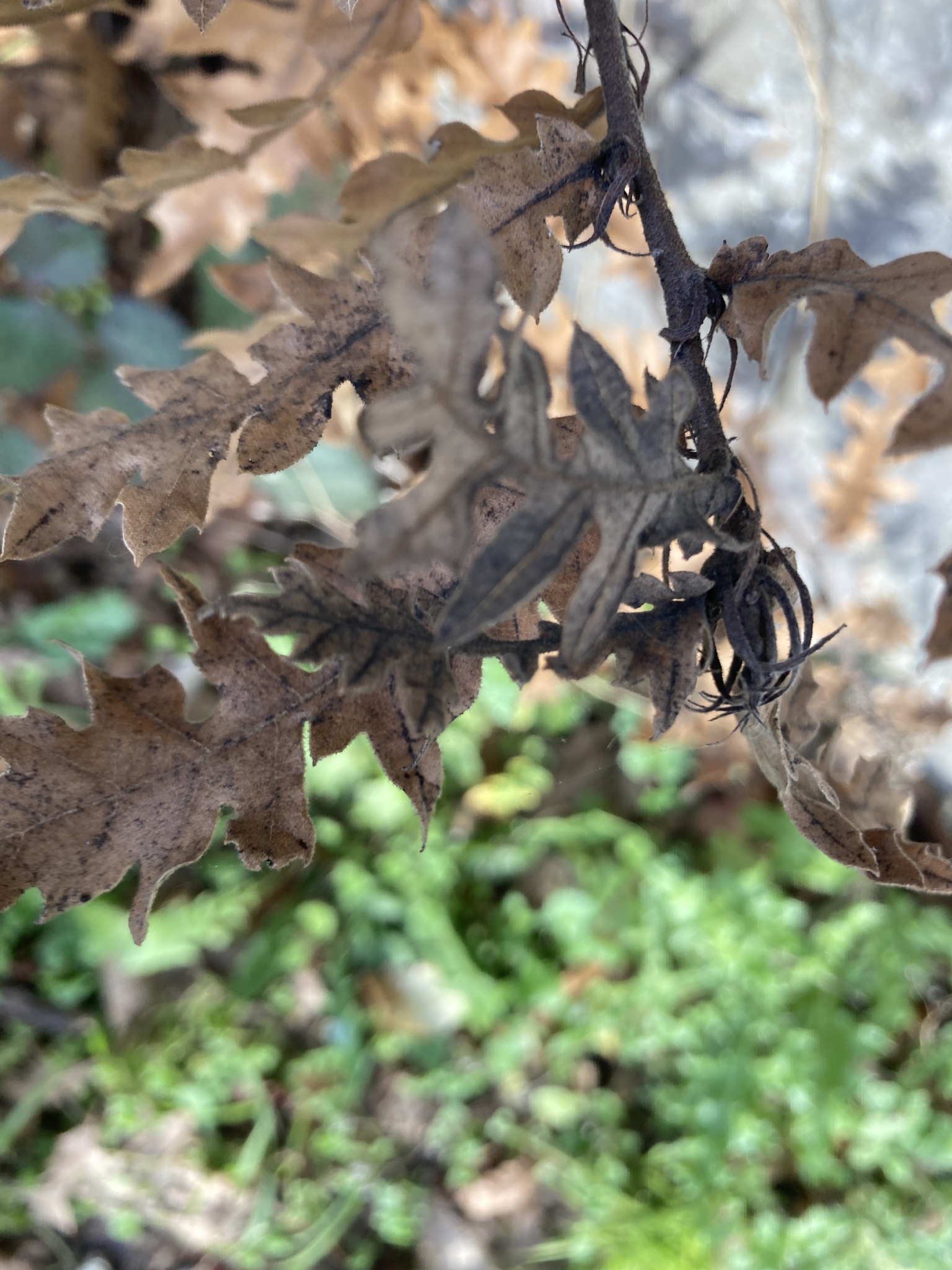
European Turkey Oak
Quercus cerris
☀️ Full Sun 💧 Moderate

Garry Oak
Quercus garryana
☀️ Full Sun 💧 Low

Holm Oak
Quercus ilex
☀️ Full Sun 💧 Low
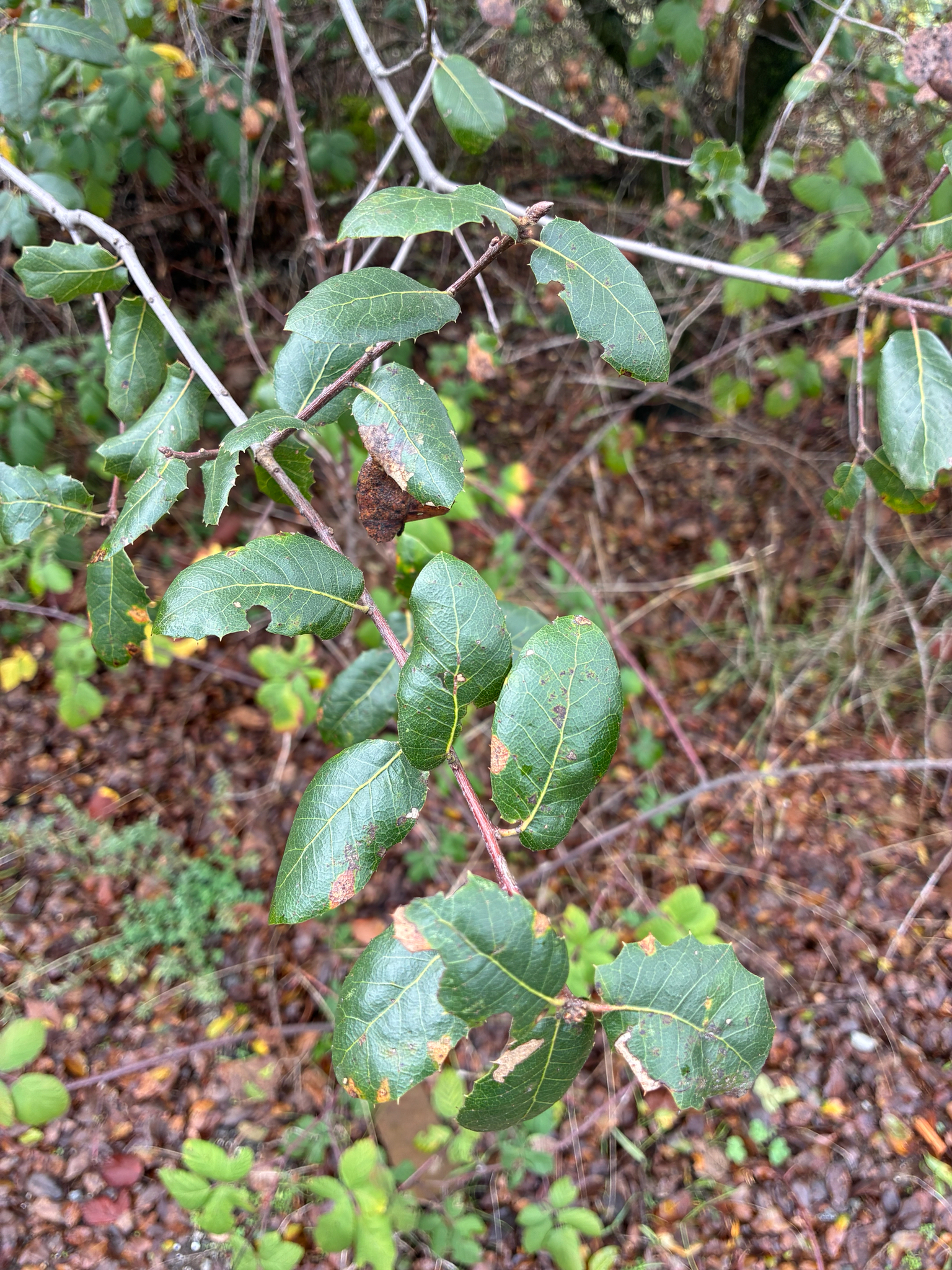
Interior Live Oak
Quercus wislizeni
☀️ Full Sun 💧 Low

Japanese Chestnut
Castanea crenata
☀️ Full Sun 💧 Moderate

Jolcham Oak
Quercus serrata
☀️ Full Sun 💧 Moderate

Lebanon Oak
Quercus libani
☀️ Full Sun 💧 Low
Northern Red Oak
Quercus rubra
☀️ Full Sun 💧 Moderate

Pin Oak
Quercus palustris
☀️ Full Sun 💧 High

Portuguese Oak
Quercus faginea

Sessile Oak
Quercus petraea
☀️ Full Sun 💧 Moderate
Common Questions
What trees belong to the Fagaceae family?
The Fagaceae family includes oaks (Quercus), beeches (Fagus), chestnuts (Castanea), and chinquapins (Castanopsis and Chrysolepis). Over 800 species belong to this family, primarily native to the Northern Hemisphere.
How do you identify trees in the Fagaceae family?
Look for nuts enclosed in hard cupules, such as acorns with scaled caps or nuts inside spiky burs. Fagaceae trees also feature alternate leaves with pinnate veining and produce inconspicuous, wind-pollinated flowers in spring.
Which soil type do Fagaceae trees prefer?
Most Fagaceae species prefer deep, well-draining soil with an acidic to neutral pH between 5.0 and 6.5. While oaks tolerate sandy or heavy clay soils once established, beeches require moist, loam-rich soil with a continuous organic layer.
Are oak and beech trees susceptible to diseases?
Yes, major pathogens include oak wilt (Bretziella fagacearum), beech bark disease, and chestnut blight (Cryphonectria parasitica). Maintaining proper spacing, avoiding root compaction, and pruning only during dormant winter months reduces infection risks.