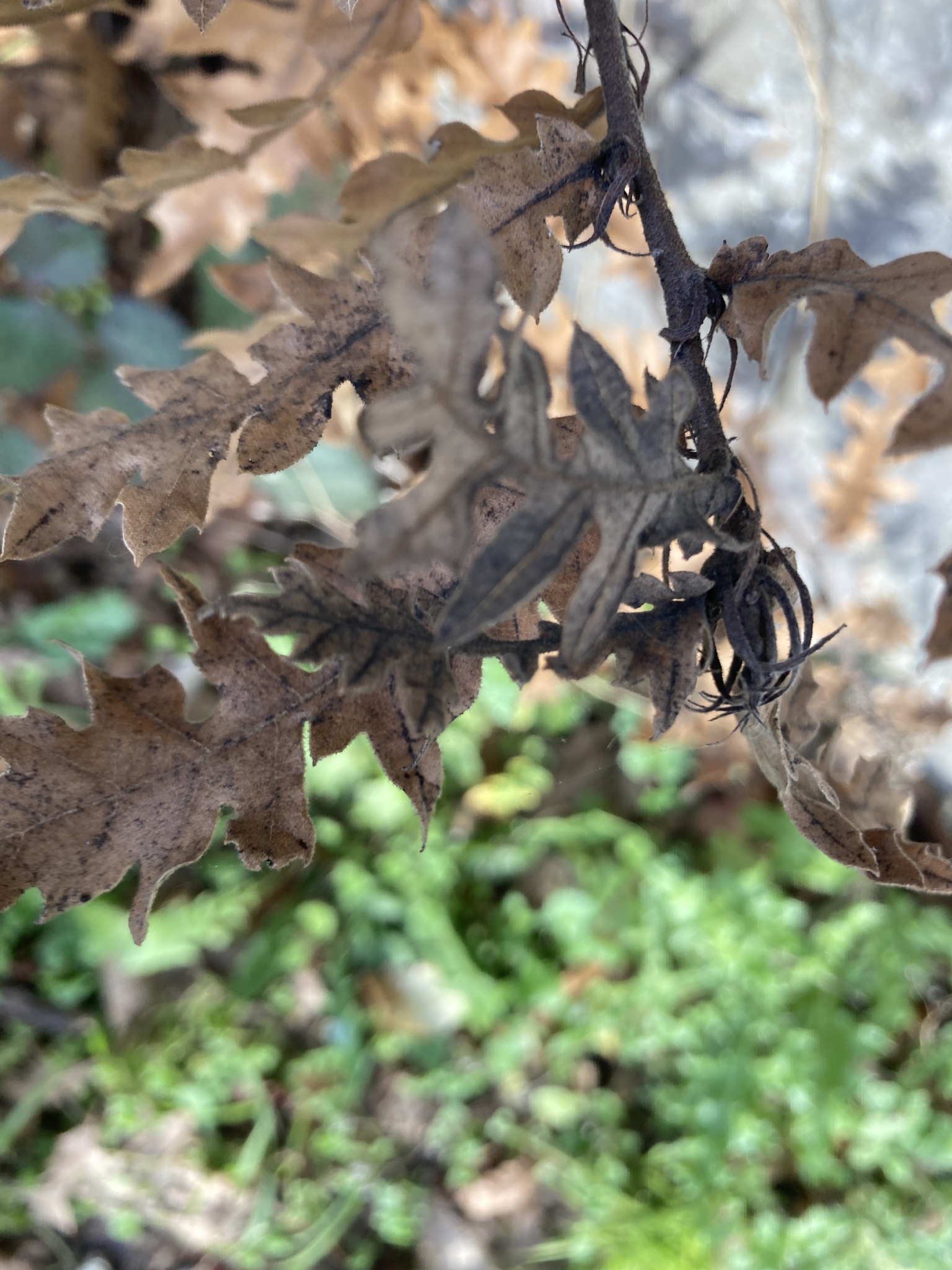
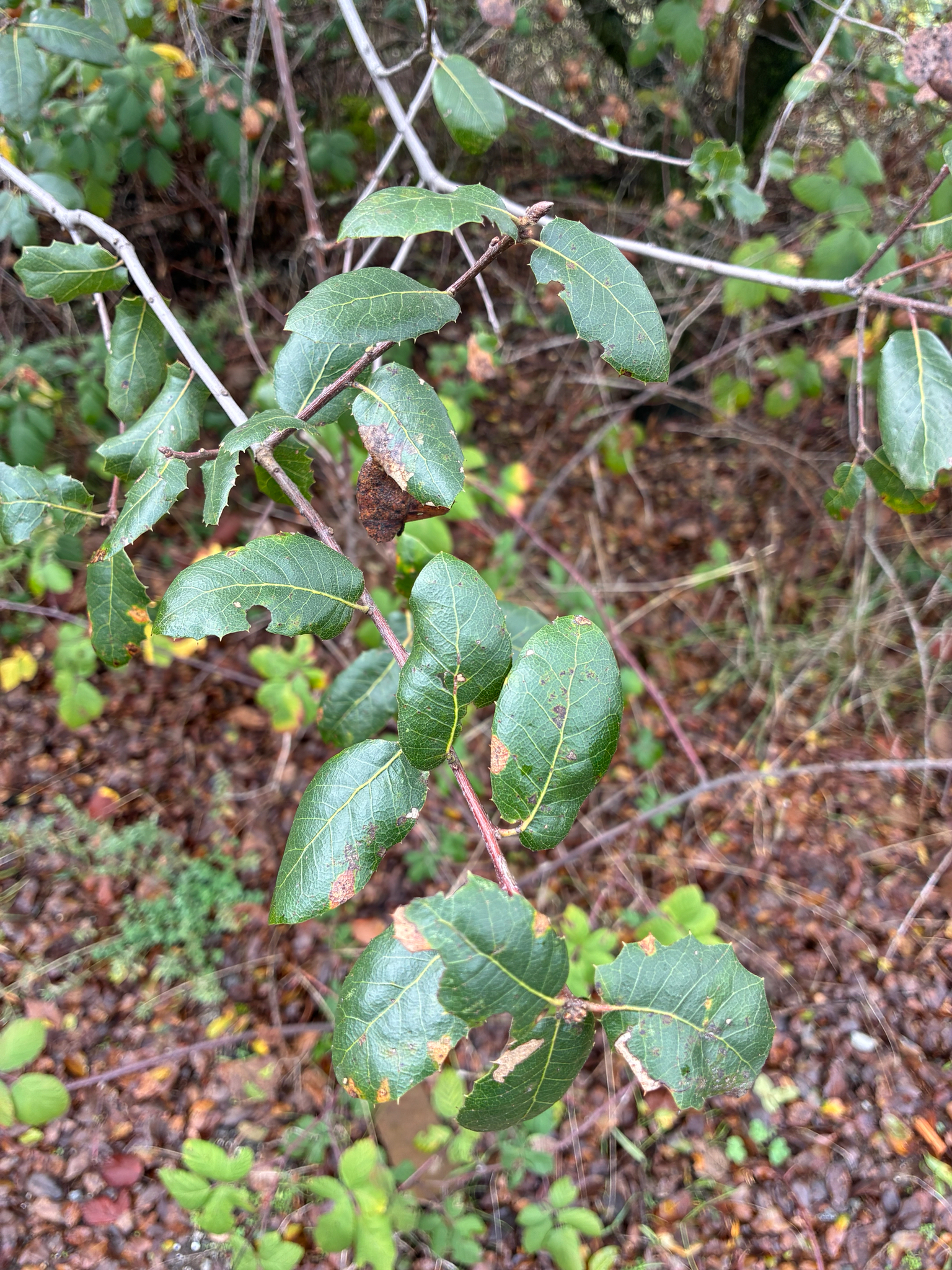
The English oak is a large deciduous tree native to Europe and Western Asia, belonging to the species Quercus robur. It is most easily recognized by its deeply lobed leaves and acorns that hang from long, slender stalks called peduncles.
This species is a foundation of ancient temperate woodlands, often growing alongside common hazel (Corylus avellana) and supporting hundreds of insect species. It requires significant space to thrive, as its root system can spread twice as wide as its canopy.
Key Facts
- Hardiness: USDA zones 4 to 8
- Lifespan: Can live for over 500 years
- Soil: Prefers deep, heavy clay or loam
- Light: Full sun is required for mature growth
- Water: High demand during the first 3 years
Fitting English Oak into Your Landscape
You need a minimum of 20 metres (65 feet) of clearance from buildings and underground utilities to safely accommodate a mature English oak. This tree is a long-term commitment that often outlives the person who plants it, making it suitable for large gardens, parks, or rural estates. It is frequently planted in the grounds of large institutions like hospitals or care homes to provide shade and a sense of permanence.
In smaller landscapes, it can be managed through regular pruning, but its natural habit is wide and sprawling. Because it casts a dense shade, only shade-tolerant plants like wood anemone (Anemone nemorosa) will thrive beneath its canopy once it matures. It is also a classic choice for boundary markers in rural areas, often seen bordering an English oak vineyard where it acts as a windbreak.
Identifying English Oak Leaves and Acorns
The leaves of this tree have 3 to 7 pairs of rounded lobes and almost no stalk (petiole) where they join the twig. This lack of a leaf stalk is the primary way to distinguish it from the sessile oak (Quercus petraea), which has leaves with distinct stalks. The base of the leaf typically has two small ear-like lobes, known as auricles, that tuck in toward the stem.
Acorns are the most distinct feature, appearing in autumn on stalks that are 2 to 8 cm (0.8 to 3 inches) long. These stalks, or peduncles, give the tree its alternative name, the pedunculate oak. The bark is another identifier; it starts smooth and silver-grey on young saplings but becomes deeply fissured and grey-brown as the tree ages.
- Leaves: 7-14 cm (3-5.5 in) long, dark green above
- Acorns: 2-2.5 cm (0.8-1 in) long, held in a scaly cup
- Bark: Deep vertical ridges in mature specimens
Mature Size and Growth Rates
Expect a height of 12 to 40 metres (40 to 130 feet) at full maturity, depending on soil quality and local climate. While often described as slow-growing, a healthy sapling can put on 30-60 cm (12-24 inches) of height per year during its first decade. The growth rate slows significantly once the tree reaches 50 years of age, at which point it begins to put more energy into girth and canopy spread.
The crown of a lone tree is typically broad and rounded, while those grown in forest conditions are taller and narrower. A mature specimen can have a trunk diameter exceeding 2 metres (6.5 feet). Because of this massive size, the tree is rarely used in modern residential street planting, reserved instead for open greenspaces where it can reach its natural potential.
Choosing the Best Site for Planting
The tree thrives in heavy clay soils with a near-neutral pH, though it can tolerate slightly acidic or alkaline conditions. It is highly adaptable to different soil textures but will struggle in very shallow chalk or dry, sandy soils where moisture is limited. Full sun is necessary for the tree to develop a strong, symmetrical canopy; trees grown in shade will become leggy and prone to limb drop.
Avoid sites with high water tables that remain saturated year-round, as this can lead to root rot. However, the English oak is quite tolerant of temporary seasonal flooding, making it a common sight along riverbanks and in floodplains. It is wind-resistant once established, but young trees should be sheltered from prevailing gales to prevent the main leader from snapping.
How to Plant a Young Oak Tree
Plant bare-root specimens during the dormant season between November and March for the highest success rate. Dig a hole twice the width of the root system but no deeper than the original soil mark on the stem. Planting too deep is a frequent cause of failure, as it suffocates the flare of the trunk where it meets the roots.
- Remove all grass and weeds within a 1-metre (3-foot) radius
- Tease out circling roots if planting from a container
- Stake the tree low (at one-third of the height) to allow the trunk to flex
- Apply a 10 cm (4-inch) layer of woodchip mulch, keeping it away from the bark
Watering and Feeding Requirements
Young trees require 20 to 30 litres (5 to 8 gallons) of water per week during their first two summers, especially during dry spells. Once the root system is established, usually after three to five years, the tree becomes drought-tolerant and rarely needs supplemental watering. Over-watering established oaks can actually be detrimental, as it encourages shallow rooting and increases the risk of fungal infections.
Fertilizing is generally unnecessary if the tree is planted in decent soil and mulched annually. If growth is exceptionally poor, a slow-release balanced fertilizer can be applied in early spring before the buds break. Avoid high-nitrogen fertilizers late in the summer, as this produces soft growth that will not harden off before the first frost, leading to winter dieback.
Pruning and Long-Term Maintenance
Prune only in late winter (January or February) to minimize the risk of sap bleeding and to avoid the active season for pests. English oaks naturally shed their lower branches as they grow, a process called self-pruning. You should only intervene to remove dead, diseased, or crossing branches that might cause structural issues in the future.
Large mature trees should be inspected by an arborist every few years to check for heavy limbs that may need bracing or reduction. Avoid pruning in late spring or summer, as the open wounds can attract the oak processionary moth (Thaumetopoea processionea) or facilitate the spread of powdery mildew. Always use sharp, sterilized tools to ensure clean cuts that heal quickly.
Troubleshooting English Oak Problems
Powdery mildew appears as white dusty patches on leaves in late summer, particularly on young saplings or regrowth from pruning. While it looks unsightly, it rarely kills a healthy tree, though it can stunt the growth of young plants. Another common issue is the Knopper gall, caused by a tiny wasp that distorts the acorns into ridged, woody lumps; this reduces acorn production but does not harm the tree’s overall health.
More serious threats include Acute Oak Decline (AOD), characterized by dark, weeping patches on the trunk and a thinning canopy. If you see caterpillars with long hairs moving in nose-to-tail processions, these are oak processionary moths, which can defoliate the tree and cause skin irritation in humans. Immediate professional advice is required for these pests to prevent widespread infestation.
- Yellow leaves: Often a sign of iron chlorosis in high-pH soils
- Sudden limb drop: Can occur in mature trees during hot, dry summers
- Holes in leaves: Usually caused by the winter moth caterpillar
Winter Survival and Dormancy
The tree is hardy to -25 °C (-13 °F) and enters a deep state of dormancy during the winter months. Young oaks often exhibit marcescence, a phenomenon where they retain their dead, brown leaves throughout the winter until new growth pushes them off in spring. This is a natural trait and not a sign that the tree has died.
In areas with heavy snowfall, the strong, horizontal branches of the English oak are less prone to breaking than many other deciduous trees. However, late spring frosts can occasionally damage emerging buds, causing the tree to produce a second flush of leaves (Lammas growth) in July. No special winter protection is needed for established trees, though young saplings benefit from a thick layer of mulch to protect their roots from deep freezing.
Historical and Modern Uses of Oak Wood
Historically, the bark was harvested for its high tannin content, which was essential for the traditional tanning of leather. The wood itself is a dense hardwood, renowned for its durability and resistance to decay, which made it the primary material for building the British naval fleet and medieval cathedral roofs. Today, English oak wood remains a premium material for high-end furniture, flooring, and wine barrels.
Beyond its timber, the tree is a vital ecological hub, supporting more biodiversity than almost any other native European tree. It provides a habitat for the purple hairstreak butterfly (Favonius quercus) and food for numerous mammals. In the past, the acorns were used as “pannage” to feed pigs in autumn, a practice that still continues in some traditional forest areas like the New Forest in England.
Year-Round Maintenance for English Oak
| Spring | Check for emerging pests like winter moth caterpillars. Apply a fresh 5-10 cm layer of mulch around the base of young trees before the soil dries out. |
|---|---|
| Summer | Water saplings deeply once a week if there is no significant rainfall. Monitor for powdery mildew on leaves during humid weather. |
| Autumn | Collect acorns for propagation or clear them from lawns to prevent unwanted seedlings. Identify and mark any dead branches for winter removal. |
| Winter | Prune dead or structural wood in January. Plant new bare-root trees while the ground is not frozen and the tree is dormant. |
Common English Oak Health Issues
| What you see | Likely cause | What to do |
|---|---|---|
| Distorted, lumpy acorns | Knopper gall wasp | No treatment is necessary as it does not harm the tree's health. |
| White powder on leaves | Powdery mildew | Improve air circulation and avoid overhead watering of young plants. |
| Bleeding black sap from trunk | Acute Oak Decline | Consult a professional arborist to assess the tree's structural integrity. |
| Hairy caterpillars in lines | Oak processionary moth | Do not touch; contact local environmental authorities for professional removal. |
Popular English Oak Cultivars
- ‘Fastigiata’ – narrow, upright growth habit for smaller spaces
- ‘Concordia’ – bright golden-yellow foliage in spring
- ‘Filicifolia’ – deeply cut, fern-like leaves
- ‘Pendula’ – weeping branches that can reach the ground
- ‘Cristata’ – unusual, curled and congested foliage
Frequently Asked Questions
What is the difference between English oak and sessile oak?
English oak (Quercus robur) has acorns on long stalks and leaves with almost no stalks, while sessile oak (Quercus petraea) has acorns with no stalks and leaves on long stalks.
How fast does an English oak grow?
It typically grows 30-60 cm (1-2 feet) per year in its youth, eventually reaching heights of up to 40 metres (130 feet) over several centuries.
Are English oak acorns toxic to dogs?
Yes, acorns contain high levels of tannins which can cause stomach upset, kidney failure, or intestinal blockages if swallowed by dogs.
Can I grow English oak and hazelnut together?
Yes, English oak and common hazel (Corylus avellana) are natural companions in ancient woodlands, with hazel often forming the understory beneath the oak canopy.
How close to a house can I plant an English oak?
You should plant it at least 20 metres (65 feet) away from a house to prevent the extensive root system from interfering with foundations or drains.
Information about traditional or historical uses is provided for educational interest only and is not medical advice. Do not use any plant to treat a condition without speaking to a qualified professional.
Sources & Verification
Taxonomy and distribution are checked against the databases below. Care guidance is written for cultivated species only and reviewed by our editor. How We Build Plant Profiles →