Best Shade Trees for Yards and Landscapes
379 plant profiles · Compare shade trees by mature canopy width, growth rate, and soil needs. Select the right species to cool homes, filter light, and reduce wind.
Shade trees develop broad, elevated canopies reaching at least 9 m (30 ft) in height and spread, intercepting direct solar radiation to cool surrounding soils and reduce building temperatures. While broad canopy cover defines the functional category, species diverge sharply in their root architecture, water requirements, and branch strength. Selecting an appropriate tree requires matching mature canopy width and subsurface root spread to your property boundaries, overhead lines, and foundation distances.
Growth rate often dictates wood density and maintenance demands. Fast-growing selections such as Eastern cottonwood (Populus deltoides) can add over 1.5 m (5 ft) of height in a single season, yet their brittle branches shed readily in windstorms. In contrast, northern red oak (Quercus rubra) develops slower over decades, producing dense structural timber that resists heavy snow loads. Regional moisture also separates choices: California live oak (Quercus agrifolia) sustains deep evergreen canopies across dry, rainless summers, whereas swamp chestnut oak (Quercus michauxii) thrives in saturated soils and floodplains.
Evaluate your space constraints and soil chemistry using these criteria:
- Arid, rocky, or saline conditions suit deep-rooted species like kiawe (Prosopis pallida) or desert date (Balanites aegyptiaca).
- Temperate regions with rich, moist loam support wide-spreading hardwoods like Himalayan horse-chestnut (Aesculus indica).
- Smaller suburban plots require restrained canopies, such as Japanese stewartia (Stewartia pseudocamellia), to prevent structural interference with nearby buildings.

Achacha
Garcinia humilis
☀️ Full Sun 💧 High

African Cherry
Prunus africana
☀️ Full Sun 💧 Moderate

African Sumac
Searsia lancea
☀️ Full Sun 💧 Low

African Tulip Tree
Spathodea campanulata
☀️ Full Sun 💧 Moderate
Aleppo Pine
Pinus halepensis
☀️ Full Sun 💧 Low
Alexandra Palm
Archontophoenix alexandrae
☀️ Full Sun 💧 High
Alexandrian Laurel
Calophyllum inophyllum
☀️ Full Sun 💧 Moderate
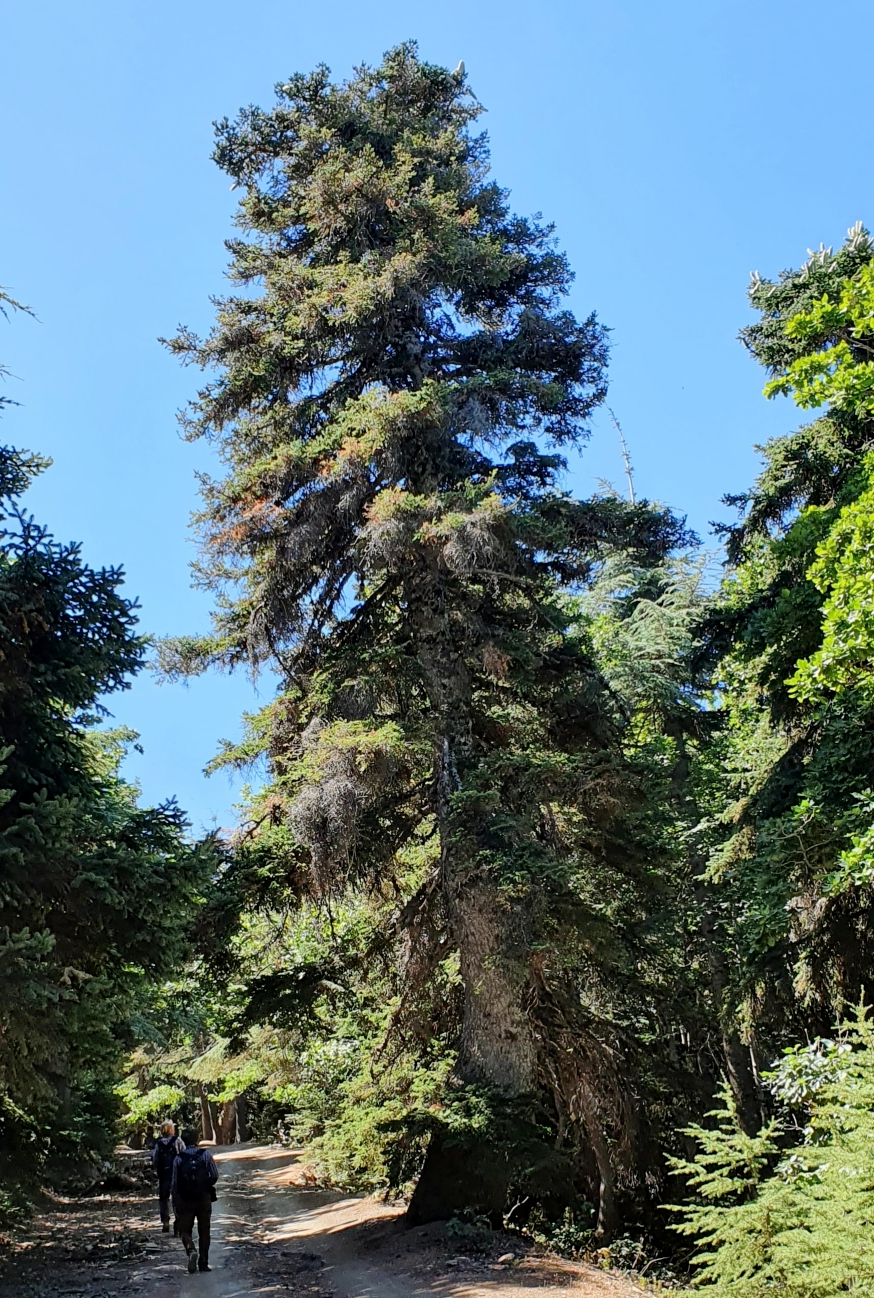
Algerian Fir
Abies numidica
☀️ Full Sun 💧 Moderate

Algerian Oak
Quercus canariensis
☀️ Full Sun 💧 Moderate
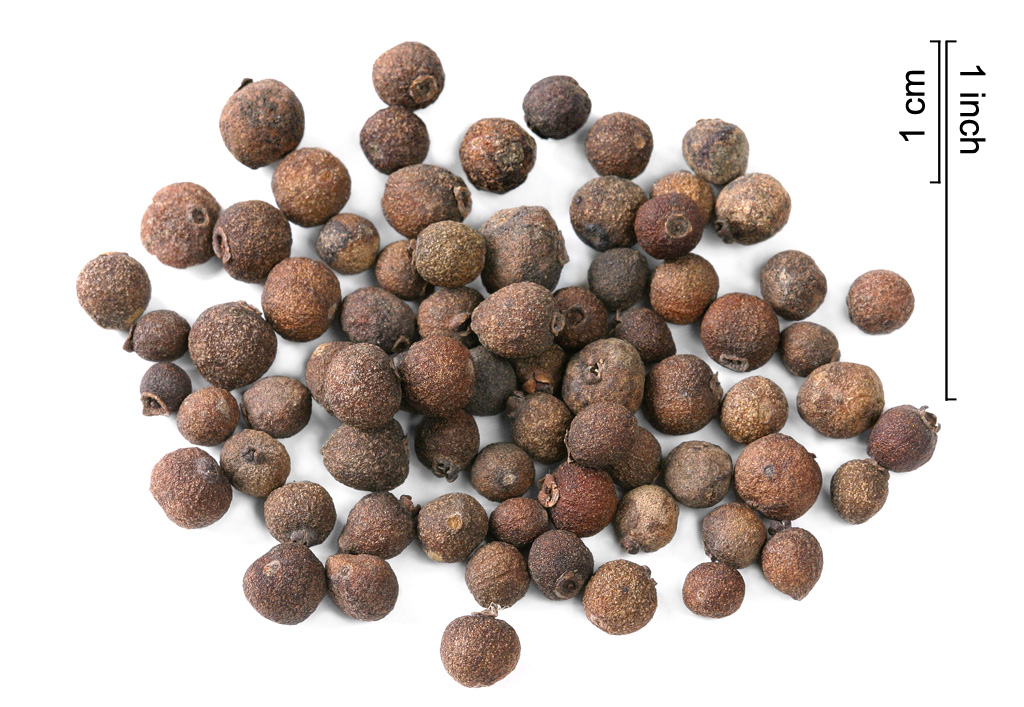
Allspice
Pimenta dioica
☀️ Full Sun 💧 Moderate

Almond
Prunus amygdalus
☀️ Full Sun 💧 Moderate
Ambarella
Spondias dulcis
☀️ Full Sun 💧 Moderate

American Basswood
Tilia americana
☀️ Full Sun 💧 Moderate

American Beech
Fagus grandifolia
☀️ Full Sun 💧 Moderate

American Chestnut
Castanea dentata
☀️ Full Sun 💧 Moderate

American Coral Tree
Erythrina americana
☀️ Full Sun 💧 Low

American Elm
Ulmus americana
☀️ Full Sun 💧 Moderate

American Sycamore
Platanus occidentalis
☀️ Full Sun 💧 High

American Yellowwood
Cladrastis kentukea
☀️ Full Sun 💧 Moderate

Amur Cork Tree
Phellodendron amurense
☀️ Full Sun 💧 Moderate
Angular Solomon’s Seal
Polygonatum odoratum
☀️ Partial Shade 💧 Moderate

Antarctic Beech
Nothofagus antarctica
☀️ Full Sun 💧 Moderate

Arizona Sycamore
Platanus wrightii
☀️ Full Sun 💧 High
Arjun Tree
Terminalia arjuna
☀️ Full Sun 💧 High
Common Questions
How far from a house should you plant a shade tree?
Plant large shade trees at least 6 to 9 m (20 to 30 ft) away from foundations, sewer lines, and roof eaves. Smaller specimens maturing under 9 m (30 ft) tall can sit 3 to 4.5 m (10 to 15 ft) from structures.
What is the fastest-growing shade tree?
Eastern cottonwood (Populus deltoides) is among the fastest, adding 1.5 to 2.4 m (5 to 8 ft) of vertical growth annually in moist soil. Softwoods with rapid growth rates generally have shorter lifespans and weaker limb unions than slower-growing oaks.
How long does a shade tree take to provide full shade?
Most nursery-bought shade trees require 10 to 15 years to develop a functional canopy that shades a lawn or roofline. Rapid growers establish practical shade within 5 to 7 years, while oaks and maples take 15 to 20 years to reach peak canopy density.
Do shade trees reduce home energy costs?
Deciduous shade trees planted on the south and west faces of a building reduce summer air-conditioning costs by 15% to 35%. Their leaves block peak afternoon heat in summer, then drop in autumn to allow winter sunlight to warm the home.