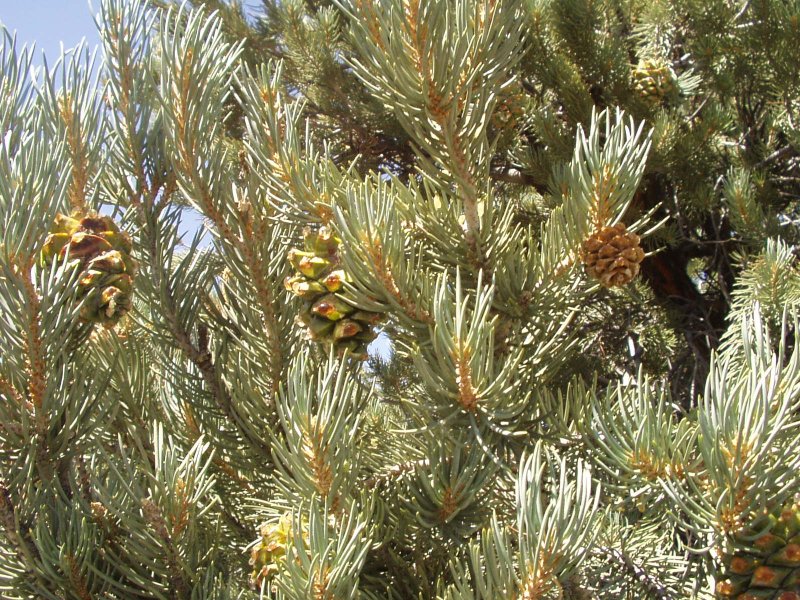
Aleppo pine (Pinus halepensis) is a medium-sized coniferous tree native to the Mediterranean Basin, spanning southern Europe, North Africa, and the Middle East. It features yellowish-green needles in pairs of two and light brown bark that darkens and fissures with age.
This species thrives in lean, rocky soils where other trees fail, making it standard for coastal windbreaks and dry erosion control. It grows rapidly up to USDA zone 11, though mature trees generate substantial dry litter that increases wildfire hazard in suburban zones.
Key Facts
- Height: 15–25 m (50–80 ft)
- Spread: 6–12 m (20–40 ft)
- Sun Needs: Full sun (6+ hours daily)
- Watering: Low; deeply drought-tolerant once established
- Hardiness Zones: USDA 8 through 11
- Growth Rate: Fast, 30–90 cm (12–36 in) per year
Is Aleppo Pine Right for Your Landscape?
Aleppo pine suits expansive properties in USDA zones 8 through 11 that receive intense sunlight and hot, dry summers. It tolerates poor limestone soils, salt spray, and prolonged drought that kill most softwoods.
You should consider the tree’s pros and cons before planting. The advantages include rapid establishment, dense wind protection, and low maintenance; the disadvantages are heavy needle shedding, brittle branches under high wind, and high flammability near structures.
- Best fit: Dry coastal gardens, large acreage windbreaks, and xeriscapes.
- Unsuitable for: Small residential yards, shaded plots, or heavy clay soils.
- Fire considerations: Maintain a 10 m (30 ft) defensive zone around houses.
How to Identify Aleppo Pine
Aleppo pine features slender needles in pairs measuring 6–12 cm (2.4–4.7 in) long and less than 1 mm (0.04 in) thick. The needles display a light yellowish-green color and usually persist on branches for two to three years.
The cones measure 5–12 cm (2.0–4.7 in) long and 2–3 cm (0.8–1.2 in) wide at the base, growing on thick stalks that point downwards along the branches. Young bark is smooth and silvery-grey, turning reddish-brown with deep vertical furrows as the trunk thickens beyond 30 cm (12 in) in diameter.
- Foliage: Pair-clustered needles, thin, light green to yellow-green.
- Bark: Smooth grey on young wood; scaly red-brown on old trunks.
- Cones: Asymmetrical, reddish-brown, pointing back along twigs.
- Crown: Conical when young, widening into an open, irregular dome.
Aleppo Pine Size, Growth Rate, and Lifespan
Aleppo pine grows rapidly, adding 30–90 cm (12–36 in) per year during its first two decades. Saplings reach 6 m (20 ft) in height within seven to ten years under open sunlight.
At full maturity, specimens attain heights of 15–25 m (50–80 ft) with a trunk diameter of 60–100 cm (24–39 in). Healthy trees live between 150 and 250 years in native Mediterranean sites, though urban specimens exposed to soil compaction often peak at 80–100 years.
Sun, Soil, and Spacing Requirements
Aleppo pine requires full sunlight for at least 6 hours daily to prevent canopy thinning and needle loss. Shaded specimens grow weak, leaning trunks and become vulnerable to fungal infections.
It tolerates highly alkaline soils up to pH 8.5 and prospers on thin, nutrient-poor limestone slopes. Perfect drainage is mandatory; roots rot quickly in standing water or compacted heavy clay. Plant trees at least 6–8 m (20–26 ft) apart for group screens, or 10–12 m (33–40 ft) apart for standalone shade specimens.
How Far Apart to Plant Aleppo Pines
Space individual Aleppo pine trees at least 6 m (20 ft) apart when constructing shelterbelts or windbreaks. Single specimen plantings require 10–12 m (33–40 ft) of clearance from surrounding trees and structures.
Dig a hole twice as wide as the root ball and equal in depth. Ensure the root collar rests flush with ground level, as burying the trunk stem leads to fungal decay.
- Windbreak spacing: 6 m (20 ft) between trunks in staggered rows.
- Specimen spacing: 10–12 m (33–40 ft) clear radius.
- Distance from structures: Minimum 10 m (33 ft) due to root expansion and fire safety.
Aleppo Pine Care and Watering Needs
Water young trees with 20 liters (5 gallons) every 7–10 days during their first summer after planting. Once roots establish after two years, natural rainfall is sufficient.
Do not apply nitrogen fertilizer to established trees. Excessive nitrogen triggers weak, sappy growth that snaps in winter windstorms. A 5 cm (2 in) layer of wood chips around the drip line conserves moisture, but keep mulch 15 cm (6 in) away from the trunk base.
How to Prune Aleppo Pine and Shape Bonsai
Prune Aleppo pine during late autumn or winter when resin flow slows down. Remove lower limbs gradually to raise the canopy height, but never strip more than 25% of the live crown in one year.
Aleppo pine bonsai care requires specific techniques. Pinch new spring shoots (candles) back by two-thirds before needles uncurl, and wire branches in autumn when sap movement decreases.
- Sanitary pruning: Cut dead, diseased, or rubbing branches at the branch collar.
- Lifting crown: Remove lowest branches over several seasons for clearance.
- Bonsai candle pinching: Reduce expanding candles in May or June.
- Bonsai repotting: Repot every 2–3 years in early spring using gritty coniferous soil.
Common Aleppo Pine Pests and Tree Problems
The pine processionary caterpillar (Thaumetopoea pityocampa) creates white silk nests in branch tips during winter and defoliates shoots in spring. Mechanical removal of nests in early winter controls small outbreaks.
Drought-stressed trees attract pine bark beetles (Tomicus piniperda), indicated by pitch tubes and fine sawdust around trunk crevices. Maintain tree health through deep soaking during multi-year droughts to prevent beetle invasion.
- Needle cast fungi: Causes browning of older inner needles in damp springs.
- Pine aphids: Secrete honeydew on foliage; control with targeted water sprays.
- Root rot (Armillaria): Attacks trees in poorly drained or overwatered locations.
Winter Hardiness and Frost Care
Aleppo pine survives cold temperatures down to -12 °C (10 °F) without foliage damage once fully mature. Young saplings under three years suffer tip burn when exposed to heavy frosts below -5 °C (23 °F).
In northern parts of zone 8, ice storms can break upper limbs due to the open branch architecture. Wrap young container-grown bonsai roots in burlap or move containers to an unheated greenhouse during freezing winter spells.
Aleppo Pine Wood, Firewood, and Resins
Aleppo pine wood yields coarse, resin-rich timber used historically for mine props, telephone poles, railway ties, and paper pulp. The resin was traditionally harvested in Greece to flavor Retsina wine and produce turpentine.
Aleppo pine makes fair firewood if seasoned for at least 12 months. Because of its high resin content, it sparks frequently and builds up creosote deposits rapidly in enclosed chimney flues, making it better suited for outdoor fire pits.
Frequently Asked Questions
Aleppo pine vs stone pine: how to tell them apart?
Stone pine (Pinus pinea) forms a umbrella-shaped canopy with dense foliage and large edible pine nuts, whereas Aleppo pine (Pinus halepensis) develops an irregular dome, lighter yellow-green needles in pairs, and smaller, stalked, downward-pointing cones.
How fast does an Aleppo pine grow?
Aleppo pine grows 30–90 cm (12–36 in) per year under full sunlight and well-drained soil conditions.
How long do Aleppo pine trees live?
Aleppo pine trees live between 150 and 250 years in native Mediterranean habitats.
Is Aleppo pine good for firewood?
Aleppo pine wood provides high heat for outdoor fires, but its high resin content causes popping sparks and chimney creosote build-up, requiring 12 months of drying before use.
How to grow Aleppo pine from seed?
Soak seeds in water for 24 hours, then sow them 1 cm (0.4 in) deep in gritty, sandy potting soil kept at 18–21 °C (65–70 °F) until germination occurs in 14–28 days.
How to propagate Aleppo pine?
Propagate Aleppo pine primarily by seed sown in spring, as stem cuttings root poorly and yield very low success rates.
Information about traditional or historical uses is provided for educational interest only and is not medical advice. Do not use any plant to treat a condition without speaking to a qualified professional.
Sources & Verification
Taxonomy and distribution are checked against the databases below. Care guidance is written for cultivated species only and reviewed by our editor. How We Build Plant Profiles →