Low-Water Plants: Drought-Tolerant Garden Species
553 plant profiles · Discover 371 low-water plants adapted to arid conditions, from desert succulents to drought-hardy trees, with watering schedules and soil advice.
Low-water plants survive prolonged dry intervals through physiological adaptations like succulent water storage, reduced waxy foliage, and deep taproots. Rather than needing weekly irrigation, these species require the substrate to dry out thoroughly between soakings, and many survive on natural rainfall alone once fully established.
Selecting the right low-water species depends on your regional minimum temperatures, soil texture, and available sun. Large canopy trees such as California live oak (Quercus agrifolia) anchor arid plots and resent summer surface irrigation, while semi-woody perennials like bible hyssop (Origanum syriacum) and chamisa (Ericameria nauseosa) thrive in open gravel gardens with all-day sun. For dry, north-facing slopes and woodland understoreys, California wood fern (Dryopteris arguta) withstands summer drought beneath tree roots where traditional ferns shrivel.
In containers, raised beds, and rockeries, pairing species with matching dormancy periods avoids root loss. Desert succulents like pancake prickly pear (Opuntia chlorotica) and balloon cactus (Parodia magnifica) rely on coarse mineral soils and winter dryness, whereas bulbous species such as bowden lily (Nerine bowdenii) rest through early summer before flowering on naked stems in late autumn. Sharp drainage remains the primary requirement across all 371 species in this category.

Adam’s Needle
Yucca filamentosa
☀️ Full Sun 💧 Low
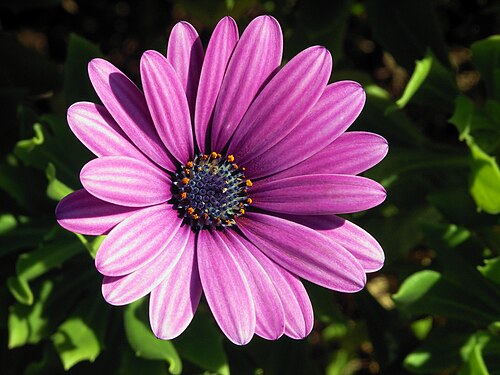
African Daisy
Dimorphotheca ecklonis
☀️ Full Sun 💧 Low
African Milk Tree
Euphorbia trigona
☀️ Full Sun 💧 Low

African Sumac
Searsia lancea
☀️ Full Sun 💧 Low

Air Plant
Tillandsia ionantha
☀️ Bright Indirect 💧 Low

Aizoon Stonecrop
Phedimus aizoon
☀️ Full Sun 💧 Low
Aleppo Pine
Pinus halepensis
☀️ Full Sun 💧 Low

Alexandrian Senna
Senna alexandrina
☀️ Full Sun 💧 Low

Alfalfa
Medicago sativa
☀️ Full Sun 💧 Low

Allegheny Chinquapin
Castanea pumila
☀️ Full Sun 💧 Low

Aloe vera
☀️ Full Sun 💧 Low
Alpine Aster
Aster alpinus
☀️ Full Sun 💧 Low
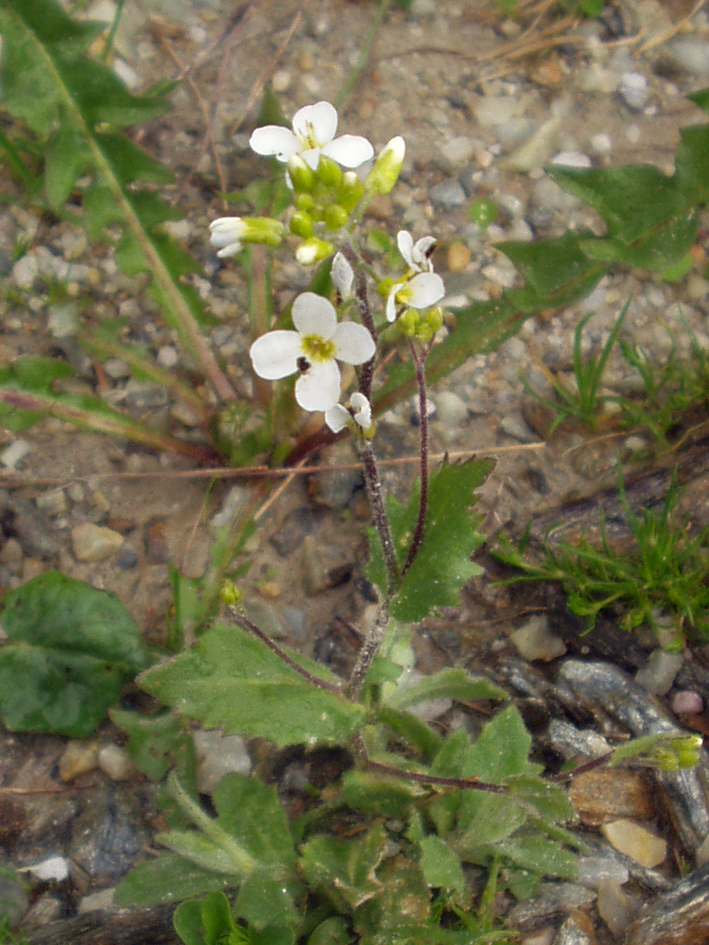
Alpine Rock-Cress
Arabis alpina
☀️ Full Sun 💧 Low

American Coral Tree
Erythrina americana
☀️ Full Sun 💧 Low

American Trumpet Vine
Campsis radicans
☀️ Full Sun 💧 Low
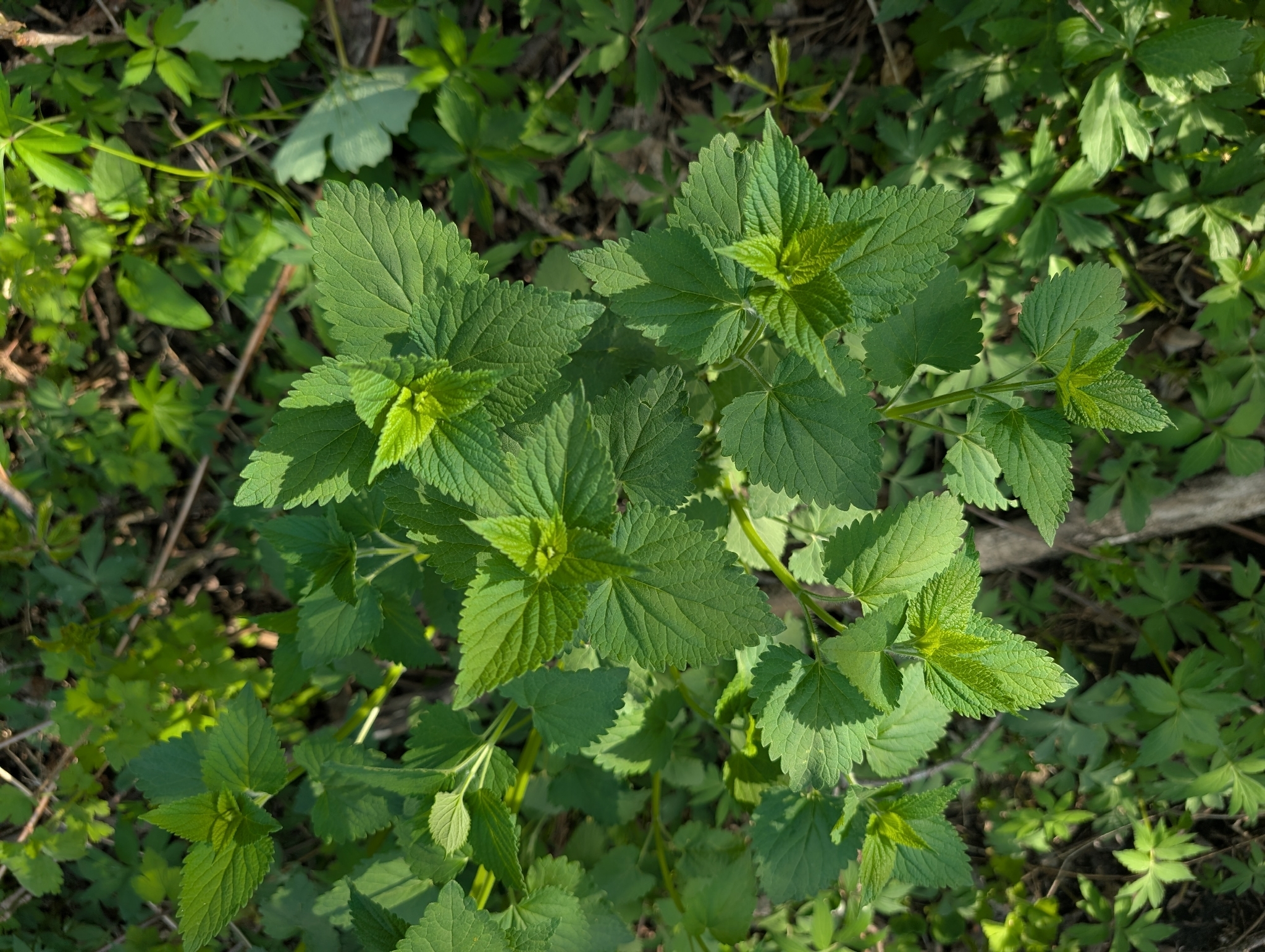
Anise Hyssop
Agastache foeniculum
☀️ Full Sun 💧 Low

Apple of Sodom
Calotropis procera
☀️ Full Sun 💧 Low
Arctic Root
Rhodiola rosea
☀️ Full Sun 💧 Low
Ashwagandha
Withania somnifera
☀️ Full Sun 💧 Low
Athel Pine
Tamarix aphylla
☀️ Full Sun 💧 Low
Atlantic Pistachio
Pistacia atlantica
☀️ Full Sun 💧 Low

Atlas Cedar
Cedrus atlantica
☀️ Full Sun 💧 Low

Aubrieta
Aubrieta deltoidea
☀️ Full Sun 💧 Low

Austral Grass Tree
Xanthorrhoea australis
☀️ Full Sun 💧 Low
Common Questions
How often do you water low-water plants once established?
Established low-water plants typically require watering only once every 3 to 6 weeks during peak summer droughts, with many garden specimens needing zero supplemental irrigation in cooler seasons.
What soil mix do low-water plants need?
Low-water plants require a free-draining substrate containing 40 to 60 percent mineral grit, such as pumice, coarse perlite, or decomposed granite, combined with native loam or sand.
Can low-water plants survive wet winters?
Low-water plants survive wet winters only if grown in sharply draining, raised beds or gravel berms, as waterlogged cold soil suffocates drought-adapted root hairs within days.
How do you water low-water plants during their first year?
New plantings need a deep soak every 7 to 14 days during their first active spring and summer, tapering off in the second year as root systems penetrate the native soil.