Pinaceae Family Trees and Shrubs
60 plant profiles · Learn about the Pinaceae family, including pines, firs, spruces, hemlocks, and cedars. Explore light, soil, temperature, and landscape uses for 41 species.
The Pinaceae family comprises over 230 species of resinous, cone-bearing conifers found predominantly across the Northern Hemisphere, ranging from boreal forests to tropical pine savannas. Members of this family, such as Japanese black pine (Pinus thunbergii) and Douglas fir (Pseudotsuga menziesii), share spirally arranged needle-like leaves, woody seed cones, and acidic soil preferences. Selecting species for landscape planting depends on your local climate zone, soil drainage, and mature height requirements.
For dry or coastal landscapes, heat-tolerant conifers like Turkish pine (Pinus brutia) and Monterey pine (Pinus radiata) thrive in full sun and well-draining sandy loam with pH levels between 5.5 and 7.0. In cooler, high-altitude regions or frost-prone northern climates, species like Nordmann fir (Abies nordmanniana) and Eastern hemlock (Tsuga canadensis) prefer moist soils and protection from harsh summer sun. Slow-growing species like single-leaf pinyon (Pinus monophylla) suit smaller gardens or arid microclimates.
Most Pinaceae conifers require full sunlight—at least 6 hours of direct sun daily—and winter temperatures matching their native hardiness zones, which range from USDA zone 2 to 10 depending on the genus. Tree sizes vary dramatically from dwarf cultivars under 1 m (3 ft) to timber giants like Deodar cedar (Cedrus deodara), which reaches heights over 30 m (100 ft). Identifying your garden's moisture levels and soil structure is essential before selecting a specimen from this family.
Aleppo Pine
Pinus halepensis
☀️ Full Sun 💧 Low
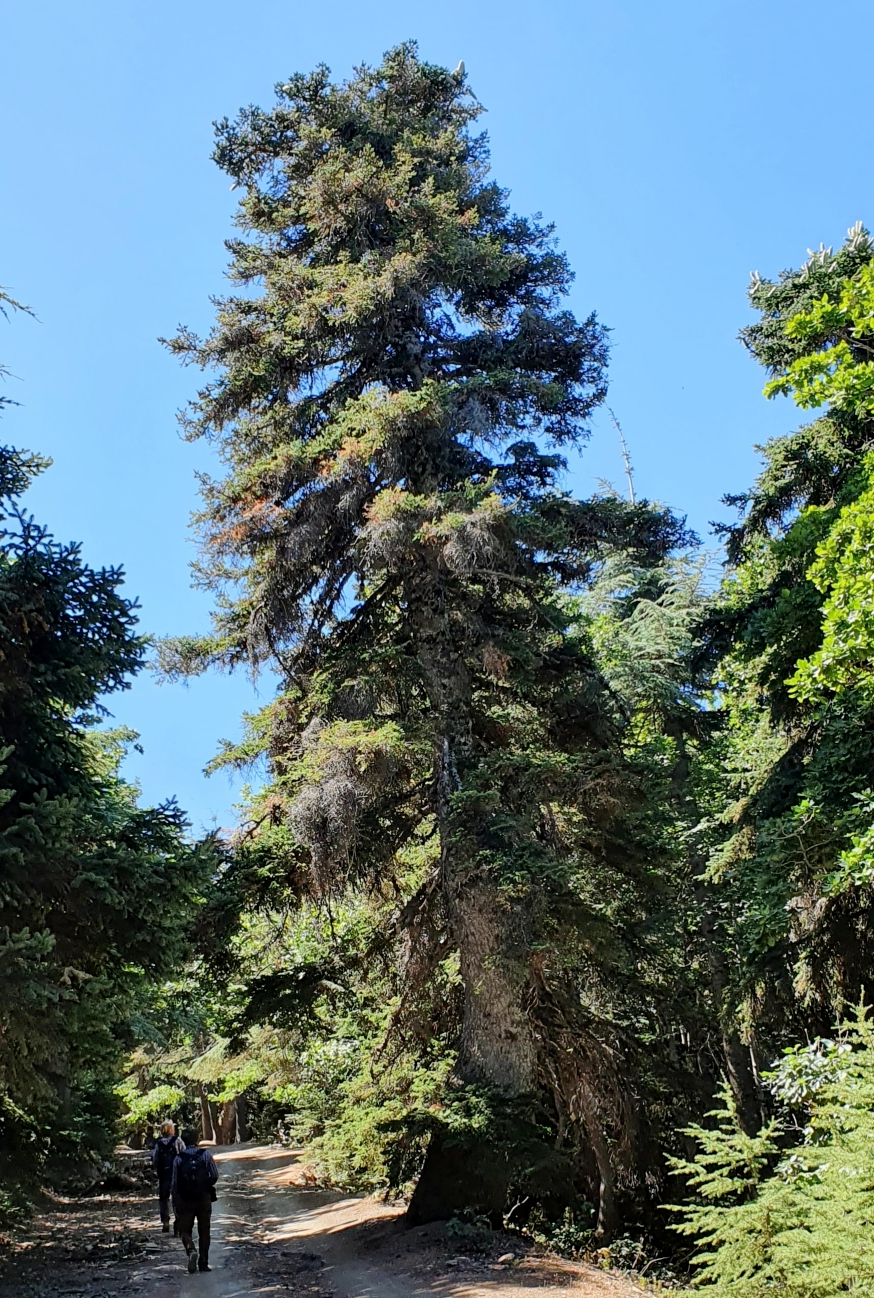
Algerian Fir
Abies numidica
☀️ Full Sun 💧 Moderate
Armand Pine
Pinus armandii
☀️ Full Sun 💧 Moderate
Arolla Pine
Pinus cembra
☀️ Full Sun 💧 Moderate

Asian Spruce
Picea schrenkiana
☀️ Full Sun 💧 Moderate

Atlas Cedar
Cedrus atlantica
☀️ Full Sun 💧 Low

Austrian Pine
Pinus nigra
☀️ Full Sun 💧 Low

Balsam Fir
Abies balsamea
☀️ Full Sun 💧 Moderate

Benguet Pine
Pinus kesiya
☀️ Full Sun 💧 Moderate

Bhutan Pine
Pinus wallichiana
☀️ Full Sun 💧 Low

Blue Spruce
Picea pungens
☀️ Full Sun 💧 Moderate

Bull Pine
Pinus ponderosa
☀️ Full Sun 💧 Low

California Foothill Pine
Pinus sabiniana
☀️ Full Sun 💧 Low
Canary Island Pine
Pinus canariensis
☀️ Full Sun 💧 Low

Caucasian Spruce
Picea orientalis
☀️ Full Sun 💧 Moderate

Cedar of Lebanon
Cedrus libani
☀️ Full Sun 💧 Low

Chilgoza Pine
Pinus gerardiana
☀️ Full Sun 💧 Low

Chinese Golden Larch
Pseudolarix amabilis
☀️ Full Sun 💧 Moderate

Chir Pine
Pinus roxburghii
☀️ Full Sun 💧 Low
Coulter Pine
Pinus coulteri
☀️ Full Sun 💧 Low
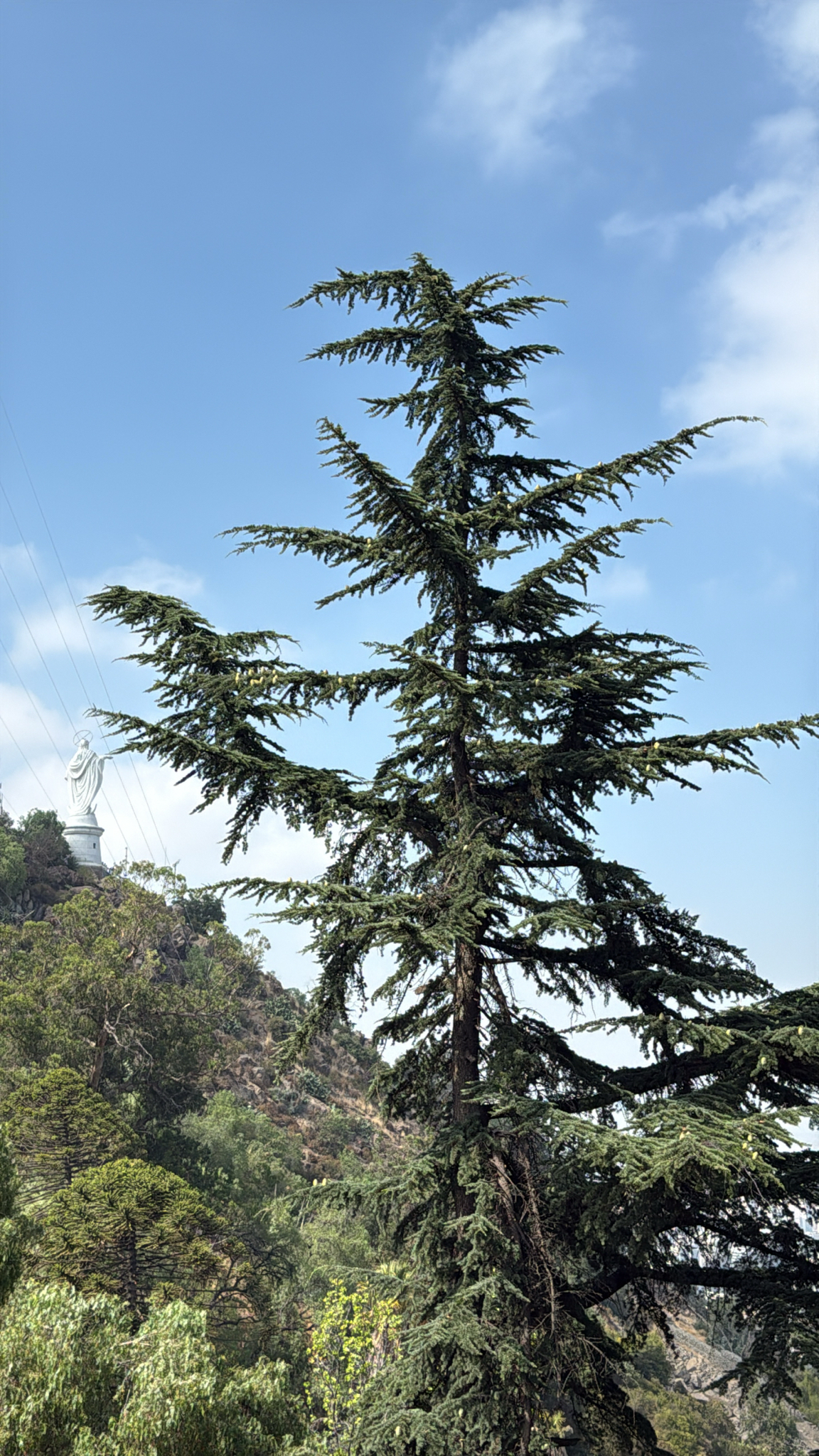
Deodar Cedar
Cedrus deodara
☀️ Full Sun 💧 Low

Douglas Fir
Pseudotsuga menziesii
☀️ Full Sun 💧 Moderate
Dwarf Siberian Pine
Pinus pumila
☀️ Full Sun 💧 Moderate

Eastern Hemlock
Tsuga canadensis
☀️ Partial Shade 💧 High
Common Questions
How do you identify trees in the Pinaceae family?
You can identify Pinaceae species by their spirally arranged needle-like leaves and woody seed cones with spirally arranged scales. Pines hold needles in bundles of 1 to 5, while firs and spruces feature individual needles attached directly to twigs.
What soil pH do Pinaceae plants need?
Most Pinaceae species thrive in acidic to neutral soil with a pH of 4.5 to 6.5. Excessively alkaline soils above pH 7.5 often cause foliage chlorosis and poor root establishment in pines, spruces, and firs.
How much sun do pine and fir trees require?
Pinaceae trees generally require full sun for 6 to 8 hours daily for dense foliage development and strong trunk stability. Shade-tolerant exceptions like Eastern hemlock can grow in partial to full shade with 2 to 4 hours of indirect light.
How often should you water newly planted Pinaceae trees?
Water newly planted Pinaceae trees with 19 to 38 L (5 to 10 gal) of water twice per week during their first growing season. Once established after 2 to 3 years, most species require supplemental water only during dry periods exceeding 3 weeks.