Best Plants for Erosion Control and Slope Stabilization
377 plant profiles · Discover trees, shrubs, and grasses that stabilize banks and slopes, binding loose soil against water runoff and persistent wind.
Erosion control plants protect vulnerable ground by binding loose soil with interlocking root systems while intercepting driving rain before it displaces the surface. Plants in this group produce either wide fibrous root nets that knit topsoil together or deep taproots that anchor shifting subsoils on hillsides, riverbanks, and arid plains.
Select species based on soil moisture, slope gradient, and regional climate. Riparian edges and damp gullies require water-tolerant species that withstand seasonal flooding, such as bladder sedge (Carex vesicaria) and eastern cottonwood (Populus deltoides). For dry, wind-scoured banks or desert road cuts, choose drought-hardy shrubs with extensive surface root nets, such as fourwing saltbush (Atriplex canescens), chamisa (Ericameria nauseosa), or winterfat (Krascheninnikovia lanata).
Steep hillsides and highway shoulders benefit from fast-establishing perennial grasses and deep-rooted perennials. Species like Bahia grass (Paspalum notatum) and blue flax (Linum lewisii) provide quick vegetative cover within 60 to 90 days of seeding, stabilizing topsoil while long-lived woody anchors such as California live oak (Quercus agrifolia) mature.

Aaron’s Beard
Hypericum calycinum
☀️ Full Sun 💧 Moderate

Adam’s Needle
Yucca filamentosa
☀️ Full Sun 💧 Low
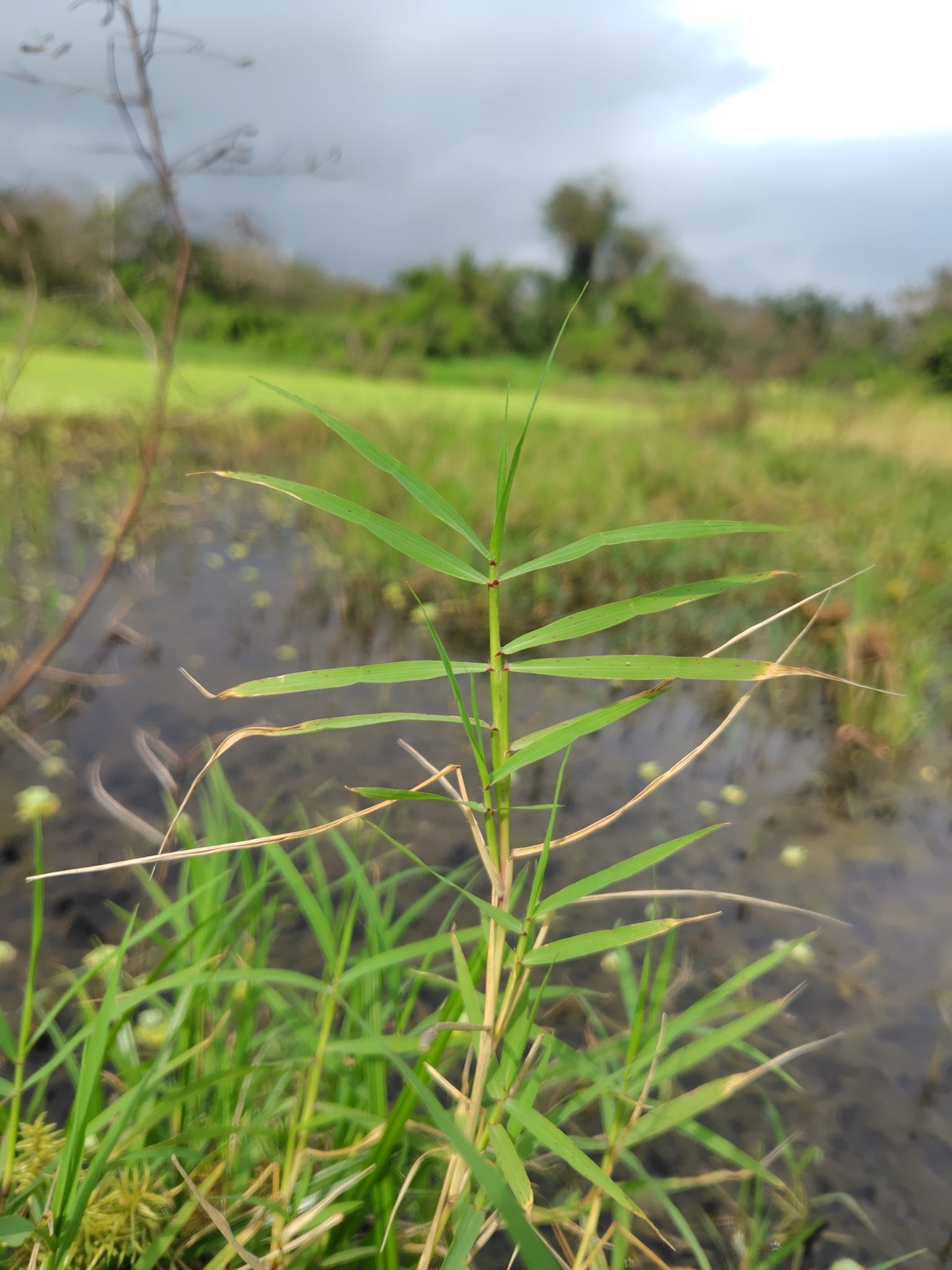
African Bermuda Grass
Cynodon nlemfuensis
☀️ Full Sun 💧 Moderate

African Sumac
Searsia lancea
☀️ Full Sun 💧 Low
Aleppo Pine
Pinus halepensis
☀️ Full Sun 💧 Low
Alligator Apple
Annona glabra
💧 High

Almond-Leaved Pear
Pyrus spinosa

Alpine Meadow-Grass
Poa alpina

Alyce Clover
Alysicarpus vaginalis
☀️ Full Sun 💧 Moderate

American Elderberry
Sambucus canadensis
☀️ Full Sun 💧 High
American Hop Tree
Ptelea trifoliata
☀️ Partial Shade 💧 Moderate

American Sycamore
Platanus occidentalis
☀️ Full Sun 💧 High

American Trumpet Vine
Campsis radicans
☀️ Full Sun 💧 Low
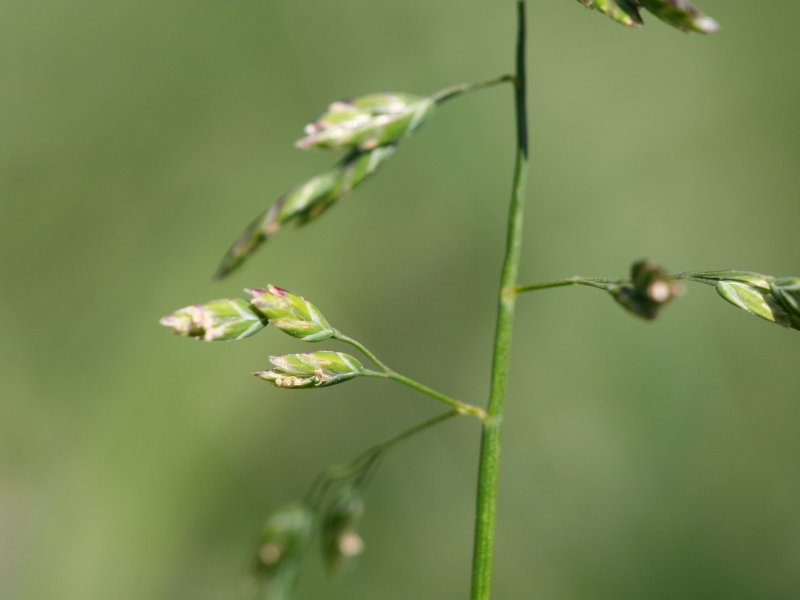
Annual Bluegrass
Poa annua
Annual Ryegrass
Lolium multiflorum
☀️ Full Sun 💧 Moderate

Annual Yellow Sweet Clover
Melilotus indicus
☀️ Full Sun 💧 Low

Appalachian Barren Strawberry
Geum fragarioides
☀️ Partial Shade 💧 Moderate

Apple of Sodom
Calotropis procera
☀️ Full Sun 💧 Low

Apple of Sodom
Solanum campylacanthum
☀️ Full Sun 💧 Low

Arizona Sycamore
Platanus wrightii
☀️ Full Sun 💧 High

Arumleaf Arrowhead
Sagittaria cuneata
☀️ Full Sun 💧 Aquatic

Ashy Buckwheat
Eriogonum cinereum
☀️ Full Sun 💧 Low

Asian Spruce
Picea schrenkiana
☀️ Full Sun 💧 Moderate
Athel Pine
Tamarix aphylla
☀️ Full Sun 💧 Low
Common Questions
What plants are best for holding steep slopes?
Deep-rooting woody shrubs combined with dense bunchgrasses hold steep slopes most effectively because their roots occupy different soil depths simultaneously. Pairing spreading ground covers with deep-rooted species prevents surface sheet wash while anchoring the subsoil 1 to 3 m (3 to 10 ft) down.
Which grasses stop soil erosion fastest?
Dense turf and bunchgrasses such as Bahia grass (Paspalum notatum) and Sandberg bluegrass (Poa secunda) stop soil erosion quickly by creating a thick surface root mat within one growing season. Their fine root systems bind the top 15 to 30 cm (6 to 12 in) of soil against wind and heavy rainwater runoff.
What plants stop riverbank erosion?
Flood-tolerant trees and sedges like eastern cottonwood (Populus deltoides) and bladder sedge (Carex vesicaria) prevent riverbank washout through massive water-tolerant root networks that flex during high-velocity water flow. Their root fibers knit wet bank edges and catch alluvial silt during seasonal surges.