

Solanum campylacanthum is a spiny, semi-woody perennial shrub indigenous to Eastern and Southern Africa, known for producing bright yellow, tomato-like berries that carry potent toxic alkaloids. It colonises overgrazed grasslands, road margins, and savanna woodlands from sea level to 2,400 m (7,870 ft) elevation.
Livestock rarely browse the mature spiny foliage, but animals that consume the fallen fruits suffer severe gastrointestinal and neurological poisoning. Eradication challenges farmers across its range because deep woody taproots regenerate readily after top growth is cut or burned.
Key Facts
- Plant type: Woody perennial subshrub
- Toxicity: Severe; causes solanine-type alkaloid poisoning
- Native range: Eastern, Central, and Southern Africa
- Mature height: 0.5 to 2 m (1.6 to 6.6 ft)
- Fruit: Yellow, globose berry 2 to 3.5 cm (0.8 to 1.4 in) wide
- Habitat: Degraded rangelands, savannas, and roadsides
Encountering Apple of Sodom in the Wild
You will encounter apple of Sodom primarily as an aggressive coloniser of overgrazed pastures, forest margins, and disturbed roadsides across tropical Africa. It establishes rapidly where continuous cattle grazing has stripped competitive grasses, leaving bare, compacted soil. Its dense framework of curved prickles makes thickets almost impenetrable to pedestrians and medium-sized wildlife.
The plant functions ecologically as an early successional pioneer, anchoring dry soils during drought cycles. Because native herbivores avoid browsing its sharp stems, undisturbed stands expand across degraded rangeland within two to three rainy seasons.
How to Identify Solanum campylacanthum
Identify Solanum campylacanthum by its dense armour of yellowish, recurved spines and smooth, globose yellow fruit. The shrub grows 0.5 to 2 m (1.6 to 6.6 ft) tall with branched, woolly stems covered in star-shaped (stellate) hairs that give juvenile foliage a silvery or grey-green cast.
Key botanical markers help distinguish this nightshade in the field:
- Stems: Densely covered in sharp, broad-based prickles measuring 3 to 12 mm (0.1 to 0.5 in) long.
- Leaves: Alternate, ovate to elliptic, 4 to 15 cm (1.6 to 6 in) long, with wavy or lobed margins and prickles along the main veins.
- Flowers: Star- or wheel-shaped with five lobes, pale violet, purple, or rarely white, measuring 2 to 3 cm (0.8 to 1.2 in) across, bearing prominent yellow anthers in the centre.
- Fruit: Spherical berries, green mottled with cream when immature, turning uniform bright yellow to orange-brown at maturity, 20 to 35 mm (0.8 to 1.4 in) in diameter.
- Seeds: Flat, pale brown to yellow discs, 2 to 3 mm wide, packed inside spongy pulp.
Is Apple of Sodom Edible or Poisonous?
No part of the apple of Sodom is edible, and consuming the fruit poses serious poisoning risks to humans, dogs, and livestock. The berries contain high concentrations of toxic steroidal glycoalkaloids, primarily solamargine and solasonine, which remain intact even when the fruit dries on the bush.
Ingestion triggers acute symptoms within 2 to 12 hours:
- Oral and digestive distress: Burning sensation in the throat, severe abdominal pain, nausea, vomiting, and foul-smelling diarrhoea.
- Neurological disruption: Dilated pupils, loss of coordination, dizziness, and extreme lethargy.
- Systemic shock: Irregular heartbeat, respiratory depression, convulsions, and in severe cases involving children or livestock, death from circulatory collapse.
Farmers frequently lose sheep, goats, and cattle during prolonged droughts when green forage vanishes and animals feed on ripe berries lying beneath the bushes.
Native Range and Habitat Preferences
Solanum campylacanthum is native to sub-Saharan Africa, with its core distribution spanning Kenya, Tanzania, Uganda, Ethiopia, Mozambique, Zimbabwe, and South Africa. It thrives under subtropical and tropical regimes across altitudes ranging from sea level along the Indian Ocean coastline up to subalpine clearings at 2,400 m (7,870 ft).
The plant demonstrates low moisture requirements once established, surviving in zones with as little as 300 mm (12 in) of annual rainfall. It accepts stony clay, nutrient-poor sands, and volcanic loam, provided the site does not remain waterlogged for prolonged periods.
Ecological Role and Pasture Impact
While classified as an aggressive pasture weed in livestock regions, the plant provides cover and nourishment for specific wild species. Carpenter bees (Xylocopa species) act as primary pollinators, releasing pollen from the tubular anthers through high-frequency buzz pollination.
Ranchers face economic losses because dense stands crowd out edible grasses such as Rhodes grass (Chloris gayana) and star grass (Cynodon dactylon). Mechanical cutting rarely provides control, as cut stumps sprout multiple replacement stems from the root crown unless treated with targeted systemic herbicides or dug out completely past the taproot.
Traditional Uses and Medicinal Claims
Pastoral communities across East Africa traditionally applied crude fruit extracts to treat skin conditions, ringworm, and toothache. Sliced fruits were rubbed directly onto warts or fungal infections, and warm leaf decoctions were historically applied as livestock washes to dislodge ticks and biting flies.
Laboratory analyses confirm that crude extracts possess antimicrobial, molluscicidal, and anti-inflammatory properties due to their glycoalkaloid content. Despite these traditional applications, home preparation of internal remedies carries extreme danger due to variable alkaloid potency and narrow safety margins.
The Meaning Behind the Apple of Sodom Name
The name “apple of Sodom” originates from ancient biblical folklore describing fruit that turns to smoke and ashes when plucked near the Dead Sea. Flavius Josephus, the first-century Roman-Jewish historian, recorded legends of beautiful, ripe-looking desert fruit that dissolved into bitter dust upon touch, symbolising deceptive appearance and sinful illusion.
In popular culture, this symbol of treacherous temptation inspired the 1996 Marilyn Manson song “Apple of Sodom” from the Lost Highway film soundtrack. Similarly, the rogue-like video game The Binding of Isaac features an “Apple of Sodom” item that alters health pick-ups, directly drawing on the plant’s reputation for replacing sustenance with hazard.
Similar Species and Other Sodom Apples
The common name “apple of Sodom” refers to multiple unrelated spiny or milky plants across different botanical families. Verifying leaf shape and sap colour prevents dangerous identification errors between these species.
- Devil’s apple (Solanum linnaeanum): Native to Southern Africa and naturalised in Australia; displays deeply incised, oak-like lobes on its leaves, whereas Solanum campylacanthum has shallow, undulating leaf margins.
- Rubber bush (Calotropis procera): Also commonly called Sodom apple, but belongs to the dogbane family (Apocynaceae); produces large, hollow, bladder-like green fruits and copious white latex rather than clear sap and yellow berries.
- Bitter tomato (Solanum incanum): A closely allied species from dry zones in the Middle East and northern Africa; previously grouped with Solanum campylacanthum under a single species complex before recent taxonomic segregation.
- Black nightshade (Solanum nigrum): Lacks sharp spines entirely, features smaller white flowers, and produces clusters of small black or dark-purple berries under 1 cm (0.4 in) wide.
Frequently Asked Questions
Is apple of Sodom edible?
No, the fruit is dangerously poisonous and must never be eaten. It contains high levels of toxic solanine and solamargine glycoalkaloids that cause severe stomach pain, vomiting, nervous system shock, and potential fatality.
What is the difference between Solanum campylacanthum and Calotropis procera?
Solanum campylacanthum is a spiny nightshade bearing solid yellow berries, whereas Calotropis procera (also called Sodom apple) is a spineless milkweed with large, hollow, inflated green pods that bleed thick white latex when cut.
What does apple of Sodom mean in literature and pop culture?
It symbolises deceptive beauty or an achievement that turns out to be hollow and disappointing, based on ancient legends of Dead Sea fruit full of smoke and ash. This motif appears in classical writing as well as media like Marilyn Manson's music and the video game The Binding of Isaac.
How do you kill or get rid of Solanum campylacanthum on grazing land?
You must dig out the plant by hand to remove the woody taproot at least 15 cm (6 in) below soil level, or spray newly sprouted foliage with an approved systemic pasture herbicide such as triclopyr. Mowing alone fails because the root system rapidly produces vigorous regrowth.
Why is it called bitter apple?
The nickname comes from the extremely bitter taste produced by the plant's defensive steroidal alkaloids, which act as a chemical warning system to deter animals from eating the flesh.
Information about traditional or historical uses is provided for educational interest only and is not medical advice. Do not use any plant to treat a condition without speaking to a qualified professional.
Sources & Verification
Taxonomy and distribution are checked against the databases below. Care guidance is written for cultivated species only and reviewed by our editor. How We Build Plant Profiles →
- Kew Plants of the World OnlineTaxonomic status, synonymy, and native geographic distribution.
- Global Biodiversity Information Facility (GBIF)Occurrence data and common name documentation.
- IUCN Red List of Threatened SpeciesConservation assessment and regional abundance data.
- Wikipediageneral reference
More in Solanum

Jerusalem Cherry
Solanum pseudocapsicum
☀️ Full Sun 💧 Moderate

Tamarillo
Solanum betaceum
☀️ Full Sun 💧 Moderate

African Eggplant
Solanum aethiopicum
☀️ Full Sun 💧 Moderate
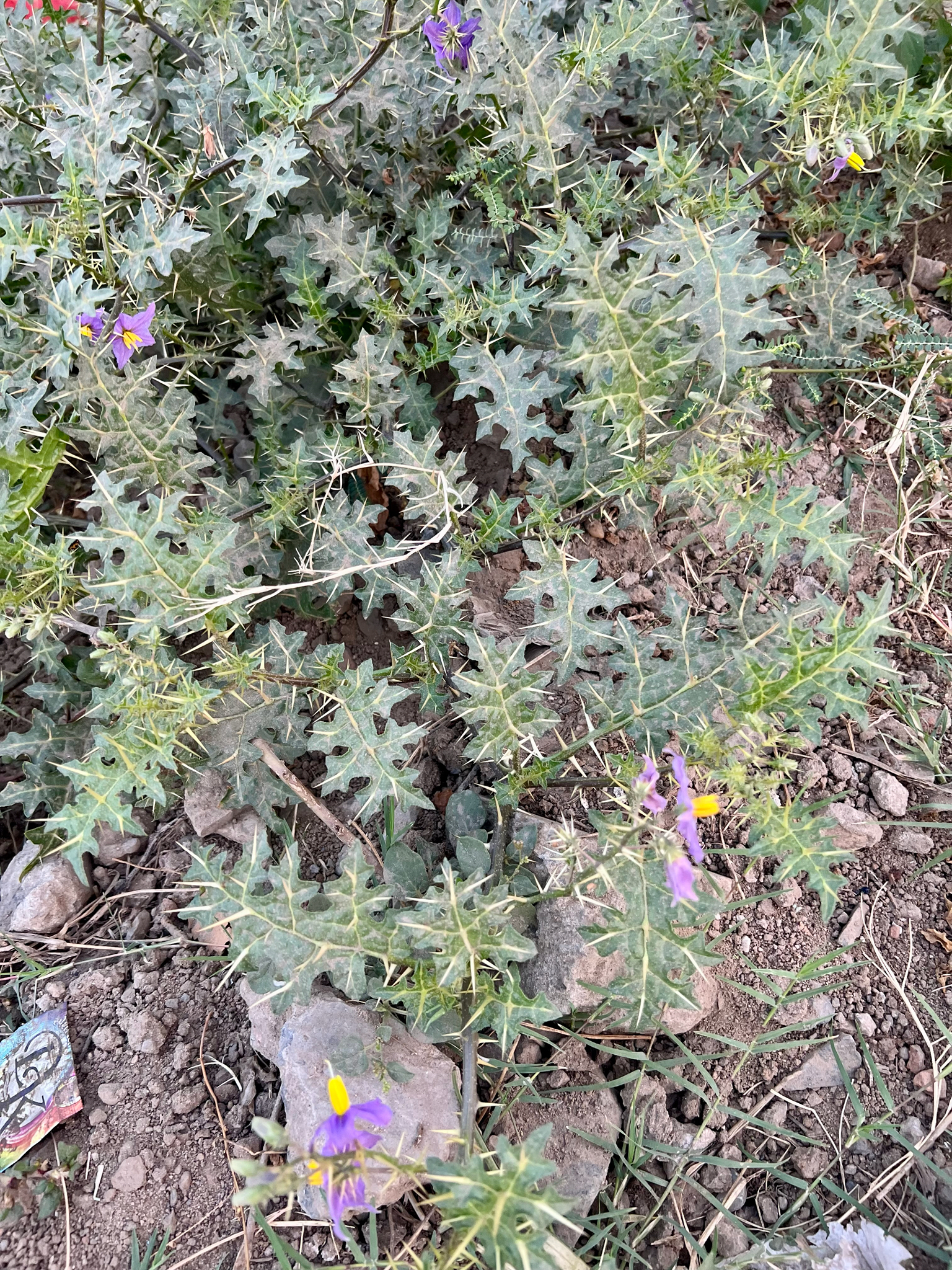
Surattense Nightshade
Solanum virginianum
☀️ Full Sun 💧 Low
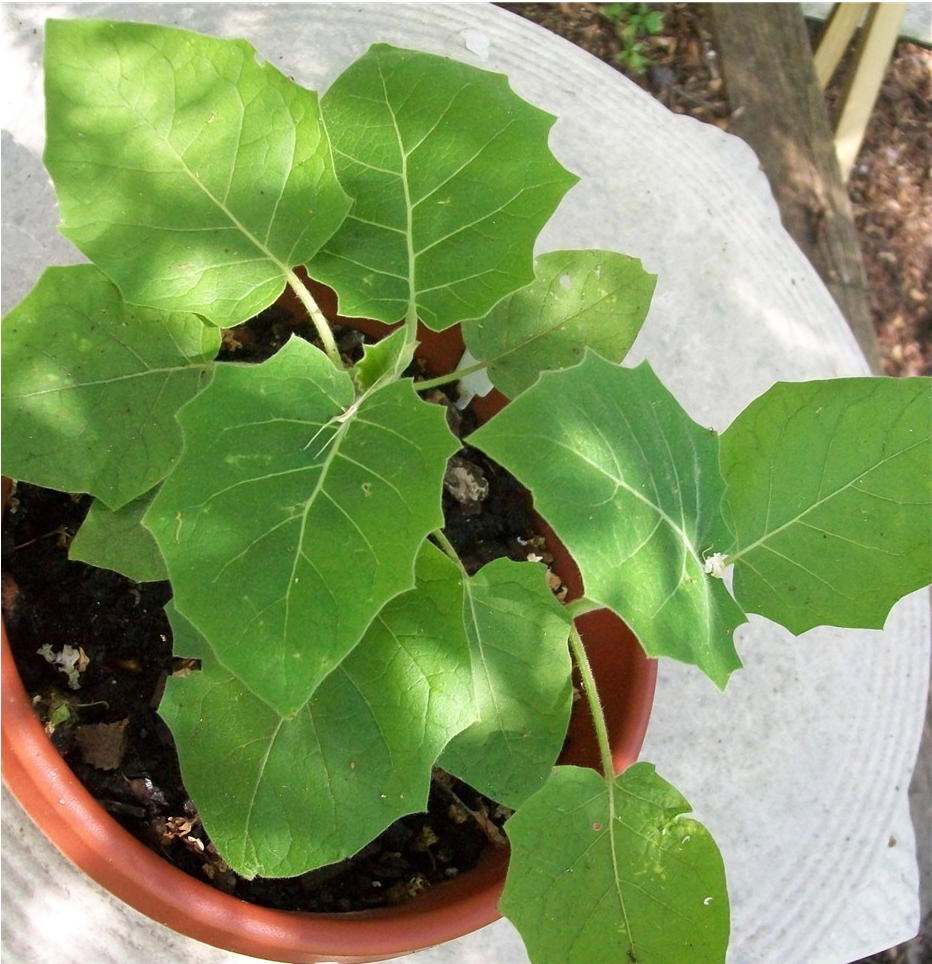
Cocona
Solanum sessiliflorum
☀️ Full Sun 💧 High
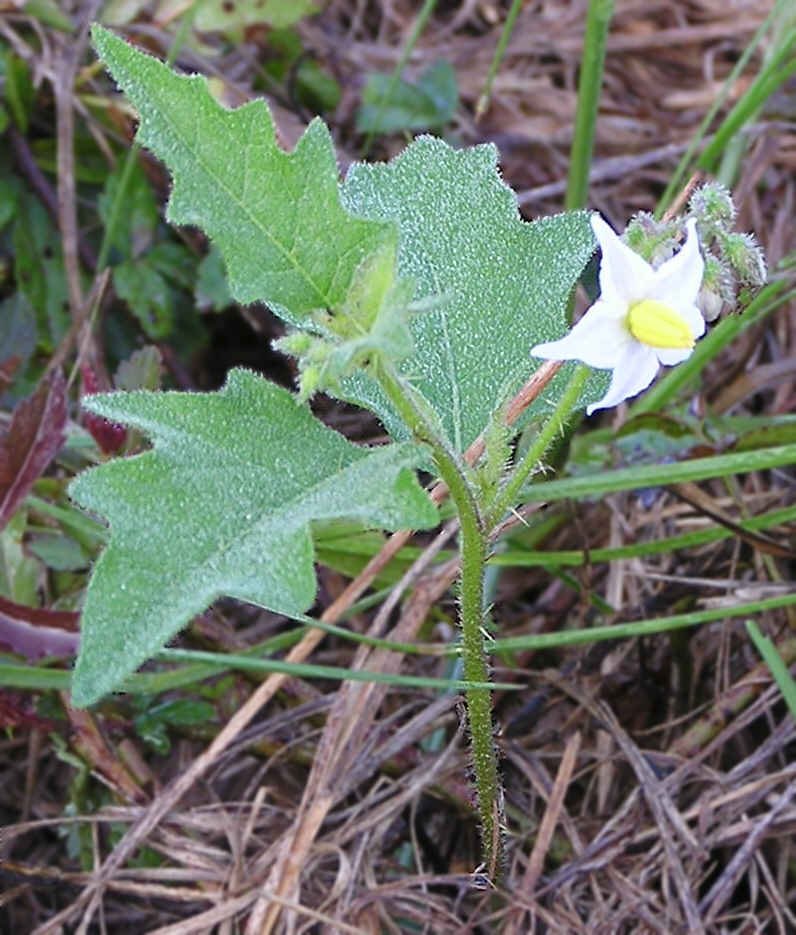
Carolina Horsenettle
Solanum carolinense
☀️ Full Sun 💧 Low