
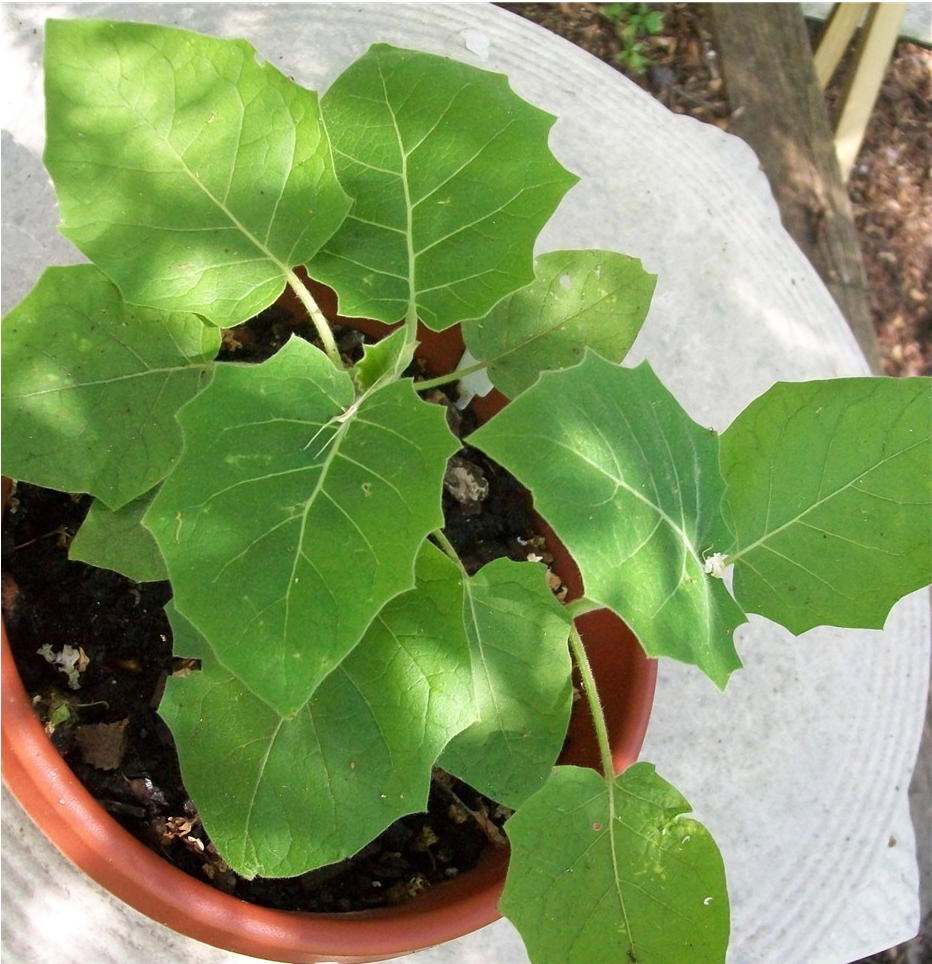
Cocona (Solanum sessiliflorum) is a fast-growing tropical shrub native to the upper Amazon basin, bearing heavy clusters of round, yellow to reddish-orange edible berries. The plant develops large, velvety leaves with scalloped margins along sturdy, spineless branches.
Cocona requires consistent warmth above 18 °C (64 °F) and uniform moisture to produce fruit, maturing its crop roughly six to nine months after sowing.
Key Facts
- Growth habit: Spineless woody shrub reaching 1.5–2 m (5–6.5 ft) tall
- Sun needs: Full sun to dappled afternoon shade
- Water: Keep soil evenly moist; drought causes flower drop
- Harvest window: 6 to 9 months from seed germination
- Minimum temperature: Frost-tender; injured below 10 °C (50 °F)
Is Cocona Right for Your Garden?
Cocona thrives best in frost-free tropical climates or heated greenhouses where temperatures remain consistently warm year-round. It functions as a short-lived woody perennial in USDA Zones 10 through 12, though temperate gardeners can grow it as an annual if seeds start indoors in late winter.
A single shrub demands roughly 1.5 m (5 ft) of clearance to spread its massive leaves. Gardeners who have success with tomato (Solanum lycopersicum) or eggplant (Solanum melongena) will recognize similar cultural habits, but cocona requires far higher ambient humidity and reliable soil hydration to hold its blossoms.
How to Identify Cocona Plants and Fruit
You can identify cocona by its spineless, furry stems and large ovate leaves that span up to 45 cm (18 in) long and 35 cm (14 in) wide. The foliage features wavy, sinuate margins covered in soft, velvety pubescence on both surfaces.
The flowers emerge in tight clusters of two to ten opposite the leaf axils, bearing five pale greenish-white to yellow petals that resemble oversized potato blossoms. Round to oblong berries measure 4–10 cm (1.5–4 in) across, turning from dull olive-green to bright yellow, orange, or deep red-brown as they mature under a thin layer of removable peach-like down.
- Stems: Thick, herbaceous when young, becoming woody and spineless at maturity.
- Foliage: Alternate, broadly ovate, dark green with prominent pale veins.
- Blossoms: Star-shaped, 3 cm (1.2 in) wide, lacking purple pigmentation.
- Fruit: Fleshy berry filled with cream-colored pulp and flat seeds.
Growing Conditions and Sun Exposure
Cocona yields the heaviest crops in full sun to partial shade with protection from blistering midday desert winds. In lowland equatorial regions, plants welcome filtered light during early afternoon, whereas temperate greenhouse growers should maximize direct sunlight.
The root system requires rich, moisture-retentive loam containing at least 5% organic matter to sustain rapid vegetative expansion. Sandy soils drain too fast and leach vital minerals, while heavy, non-aerated clay triggers crown rot during torrential rainfall. Target a soil pH between 5.5 and 6.8 for optimal nutrient uptake.
How to Germinate Cocona Seeds
Sow cocona seeds indoors 8 to 10 weeks before the last expected frost at a steady soil temperature of 24–28 °C (75–82 °F). Because the tiny seeds require gentle bottom heat, a germination mat is beneficial for uniform emergence.
Sow the seeds 0.5 cm (0.2 in) deep in a sterile, peat-based seed-starting mix. Keep the medium moist with a fine spray mister rather than a heavy pour, which can dislodge small seedlings. Germination typically occurs within 14 to 28 days.
- Transplanting: Move seedlings into individual 10 cm (4 in) pots once two true leaves emerge.
- Hardening off: Acclimate young plants to outdoor air over 10 days before planting out.
- Bed spacing: Set transplants 1.2–1.5 m (4–5 ft) apart in warm, prepared garden soil.
Watering and Fertilizer Requirements
Provide cocona shrubs with 3 to 5 cm (1.2 to 2 in) of water weekly to prevent fruit splitting and leaf scorch. The extensive root zone sits shallowly in the top 30 cm (12 in) of soil, making it vulnerable to drought stress.
Apply a balanced organic fertilizer, such as an N-P-K 10-10-10 formula, once every four weeks during the active vegetative stage. Shift toward a higher potassium and phosphorus blend once flower buds form to encourage robust blossom set. Mulch the base of the plant with a 7 cm (3 in) layer of shredded leaves or straw to maintain root moisture and suppress weeds.
When and How to Harvest Cocona Fruit
Harvest cocona berries when the skin turns solid bright yellow, orange, or burnt reddish-orange and yields slightly to thumb pressure. Fruit matures roughly 60 to 75 days after flowering, usually mid-autumn in subtropical zones.
Use sharp bypass pruners to clip the fruit stem close to the calyx, avoiding tearing the soft skin. The skin of freshly picked fruit carries a thin coating of fine hairs; rub the berries gently with a damp cotton cloth to remove this down before bringing them into the kitchen.
Culinary Uses and Flavor Profile
Cocona delivers a sharp, tart flavor combining notes of citrus, tomato, and passionfruit that is traditionally consumed cooked or juiced. Amazonian communities frequently blend the deseeded yellow pulp with water, ice, and raw cane sugar to produce a refreshing beverage.
The dense outer flesh holds its texture when diced fresh with chili peppers, onion, and lime juice for a traditional salsa known across eastern Peru as cocona de ají. You can also cook the fruit with sugar into jams, savory hot sauces, or compotes served alongside roasted poultry and river fish.
Managing Cocona Pests and Plant Diseases
The most persistent pest attacking cocona foliage is the solanaceous fruit fly and spider mites during dry spells. Spider mites spin fine webbing across the undersides of the broad leaves, turning foliage mottled yellow and causing premature drop.
- Spider mites: Wash leaf undersides with strong water jets or apply insecticidal soap weekly.
- Root-knot nematodes: Rotate planting sites and amend soil with generous organic compost.
- Bacterial wilt: Remove and destroy infected plants showing sudden wilt without leaf yellowing.
- Anthracnose: Space plants 1.5 m (5 ft) apart to ensure airflow and reduce fungal spotting.
Storing and Preserving Cocona
Whole, unblemished cocona fruits stay fresh for up to 10 days at 12–14 °C (54–57 °F) in a ventilated pantry. Placing ripe berries in standard refrigerators below 7 °C (45 °F) causes chilling injury, resulting in skin discoloration and watery flesh.
For long-term preservation, peel the fruit, scoop out the pulp, and puree it with a squeeze of lime juice. Freeze the puree in airtight freezer containers for up to 12 months, or cook the pulp down with sugar and pectin into shelf-stable canned preserves.
Year-Round Cocona Care Schedule
| Spring | Sow seeds indoors 8 weeks before warm weather arrives; transplant hardened seedlings into open ground when night temperatures exceed 15 °C (59 °F). |
|---|---|
| Summer | Apply a 7 cm (3 in) layer of straw mulch, irrigate twice weekly during hot spells, and apply high-potassium liquid feed every 3 weeks once flower clusters appear. |
| Autumn | Harvest mature orange-red berries weekly using shears; collect seeds from the finest fruit for next season’s sowing and wipe down fresh fruit. |
| Winter | In zones 10-12, lightly prune leggy branches to 1 m (3.3 ft) height; in colder zones, discard annual vines or bring container specimens into a heated sunroom. |
Diagnosing Common Cocona Plant Problems
| What you see | Likely cause | What to do |
|---|---|---|
| Blossoms drop off without setting fruit | Air temperatures above 35 °C (95 °F) or sudden soil drought | Increase irrigation frequency and provide 30% shade cloth over midday hours. |
| Mottled yellow leaves with fine webbing underneath | Two-spotted spider mites colonizing during dry periods | Spray leaf undersides thoroughly with cold water or horticultural oil. |
| Soft, sunken dark circular spots on ripening fruit | Anthracnose fungal infection aggravated by overhead splashing | Water at the soil base only and thin interior stems to increase air circulation. |
| Stunted growth and swollen root nodules | Root-knot nematode infestation in light sandy soil | Incorporate heavy organic compost and rotate future crops out of the Solanaceae family. |
Common Cocona Cultivars and Forms
- Round Red – spherical fruit ripening to deep brick-red, popular for savory salsas
- Oval Yellow – larger oblong fruit with golden-yellow skin and high juice content
- Giant Amazon – oversized berries reaching 10 cm across, favored for fresh processing
Frequently Asked Questions
What does cocona fruit taste like?
Cocona tastes like a tart blend of lemon, tomato, and passionfruit. It is rarely eaten raw like a sweet apple; rather, cooks blend it into drinks or spicy table sauces with chili.
How can you tell cocona apart from naranjilla?
Cocona lacks thorns on its stems and leaves, while naranjilla (Solanum quitoense) is covered in sharp spines. Cocona leaves also lack the purple veins and fuzz prominent on naranjilla foliage.
Can cocona be grown in a container?
Yes, cocona thrives in large containers of at least 40 to 60 liters (10 to 15 gallons). Keep the potting mix moist and provide a heavy saucer to stabilize the top-heavy branches.
Is cocona toxic to pets?
The foliage and unripened green fruit contain solanine alkaloids that are toxic to cats and dogs if chewed. Ripe fruit flesh contains negligible alkaloid levels and is harmless in small quantities.
How long does it take for cocona to produce fruit?
Cocona plants usually flower within three to four months of germination and produce ripe fruit in six to nine months under warm, sunny conditions.
Sources & Verification
Taxonomy and distribution are checked against the databases below. Care guidance is written for cultivated species only and reviewed by our editor. How We Build Plant Profiles →
More in Solanum
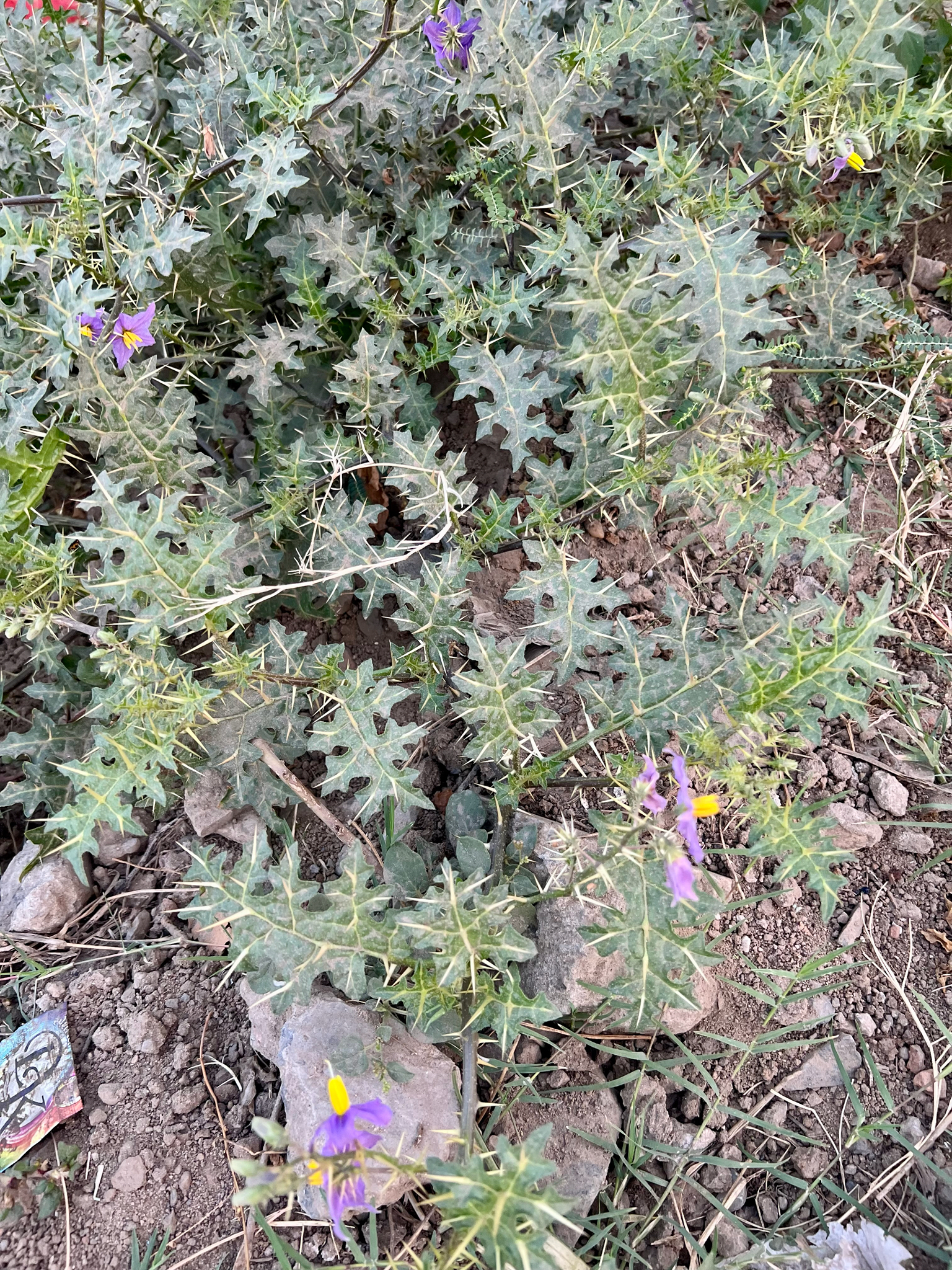
Surattense Nightshade
Solanum virginianum
☀️ Full Sun 💧 Low
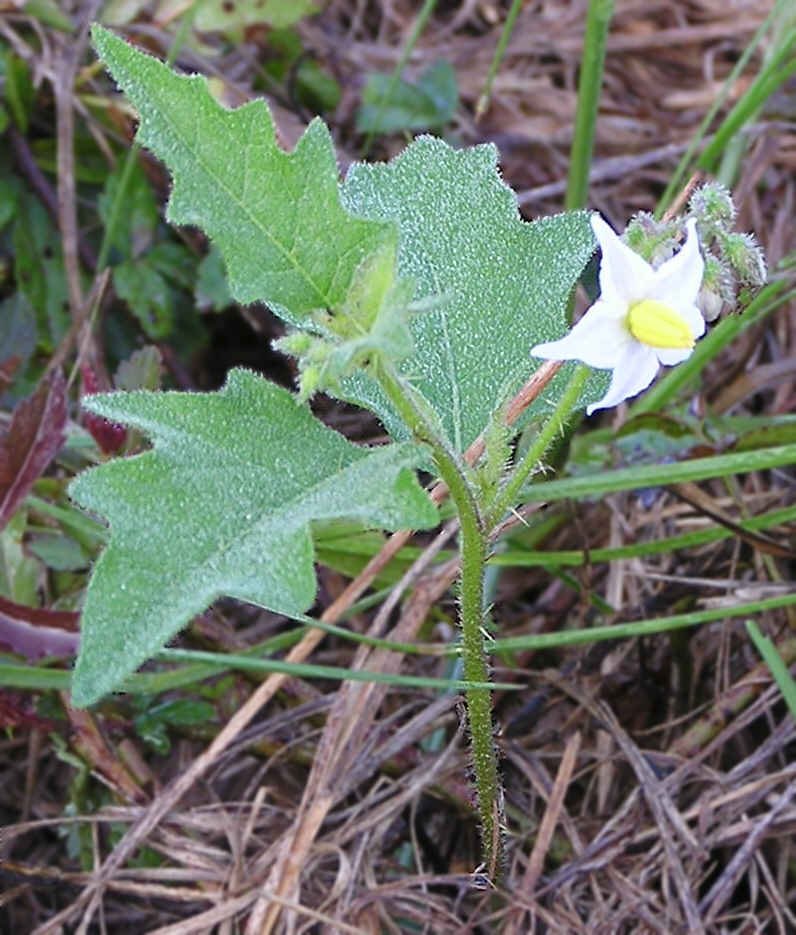
Carolina Horsenettle
Solanum carolinense
☀️ Full Sun 💧 Low

Eggplant
Solanum melongena
☀️ Full Sun 💧 Moderate

Black Nightshade
Solanum nigrum
☀️ Full Sun 💧 Moderate
American Black Nightshade
Solanum americanum
☀️ Full Sun 💧 Moderate

Tomato
Solanum lycopersicum
☀️ Full Sun 💧 Moderate