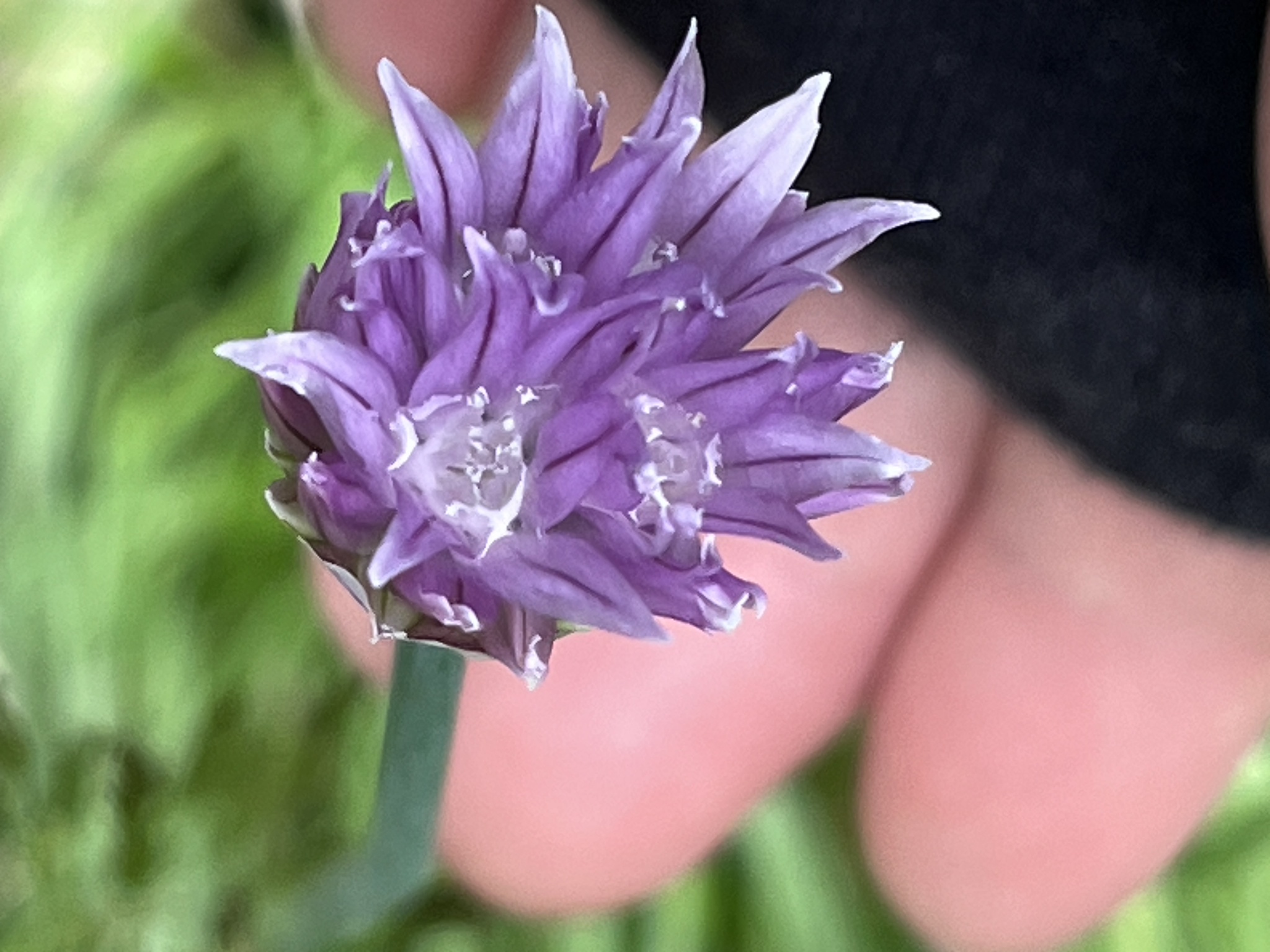
The onion (Allium cepa) is a staple biennial crop grown across the globe for its layered underground bulb. It belongs to the Amaryllidaceae family, sharing close ties with garlic (Allium sativum) and leek (Allium porrum).
You will need full sun and well-draining soil to achieve a solid harvest. Success depends heavily on matching your day-length variety to your local latitude.
Key Facts
- Light: Full sun
- Water: 2.5 cm (1 inch) weekly
- Soil: Loose, well-draining loam
- pH: 6.0 to 6.8
- Spacing: 10 cm (4 inches) apart
Why Grow Your Own Onion
Growing your own onion suits anyone with a sunny patch of earth who wants fresh, crisp produce with superior flavour to supermarket stock. The single most critical rule is choosing the correct day-length type for your region.
Short-day varieties form bulbs when daylight reaches 10 to 12 hours, making them ideal for southern latitudes. Long-day varieties require 14 to 16 hours of daylight, suiting northern gardeners. Intermediate types handle mid-range latitudes comfortably. Selecting the wrong type means your plants will grow tall green tops without forming any bulbs.
How to Identify Onion Plants
The onion features hollow, tubular blue-green leaves that emerge in a fan-like arrangement from a swollen basal plate. Mature bulbs measure between 5 cm to 10 cm (2 to 4 inches) across and are encased in papery outer skins coloured white, yellow, or red.
During the second year of growth, plants send up a sturdy, hollow scape that terminates in a round, ball-like umbel of small white or purplish flowers. The root system is shallow and fibrous, mostly confined to the top 30 cm (12 inches) of soil. Leaves contain strong sulfur compounds that release a pungent aroma when bruised.
Ideal Growing Conditions for Onions
Onions require at least 6 hours of direct sunlight daily to develop properly sized bulbs. Soil must be rich in organic matter, loose, and exceptionally well-draining to prevent bulb rot.
- Soil pH between 6.0 and 6.8 prevents nutrient lock-up
- Avoid high nitrogen fertilizers late in the season, which causes thick necks and poor storage
- Incorporate aged compost into beds two weeks prior to planting
- Ensure beds are free of large stones that can deform developing bulbs
When and How to Plant Onion Seeds and Sets
Plant onion seeds indoors 8 to 10 weeks before your last spring frost, or set out dormant onion sets directly in the garden as soon as the soil can be worked in early spring. Space sets 10 cm (4 inches) apart in rows spaced 30 cm (12 inches) apart.
- Push sets gently into loose soil so the tip sits just below the surface
- Plant seeds 1 cm (0.5 inches) deep and thin seedlings to 10 cm (4 inches) apart once they reach 15 cm (6 inches) tall
- Transplant purchased seedlings in early spring when night temperatures stay above -4 °C (25 °F)
- Water newly planted beds thoroughly to settle the soil around the roots
Watering and Care After Planting
Onions need consistent moisture throughout their bulbing phase, requiring roughly 2.5 cm (1 inch) of water weekly from rain or irrigation. Let the top 3 cm (1.2 inches) of soil dry slightly between watering sessions to discourage fungal diseases.
- Weed beds meticulously because shallow roots compete poorly with weeds
- Stop watering entirely when the tops begin to yellow and fall over naturally
- Apply a balanced organic fertilizer monthly until bulb enlargement begins
- Mulch lightly with straw to retain soil moisture during hot summer weeks
When and How to Harvest Onions
Harvest onions in late summer when 50 percent of the top growth has yellowed and fallen over on its own. Dig them up gently with a garden fork rather than pulling them by the stalks.
- Brush off loose soil from the roots without washing the bulbs
- Cure harvested bulbs in a warm, dry, shaded, and well-ventilated area for 2 to 4 weeks
- Trim roots to 2.5 cm (1 inch) and cut the foliage back to 5 cm (2 inches) once the outer skins are completely dry and papery
- Discard any bulbs with thick, soft necks as they will rot in storage
Culinary and Traditional Uses
Onions serve as a fundamental culinary base across global cuisines, adding savory depth to soups, stews, sauces, and roasts. Traditionally used in folk medicine, onion juice or poultices were applied to bee stings and minor skin irritations.
Modern commercial products utilize onion extracts in hair care formulations, specifically shampoos and oils marketed to reduce hair thinning. Raw slices provide vitamin C, dietary fiber, and various antioxidant compounds.
Common Onion Problems and Pests
Onion maggots and thrips are the primary pests that damage crops, while fungal rots plague wet soils. Rotate crop locations annually to break pest lifecycles and prevent soil-borne pathogen buildup.
- Thrips cause silvery patches on leaves; spray with insecticidal soap or neem oil
- White rot causes yellowing leaves and white fungal growth on roots; destroy infected plants immediately
- Downy mildew creates purplish fuzz on damp foliage; space plants wider to improve air circulation
- Bolting (premature flowering) occurs if young plants experience cold snaps below 10 °C (50 °F)
How to Store Onions Long-Term
Store cured onions in a cool, dry, dark, and well-ventilated space where temperatures remain between 4 to 10 °C (40 to 50 °F). Pungent storage varieties can last up to 8 months under these conditions.
- Place bulbs in mesh bags, wire baskets, or strung together by their dried tops
- Never store onions alongside potatoes, as the moisture and ethylene gas released by potatoes will cause both to spoil rapidly
- Check stored batches monthly and remove any sprouting or softening bulbs
- Keep sweet, high-water varieties separate in the refrigerator, as they only last a few weeks
Onion Care Through the Seasons
| Spring | Plant onion sets or indoor-started seedlings outdoors as soon as soil thaws. Weed frequently and apply a light side-dressing of balanced organic fertilizer. |
|---|---|
| Summer | Provide regular weekly watering until midsummer, then taper off as tops yellow. Watch for thrips and stop fertilizing once bulbs start swelling. |
| Autumn | Harvest mature bulbs once tops fall over. Cure them in a shaded, ventilated area before moving them to long-term storage. |
| Winter | Check stored onions monthly for signs of rot or sprouting. Order seeds or plan varieties for the upcoming spring planting calendar. |
Onion Leaf and Bulb Problems Explained
| What you see | Likely cause | What to do |
|---|---|---|
| Leaves turning yellow and dying early | Onion maggot larvae feeding on roots | Apply beneficial nematodes or use floating row covers early in the season. |
| Stalks flowering prematurely (bolting) | Exposure to cold temperatures after spring planting | Start seeds slightly later or cover young crops during unexpected spring cold snaps. |
| Soft, watery rot at the neck | Botrytis neck rot due to damp curing conditions | Cure bulbs in a warm, dry area with high airflow and avoid cutting green tops too close to the bulb. |
| Thick, thick-necked stems that won't cure | Excessive nitrogen or water late in the growing season | Withhold water and fertilizer during the final month before harvest. |
Popular Onion Cultivars to Grow
- ‘Yellow Granex’ – mild sweet flavour, standard southern short-day variety
- ‘Walla Walla’ – exceptionally sweet, cold-hardy long-day variety
- ‘Red Creole’ – pungent red bulb with excellent storage qualities
- ‘Stuttgarter’ – reliable yellow globe variety grown primarily from sets
- ‘Storage No. 4’ – dense golden bulbs designed to last up to 8 months
Frequently Asked Questions
How often should I water my onion plants?
Water onions once a week, providing about 2.5 cm (1 inch) of moisture. Increase frequency during dry summer spells, but stop watering entirely two weeks before harvest.
What is the difference between an onion and a shallot?
Shallots (Allium cepa var. aggregatum) grow in clustered bulbs like garlic rather than forming a single large bulb like common onions. Shallots also possess a milder, sweeter garlic-onion taste.
How do you use onion oil and shampoo for hair care?
Commercial onion hair products are massaged into the scalp to nourish hair follicles and reduce breakage. They use filtered onion extracts to minimize the strong sulfur smell.
Are onions toxic to dogs and cats?
Yes, onions are toxic to dogs and cats. They contain compounds that damage red blood cells and lead to severe anemia.
Why is my onion plant producing flowers instead of bulbs?
Bolting occurs when young plants experience prolonged cold temperatures below 10 °C (50 °F). To prevent this, plant your sets or seedlings at the correct spring window.
Information about traditional or historical uses is provided for educational interest only and is not medical advice. Do not use any plant to treat a condition without speaking to a qualified professional.
Sources & Verification
Taxonomy and distribution are checked against the databases below. Care guidance is written for cultivated species only and reviewed by our editor. How We Build Plant Profiles →