Allium Species and Varieties: Edible and Ornamental Alliums
22 plant profiles · Learn about the Allium genus, including edible crops like garlic and leeks, alongside ornamental cultivars. Discover hardiness, care, and varieties.
The genus Allium includes over 900 species of bulbous perennials and biennials native primarily to temperate regions across the Northern Hemisphere. Members of this Amaryllidaceae family range from essential kitchen crops to architectural border perennials. They are characterized by linear leaves, true subterranean bulbs or thickened rhizomes, and distinct umbels of star-shaped flowers ranging from white and yellow to deep purple.
Selecting the right species depends on whether your goal is culinary harvest or summer color. Edible crops like garlic (Allium sativum), onion (Allium cepa), shallot (Allium ascalonicum), and leek (Allium ampeloprasum) require rich, loose soil and consistent moisture during their vegetative stage. Herbaceous species like chives (Allium schoenoprasum) and garlic chives (Allium tuberosum) produce edible foliage and flowers in compact clumps suited for containers or border edges.
Ornamental species bring architectural height and late-spring color to garden beds. Giant onion (Allium giganteum) produces spherical purple flower heads up to 15 cm (6 in) across on 1.5 m (5 ft) stems, while wild garlic (Allium ursinum) thrives in damp, shaded woodland settings. All members contain volatile sulfur compounds that naturally deter deer and rabbits, making them reliable choices for exposed landscapes across USDA hardiness zones 3 through 9.

Autumn Onion
Allium stellatum

Blue Allium
Allium caeruleum
☀️ Full Sun 💧 Low

Chinese Onion
Allium chinense
☀️ Full Sun 💧 Moderate
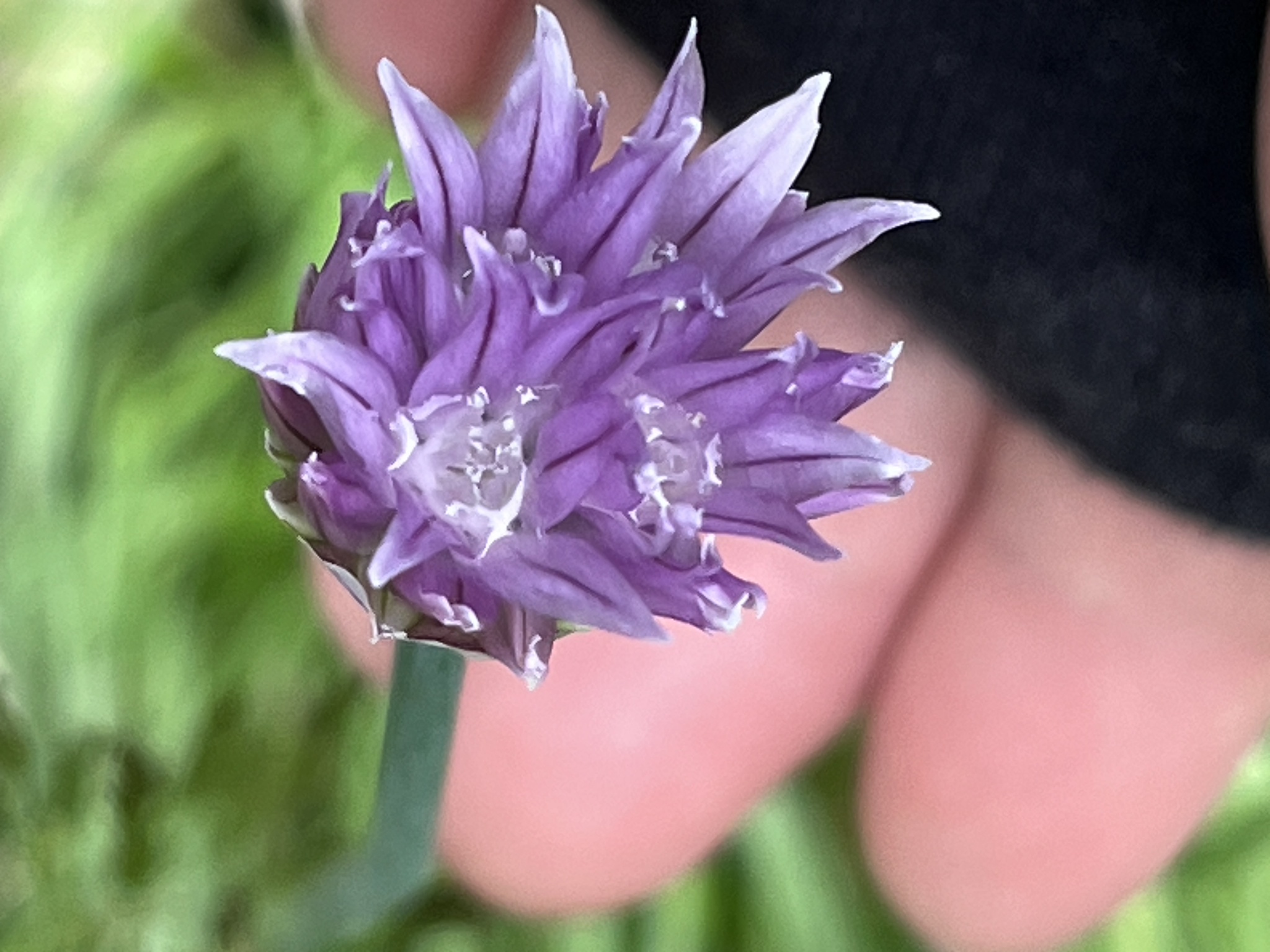
Chives
Allium schoenoprasum
☀️ Full Sun 💧 Moderate

Field Garlic
Allium oleraceum

Garlic
Allium sativum
☀️ Full Sun 💧 Moderate

Garlic Chives
Allium tuberosum
☀️ Full Sun 💧 Moderate

Giant Onion
Allium giganteum
☀️ Full Sun 💧 Moderate

Keeled Garlic
Allium carinatum
☀️ Full Sun 💧 Low

Leek
Allium ampeloprasum
☀️ Full Sun 💧 Moderate

Lily Leek
Allium moly
☀️ Full Sun 💧 Low

Mouse Garlic
Allium angulosum
☀️ Full Sun 💧 High
Neapolitan Garlic
Allium neapolitanum
☀️ Full Sun 💧 Moderate

Onion
Allium cepa
☀️ Full Sun 💧 Moderate

Rosy Garlic
Allium roseum
☀️ Full Sun 💧 Low

Shallot
Allium ascalonicum
☀️ Full Sun 💧 Moderate

Star of Persia
Allium cristophii
☀️ Full Sun 💧 Low

Three-Cornered Garlic
Allium triquetrum

Twisted-Leaf Garlic
Allium obliquum
☀️ Full Sun 💧 Low

Victory Onion
Allium victorialis

Welsh Onion
Allium fistulosum
☀️ Full Sun 💧 Moderate

Wild Garlic
Allium ursinum
☀️ Partial Shade 💧 Moderate
Common Questions
Are all Allium plants edible?
While almost all Allium species are non-toxic to humans, ornamental varieties are often unpalatable and may be treated with systemic pesticides. Stick to established culinary species like garlic, onions, and chives sourced from vegetable seed suppliers.
Are Allium plants toxic to pets?
Yes, all members of the Allium genus are toxic to cats and dogs. They contain thiosulfates that cause oxidative damage to red blood cells, which can lead to anemia if ingested in sufficient quantities.
When should you plant Allium bulbs?
Plant spring-blooming ornamental bulbs and garlic in autumn, 4 to 6 weeks before the ground freezes. Soil temperatures between 10–15 °C (50–60 °F) encourage root growth before winter dormancy.
Do Allium plants come back every year?
Most Allium species are hardy perennials that return every year in USDA zones 3 to 9. Bulbing crops like garlic and storage onions are treated as annuals and harvested at the end of their growing season.