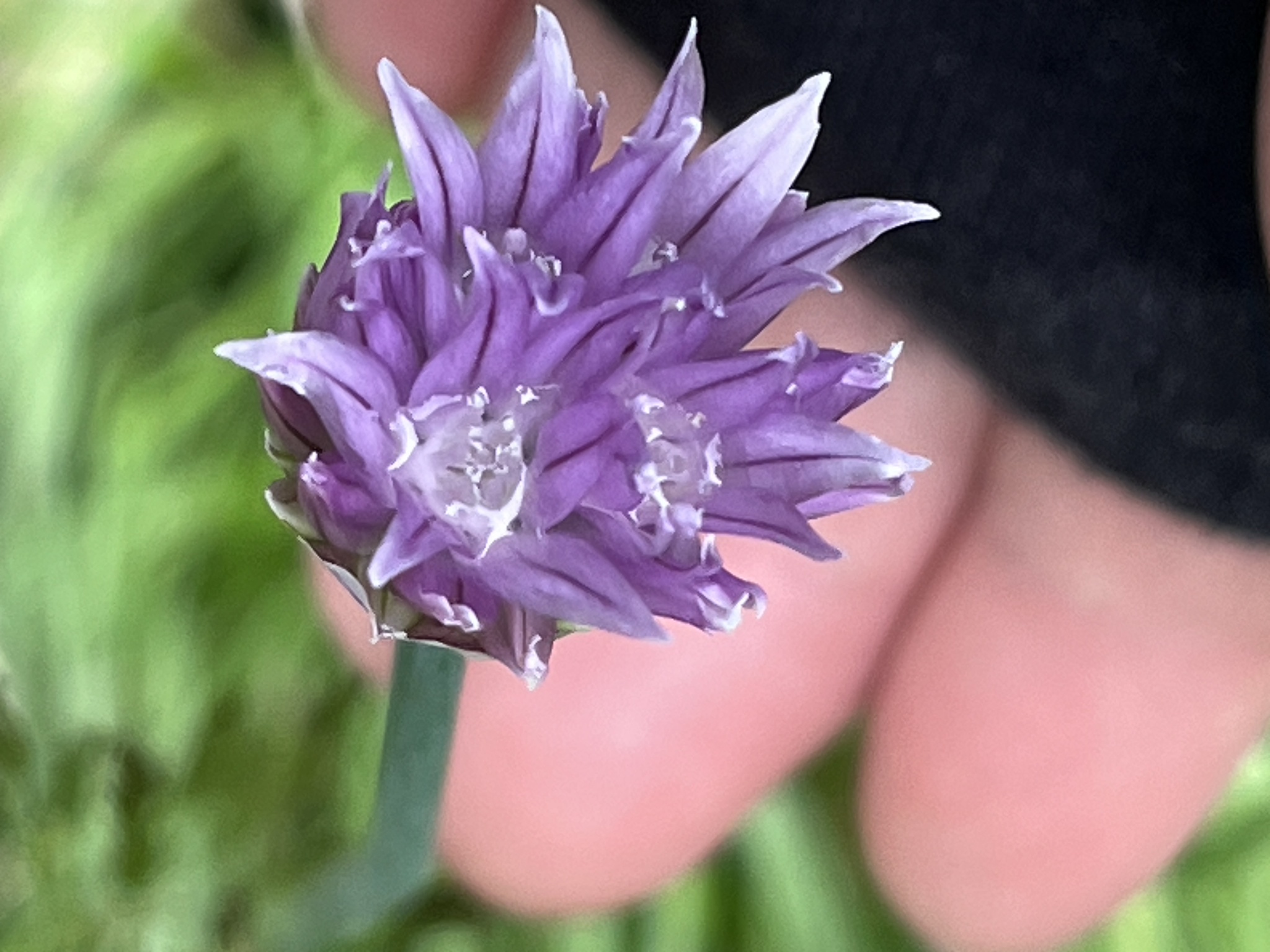
Rosy Garlic (Allium roseum) is a perennial bulb native to the Mediterranean region, known for its loose clusters of pale pink bell-shaped flowers. It grows wild across sunny hillsides in southern Europe, North Africa, and Western Asia.
This species reaches 30-60 cm (12-24 in) in height and yields edible leaves and bulbs with a mild garlic flavour. It naturalises rapidly via underground bulblets and aerial seed heads if flower clusters are left unpruned in midsummer.
Key Facts
- Light: Full sun with at least 6 hours daily
- Water: Low; allow soil to dry between waterings
- Height: 30-60 cm (12-24 in) tall
- Hardiness: USDA zones 6-10 down to -15 °C (5 °F)
- Bloom: Late spring to early summer pink umbels
Where Rosy Garlic Fits in Your Garden
Rosy Garlic thrives in sunny gravel gardens, Mediterranean beds, and naturalised cottage borders where soil drains freely.
Native to coastal and inland regions of southern Europe, this perennial bulb withstands summer drought once established. It reaches a height of 30-60 cm (12-24 in) and spreads fast enough to fill gaps between spring bulbs and summer perennials.
If planted in overly damp soil, the bulbs rot during summer dormancy. It suits informal gardens where self-seeding is welcomed rather than strictly manicured beds.
Identifying Rosy Garlic: Flowers, Height, and Leaves
You can identify Rosy Garlic by its 30-60 cm (12-24 in) upright stems topped with loose umbels of 10 to 30 pale pink or white flowers that open in May and June.
The basal foliage consists of 2 to 4 flat, linear leaves measuring 10-25 cm (4-10 in) long and up to 10 mm (0.4 in) wide. When crushed, all parts of the foliage emit a distinct garlic aroma.
Key features of Allium roseum include:
- Flower umbel: Loose, 4-7 cm (1.6-2.8 in) wide, carrying pink or off-white bell-shaped flowers, often mixed with small bulbils.
- Stems: Smooth, cylindrical, unbranched stems rising 30-60 cm (12-24 in) high.
- Bulb: Ovoid subterranean bulb 1-2 cm (0.4-0.8 in) across, surrounded by yellow-brown tunic layers and small offset bulblets.
- Foliage: Leaves wither away as the flowers fade in early midsummer.
Sun and Soil Requirements for Rosy Garlic
Rosy Garlic requires full sun with at least 6 hours of direct light daily and sharply draining soil with a pH between 6.0 and 7.5.
Heavy clay soils hold winter moisture that rots the underground bulbs during dormancy. Mixing horticultural grit or coarse sand into clay soils to a depth of 20 cm (8 in) improves drainage for healthy root growth.
In northern climates like the UK, select a south-facing or west-facing border against a wall to shelter the foliage from harsh spring frosts.
Planting Rosy Garlic Bulbs and Seeds
Plant Rosy Garlic bulbs in autumn at a depth of 8-10 cm (3-4 in) and spaced 10 cm (4 in) apart.
For fall bulb planting, set the pointed tip of the bulb facing upward in light, sandy soil. Sowing seeds directly in spring takes 2 to 3 years to reach flowering maturity, whereas autumn-planted bulbs bloom the following May.
Follow these steps when planting out Rosy Garlic:
- Dig a shallow trench or individual holes 8-10 cm (3-4 in) deep.
- Add a 2 cm (0.8 in) layer of coarse horticultural grit to the base of each hole for drainage.
- Place bulbs pointed side up, 10 cm (4 in) apart.
- Backfill with soil, press down gently, and water thoroughly once.
Watering and Feeding
Water Rosy Garlic once every 10 to 14 days during active spring growth, then cease watering entirely once foliage turns yellow in summer.
Overwatering during summer dormancy causes bulb decay in USDA hardiness zones 6 through 10. Natural spring rainfall usually supplies sufficient moisture without supplemental hose watering.
Apply a low-nitrogen, high-potassium fertilizer once in early April when green shoots emerge to encourage flower cluster production.
Pruning, Harvesting, and Controlling Invasive Spread
Prevent Rosy Garlic from becoming invasive by cutting off flower heads before seed heads and aerial bulbils mature in July.
In mild, damp maritime climates such as parts of the UK, aerial bulbils drop and form dense colonies that displace smaller alpine plants. Cutting spent stems keeps plantings contained.
To harvest for culinary use:
- Snip tender spring leaves in April and May for a mild garlic flavor.
- Lift bulbs in autumn after foliage has dried completely.
- Rinse and chop leaves into salads, butter, or pestos as you would chives (Allium schoenoprasum).
- Wash bulbs and cook them whole or crushed in soups and stir-fries.
How to Propagate Rosy Garlic
Propagate Rosy Garlic by separating offset bulblets from mature bulbs in autumn or harvesting aerial bulbils from spent flower stems in midsummer.
Offset bulblets detached from the parent bulb flower in their second year. Sow mature aerial bulbils 2 cm (0.8 in) deep in containers filled with gritty seed compost during autumn.
Seeds require cold stratification at 4 °C (39 °F) for 4 to 6 weeks to break dormancy before germinating at 15-18 °C (59-64 °F) in spring.
Winter Care and Hardiness
Rosy Garlic is hardy down to -15 °C (5 °F), corresponding to USDA hardiness zones 6 through 10.
Dormant bulbs tolerate freezing ground temperatures provided the soil remains dry. In cold regions with wet winter soil, spread a 5 cm (2 in) mulch layer of dry gravel or straw over the bed.
Potted specimens require shelter from prolonged freezing to protect containerized roots from temperature swings.
Common Rosy Garlic Pests and Diseases
The most common threat to Rosy Garlic is onion white rot caused by the soil-borne fungus Stromatinia cepivora, which decays the bulb base.
Allium leaf miner larvae can tunnel through foliage in late spring, creating white streaks along the leaves. Downy mildew occurs in damp, crowded plantings with poor air circulation.
Watch for these symptoms:
- Yellowing foliage in early spring: Indicates onion white rot or root waterlogging.
- White patches on leaves: Caused by downy mildew fungal infection.
- Distorted leaf tips: Damage from allium leaf miner feeding.
- Discolored rotting bulbs: Stem and bulb nematode infestation.
Year-Round Rosy Garlic Care
| Spring | Water every 10 to 14 days if rainfall is low. Apply a balanced low-nitrogen fertilizer in early April as new shoots emerge. |
|---|---|
| Summer | Deadhead spent flower umbels in June or July before aerial bulbils drop. Stop watering completely when leaves turn brown. |
| Autumn | Divide dense bulb clusters and replant offsets 8-10 cm (3-4 in) deep. Plant new bulbs before ground freezes. |
| Winter | Keep dormant bulb beds dry. Apply a 5 cm (2 in) gravel layer over wet soils in cold zones. |
Rosy Garlic Troubleshooting Guide
| What you see | Likely cause | What to do |
|---|---|---|
| Yellow foliage in mid-spring | Waterlogged soil or onion white rot fungus | Improve bed drainage with horticultural grit and avoid overwatering. |
| White powder on leaf surfaces | Downy mildew fungal infection | Space plants 10 cm (4 in) apart to increase airflow around leaves. |
| Failure to bloom | Shady location or overcrowding | Move bulbs to full sun and divide dense colonies in autumn. |
| Uncontrolled spreading in borders | Self-seeding and fallen aerial bulbils | Trim off fading flower clusters before seed heads develop. |
Rosy Garlic Cultivars
- ‘Grandiflorum’ – larger pale pink flowers up to 10 mm (0.4 in) long
- ‘Bulbiferum’ – produces abundant aerial bulbils within the flower umbels
Best Companion Plants for Rosy Garlic
Pair Rosy Garlic with drought-tolerant perennials like English lavender (Lavandula angustifolia) and Dutch iris (Iris × hollandica) that share its light and water requirements.
Low-growing groundcovers like wild thyme (Thymus serpyllum) help hide yellowing allium foliage as it dies back in early summer. Plant alongside drumstick allium (Allium sphaerocephalon) to extend the flowering sequence through July.
Avoid planting near damp shade lovers like ramsons (Allium ursinum), which prefer moisture levels that cause Rosy Garlic bulbs to rot.
Frequently Asked Questions
Is Rosy Garlic edible?
Yes, all parts of Rosy Garlic including leaves, flowers, and bulbs are edible, featuring a mild garlic and leek flavor. Leaves can be eaten raw in salads or cooked into soups.
Is Rosy Garlic invasive in UK gardens?
It can spread rapidly via self-seeding and aerial bulbils in mild UK climates. Cutting flower heads right after bloom prevents unwanted spreading in borders.
How tall does Allium roseum grow?
Allium roseum grows to a mature height of 30 to 60 cm (12 to 24 in) with flower umbels spanning 4 to 7 cm (1.6 to 2.8 in) across.
What is the difference between Rosy Garlic and wild garlic?
Rosy Garlic (Allium roseum) produces pink bell-shaped flowers and prefers dry sunny sites, whereas wild garlic (Allium ursinum) bears white star-shaped blooms in damp, shady woodlands.
Is Rosy Garlic toxic to dogs and cats?
Yes, Rosy Garlic contains thiosulphates that are toxic to cats and dogs if ingested, causing gastrointestinal distress and potential red blood cell damage.
Information about traditional or historical uses is provided for educational interest only and is not medical advice. Do not use any plant to treat a condition without speaking to a qualified professional.
Sources & Verification
Taxonomy and distribution are checked against the databases below. Care guidance is written for cultivated species only and reviewed by our editor. How We Build Plant Profiles →