Guide to Edible Plants: Profiles, Care, and Identification
630 plant profiles · Explore 479 edible plant profiles, from annual grains and leafy greens to perennial fruit trees and berries for gardens and containers.
Edible plants encompass a vast range of species that yield energy-dense grains, nutrient-rich foliage, roots, and fruits suitable for human consumption. This category spans fast-growing annual crops like maize (Zea mays) and drought-tolerant grains like fonio (Digitaria exilis), as well as temperate fruiting shrubs such as the redcurrant (Ribes rubrum). While their light, water, and soil requirements vary by native origin, all edible species require clean soil free from urban contaminants and consistent moisture during active harvest windows.
Selecting the right edible species depends on your hardiness zone, available space, and desired harvest timeframe. Fast-growing greens like miner's lettuce (Claytonia perfoliata) and perennial herbs like French sorrel (Rumex scutatus) thrive in small garden beds and cool climates. Broad-leaf fruit trees like the mandarin orange (Citrus reticulata) require winter temperatures above 10 °C (50 °F) or large mobile pots, whereas temperate evergreens like the strawberry tree (Arbutus unedo) survive down to -12 °C (10 °F) in open ground.
Successful growth relies on meeting specific lighting and soil pH requirements. Fruiting species typically require 6 to 8 hours of direct sunlight daily to synthesise sugars, while leafy greens tolerate partial shade with 3 to 4 hours of sun. Correct botanical identification remains vital when cultivating or foraging non-standard species to prevent accidental ingestion of toxic lookalikes.

Achacha
Garcinia humilis
☀️ Full Sun 💧 High

Adzuki Bean
Vigna angularis
☀️ Full Sun 💧 Moderate
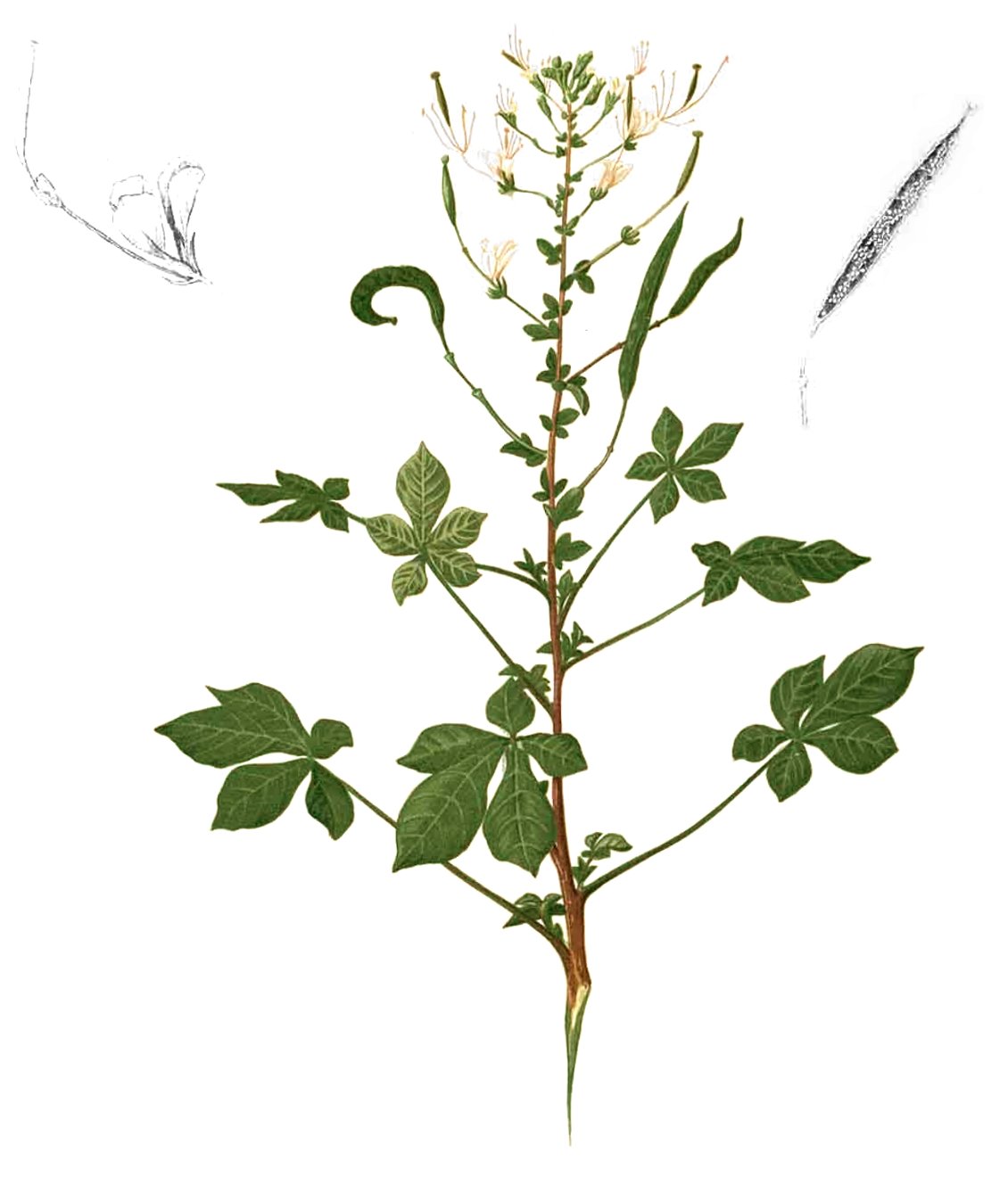
African Cabbage
Gynandropsis gynandra
☀️ Full Sun 💧 Moderate

African Eggplant
Solanum aethiopicum
☀️ Full Sun 💧 Moderate
African Lettuce
Launaea taraxacifolia
☀️ Full Sun 💧 Moderate

African Potato
Coleus esculentus
☀️ Full Sun 💧 Moderate
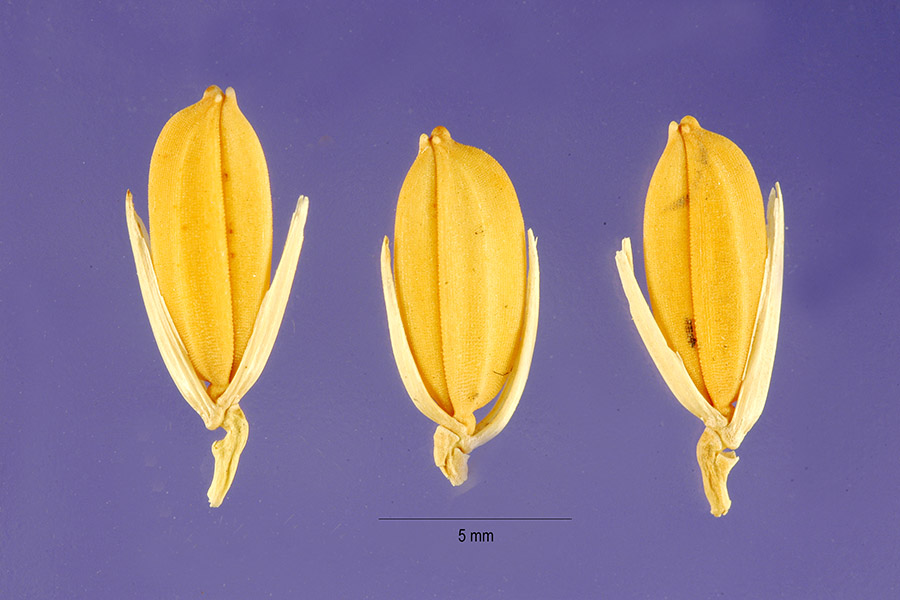
African Rice
Oryza glaberrima
☀️ Full Sun 💧 High

Agati
Sesbania grandiflora
☀️ Full Sun 💧 High

Air Potato
Dioscorea bulbifera
☀️ Full Sun 💧 Moderate

Aizoon Stonecrop
Phedimus aizoon
☀️ Full Sun 💧 Low

Aji Pepper
Capsicum baccatum
☀️ Full Sun 💧 Moderate
Ajwain
Trachyspermum ammi
☀️ Full Sun 💧 Moderate

Alfalfa
Medicago sativa
☀️ Full Sun 💧 Low

Allegheny Chinquapin
Castanea pumila
☀️ Full Sun 💧 Low
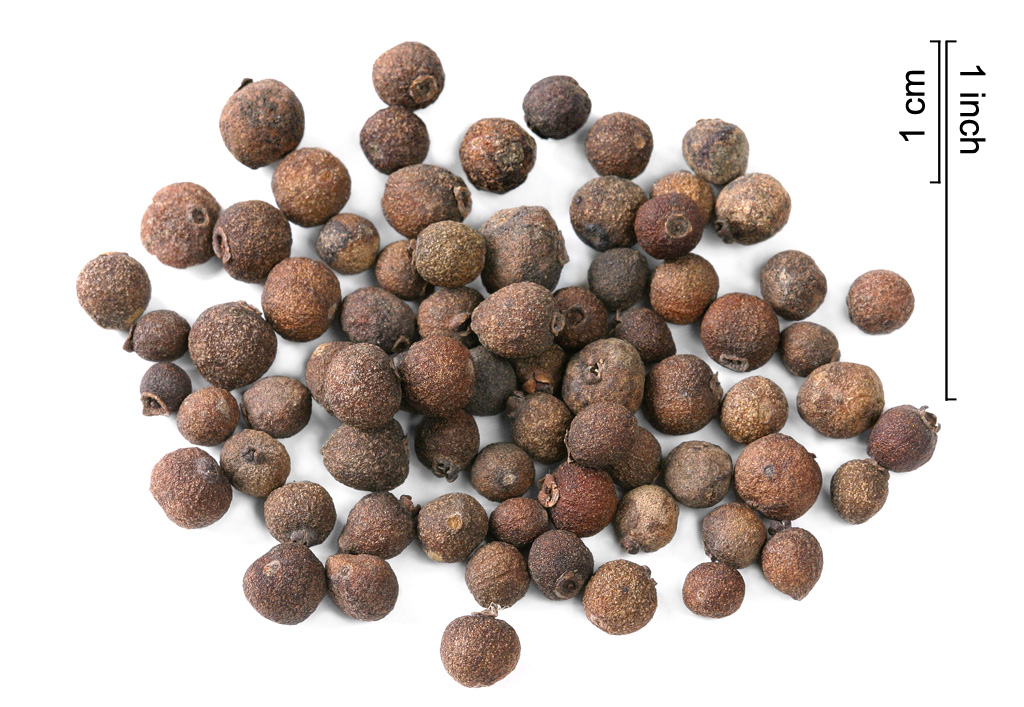
Allspice
Pimenta dioica
☀️ Full Sun 💧 Moderate

Almond-Leaved Pear
Pyrus spinosa
Alpine Bistort
Bistorta vivipara
☀️ Full Sun 💧 High

Alpine Blue Sow-Thistle
Cicerbita alpina
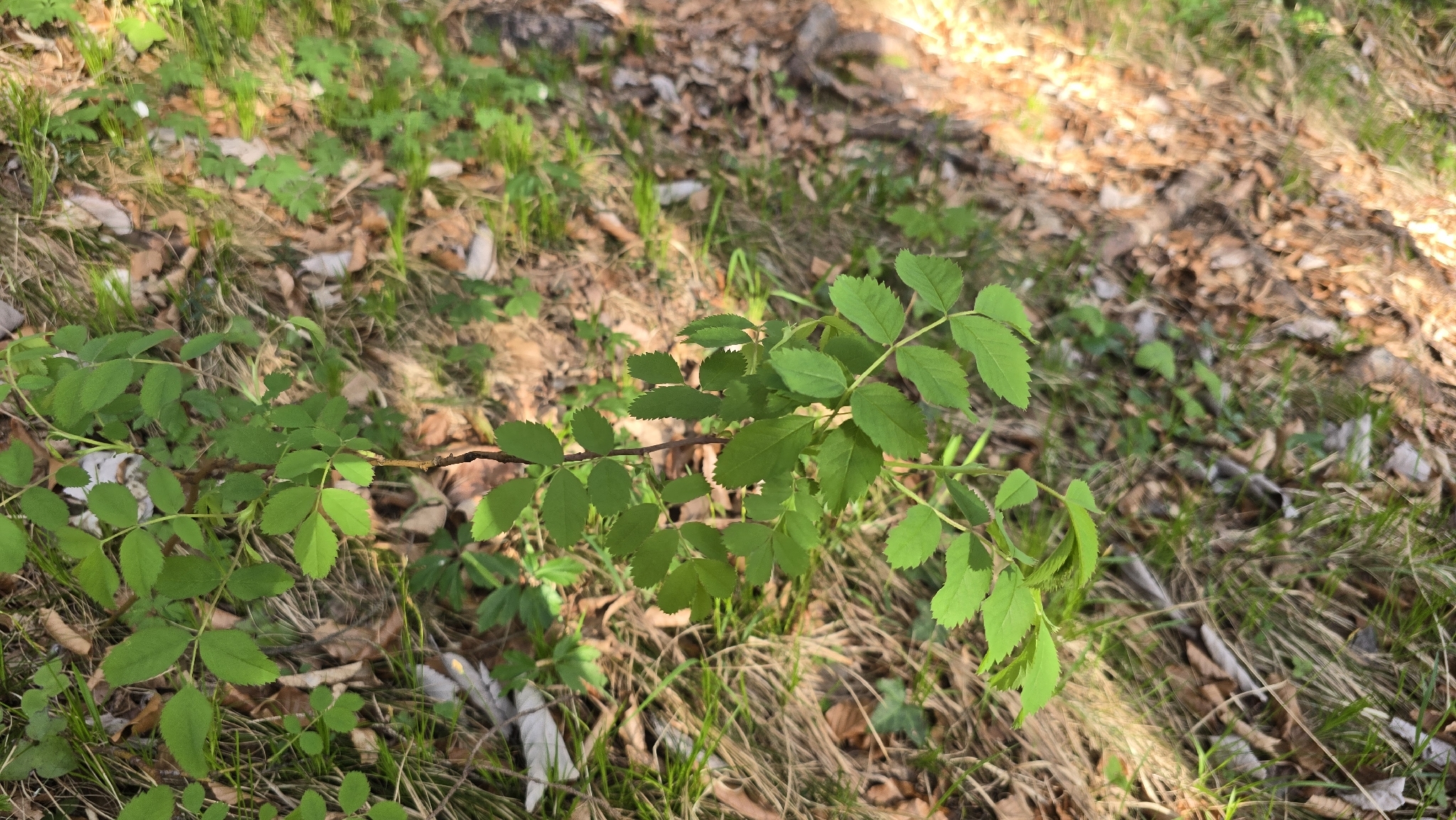
Alpine Rose
Rosa pendulina
☀️ Partial Sun 💧 Moderate

Alyce Clover
Alysicarpus vaginalis
☀️ Full Sun 💧 Moderate

American Black Currant
Ribes americanum
☀️ Partial Sun 💧 Moderate

American Chestnut
Castanea dentata
☀️ Full Sun 💧 Moderate
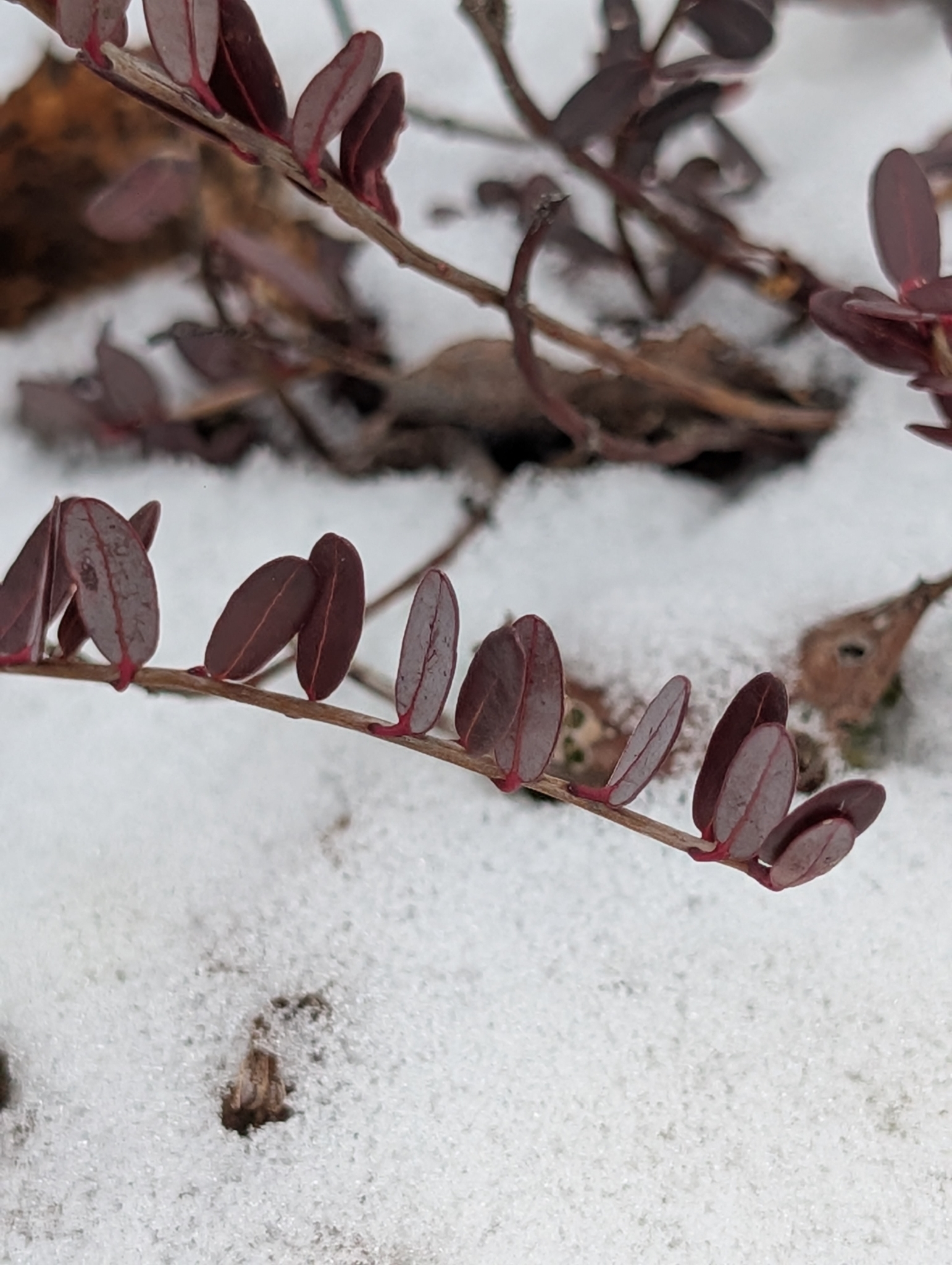
American Cranberry
Vaccinium macrocarpon
☀️ Full Sun 💧 High

American Elderberry
Sambucus canadensis
☀️ Full Sun 💧 High
Common Questions
Which edible plants are easiest to grow for beginners?
Leafy greens like miner's lettuce and perennial herbs like French sorrel are the easiest edible plants to grow because they yield continuous harvests with minimal soil preparation.
How much sunlight do edible plants require?
Most fruiting and grain-producing edible plants require at least 6 hours of direct sunlight daily to produce harvests, whereas foliage crops tolerate partial shade.
Can you grow edible plants in containers?
You can grow many edible plants in containers, provided the pot holds at least 10 to 20 litres (2.5 to 5 gallons) of potting medium for dwarf trees and has adequate drainage holes.
What is the difference between annual and perennial edible plants?
Annual edible plants complete their lifecycle in one growing season and require re-sowing each spring, whereas perennial edible plants return each year from permanent roots.