

Garlic (Allium sativum) is a pungent, bulb-forming perennial crop native to Central Asia and northeastern Iran. It produces compound bulbs composed of individual cloves wrapped in thin, papery tunics.
This crop requires an extended overwintering chill below 7 °C (45 °F) to stimulate proper clove differentiation, making autumn planting the standard schedule across temperate climates.
Key Facts
- Planting depth: 5 cm (2 in) deep, pointed end upward
- Plant spacing: 15 cm (6 in) apart within rows
- Sunlight: Full sun, at least 6 hours daily
- Soil pH: 6.0 to 7.0 in free-draining loam
- Harvest cue: When bottom 3 to 4 leaves turn brown
- Storage life: 4 to 9 months depending on variety
Is Garlic Right for Your Garden?
Garlic suits any home vegetable grower with full sunlight and well-draining soil, requiring almost nine months in the ground from autumn planting to midsummer harvest.
Because the crop occupies garden bed space across three distinct seasons, you must plan your rotation around its slow progress. It will not tolerate waterlogged ground, where standing water causes the cloves to rot before winter ends.
Gardeners with tight space often insert cloves along sunny border edges or in raised beds at least 25 cm (10 in) deep. It is an undemanding crop once cold weather sets in, making it an excellent winter investment for patient growers.
How to Identify Garlic Plants
Garlic produces flat, strap-like leaves that fold along a central keel, differentiating it from round, hollow onion foliage.
Mature plants reach 45–90 cm (18–36 in) in height with an upright habit. Hardneck varieties (Allium sativum var. ophioscorodon) send up a round, rigid central flower stem known as a scape, which curls in a distinctive 360-degree loop before straightening.
Softneck types (Allium sativum var. sativum) produce pliable vegetative tops without a central wooden stem. Underground, a single garlic head spans 4–7 cm (1.5–2.8 in) across, enclosing 4 to 20 individual cloves beneath white, purple, or rose-tinged parchment skins.
Soil and Sunlight Requirements for Garlic
Garlic requires full sun and loose, fertile soil with a pH between 6.0 and 7.0 to reach maximum bulb diameter.
Heavy clay soils restrict bulb expansion and trap winter moisture, which leads to basal rot. Amend heavy plots with 5–8 cm (2–3 in) of well-rotted garden compost or coarse horticultural grit before planting.
- Light exposure: Minimum 6 to 8 hours of direct, unfiltered sunlight daily.
- Drainage: High porosity; standing surface water kills roots within 48 hours.
- Soil texture: Sandy loam or compost-enriched silt loam is preferred.
- Bed depth: At least 20 cm (8 in) of uncompacted topsoil.
When and How to Plant Garlic Cloves
Plant unpeeled cloves 3 to 6 weeks before the first hard autumn frost, usually between late September and mid-November in temperate zones.
Break the bulb into separate cloves right before planting, keeping the protective papery wrapper intact on each piece. Discard bruised or diseased cloves and select only the largest outer cloves for seed, as clove mass directly correlates with final bulb yield.
- Place cloves pointed tip facing upward and flat basal plate facing downward.
- Bury cloves 5 cm (2 in) deep in mild climates, or up to 8 cm (3 in) deep where winters are severe.
- Space individual cloves 15 cm (6 in) apart in rows spaced 30 cm (12 in) apart.
- Top beds immediately with a 10 cm (4 in) layer of clean wheat straw, shredded leaves, or grass clippings.
Watering, Feeding, and Spring Garlic Care
Garlic care in spring centres on consistent moisture of 2.5 cm (1 in) per week and supplemental nitrogen feeding as active vegetative growth resumes.
Apply a balanced organic fertiliser or diluted fish emulsion once daytime temperatures consistently exceed 10 °C (50 °F) in March or April. Repeat this feeding three weeks later to build broad, healthy foliage before bulb formation begins.
- Weed beds meticulously by hand, as shallow garlic roots compete poorly with aggressive weeds.
- Snip off hardneck garlic scapes at the base as soon as they form their first curl in late spring; removing them diverts photosynthetic energy downward into the swelling bulbs.
- Withhold all supplemental irrigation 2 to 3 weeks before harvest to let the soil dry and allow the protective wrappers to cure cleanly.
When and How to Harvest Garlic
Lift garlic bulbs when the bottom 3 to 4 leaves have turned yellow and brown, leaving 4 to 5 green leaves remaining at the top of the stem.
Each green leaf corresponds to an intact protective wrapper layer around the subterranean bulb. If you harvest too early, the skins are thin and the cloves do not store; waiting until the entire plant browns causes wrappers to split open in the earth, leaving bare cloves vulnerable to fungal infection.
Loosen the soil 15 cm (6 in) away from the stem using a garden fork before lifting. Never pull garlic forcefully by the stem, as breaking the neck allows pathogens direct access to the bulb core.
Garlic Care After Harvest and Long-Term Storage
Proper garlic care after harvest requires curing the whole plants for 2 to 4 weeks in a warm, dry, shaded location with constant airflow.
Hang bundles of 5 to 10 stems out of direct sunlight, or spread them in a single layer over wire drying racks at 20–25 °C (68–77 °F). Good curing dries the outer skins into protective parchment and seals the central stem tissue against decay.
- After the roots feel like stiff wire bristles and the stems dry completely brown, trim roots to 1 cm (0.4 in) and cut stems 3 cm (1.2 in) above the bulb.
- Store softneck types loose in slatted crates or woven into decorative braids.
- Maintain a storage temperature of 13–15 °C (55–60 °F) with 50–60% relative humidity; never store raw garlic heads in the refrigerator, as cold temperatures below 10 °C (50 °F) break bulb dormancy and stimulate premature sprouting.
Culinary Uses and Making Garlic Powder
Garlic is prepared fresh, roasted whole, or dehydrated and ground into homemade garlic powder for extended culinary preservation.
In the kitchen, crushed cloves release allicin, an organosulfur compound responsible for the signature pungency. The tender flower scapes harvested in early summer offer a mild flavour and can be sautéed, puréed into herb pestos, or pickled in brine.
To make garlic powder, slice peeled cloves thinly and dehydrate them at 52 °C (125 °F) until crisp and brittle, typically taking 8 to 12 hours. Pulverise the dried slices in a spice grinder and seal the powder in an airtight glass jar away from direct light to retain full aromatic potency.
Common Garlic Pests and Diseases
The most destructive threat to garlic crops is allium white rot, a soil-borne fungus that stunts foliage and rots the basal plate.
Avoid growing garlic, onions (Allium cepa), or leeks (Allium ampeloprasum) in the same soil patch more than once every four years. Always purchase certified disease-free seed stock rather than planting grocery store heads that may harbour hidden latent viruses.
- Allium leaf miner: Tiny fly larvae create puncture trails in leaves; protect beds with lightweight floating row covers throughout spring flight periods.
- Garlic rust: Bright orange fungal pustules erupt on leaves during humid, overcast weather; space plants widely to maintain airflow.
- Stem and bulb nematode: Microscopic worms cause swollen, twisted leaves and soft, disintegrating roots; destroy affected plants immediately.
Year-Round Garlic Care
| Spring | Drench emerging beds with a high-nitrogen organic feed once shoots reach 15 cm (6 in). Keep beds meticulously weed-free by hand, water 2.5 cm (1 in) weekly during dry spells, and cut curling hardneck scapes by early June. |
|---|---|
| Summer | Stop watering roughly two weeks before harvest when lower leaves begin yellowing. Fork up mature bulbs in July, brush off loose soil without washing with water, and cure the whole plants in a dry, ventilated shed for three weeks. |
| Autumn | Test bed soil pH and incorporate compost. Separate seed bulbs into individual cloves 24 hours before planting, bury them 5 cm (2 in) deep pointed tip up, and mulch beds with 10 cm (4 in) of clean straw before hard freezing. |
| Winter | Monitor winter mulch layers and replenish loose straw if strong winds displace cover. Inspect stored cured bulbs monthly in the pantry, discarding any soft, shrivelled, or prematurely sprouted heads. |
Garlic Pests and Growing Problems
| What you see | Likely cause | What to do |
|---|---|---|
| Yellowing foliage tips in early spring | Nitrogen deficiency or cold, waterlogged winter soil | Apply a liquid fish emulsion feed and verify that bed drainage allows water to percolate away from roots. |
| Fluffy white fungal growth on root plate | Allium white rot (Stromatinia cepivora) | Dig up and bin infected plants with surrounding soil; do not replant any alliums in that location for eight years. |
| Orange or reddish pustules across leaf blades | Garlic rust (Puccinia allii) | Strip away heavily infected outer leaves, eliminate overhead watering, and increase spacing between rows to dry foliage. |
| Hardneck stems produce flowers instead of bulb swelling | Unclipped flower scapes draining energy from the root | Snip off curling scapes immediately at their stem emergence point so the plant channels carbohydrates into bulb development. |
| Bulbs split open into loose, unshielded cloves | Harvesting too late after foliage has completely died back | Lift the crop promptly next season when 4 to 5 upper leaves remain green, and consume split bulbs first. |
Hardneck vs Softneck Garlic Varieties
- ‘Music’ – cold-hardy porcelain hardneck producing 4–6 very large, pungent cloves
- ‘Chesnok Red’ – purple-striped hardneck prized for roasting and sweet cooked flavor
- ‘Inchelium Red’ – large softneck artichoke type with mild taste and 8-month storage life
- ‘Silver White’ – dependable silverskin softneck variety suited for braiding and long keeping
- ‘German Extra Hardy’ – robust porcelain type that withstands sub-zero winter soil freezes
Frequently Asked Questions
What are the benefits of garlic care capsules and supplements?
Garlic extracts and concentrated capsules were traditionally used to support cardiovascular health and blood pressure regulation. These supplements deliver standardised allicin derivatives without raw garlic breath, though clinical efficacy varies between commercial preparations.
Can you plant garlic bought from the grocery store?
You can plant supermarket garlic, but it rarely thrives because commercial supermarket bulbs are often treated with sprout inhibitors and may introduce soil-borne viruses to your garden. Sourcing certified disease-free seed garlic from specialised nurseries yields larger bulbs and prevents persistent fungal contamination.
What is the difference between hardneck and softneck garlic?
Hardneck garlic features a rigid central woody stem, curls into edible scapes, thrives in cold northern winters, and yields fewer, larger cloves. Softneck garlic has pliable stems that allow braiding, lacks scapes, tolerates milder southern winters, and produces numerous cloves with significantly longer storage life.
Why are my harvested garlic bulbs so small?
Small garlic bulbs are typically caused by planting tiny cloves, insufficient spring nitrogen feeding, weed competition, or failing to remove flower scapes on hardneck cultivars. Planting the largest outer cloves 15 cm (6 in) apart in full sun ensures maximum bulb expansion.
How do you make homemade garlic powder?
Slice peeled, raw garlic cloves into uniform 3 mm (0.1 in) slices and dehydrate them at 52 °C (125 °F) until brittle. Grind the completely dried chips in a clean coffee or spice mill into a fine powder and store in a sealed glass jar.
Information about traditional or historical uses is provided for educational interest only and is not medical advice. Do not use any plant to treat a condition without speaking to a qualified professional.
Sources & Verification
Taxonomy and distribution are checked against the databases below. Care guidance is written for cultivated species only and reviewed by our editor. How We Build Plant Profiles →
- Kew Plants of the World OnlineTaxonomic baseline and distribution data
- RHS GardeningCultivation timing and harvesting criteria
- NC State ExtensionCrop spacing, disease prevention, and post-harvest curing
- ASPCA Animal Poison ControlToxicity assessment for domestic animals
- GBIF — Global Biodiversity Information Facilitytaxonomy, synonyms, occurrence records
- Wikipediageneral reference
More in Allium

Welsh Onion
Allium fistulosum
☀️ Full Sun 💧 Moderate
Neapolitan Garlic
Allium neapolitanum
☀️ Full Sun 💧 Moderate

Three-Cornered Garlic
Allium triquetrum

Twisted-Leaf Garlic
Allium obliquum
☀️ Full Sun 💧 Low
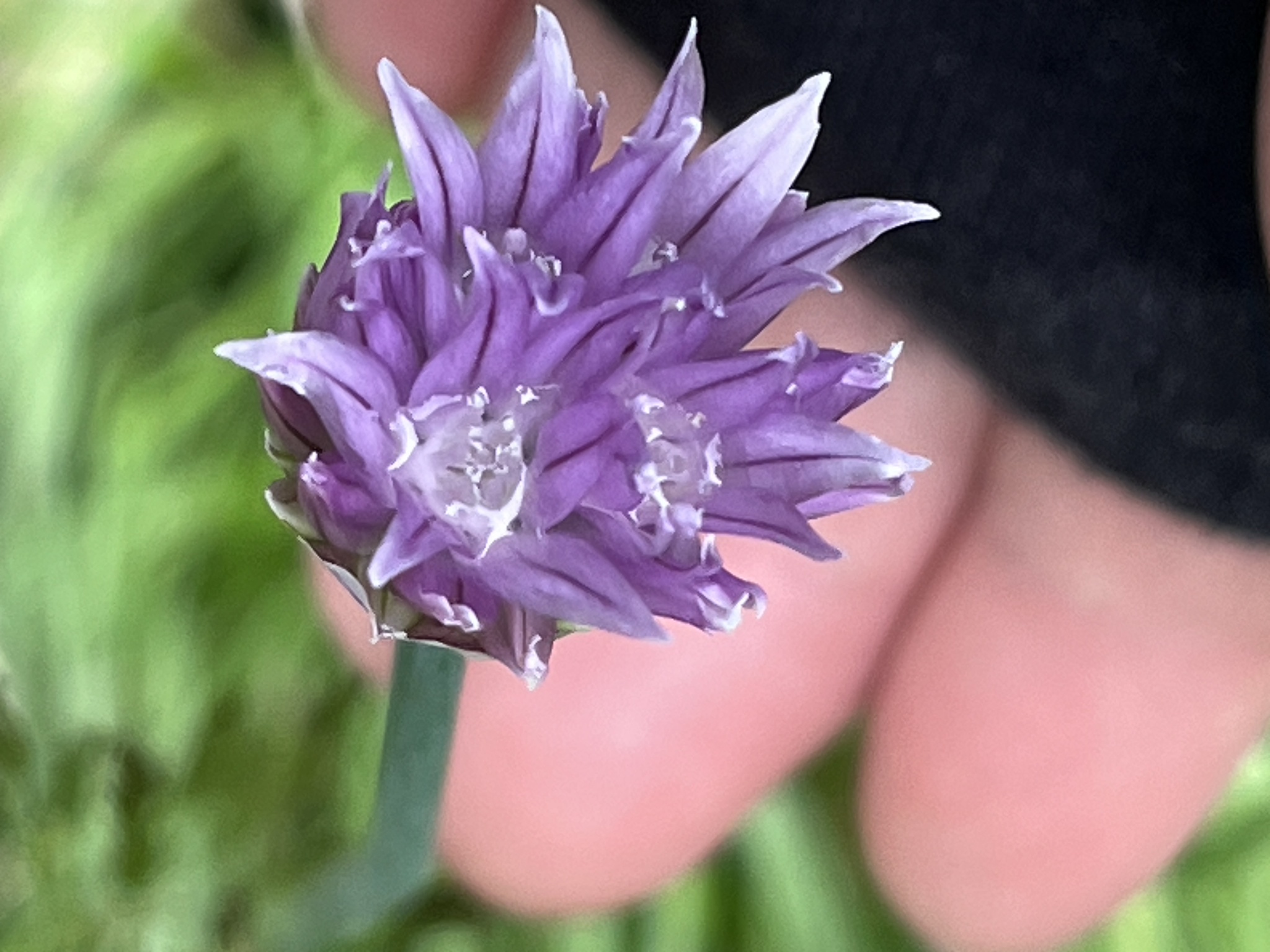
Chives
Allium schoenoprasum
☀️ Full Sun 💧 Moderate

Chinese Onion
Allium chinense
☀️ Full Sun 💧 Moderate