Amaryllidaceae Family Plants: Identification & Care Guide
37 plant profiles · Explore the Amaryllidaceae family, including daffodil, onion, and agapanthus species. Learn care habits, bulb planting times, and light requirements.
The Amaryllidaceae family contains over 1,600 species of herbaceous perennial plants distributed across temperate, subtropical, and tropical ecosystems worldwide. Most members grow from subterranean bulbs or fleshy rhizomes, producing narrow strap-shaped foliage and flower clusters held high on leafless stems called scapes. High concentrations of toxic isoquinoline alkaloids like lycorine run through these plants, making species such as the wild daffodil (Narcissus pseudonarcissus) and paperwhite (Narcissus tazetta) naturally resistant to browsing deer and rodents.
Selecting the correct plant depends on your growing zone, lighting conditions, and intended garden use. Sun-loving flowering bulbs like the giant onion (Allium giganteum) and belladonna lily (Amaryllis belladonna) require full sunlight and dry summer conditions during dormancy. Shade-tolerant evergreen species like the Natal lily (Clivia miniata) thrive indoors or in sheltered understory borders, staying green down to 10 °C (50 °F). For culinary patches, edible options like wild garlic (Allium ursinum) provide damp-soil ground cover, while common agapanthus (Agapanthus praecox) withstands drought along exposed coastal borders in USDA hardiness zones 8 through 11.
Sharply draining soil is the unifying care requirement across all genera in this group. Sitting in waterlogged earth rots subterranean roots and storage organs within 2 to 3 weeks during cool winter dormancy. Amend heavy clay garden beds with 20 to 30 percent coarse sand or grit, and plant dormant bulbs at a depth equal to two or three times their vertical height.

African Lily
Agapanthus africanus
☀️ Full Sun 💧 Moderate
Amaryllis
Hippeastrum vittatum
☀️ Bright Indirect 💧 Moderate

Angel’s Tears Daffodil
Narcissus triandrus
☀️ Full Sun 💧 Moderate

Autumn Onion
Allium stellatum

Beach Spider Lily
Hymenocallis littoralis
☀️ Full Sun 💧 High

Belladonna Lily
Amaryllis belladonna
☀️ Full Sun 💧 Low

Blue Allium
Allium caeruleum
☀️ Full Sun 💧 Low
Bowden Lily
Nerine bowdenii
☀️ Full Sun 💧 Low

Chinese Onion
Allium chinense
☀️ Full Sun 💧 Moderate
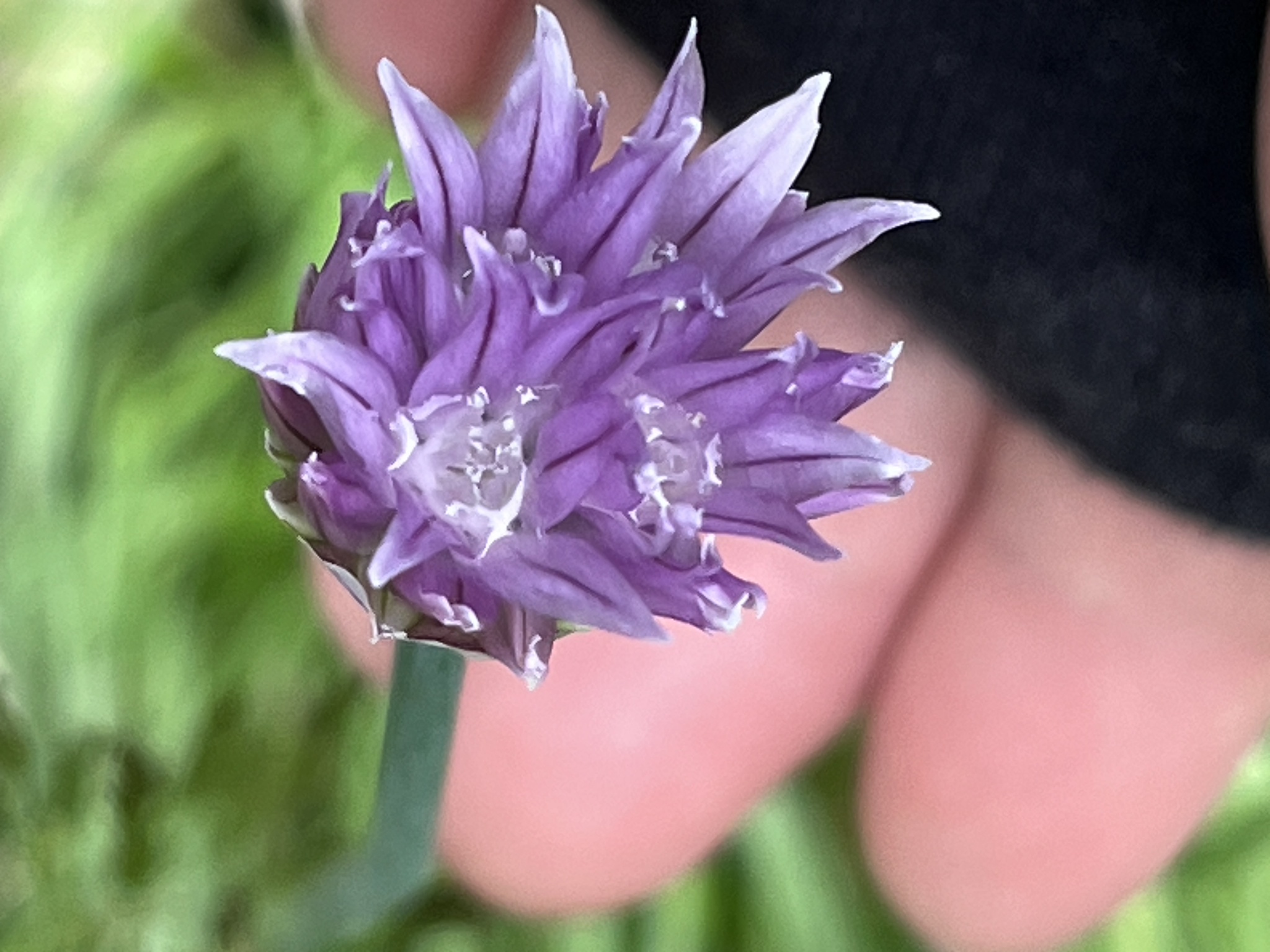
Chives
Allium schoenoprasum
☀️ Full Sun 💧 Moderate

Common Agapanthus
Agapanthus praecox
☀️ Full Sun 💧 Moderate
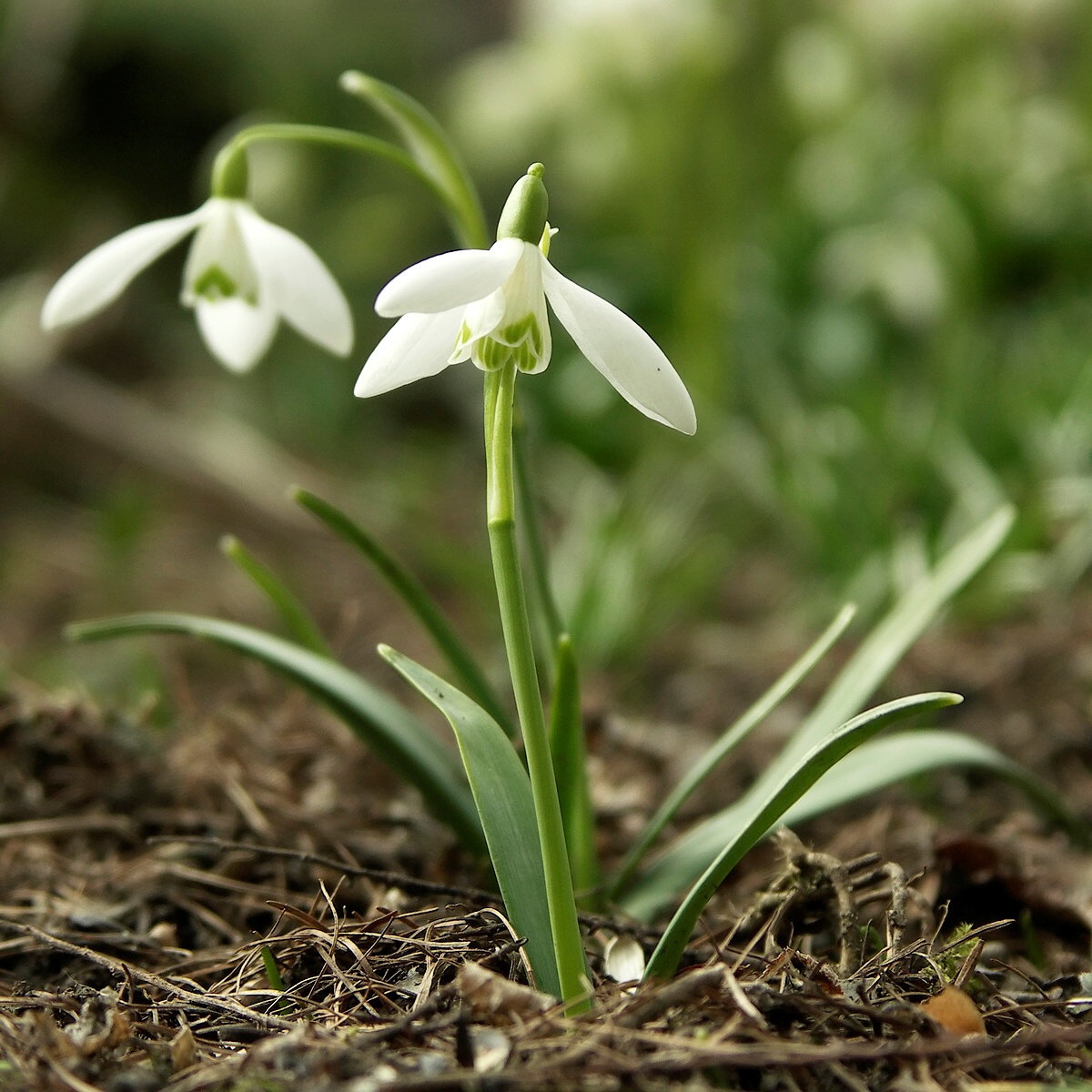
Common Snowdrop
Galanthus nivalis
☀️ Partial Shade 💧 Moderate

Field Garlic
Allium oleraceum

Garlic
Allium sativum
☀️ Full Sun 💧 Moderate

Garlic Chives
Allium tuberosum
☀️ Full Sun 💧 Moderate

Giant Onion
Allium giganteum
☀️ Full Sun 💧 Moderate

Keeled Garlic
Allium carinatum
☀️ Full Sun 💧 Low

Leek
Allium ampeloprasum
☀️ Full Sun 💧 Moderate

Lily Leek
Allium moly
☀️ Full Sun 💧 Low

Mouse Garlic
Allium angulosum
☀️ Full Sun 💧 High

Natal Lily
Clivia miniata
☀️ Bright Indirect 💧 Moderate
Neapolitan Garlic
Allium neapolitanum
☀️ Full Sun 💧 Moderate

Onion
Allium cepa
☀️ Full Sun 💧 Moderate

Paperwhite
Narcissus tazetta
☀️ Full Sun 💧 Moderate
Common Questions
Are plants in the Amaryllidaceae family toxic to dogs and cats?
Yes, plants in the Amaryllidaceae family are toxic to dogs and cats because they contain isoquinoline alkaloids such as lycorine that induce vomiting, salivation, and diarrhea when ingested.
How deep should you plant Amaryllidaceae bulbs?
Plant dormant bulbs at a depth of 2 to 3 times the height of the bulb, measured from the flat root base to the pointed tip.
Do all Amaryllidaceae plants grow from bulbs?
No, while the majority of Amaryllidaceae species grow from true subterranean bulbs, select genera such as Clivia and Agapanthus form thick, fleshy rhizomatous roots instead.