Biennial Plants Guide: Identification, Care, and Species
54 plant profiles · Learn how biennial plants grow over a two-year lifecycle, from foliage rosettes in year one to blooms and root crops in year two.
Biennial plants require two full growing seasons to complete their life cycle, forming roots, stems, and leaves in the first year before flowering, setting seed, and dying in the second. During their first spring and summer, biennials develop a low-growing basal rosette of foliage and store energy in underground taproots or thick crowns. After undergoing a period of winter cold—a process known as vernalization—the plant bolts, producing tall flowering stalks, setting seeds, and completing its life cycle by late summer.
Choosing biennials for your garden depends on whether you want root vegetables, culinary greens, ornamental flowers, or wild forage. Food crops like parsnip (Pastinaca sativa), celery (Apium graveolens), and turnip (Brassica rapa) are typically harvested late in their first season when their roots and stems are tender and packed with stored carbohydrates. If allowed to overwinter, these crops produce tough, woody stems and yellow umbrella-like flower heads the following spring.
Ornamental and wild biennials provide striking vertical height and self-seed readily to create naturalized drifts. Wallflower (Erysimum cheiri) and wood forget-me-not (Myosotis sylvatica) bring early spring color to flower beds, while rampion bellflower (Campanula rapunculus) offers edible roots and bell-shaped violet blooms. Weedy biennials such as lesser burdock (Arctium minus) and henbane (Hyoscyamus niger) thrive in disturbed soil, demonstrating how effectively biennials colonize bare ground between season changes.
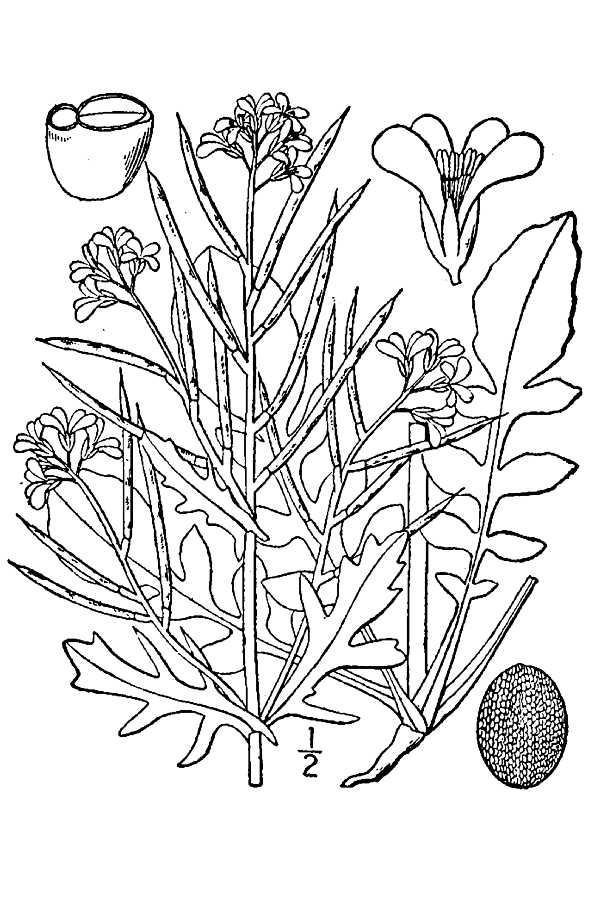
American Cress
Barbarea verna
☀️ Partial Shade 💧 Moderate

Beetroot
Beta vulgaris
☀️ Full Sun 💧 Moderate

Cabbage
Brassica oleracea
☀️ Full Sun 💧 Moderate

Canterbury Bells
Campanula medium
☀️ Partial Sun 💧 Moderate

Caraway
Carum carvi
☀️ Full Sun 💧 Moderate

Carrot
Daucus carota
☀️ Full Sun 💧 Moderate

Celery
Apium graveolens
☀️ Full Sun 💧 High
Clary Sage
Salvia sclarea
☀️ Full Sun 💧 Low
Common Centaury
Centaurium erythraea
☀️ Full Sun 💧 Low

Common Houndstongue
Cynoglossum officinale
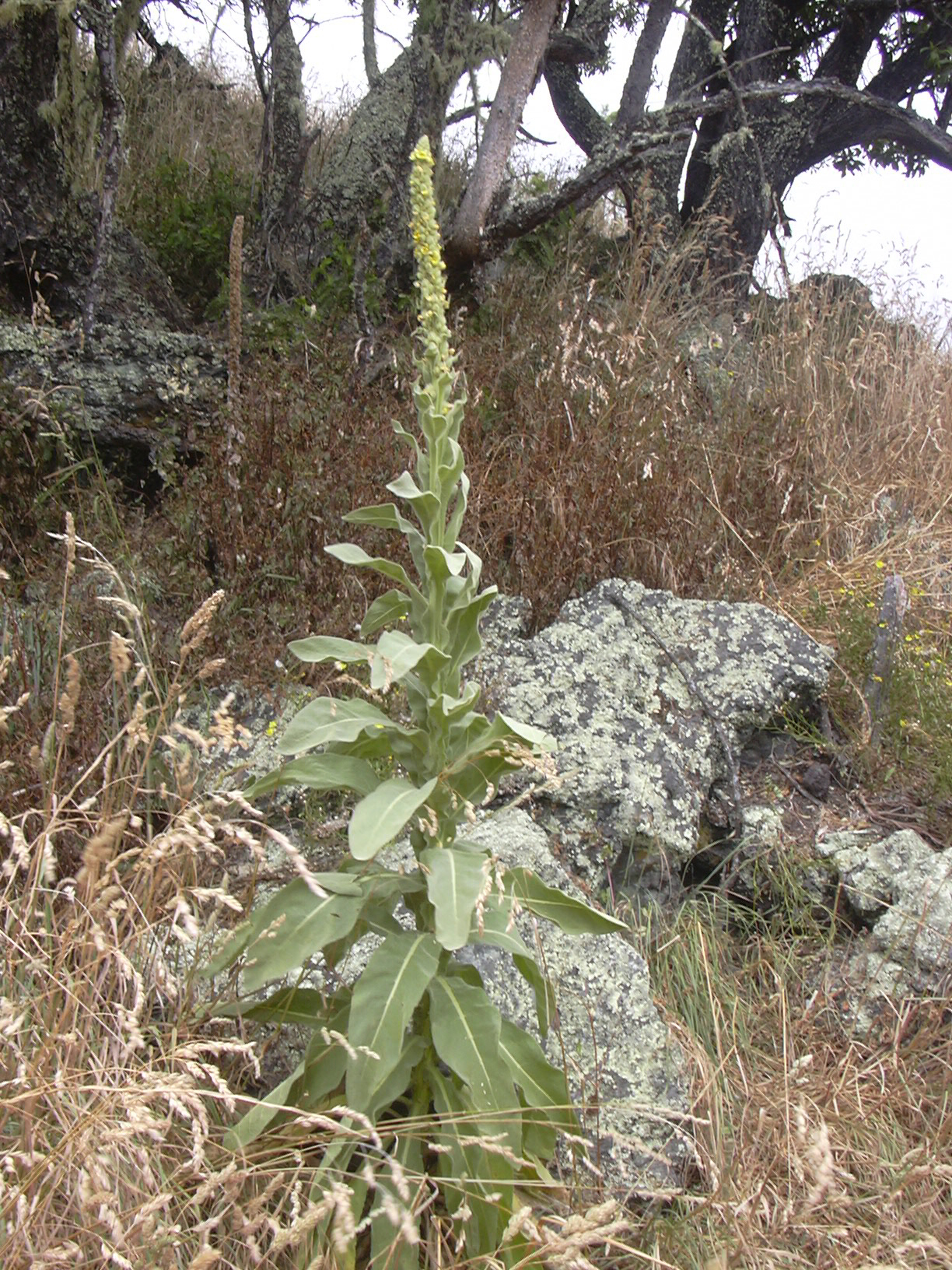
Common Mullein
Verbascum thapsus
☀️ Full Sun 💧 Low
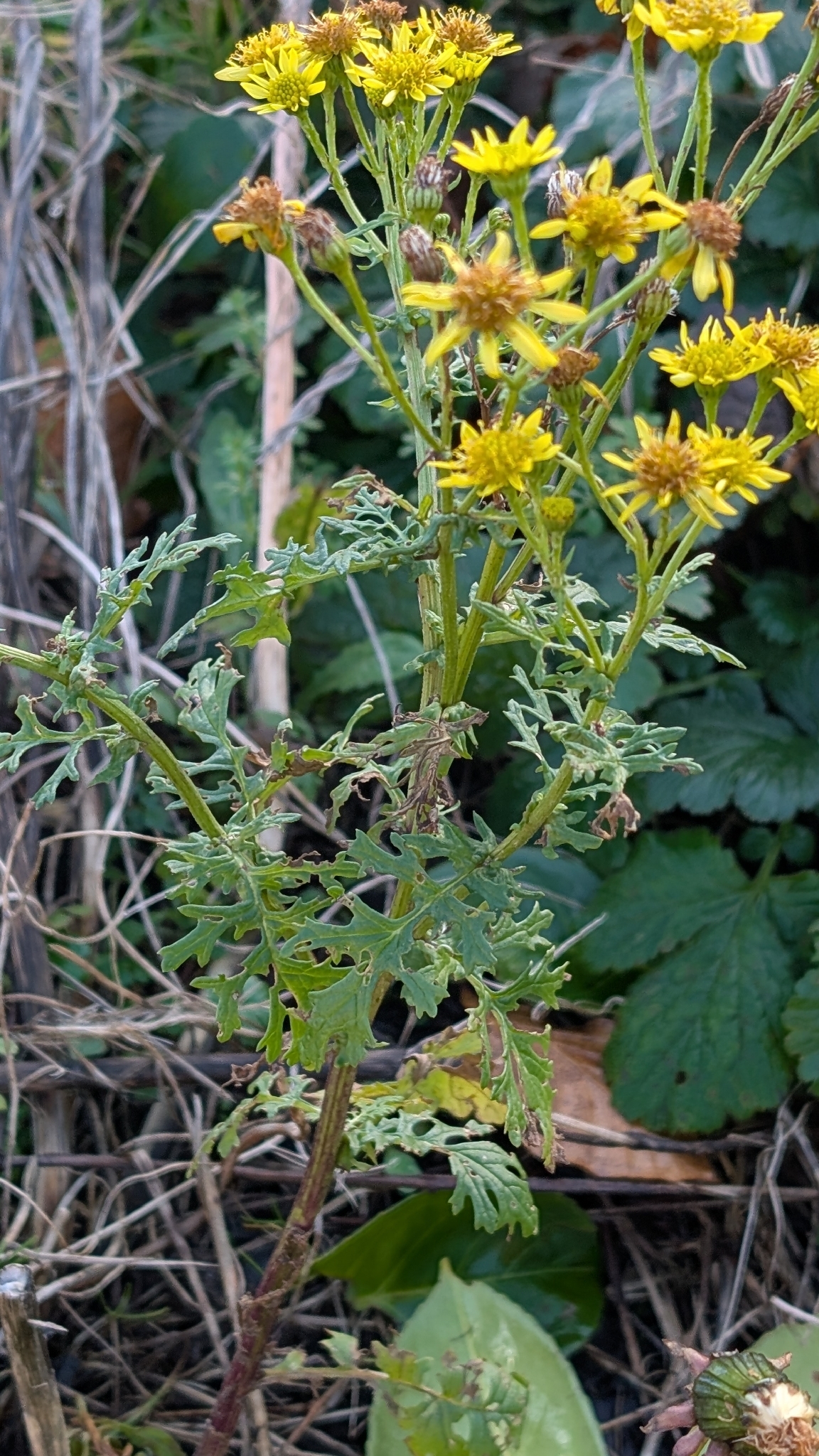
Common Ragwort
Jacobaea vulgaris
☀️ Full Sun 💧 Low
Cotton Thistle
Onopordum acanthium

Dame’s Rocket
Hesperis matronalis
☀️ Partial Sun 💧 Moderate

Deptford Pink
Dianthus armeria

Fairy Primrose
Primula malacoides
☀️ Partial Shade 💧 Moderate

Field Pepperwort
Lepidium campestre

Foxglove
Digitalis purpurea
☀️ Partial Shade 💧 Moderate

Garden Angelica
Angelica archangelica
☀️ Partial Sun 💧 High

Garden Pansy
Viola wittrockiana
☀️ Full Sun 💧 Moderate
Garlic Mustard
Alliaria petiolata

Giant Herb-Robert
Geranium maderense
☀️ Partial Sun 💧 Moderate
Greater Burdock
Arctium lappa
☀️ Full Sun 💧 Moderate

Henbane
Hyoscyamus niger
☀️ Full Sun 💧 Low
Common Questions
What is the life cycle of a biennial plant?
Biennial plants live for two years, spending the first season growing leaves and storing energy in their roots before blooming, setting seed, and dying in the second year.
Do biennial plants come back every year?
Individual biennial plants do not return after their second year, but many species self-seed freely, giving the appearance of perennial growth in the garden.
When should you harvest biennial root vegetables?
Harvest biennial root vegetables during their first autumn or winter before cold temperatures trigger flower stem development in their second spring.
Why do biennial plants need winter cold?
Biennial plants require prolonged cold temperatures between 1 and 7 °C (34 and 45 °F) to trigger vernalization, which signals the plant to produce flowers and seeds in its second season.