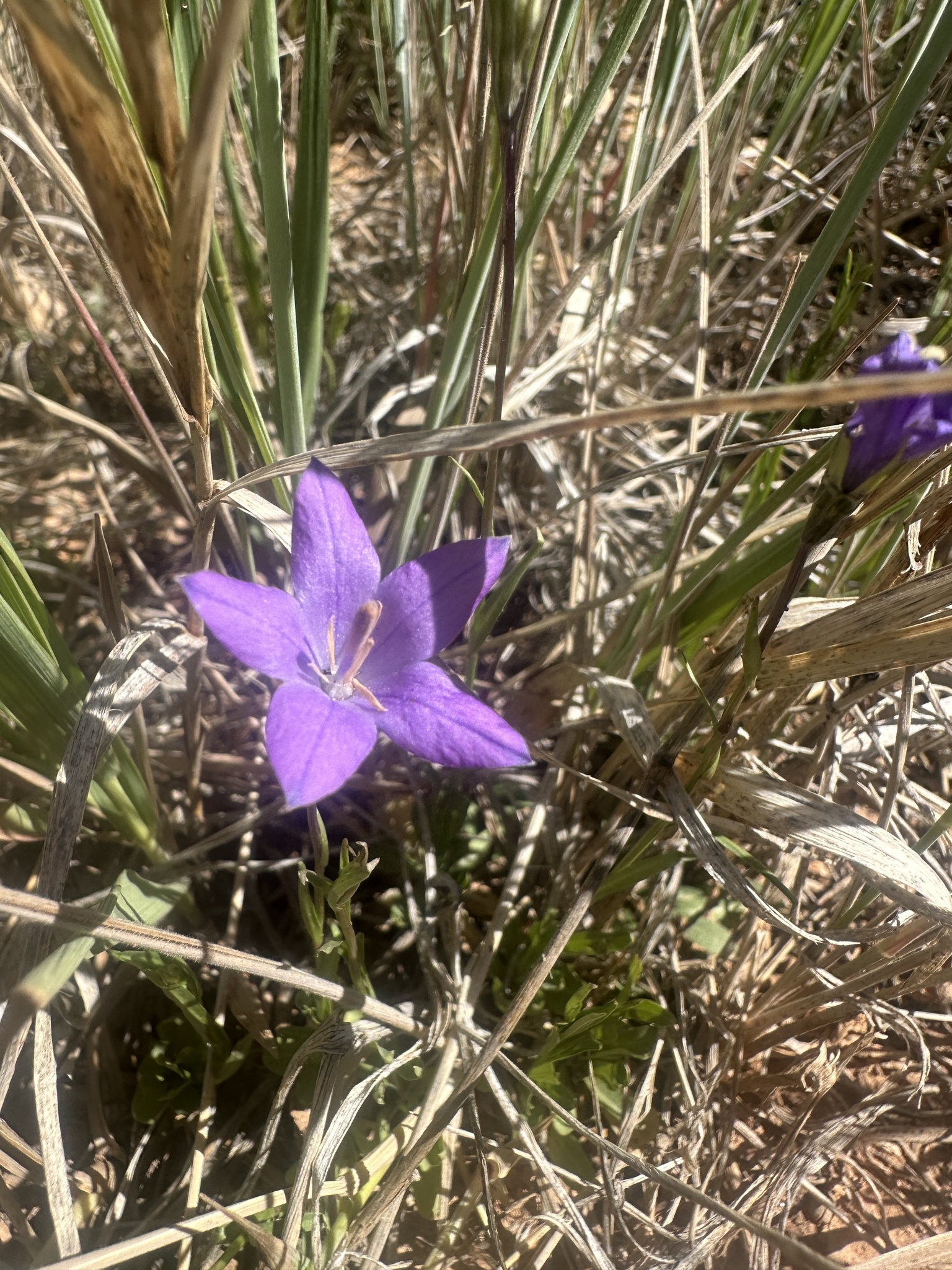
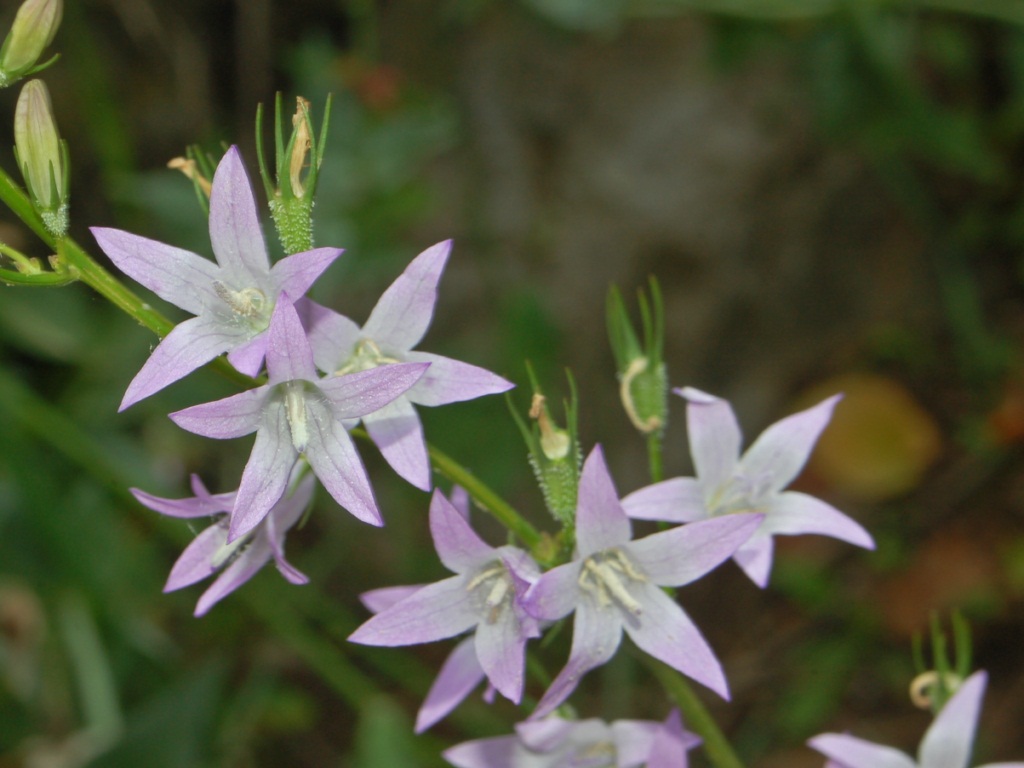
Canterbury bells (Campanula medium) is a traditional biennial flowering plant originating from Southern Europe. It belongs to the bellflower family Campanulaceae and produces striking, cup-shaped blooms on upright stems.
You will usually grow this plant as a biennial, meaning it forms foliage in the first year and flowers abundantly in the second before dying back.
Key Facts
- Type: Biennial flower
- Height: Up to 1.2 m (4 ft)
- Light: Full sun to partial shade
- Water: Keep evenly moist
- Hardiness: USDA Zones 5 to 9
Growing Canterbury Bells in the Garden
Canterbury bells fit traditional cottage gardens well, adding vertical height and vibrant colour to mid-border positions. You can expect plants to reach heights of 90 cm (3 ft) to 1.2 m (4 ft) when mature. Success depends entirely on managing their two-year lifecycle correctly.
Because they are biennials, you must sow seeds in late spring or early summer for flowers the following year. Planting them near the front of a shrub border provides necessary wind protection for their heavy flower spikes.
What Canterbury Bells Look Like
Canterbury bells feature large, inflated bell-shaped flowers measuring up to 5 cm (2 in) across. The leaves form a basal rosette of oblong, hairy foliage in the first year before sending up sturdy, leafy flowering stems in the second season.
- Flower colours include shades of deep blue, violet, pink, and white.
- Cultivars like ‘Cup and Saucer’ feature an extra calyx resembling a saucer beneath the main bell.
- Stems grow stiff and upright, though heavy rain can cause them to lean.
Choosing the Best Site for Canterbury Bells
Canterbury bells thrive in a position receiving 6 hours of direct sunlight daily, though partial afternoon shade benefits plants in hotter southern climates. Protect the tall stems from strong winds by planting them near fences or sturdier perennials.
- Select a spot with reliable air circulation to reduce fungal issues.
- Avoid low-lying areas where standing water collects after heavy rain.
- Ensure morning sun reaches the foliage to dry away overnight dew quickly.
How to Plant Canterbury Bells Seeds and Seedlings
Sow Canterbury bells seeds directly outdoors from May to July, pressing them lightly into the soil surface since they require light to germinate. Space your seedlings or young transplants about 30 cm (12 in) apart to give them room to develop.
- Prepare garden beds by mixing in well-rotted compost to improve moisture retention.
- Keep seedbeds consistently moist using a fine mist spray until germination occurs in 14 to 21 days.
- Transplant container-grown seedlings carefully in early autumn to establish strong roots before winter.
Watering and Feeding Canterbury Bells
Water Canterbury bells weekly during dry spells, providing about 2.5 cm (1 in) of moisture per week to keep the root zone hydrated. Feed plants in spring of their second year with a balanced, slow-release granular fertilizer.
- Check soil moisture weekly by inserting your finger 3 cm (1 in) into the earth.
- Apply a layer of organic mulch around the base to conserve soil moisture during summer.
- Avoid overhead watering to prevent moisture from sitting inside the bell-shaped blooms.
Pruning and Deadheading Canterbury Bells
Deadhead spent flower spikes regularly to encourage side shoots to bloom and extend the overall flowering season. Cut plants down to the basal foliage in late summer once all flowers fade completely.
- Use clean, sharp secateurs to snip away faded stems at the base.
- Leave a few seed heads intact if you want the plants to self-seed around the garden.
- Remove any yellowing or diseased basal leaves during routine garden clean-ups.
Troubleshooting Canterbury Bells Problems
Canterbury bells suffer few serious pests, but powdery mildew and slugs frequently damage foliage during damp weather. Treat powdery mildew outbreaks promptly with a copper-based fungicide spray.
- Symptom: Holes in leaves. Cause: Slugs or snails. Fix: Apply organic iron phosphate bait around the rosette.
- Symptom: White powdery coating on leaves. Cause: Powdery mildew. Fix: Increase air circulation and remove heavily affected foliage.
- Symptom: Stems flopping over. Cause: Too much shade or rich soil. Fix: Provide bamboo stakes or plant near sturdy companion perennials.
Winter Care for Canterbury Bells
Canterbury bells tolerate winter temperatures down to -20 °C (-4 °F) without protection in USDA Zone 5. Apply a light 5 cm (2 in) mulch of straw or shredded bark around the crown in late autumn to prevent frost heaving.
- Ensure drainage remains sharp throughout winter to prevent root rot in freezing soils.
- Clear away decaying autumn leaves from the center of the basal rosette.
- Avoid applying heavy fertilizers or disturbing the soil around dormant roots.
Canterbury Bells Through the Seasons
| Spring | Fertilize second-year plants with a balanced feed and monitor for slug activity around emerging basal growth. Water regularly if spring rainfall drops below 2.5 cm (1 in) per week. |
|---|---|
| Summer | Enjoy peak blooms from late spring through mid-summer and deadhead spent stalks to prolong flowering. Sow fresh seeds outdoors for the following year's display. |
| Autumn | Transplant young seedlings to their permanent garden positions by October. Clear away old flower stems and apply a light protective mulch around crowns before hard frosts arrive. |
| Winter | Monitor plants to ensure melting snow or winter rain does not pool around the crowns. Check that winter mulch has not blown away from exposed rosettes. |
Popular Canterbury Bells Cultivars
- 'Cup and Saucer' – features an enlarged calyx resembling a saucer
- 'Alba' – produces pure white bell-shaped flowers
- 'Caerulea' – features deep violet-blue blossoms
Companion Plants for Canterbury Bells
Pair Canterbury bells with plants that share similar moisture and sunlight requirements to create a balanced cottage garden display. Excellent companions include foxgloves (Digitalis purpurea), common delphiniums (Delphinium elatum), and sweet rockets (Hesperis matronalis).
- Combine purple Canterbury bells with white sweet williams (Dianthus barbatus) for high visual contrast.
- Plant low-growing lady’s mantle (Alchemilla mollis) around the base to hide dying lower foliage.
- Use silver-leaved lamb’s ear (Stachys byzantina) nearby to frame the tall flower spikes.
Frequently Asked Questions
Do Canterbury bells come back every year?
No, Canterbury bells are typically biennial plants that complete their lifecycle in two years and then die after flowering. However, they frequently self-seed in the garden, giving the appearance of returning perennials year after year.
Why are my Canterbury bells not flowering?
Canterbury bells usually fail to flower in their first year because they must experience a winter chilling period to trigger bud formation. If second-year plants fail to bloom, it is often due to excessive nitrogen fertilizer or insufficient sunlight.
How do you grow Canterbury bells from seed?
Sow Canterbury bells seeds on the surface of moist, well-draining soil in late spring or early summer, pressing them down gently without covering them. Keep the soil temperature around 18-20 °C (65-68 °F) until germination occurs within three weeks.
What does the Canterbury bells flower mean?
In Victorian floriography, Canterbury bells represent gratitude, humility, and unwavering constancy or faith. They were frequently given as gifts to express deep appreciation.
What zone are Canterbury bells hardy in?
Canterbury bells grow successfully as hardy biennials in USDA Zones 5 through 9. In very hot climates, treat them as cool-season annuals planted in partial shade.
Sources & Verification
Taxonomy and distribution are checked against the databases below. Care guidance is written for cultivated species only and reviewed by our editor. How We Build Plant Profiles →