Best Partial Sun Plants for Gardens and Containers
133 plant profiles · Discover partial sun plants that thrive in 3 to 6 hours of direct sunlight daily, including hydrangeas, tea plants, redbuds, and bear's breeches.
Partial sun plants require 3 to 6 hours of direct sunlight each day, preferably during the cooler morning hours. Unlike full-sun species that tolerate blistering midday heat, these plants need protection when ambient temperatures rise above 29 °C (85 °F). Incorporating partial sun plants lets you fill dappled woodland edges, eastern foundation beds, and shaded balconies without sacrificing flower production or foliage density.
Choosing the right species depends on soil moisture, hardiness zones, and mature growth habits. For moist stream margins or bog gardens, brooklime (Veronica beccabunga) thrives in wet silt, while tea plant (Camellia sinensis) requires acidic, well-draining soil in USDA zones 7 through 9. If you want structural perennial foliage, bear’s breeches (Acanthus mollis) produces glossy 60 cm (24 in) leaves and tall flower spikes. Deciduous shrubs like bigleaf hydrangea (Hydrangea macrophylla) depend on morning sun to set buds while requiring afternoon shade to prevent leaf scorch.
Understory trees and compact groundcovers also thrive in this light regime. Eastern redbud (Cercis canadensis) provides early spring magenta blooms beneath a high canopy, while pink oxalis (Oxalis articulata) forms low-growing mounds along garden borders. For indoor-outdoor containers, flowering maple (Callianthe picta) yields lantern-shaped blossoms when placed near an east-facing window. Balancing morning exposure with afternoon shade keeps soil moisture stable and prevents foliar burn across this plant group.

African Honeysuckle
Halleria lucida
☀️ Partial Sun 💧 Moderate
Alder Buckthorn
Frangula alnus
☀️ Partial Sun 💧 Moderate
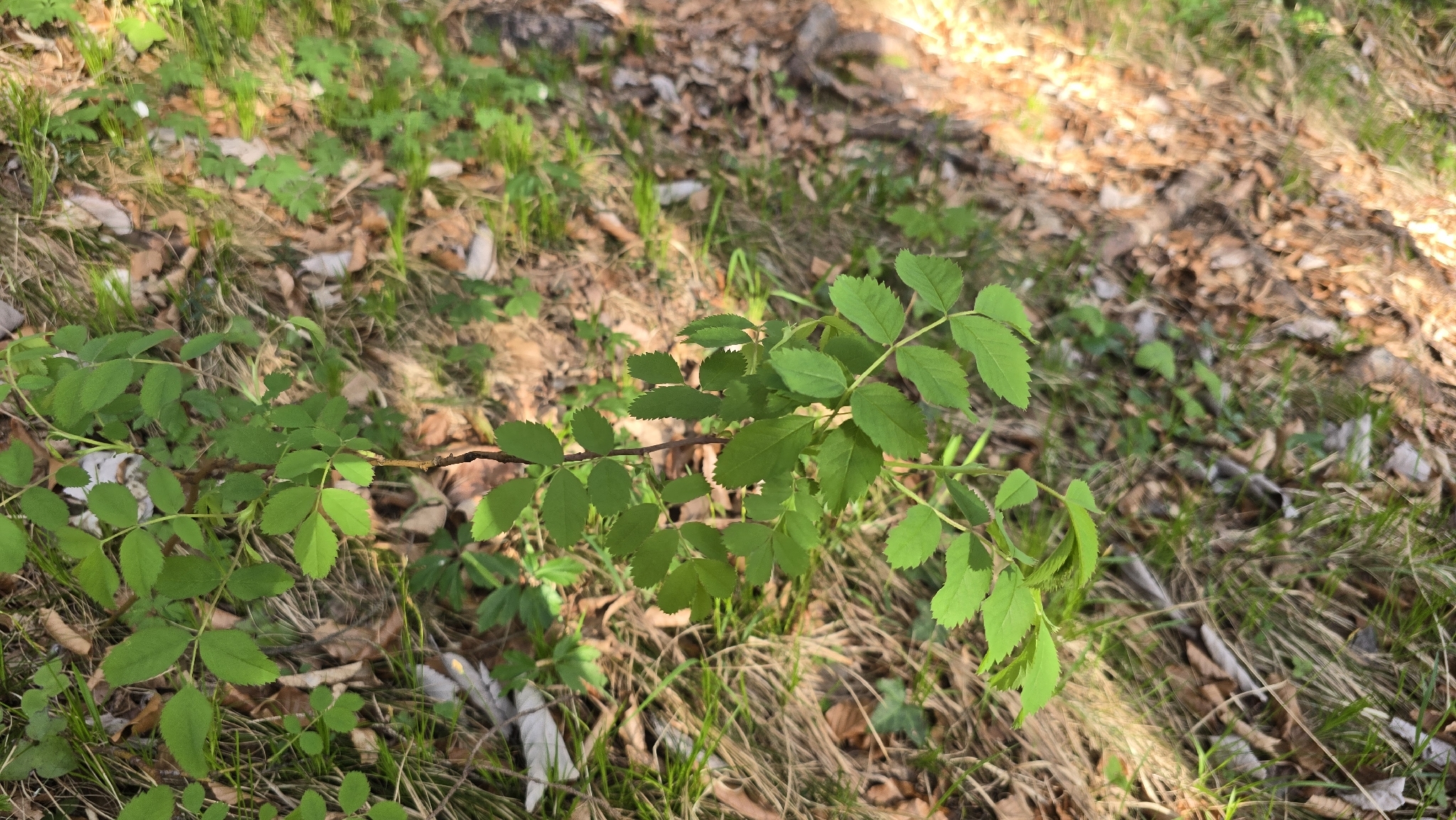
Alpine Rose
Rosa pendulina
☀️ Partial Sun 💧 Moderate

American Black Currant
Ribes americanum
☀️ Partial Sun 💧 Moderate
Arctic Beauty Kiwi
Actinidia kolomikta
☀️ Partial Sun 💧 Moderate

Australian Cheesewood
Pittosporum undulatum
☀️ Partial Sun 💧 Moderate

Bacopa
Chaenostoma cordatum
☀️ Partial Sun 💧 High
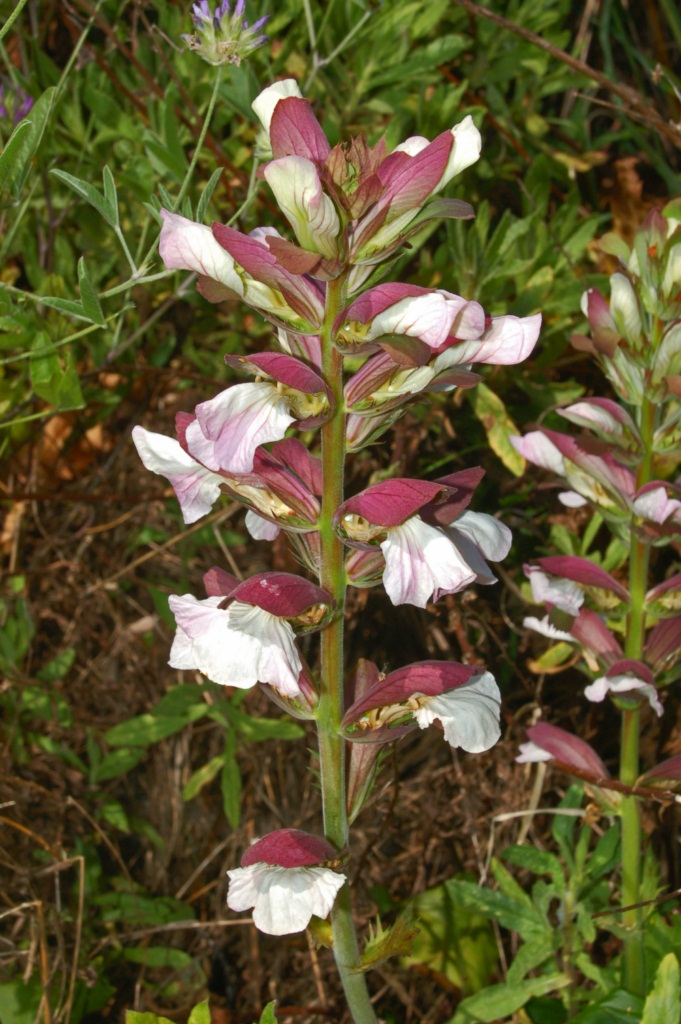
Bear’s Breeches
Acanthus mollis
☀️ Partial Sun 💧 Moderate

Benghal Dayflower
Commelina benghalensis
☀️ Partial Sun 💧 High
Bigleaf Hydrangea
Hydrangea macrophylla
☀️ Partial Sun 💧 High

Bigleaf Magnolia
Magnolia macrophylla
☀️ Partial Sun 💧 Moderate

Bilberry
Vaccinium myrtillus
☀️ Partial Sun 💧 High

Black Turmeric
Curcuma caesia
☀️ Partial Sun 💧 Moderate

Bleeding Heart Tree
Homalanthus populifolius
☀️ Partial Sun 💧 High

Bloody Dock
Rumex sanguineus
☀️ Partial Sun 💧 Moderate

Box Honeysuckle
Lonicera pileata
☀️ Partial Sun 💧 Moderate

Brooklime
Veronica beccabunga
☀️ Partial Sun 💧 High
Buddhist Pine
Podocarpus macrophyllus
☀️ Partial Sun 💧 Moderate

Butterfly Flower
Schizanthus pinnatus
☀️ Partial Sun 💧 Moderate

Butterspoon Tree
Cunonia capensis
☀️ Partial Sun 💧 High

Calico Aster
Symphyotrichum lateriflorum
☀️ Partial Sun 💧 Moderate

Calico Flower
Aristolochia littoralis
☀️ Partial Sun 💧 Moderate

Canterbury Bells
Campanula medium
☀️ Partial Sun 💧 Moderate

Carolina Allspice
Calycanthus floridus
☀️ Partial Sun 💧 Moderate
Common Questions
How many hours of light do partial sun plants need?
Partial sun plants need 3 to 6 hours of direct sunlight daily, ideally during the cooler morning hours.
What is the difference between partial sun and partial shade?
Partial sun plants require at least 3 to 6 hours of direct sun to produce flowers, whereas partial shade plants prioritize protection from midday heat and tolerate lower overall light levels.
Can partial sun plants grow in full shade?
Most partial sun plants survive in full shade but will exhibit sparse blooming and stretched, leggy stem growth.
What direction window is best for partial sun indoor plants?
An east-facing window provides optimal light by delivering gentle morning sun while shielding foliage from harsh afternoon rays.