Bigleaf hydrangea (Hydrangea macrophylla) is a deciduous shrub native to the Japanese coast, recognized by its massive flower clusters and large, serrated leaves. It typically forms a rounded mound that reaches 3 m (10 ft) in height.
While widely grown, it requires more water than most garden shrubs and often fails to bloom if pruned after mid-summer. Success depends on protecting the flower buds, which form on the previous year’s growth, from late spring frosts.
Key Facts
- Water: 2.5 cm (1 inch) weekly
- Light: Dappled shade or morning sun
- Soil: Moist, loamy, well-drained
- Hardiness: USDA Zones 5-9
- Pruning: Immediately after summer flowering
- Color: Controlled by soil acidity levels
Is Bigleaf Hydrangea Right for Your Garden?
Bigleaf hydrangea is a high-maintenance shrub that requires constant moisture and protection from the hottest parts of the day. It suits gardeners in temperate climates who can provide deep, rich soil and consistent irrigation. Because it blooms on old wood, it is not ideal for regions with erratic spring thaws that might kill emerging flower buds.
This shrub is a heavy feeder and takes up significant space, often reaching a spread of 2.5 m (8 ft). It is a functional choice for north-facing walls or under the canopy of deep-rooted trees where other flowering shrubs might struggle with lower light levels.
Identifying Bigleaf Hydrangea Flowers and Foliage
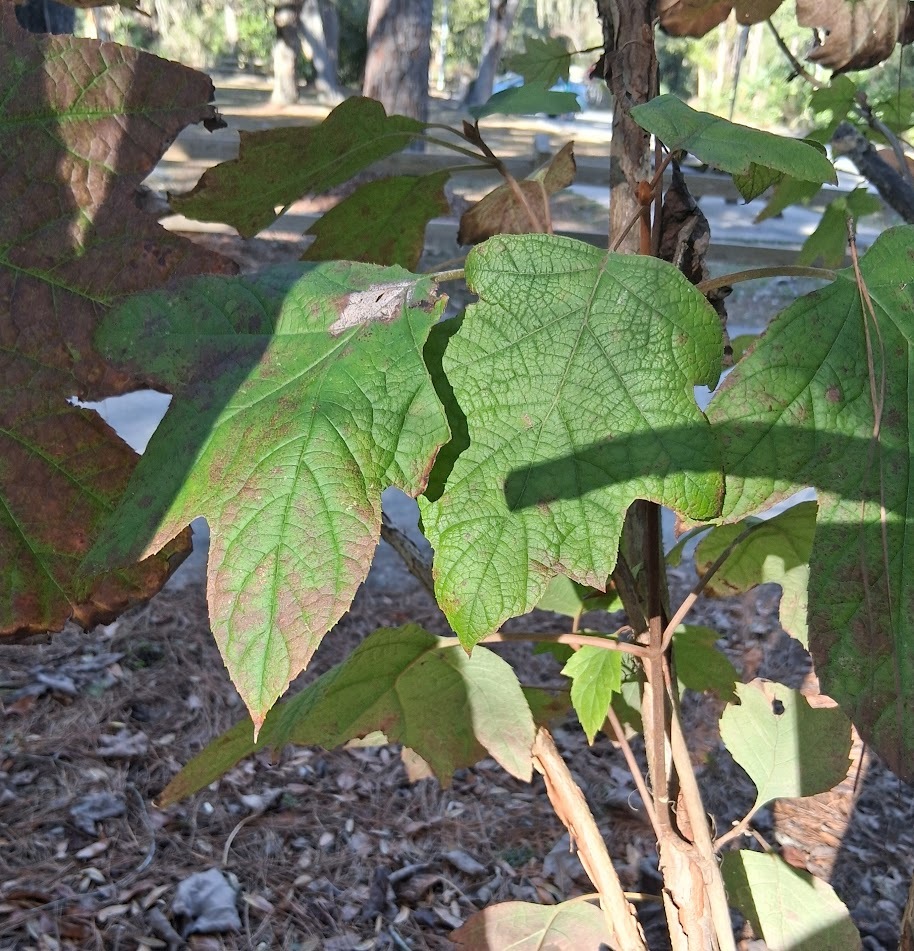
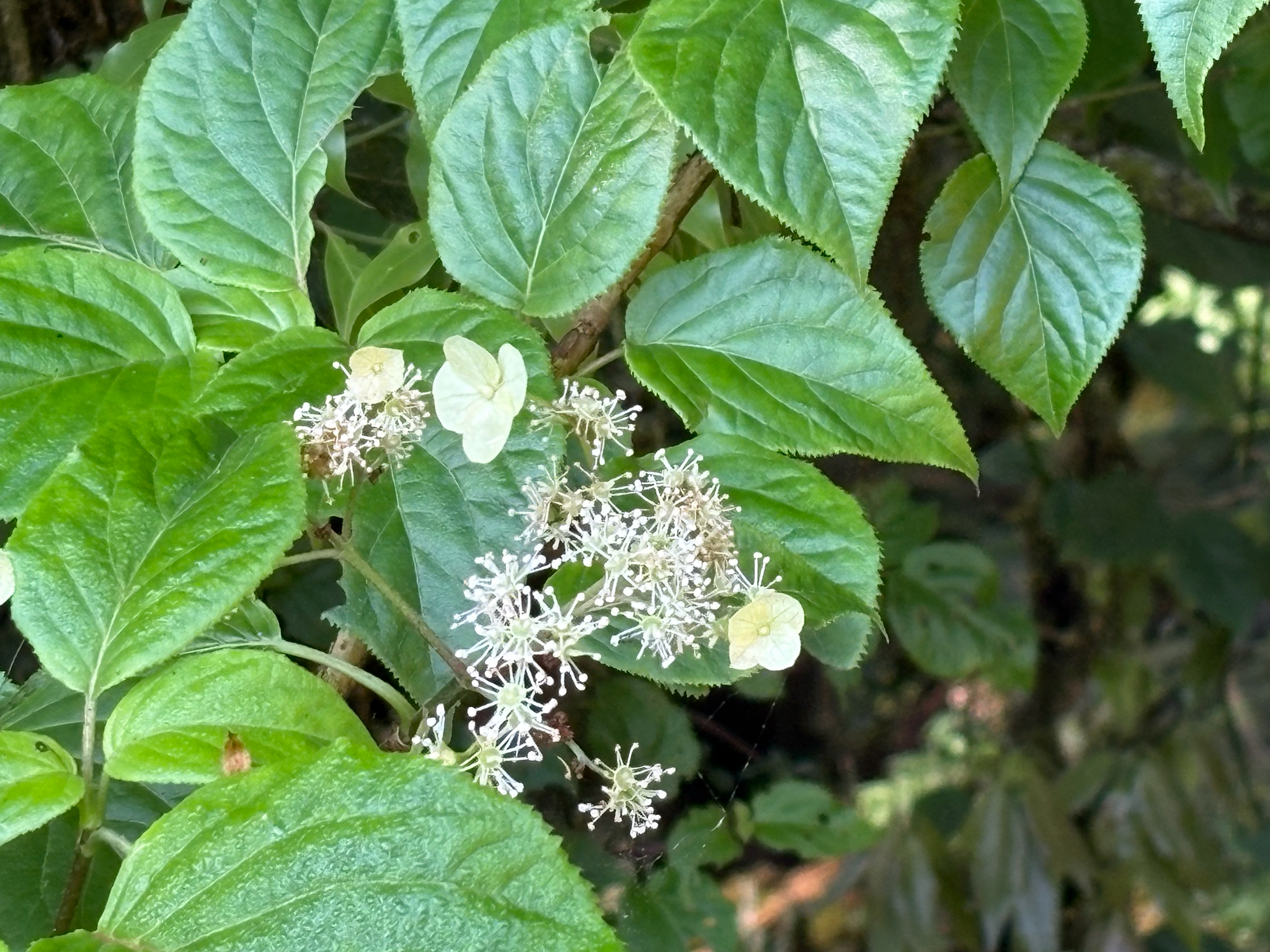
This shrub grows up to 3 m (10 ft) with large, opposite, serrated leaves and distinctive terminal flower clusters. The leaves are thick, ovate, and 10-20 cm (4-8 in) long, with a deep green color that provides a backdrop for the blooms. In autumn, the foliage may turn shades of reddish-purple before falling.
The flowers are divided into two main categories:
- Mopheads: Large, ball-shaped clusters consisting almost entirely of sterile, showy sepals.
- Lacecaps: Flattened disks with a center of small fertile flowers surrounded by a ring of larger sterile sepals.
- Stems: Stout, green stems that become woody and grayish-brown as they age.
Choosing the Best Planting Site
Place bigleaf hydrangea in a spot with morning sun and afternoon shade to prevent the large leaves from wilting. While it can tolerate full sun in coastal or northern climates, inland gardens require shade after 1:00 PM to protect the flowers from scorching. Air circulation is necessary to prevent powdery mildew, but the site should be sheltered from drying winter winds.
The soil must be rich in organic matter and capable of holding moisture without becoming waterlogged. Avoid planting near shallow-rooted trees like maples (Acer), which will compete for water and nutrients. If your soil is heavy clay, amend it with compost or peat moss to improve the texture.
How to Plant Bigleaf Hydrangea
Space plants 1.5 to 3 m (5 to 10 ft) apart in spring or autumn to allow for their mature spread. Dig a hole twice as wide as the root ball and just as deep, ensuring the crown of the plant sits level with the surrounding soil. Burying the stems too deeply can lead to rot, while planting too high causes the roots to dry out.
For container growing, use a pot at least 40-50 cm (16-20 in) in diameter with large drainage holes. Use a high-quality potting mix and incorporate a slow-release fertilizer at planting time. Potted specimens dry out much faster than those in the ground and may require daily watering during heatwaves.
Watering and Feeding for Better Blooms
Provide 2.5 cm (1 inch) of water weekly, increasing this to 5 cm (2 inches) during periods of extreme heat. The name Hydrangea comes from the Greek “hydor” (water) and “angos” (vessel), reflecting its high transpiration rate. Apply water at the base of the plant rather than overhead to keep the foliage dry and reduce disease risk.
Apply a balanced fertilizer (10-10-10) in early spring and again in June. Avoid high-nitrogen fertilizers after July, as this encourages soft green growth that is easily damaged by winter frosts. A 5-8 cm (2-3 in) layer of wood chip or bark mulch helps maintain soil moisture and regulates root temperature.
When and How to Prune Bigleaf Hydrangea
Prune immediately after the flowers fade in late summer to avoid cutting off next year’s buds. Most varieties produce flower buds on the stems grown during the current season (old wood) by August or September. If you prune in winter or early spring, you will remove the potential for flowers that year.
Follow these steps for healthy growth:
- Deadheading: Cut spent flower heads back to the first set of healthy leaves to keep the plant tidy.
- Rejuvenation: Remove up to one-third of the oldest, woodiest stems at ground level each year to encourage new shoots.
- Cleaning: Remove dead, damaged, or crossing branches in early spring, but do not tip-prune the healthy stems.
Why Is My Bigleaf Hydrangea Not Blooming?
The most common cause of a lack of flowers is pruning at the wrong time or winter bud kill. If the shrub was pruned in late autumn or spring, the embryonic flower buds were likely discarded. In colder climates, a late spring frost can kill the buds just as they begin to swell, even if the rest of the plant survives.
Other factors include:
- Too much shade: While they need afternoon shade, total shade prevents bud formation.
- Excess nitrogen: High-nitrogen lawn runoff promotes lush leaves at the expense of flowers.
- Immaturity: Some cultivars take 2-3 years to establish before blooming reliably.
Winter Care and Protection
Protect the base of the shrub with 30 cm (12 inches) of mulch or dry leaves in late autumn. In USDA Zones 5 and 6, the flower buds are often killed by temperatures below -18 °C (0 °F). You can protect the buds by wrapping the entire shrub in burlap or creating a wire cage filled with straw once the plant is fully dormant.
Do not remove winter protection until the danger of the last spring frost has passed. If a late frost is predicted after you have uncovered the plant, cover it temporarily with an old blanket or frost cloth. Avoid using plastic, which can trap heat and cause the buds to rot or wake up too early.
Changing Flower Colors with Soil PH
Soil pH below 5.5 produces blue flowers, while a pH above 6.5 results in pink blooms. This color change is caused by the availability of aluminum ions in the soil, which the plant can only absorb in acidic conditions. White-flowered varieties like ‘Madame Emile Mouillère’ do not change color regardless of soil pH.
To manipulate the color of your hydrangea:
- For Blue: Apply aluminum sulfate to the soil in spring and autumn to lower the pH.
- For Pink: Add garden lime (calcium carbonate) to the soil to raise the pH and lock up aluminum.
- Water Source: Hard water (high in minerals) can gradually turn blue hydrangeas pink over several seasons.
Year-Round Bigleaf Hydrangea Care Schedule
| Spring | Remove dead wood once buds swell. Apply a balanced 10-10-10 fertilizer. Pull back mulch if it is touching the stems. |
|---|---|
| Summer | Water deeply twice a week, or daily for pots. Deadhead spent blooms. Watch for powdery mildew on leaves. |
| Autumn | Apply a final layer of compost. Stop all pruning by August. Increase mulch depth to 10 cm (4 in) for winter insulation. |
| Winter | Wrap sensitive varieties in burlap in Zones 5-6. Check that mulch hasn’t washed away. Avoid heavy snow buildup on branches. |
Bigleaf Hydrangea Bloom and Leaf Problems Explained
| What you see | Likely cause | What to do |
|---|---|---|
| No flowers in summer | Pruning in spring or winter frost | Only prune immediately after flowering finishes in late summer. |
| Wilting leaves in afternoon | High transpiration or dry soil | Check soil moisture and provide deep water at the root zone. |
| Yellow leaves with green veins | Iron chlorosis from high pH | Apply chelated iron or lower soil pH with elemental sulfur. |
| White powdery spots on leaves | Powdery mildew | Improve air circulation and avoid overhead watering. |
Popular Bigleaf Hydrangea Varieties and Cultivars
- ‘Nikko Blue’ – classic blue mophead, very reliable
- ‘Endless Summer’ – blooms on both old and new wood
- ‘Eclipse’ – dark, near-black foliage with cranberry flowers
- ‘Madame Emile Mouillère’ – consistent white mophead blooms
- ‘Blue Wave’ – vigorous lacecap variety with lilac-blue flowers
Best Companion Plants for Bigleaf Hydrangea
Pair bigleaf hydrangea with plants that thrive in partial shade and share similar moisture requirements. The broad, coarse texture of hydrangea leaves contrasts effectively with the fine textures of ferns and ornamental grasses. Select species that bloom at different times to extend the season of interest in the shade garden.
Consider these companions:
- Hostas: Varieties like Hosta fortunei provide bold foliage in a range of colors.
- Japanese Forest Grass: Hakonechloa macra adds a soft, weeping texture to the base of the shrub.
- Japanese Painted Fern: Athyrium niponicum offers silvery fronds that brighten dark corners.
- Astilbe: Astilbe chinensis provides vertical flower spikes that complement the rounded hydrangea heads.
Frequently Asked Questions
Why are my hydrangea leaves wilting even when the soil is wet?
The large leaves of bigleaf hydrangea lose moisture faster than the roots can absorb it during hot afternoons. This is a defensive mechanism; the leaves usually recover by evening once the sun sets.
How do I turn my pink hydrangea blue?
Lower the soil pH to 5.5 or below by adding aluminum sulfate or elemental sulfur. It may take several months or an entire growing season for the color transition to complete.
Is bigleaf hydrangea toxic to cats and dogs?
Yes, it contains cyanogenic glycosides in the leaves and flower buds. Ingestion can cause vomiting, diarrhea, and lethargy in pets; contact a vet if you suspect they have eaten any part of the plant.
Can I grow bigleaf hydrangea in a pot?
Yes, use a container at least 40 cm (16 in) wide with excellent drainage. You must water more frequently than in-ground plants and provide winter protection for the roots, which are more exposed in pots.
Should I cut back my hydrangea for winter?
No, do not cut it back in winter as you will remove the flower buds for the following year. Only remove dead stems or spent flowers in late summer or early autumn.
Information about traditional or historical uses is provided for educational interest only and is not medical advice. Do not use any plant to treat a condition without speaking to a qualified professional.
Sources & Verification
Taxonomy and distribution are checked against the databases below. Care guidance is written for cultivated species only and reviewed by our editor. How We Build Plant Profiles →