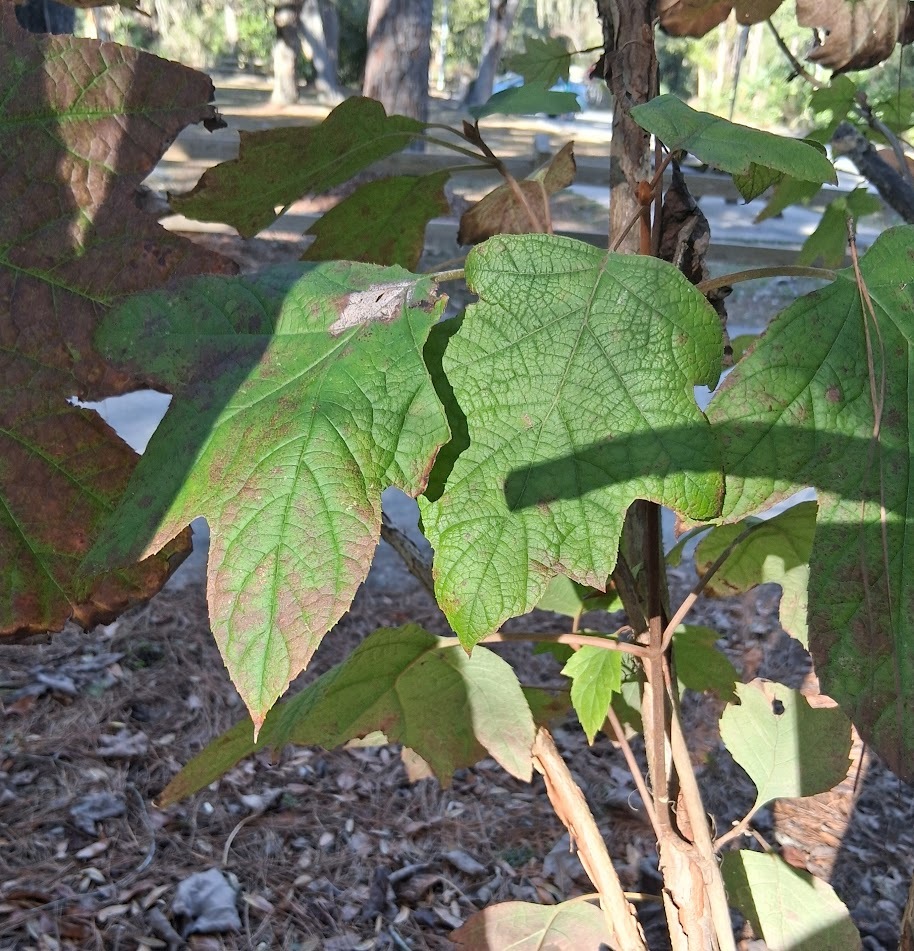
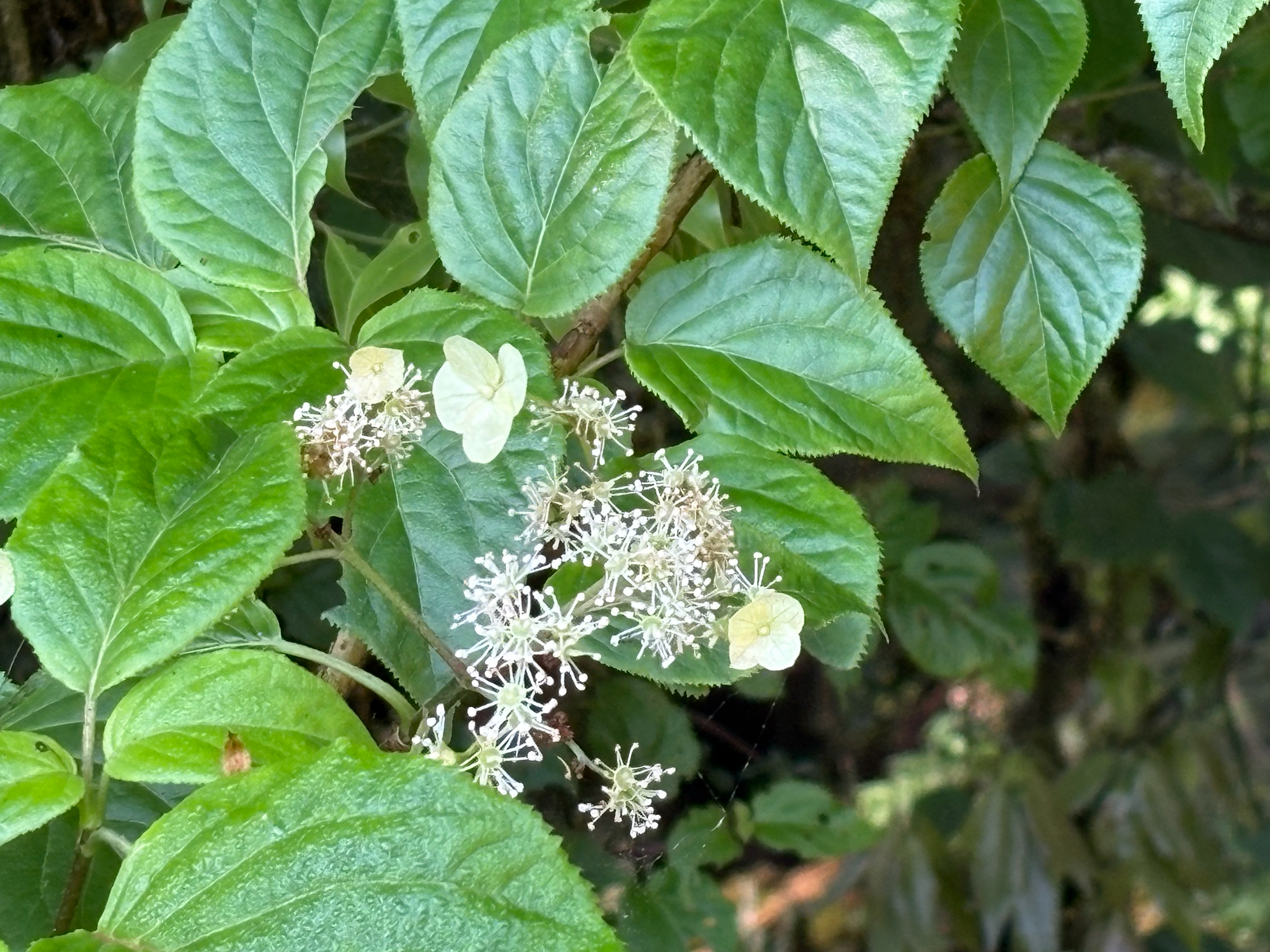
Smooth hydrangea (Hydrangea arborescens) is an eastern North American deciduous shrub producing broad domes of creamy white flowers from early summer into autumn. It grows naturally along riverbanks and rocky wooded slopes from New York south to Florida and west to Kansas.
Unlike bigleaf types, this species flowers entirely on new spring growth, meaning late frosts will not kill off your summer flower display. It thrives in cold climates down to USDA Zone 3 but wilts quickly if planted in unmulched, dry soil.
Key Facts
- Hardiness: USDA Zones 3 to 9
- Water: Keep soil evenly moist, never dry
- Pruning: Cut back in late winter or early spring
- Flowering: Blooms on new wood from June to September
- Soil: Moist, rich, well-draining, pH 5.5 to 7.0
Is Smooth Hydrangea Right for Your Garden?
Smooth hydrangea suits cold-climate landscapes where other species suffer from winter dieback and lost buds. Because it produces blooms exclusively on current-season wood, winter temperatures down to -40 °C (-40 °F) will not disrupt your flowering display.
You will need a location that receives consistent moisture and shelter from scorching afternoon sun. It spreads gradually by underground rhizomes, forming a loose thicket over several seasons, making it ideal for informal borders, woodland gardens, and shrub groupings rather than formal topiary hedges.
Identifying Smooth Hydrangea: Leaves, Bark, and Habit
Smooth hydrangea forms a multi-stemmed, suckering shrub reaching 90 to 180 cm (3 to 6 ft) in height and spread. Its common name sevenbark derives from the older woody stems, which peel in thin, layered strips showing varied shades of brown, tan, and grey.
Its leaves are opposite, broadly ovate or heart-shaped, measuring 8 to 20 cm (3 to 8 in) long with coarsely toothed margins and pale green, smooth undersides. The wild form bears flattened corymbs 5 to 15 cm (2 to 6 in) wide holding small fertile flowers ringed by a few sterile petals, while cultivated forms feature massive globose heads up to 30 cm (12 in) across.
Best Sun and Soil Conditions
Smooth hydrangea performs best in dappled shade or morning sun with afternoon shade. While it tolerates full sun in cool northern zones, intense afternoon heat causes foliage to scorch and droop unless the roots remain continuously wet.
Plant it in humus-rich, well-draining soil that retains moisture without becoming stagnant. A soil pH between 5.5 and 7.0 is ideal, though unlike mophead types, soil acidity will not alter the bloom colour of this species.
How to Plant Smooth Hydrangea
Plant container-grown smooth hydrangea in early spring or early autumn while temperatures remain mild. Avoid planting in the heat of midsummer when moisture loss is severe.
Dig a hole twice as wide as the root ball and equal in depth, keeping the top of the root flare level with the surrounding soil. Space individual plants 90 to 150 cm (3 to 5 ft) apart to accommodate their mature spread. Apply a 5 to 8 cm (2 to 3 in) layer of shredded bark mulch across the root zone, keeping it 5 cm (2 in) away from the base of the stems.
Watering and Fertiliser Schedule
Give smooth hydrangea 2.5 to 5 cm (1 to 2 in) of water weekly during the active growing season. The large, thin foliage loses moisture rapidly, causing visible wilting on hot afternoons even when soil is moderately damp.
- Spring feeding: Scatter a balanced, slow-release granular fertiliser (10-10-10) around the drip line as new shoots appear.
- Summer watering: Water deeply at soil level twice a week using a soaker hose to keep foliage dry.
- Late summer halt: Stop applying nitrogen by late July to allow new canes to harden before winter freezes arrive.
How and When to Prune Smooth Hydrangea
Prune smooth hydrangea canes back in late winter or early spring before active green growth resumes. Because flowers form on new wood produced during the current season, pruning in early spring will not remove any blossom buds.
You can choose between two main cutting strategies depending on whether you prioritise flower size or structural support:
- Hard pruning: Cut all stems down to 15 to 30 cm (6 to 12 in) above the ground to produce fewer, exceptionally large bloom heads.
- Framework pruning: Cut stems back to 45 to 60 cm (18 to 24 in) from the base, creating a stout woody frame that prevents heavy flower heads from flopping after rain.
- Autumn clean-up: In areas with heavy snow, cut stems down in late autumn to prevent snow loads from splitting the crown.
How to Propagate Smooth Hydrangea from Cuttings
Propagate smooth hydrangea using softwood cuttings taken in early summer from non-flowering shoots. Roots develop reliably within three to four weeks when maintained under high humidity.
- Cut the shoot: Slice a 10 to 15 cm (4 to 6 in) tip just below a leaf node in the morning hours.
- Strip foliage: Remove the lower leaves, leaving only the top two, and cut large leaves in half crosswise to curb transpiration.
- Insert and cover: Dip the base in rooting hormone, push it into moist perlite or seed compost, and cover with a clear plastic dome.
- Transplant: Once roots measure 3 cm (1 in), pot the cutting into potting soil and overwinter it in a cold frame.
Common Smooth Hydrangea Problems and Pests
The single most frequent issue is flopping flower heads after summer downpours. Cultivars with oversized flower clusters collect water weight and bend toward the ground if grown on weak first-year stems.
Watch for these common pest and disease symptoms:
- Hydrangea leaftier: Caterpillars tie terminal leaf pairs together with silk; pry open the pocket and remove the larva by hand.
- Powdery mildew: Grayish white fungal patches on foliage during humid, stagnant weather; treat by improving air circulation.
- Cercospora leaf spot: Brown spots with purple halos on lower leaves; water strictly at ground level to stop spores splashing.
- Severe midday wilt: Broad leaves droop during afternoon heat; irrigate thoroughly if the soil feels dry 5 cm (2 in) deep.
Smooth Hydrangea Care in Winter
Smooth hydrangea requires minimal winter protection across Zones 3 through 9 thanks to its extreme cold tolerance. Underground crowns survive temperatures as low as -40 °C (-40 °F) without dieback.
Leave the dried parchment-coloured flower heads on the shrub through late autumn to provide texture and collect winter frost. If heavy wet snow poses a threat of crushing outer stems, stake the framework loosely with twine or complete your annual cutback in late autumn instead of spring.
Bloom Time and Flower Colour: Can It Turn Blue?
Smooth hydrangea flowers cannot turn blue under any soil conditions. Unlike bigleaf hydrangea (Hydrangea macrophylla), this species lacks the anthocyanin delphinidin pigments that react with soil aluminium ions.
Blooms open pale lime green in June, mature to pristine white or cream in July, and revert to jade green before curing to bronze seed heads in autumn. Newer breeding has introduced pink-flowered forms that maintain soft rose tones regardless of your garden soil pH.
Best Companion Plants for Smooth Hydrangea
Pair smooth hydrangea with moisture-tolerant perennials and structural conifers that enjoy partial shade. Dark foliage plants create high-contrast backdrops that accent pale white flower domes.
Excellent garden companions include:
- Hostas (Hosta sieboldiana) for broad blue-green understory foliage.
- Ostrich fern (Matteuccia struthiopteris) for upright, feathery green textures.
- Oakleaf hydrangea (Hydrangea quercifolia) for leathery leaves and rich autumn colour.
- Yew (Taxus baccata) for deep green, fine-needled background hedging.
Frequently Asked Questions
Can smooth hydrangea flowers turn blue?
No, smooth hydrangea flowers cannot turn blue. This species lacks the pigment compounds that react with aluminium in acidic soil, so blooms remain white, green, or pink regardless of soil pH.
Should I prune smooth hydrangea in fall or spring?
You can prune in late autumn or early spring. Early spring is best because dried flower heads provide winter interest, but autumn pruning prevents heavy snow loads from breaking brittle branches.
Why are my smooth hydrangea branches flopping over?
Blooms flop when heavy rain collects in large flower heads on thin, new stems. Pruning less severely in spring leaves a sturdier woody framework that holds heavy blooms upright.
Does smooth hydrangea tolerate full sun?
Smooth hydrangea tolerates full sun only in cool northern regions when grown in constantly moist soil. In hot climates, direct afternoon sun scorches leaves and causes severe wilting.
Is smooth hydrangea native to North America?
Yes, it is native to the eastern United States, ranging naturally from New York south to Florida and west to Iowa and Texas along streams and wooded hillsides.
Information about traditional or historical uses is provided for educational interest only and is not medical advice. Do not use any plant to treat a condition without speaking to a qualified professional.
Sources & Verification
Taxonomy and distribution are checked against the databases below. Care guidance is written for cultivated species only and reviewed by our editor. How We Build Plant Profiles →
- Missouri Botanical GardenSpecies profile and growing requirements
- North Carolina State Extension Plant ToolboxIdentification, culture, and pest notes
- Royal Horticultural SocietyCultivar performance and pruning guidelines
- USDA PLANTS DatabaseNative range and taxonomic information
- GBIF — Global Biodiversity Information Facilitytaxonomy, synonyms, occurrence records
- Plants of the World Online (Kew)accepted name, native range
- Wikipediageneral reference